

12 Winter Home And Garden Hacks We Learned From TikTok
We may receive a commission on purchases made from links.
Many people feel like the winter is a time to relax and chill out — perhaps literally — but we beg to differ. Instead, we think this is the perfect time to do simple quality of life upgrades instead of hibernating and doomscrolling until spring shows back up.
That's why we've sourced a dozen brilliant hacks from TikTok that can make you, your heating bill, your dog, and your veggie crops happy. But, rather than tossing a few videos your way and ghosting, we're going to talk about what makes these hack so helpful and break down how you can do them while still staying in your flannel PJs. Not only are most of these low effort and low-pressure but, let's be real: you're already stuck inside, so might as well use the downtime to make your home and life more cozy and efficient for everyone involved. So, take a temporary trip out of your blanket fort and let's dive into these simple wintery solutions.
Lay a tarp on the ground to keep a clean yard space for your pup

If your dog is anything like the ones we know, they're not fans of doing their business in the snow — which, fair enough. Also, it's just a pain to have to constantly shovel a spot when you're dealing with blizzard weather. So, when we saw a TikTok about laying a tarp down to keep a clear bathroom space for your dog, we were thrilled. Tarps are super cheap — you can get a 6 x 8 foot Grizzly tarp for less than $10 — and they'll save you the effort of needing to fight with your shovel to heave heavy snow. All you do is remove the tarp when your dog is outside, shake off the snow, and put it back once they're done.
Now, a few things to keep in mind. First, you should lay it down before a snowfall happens so that you start with a clean lawn spot. Also, you should probably lie the tarp down somewhere that's close to their normal bathroom area, but also easy to get to from your door so that you don't need to shovel a path. Finally, you may want to go out during heavier snowfalls and shake it out; otherwise, the snow may be too heavy to lift and then you and your pup are back to square one.
Build a simple DIY cold frame to keep harvesting vegetables all winter
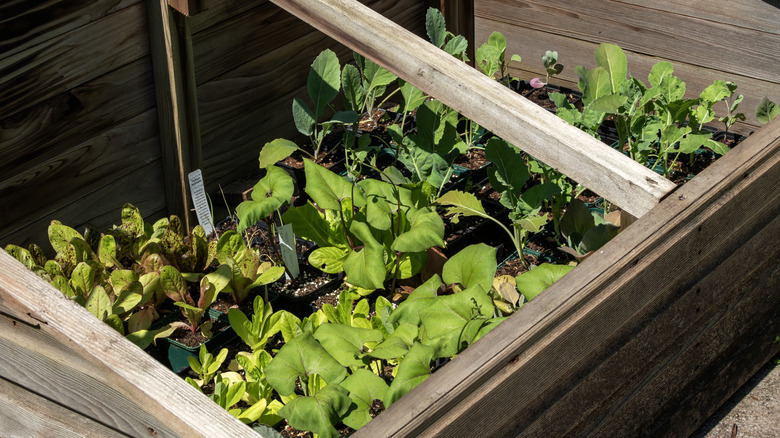
Cold frame gardening is a method of using a small, somewhat transparent structure to insulate vegetable plants through the winter so that you can have a continual harvest. Not only can it make fresh veggies easier to get during harsh driving conditions, but there are dozens of TikToks out there that show you how easy it is to create a wooden DIY cold frame. All you need is some wood, old windows, and hardware.
You can make a cold frame as fancy as you want, but your main goal is to create a dry box that keeps the winter weather away from your plants. You can even start with using a garden bed frame as the box and a transparent plastic sheet over top — just make sure to secure it with rocks or bricks so it doesn't blow away.
Begin sowing cold stratification-required seeds outside with plastic bags
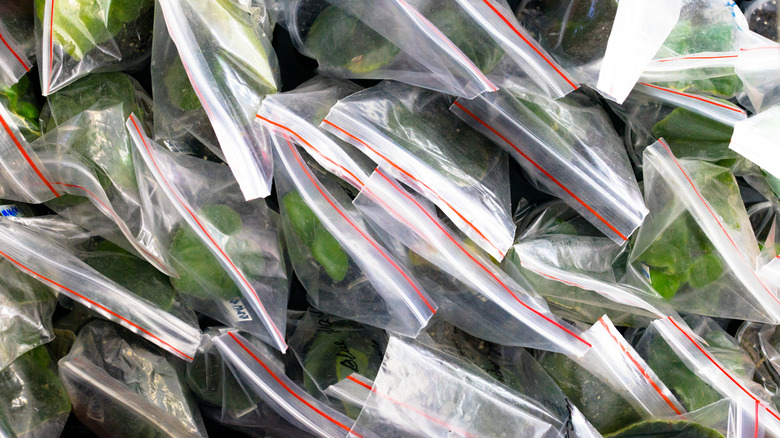
Not all plants germinate easily from seeds; some require a little help to get started. Typically, this involves either scarification where you nick the seed cover a little so the seedling can break through or stratification which uses cold temperatures to shock the seed out of dormancy — like your old alarm clock blaring when you had to go to school in the middle of a blizzard. Some people like to cold stratify in their fridge, but we found a way on TikTok to do it outdoors, saving you fridge space and that awkward conversation when someone accidentally eats your passionflower seeds. All you do is use a clear plastic bag that seals, add a little soil, then your seeds, and pop it outside.
This works like a triple-whammy of germination. First, the freezing winter temps kickstart the stratification and wake the seeds up, which are happily nestled in the potting soil. Next, the transparent bags let sunlight in, which your baby plants need for growth. But, since the bags are also sealed, they create a greenhouse effect post-germination that protects the growing seedling by trapping heat from the sun. One tip: moisten the soil ever so slightly before you put it outside. Not so much that the soil freezes, but enough that the seedling has the moisture it needs.
Keep the snow on your plants to keep them insulated

You might think your plants are suffering under the snow, but as we learned on TikTok, it turns out they're actually being protected. Snow works as a natural insulator for both plants and soil thanks to its ability to trap air under its cover. Those air pockets sort of fluff up the snow and create a thicker barrier from freezing and dry winter winds, which are way harsher than any snowfall could be on fragile foliage. And since this prevents freezing, everything your plant needs — soil, nutrients, beneficial insects — stays alive and moving.
See? You're not being lazy or a bad plant parent by not clearing the snowfall, you're actually helping your plants survive. Now, there are some technicalities to this, like what shape the snowflakes are and the density of the water in the snow cover, but that's pretty high level stuff that isn't required learning — though it can be an interesting deep dive if you're interested. Check the USDA's Snow Water Equivalent page to begin your rabbit hole deep dive.
If your door has poor insulation, multipurpose removable tape can keep the draft out
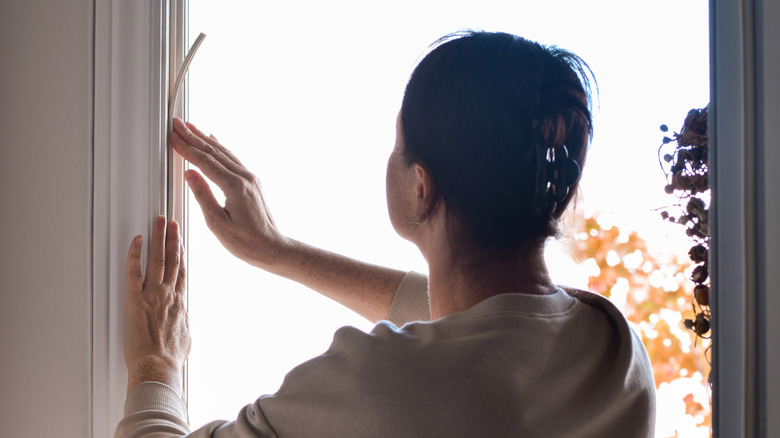
One issue we've run into in the past is that our front door is drafty, but the crack is so thin that even using the thinnest insulating tape available just won't work. That's when we noticed so many people on TikTok seemed to be obsessed with Alien Tape Multipurpose Removable Tape. This thick tape only has one half sticky, so you affix it around the door facing the inside of your home. The sticky part keeps it in place while the non-sticky part works like a thick flap that blocks drafts from getting through.
Of course, you don't need to use the name brand — just look for weather stripping tape or multipurpose removable tape and get whatever has the best reviews. You can even use mounting tape, but it might be hard to peel off only one half of the backing. Make sure to wipe down the door first so that dirt doesn't get trapped under the tape, then wait for it to dry and apply the tape. We've cut a flap where our wreath hanger goes over the door, but that's optional. Most of these tapes claim to be reusable but with how much you get vs. how much you use, we think it's okay to scrap and start fresh next year.
Cover outdoor spigots with covers to prevent drafts or freezing
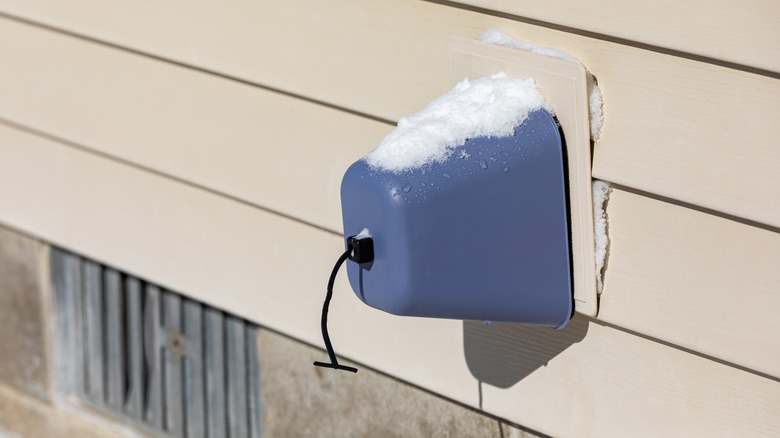
If you're a homeowner in a place that gets rough winter weather, then you've undoubtedly worried about freezing pipes at least once. And if you've got an outdoor spigot then you're at a higher risk to have frozen pipes that break, spraying water in areas that are pretty difficult to get to, like crawl spaces and behind walls. But we learned on TikTok that there's a super cheap solution to this: foam spigot covers like this Frost King FC14A Foam Faucet Cover. The foam acts as an insulator for the spigot, preventing snow and harsh weather from kicking off a pipe freeze.
To install these, you'll need to remove your hose — but you should do that during the winter anyhow so that it doesn't burst from leftover water freezing then expanding. Next, use the black silicone ring on the cord and wrap it around your handle — this keeps the cover in place. Then, place the cover over and use the part of the cord on the outside to tighten the seal between the cover and your home.
Use pool noodles to keep your windshield wipers from freezing on the glass
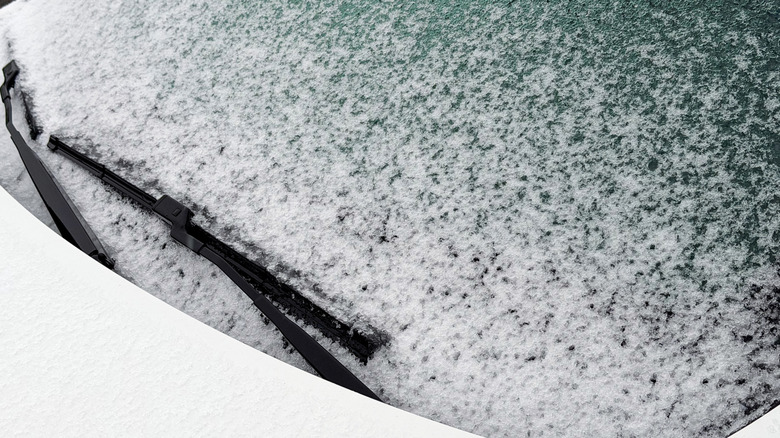
Look, we love pool noodle hacks around here, but we never thought about using them for our windshield wipers until we went onto TikTok. Frozen wipers can tear their rubber, making their main job of removing stuff from your windshield nearly impossible. While you can always just lift them up before a snowfall, some of us have irrational fears about heavy snow or crazy winter winds damaging them. But sliding a pool noodle over them before the freezing temperatures set in can create enough of a buffer that your wipers are clean and safe.
All you need to do for this is cut one or two pool noodles to the size of each wiper blade, then slice them lengthwise down the middle with a knife or razor blade. Slide the noodle covers over your wipers with the slit facing the hinge connector. Remove them when you're ready to drive and stash them in the trunk so you can use them later.
Replace furnace filters to keep your furnace running smoothly
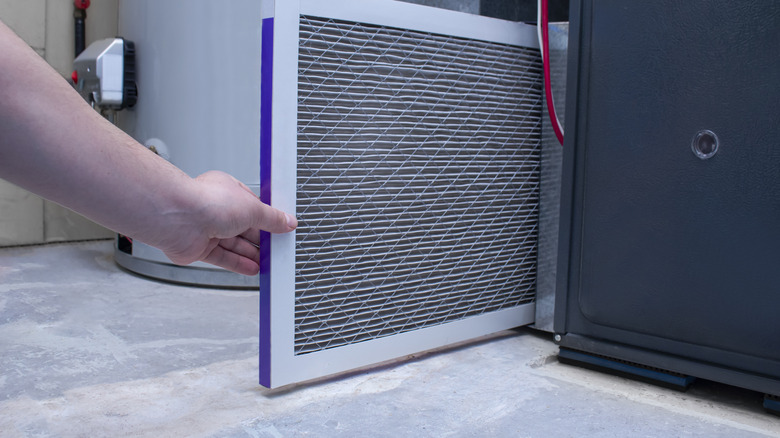
Your furnace does a lot of heavy lifting during the winter, working overtime to keep your home comfy. One great tip we were reminded of on TikTok was to make sure you change out your furnace filter regularly, especially during the winter. Dirty filters might seem harmless — what's the worst a few dust particles can do? Turns out: a lot. Dirty filters make your furnace work harder because it needs to force air through those particles, which can stack up more than you think. The harder your furnace works, the more power it needs, which means higher utility bills. So yeah, change it out before the winter weather is in full swing.
How often you should change your furnace filter typically depends on the air quality of your home and how much dirt the filter is catching. The EPA recommends doing it at least once every three months, though you may need to change your filters more often in the winter since your home is sealed up for the season, making it harder for fresh, clean air to circulate.
Change the rotation direction of your ceiling fans to circulate warm air
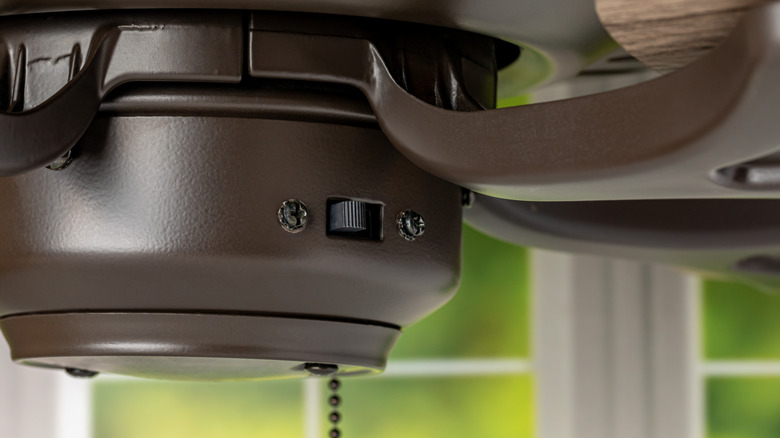
Did you know your ceiling fan can spin in two directions, and the way it rotates can save you money? Thanks to TikTok for reminding us about this, because it's so simple but ridiculously helpful. The direction of the blade movement either pulls air up or pushes it down. Since heat rises, this is clutch, as it essentially gives circulation a boost — and all it takes is a literal flip of the switch.
Your ceiling fan switch is most likely under the blades and looks like a toggle. Flip it counter clockwise in the summer because this will push cold air down. For winter, the blades need to move clockwise, as this will pull up hot air and move it through the room. If you're not sure, just turn the fan on and stand directly under it. If you feel a rush of air, it's counter clockwise, so needs to be flipped for the winter.
Create a DIY humidifier to deal with dry winter air

Winter air is so dry, it feels like it just rips all of the moisture from our skin — not to mention our plants end up looking like SpongeBob at Sandy's home. But humidifiers are expensive and not your only option. We learned on TikTok that you can create a simple, DIY humidifier by dipping a cloth into a bowl of water and leaving it in a closed room. The water will evaporate from the cloth over time and enter the air, reclaiming some of that much-needed humidity.
While this might seem sus, people have been putting bowls of water on radiators for decades to help increase humidity around their home. You do want some way to keep the wet cloth suspended from the bowl so that air moves around it. We saw someone use an upside down hanger resting on the edge of the bowl, which is smart, but you could also use chopsticks, wire, or whatever you've got. Just make sure the cloth touches the water so it stays moist, and refill the bowl every now and then.
Bubble wrap on windows can help reduce heat loss
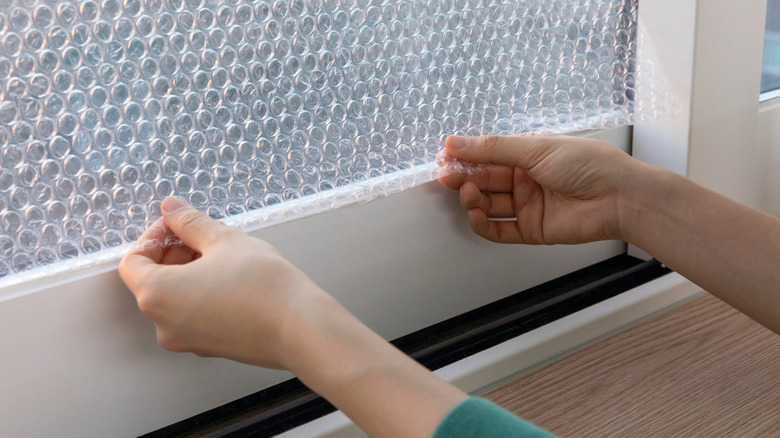
This isn't a new idea, but we're still thankful TikTok reminded us about it because it's cheap and so helpful. Sticking bubble wrap to your window works by using those tiny air pockets to create an insulating layer against the window glass, preventing warm air from escaping or cold air from coming in. Plus, if you've been ordering presents for the holidays or are an Amazon Prime-aholic, then you've most likely got some extra bubble wrapping lying around.
First, use glass cleaner on the window, as this will remove any dirt and give the wrap something to stick to. Apply the bubble wrap with the bumpy bubble side facing the glass, and then cut off any excess. We've heard that the wrap with big bubbles is best, but this is anecdotal, so use whatever you've got on hand or whatever comes free with your deliveries.