

10 Composting Methods: How To Choose The Best One For Your Garden
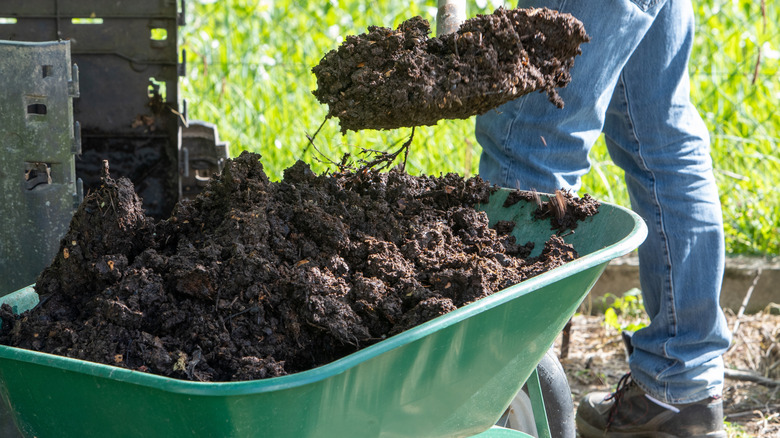
Incorporating composting into your gardening routine is a great way to reduce waste and add nutrients and organic matter to your yard. It is basically creating free fertilizer while sending much less stuff to the landfill. It's a win-win, right? But, to get the most out of composting, it is helpful to figure out which method works best for you and your garden. See, composting is a little bit more than just whacking your leaves and veggie scraps into a bin and hoping for the best (although this does sometimes work!). There are a lot of things going on in composting, and the different methods do it in slightly different ways.
From vermicomposting, which uses worms to help break down the organic matter, to lasagna composting, which is all about layering directly onto the soil, there are quite a few methods to pick from. When deciding what is best for your garden, it is helpful to reflect on how much waste you have, what your waste usually consists of (i.e., do you always end up with loads of kitchen scraps?), and the space you have. So, what are the different composting methods, and which is the right one for you?
Backyard composting
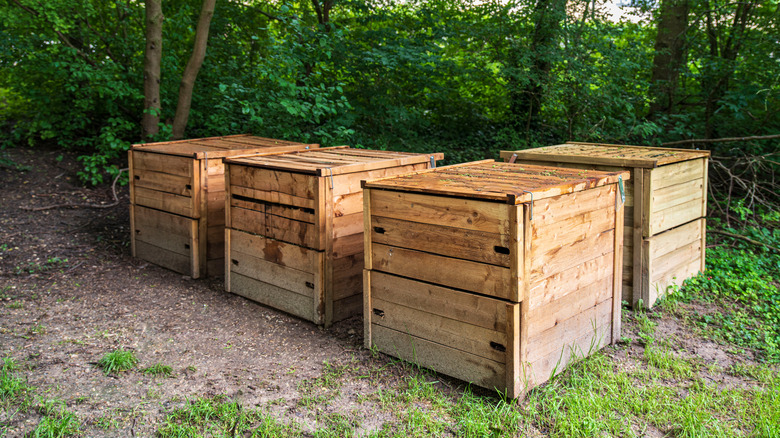
Backyard composting is probably what you picture in your head when you hear the word composting. It refers to a pile or bin outside that contains the composting materials. You add organic waste to the bin or pile, and with the help of oxygen and heat, it begins to break down. This is a fairly easy and simple method and is suitable for most organic waste, but you do need to turn the compost regularly. It is great for smaller gardens where there is not much waste, so you can keep on top of tending the pile.
Vermicomposting
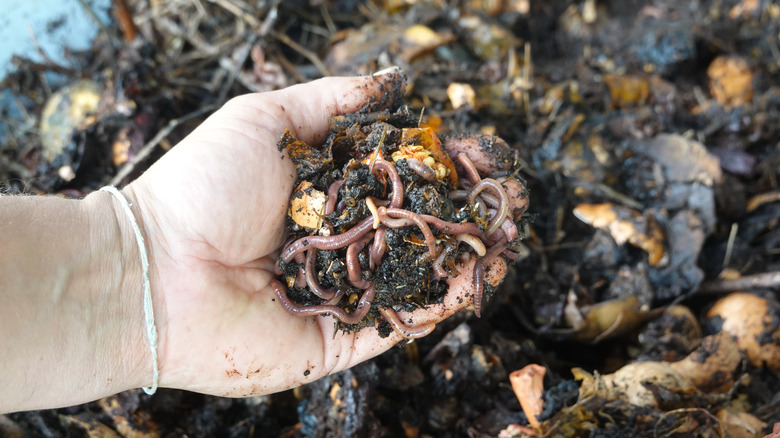
Vermicomposting brings wiggly helpers into your composting method! It refers to the production of earthworm waste from organic matter that you then use in your garden. For this method, you need a worm bin and some vermicomposting worms (red wigglers are usually used). This method allows you to compost when you don't have outdoor space, as it can be done inside. However, you do need to continue keeping an eye on the worms while they make compost to ensure they are happy and healthy. It's more hands-on but really rewarding, and the worm manure is nutrient-rich.
Bokashi
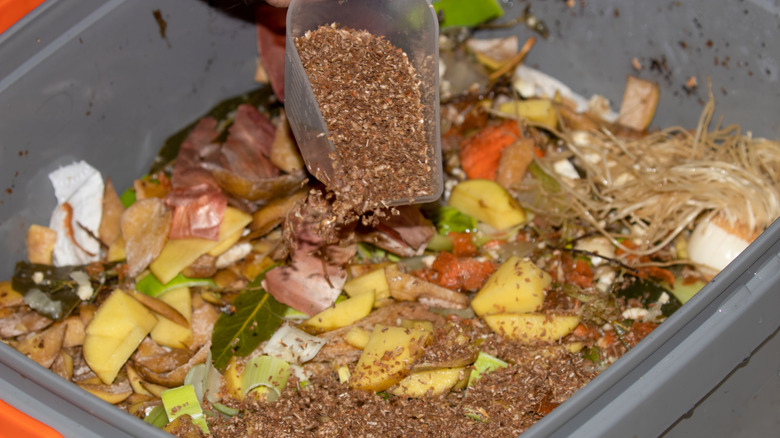
Bokashi is a Japanese method of composting that uses a closed system to ferment organic matter. When composting this way, you place your waste in the bin and layer it with Bokashi bran that has been inoculated with bacteria. A big selling point with this method is its lack of odor and its small space requirement. You can place Bokashi compost indoors in a kitchen cupboard and not worry about the smell! Furthermore, you can compost items that you can't compost in other methods, such as meat, dairy, and fish. It also composts super quickly.
Black soldier fly composting
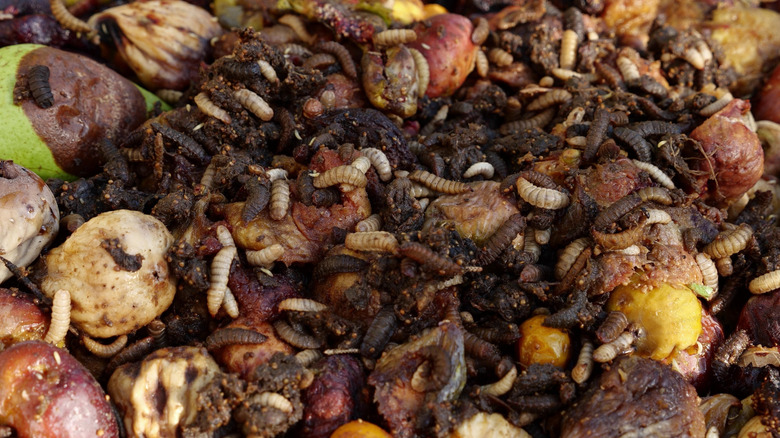
Another method that uses helpers is black soldier fly (BSF) composting. BSFs in the larval stage are decomposers and will feed on different types of organic matter, such as kitchen waste and manure. They break the matter down through digestion and produce high-quality compost. Putting together a farm for BSF composting does take a little effort, as you will need a bin, a nest, and a drainage pipe. However, once it gets going, it is pretty low-maintenance. If you plan to put your BSF bin outside, make sure the larvae will survive in your climate.
Trench composting
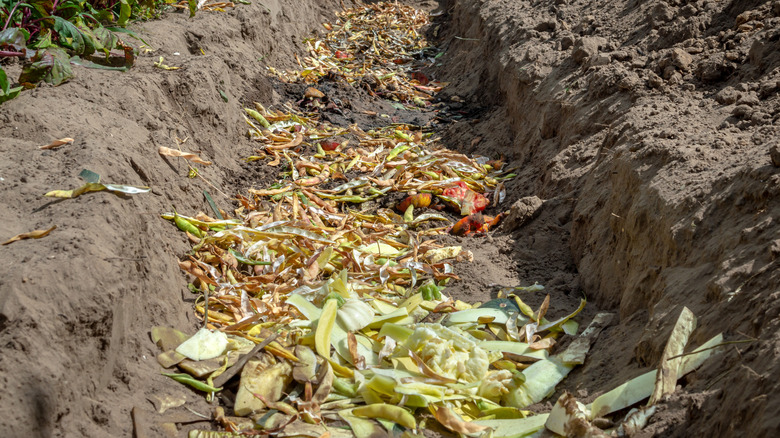
Trench composting refers to burying organic matter in lines in the garden. It is pretty simple: all you need to do is dig a trench about 18 to 24 inches deep, then fill the bottom 6 inches with your waste. You then cover it up with soil. You can create a trench compost at any time of year, but it does take a while for the organic matter to decompose completely. This method is good if you want a low-maintenance option, as it doesn't require turning. However, it does mean you need free soil space.
Com-posthole-ing
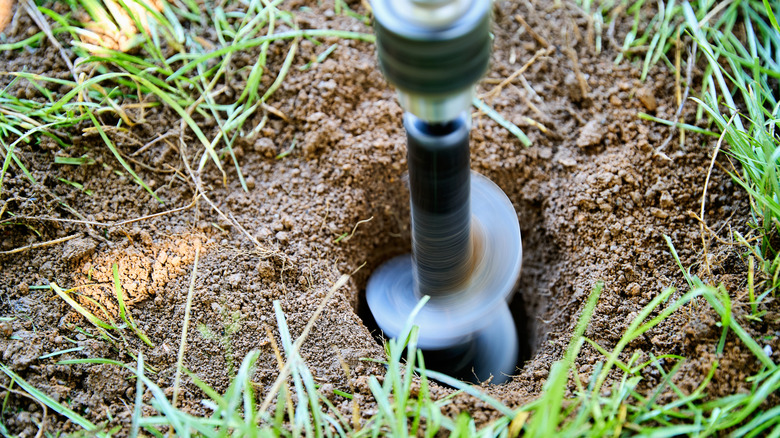
Com-posthole-ing is similar to trench composting, as you are putting your organic waste directly into the ground. However, instead of creating a long trench, you are using a post-hole digger to add holes in your yard. You then fill them with organic matter and cover the tops with soil. This method is great if you are low on space, and it allows you to compost small amounts of waste straight away. You can also dot the holes around crops, shrubs, and trees, allowing the organic matter to support the plants you already have.
Lasagna composting
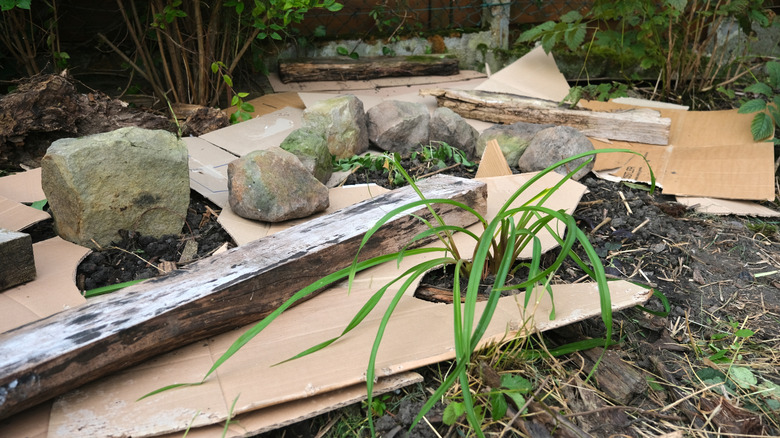
As you can probably tell by its name, lasagna composting is all about layering. It involves layering cardboard with compostable materials on top of the soil, using a mix of brown and green compost alternatively. A benefit of this method is that it suppresses weeds and protects the soil. It takes around six months for the lasagna composting spot to decompose and be ready for planting. This means that it is only really suitable for people who have enough space. Furthermore, this method might not work well if you live in a very warm or very wet climate.
Compost tumblers
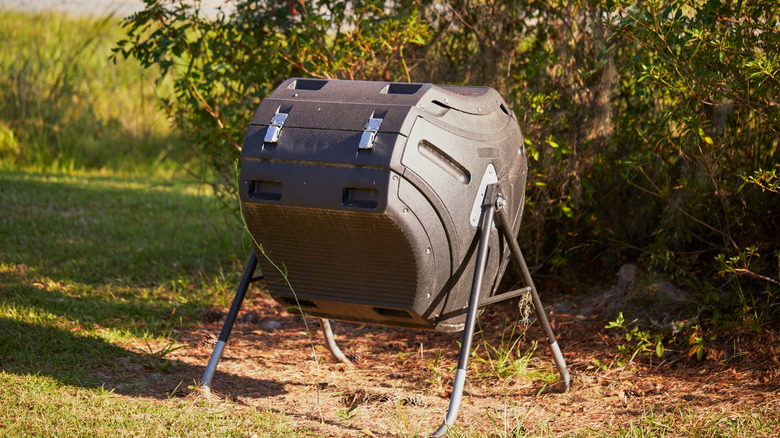
Compost tumblers are designed with ease of use in mind. They are rotating barrels that bring oxygen into the compost to speed up decomposition, and there is a huge range of these tumblers available. They are great for people who may not be able to turn their compost pile with a fork. Plus, they make composting faster. However, they can be pretty expensive, especially if you want one that lasts and holds a fair amount of compost. You will need to remember to rotate it regularly, too!
Leaf mold composting
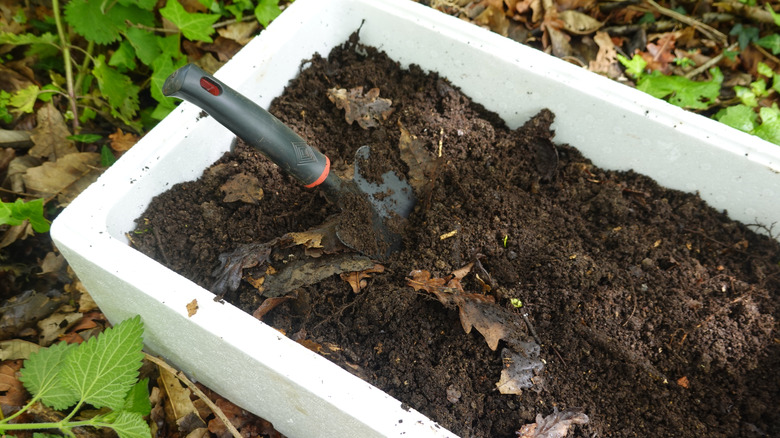
If there are always too many fallen leaves in your yard, you can put them to good use by making leaf mold compost. This type of compost is slightly different from your usual compost, as instead of having a mix of brown and green materials, it's just brown materials. This means that it is not that nutrient-rich and is used mainly as a soil amendment. It takes six months to around a year to decompose, and then it can be used in the garden to improve the soil, support beneficial bugs and fungi, and control weeds.
Hugelkultur
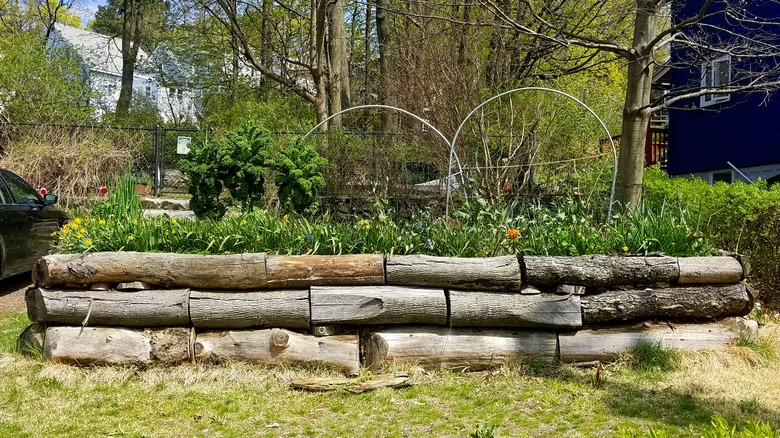
Hugelkultur is a German and Eastern European gardening method that dates back to the Middle Ages. It refers to the technique of creating a raised, sloped garden bed that contains organic materials, wood, and soil. The bed will decompose the organic materials and wood to create a high-quality, low-maintenance planting spot. Hugelkultur does take a bit of work, as it means you have to either build raised beds or dig trenches for Hugelkultur rows. However, if you are looking for a project, this composting method may be perfect for you!