

How Much Energy Can You Save With Motion Sensor Lights?
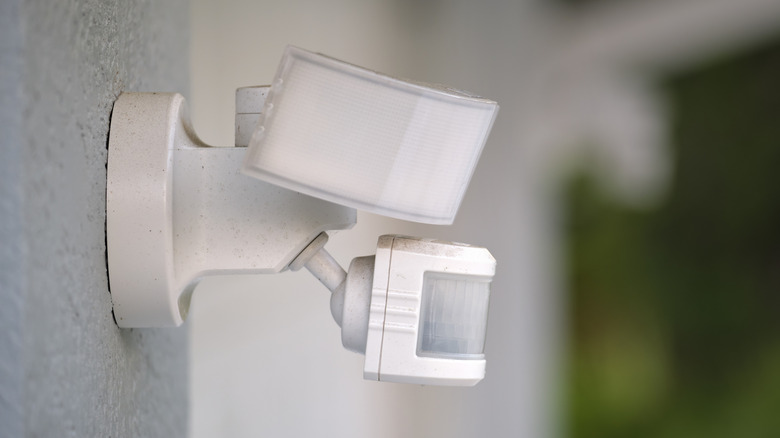
If you're wondering how much energy you can save with motion sensor lights, the answer might surprise you. If cutting down on your home utility bills is important, switching to automatic sensors can often slash your energy use by between 35 and 50%. This reduction happens when the lights only turn on when there is someone in the space. One major way people waste energy every day is forgetting to turn the lights off when they walk out of a room, and motion sensor lightbulbs and fixtures solve this issue.
They work as an automatic assistant, making sure the lights turn off after a set amount of time with no activity. This prevents lights from being on in an empty room for hours. When you combine this technology with different types of LED lightbulbs, which use considerably less energy than incandescent or CFL bulbs, you'll have a system that cuts down on energy use even further. LED lightbulbs last longer, so you can also save money by not buying them as often. Automating your lighting can help also help the environment by reducing the need for power. Motion sensor lighting, whether in a motion sensor system or a simple screw-in bulb, is an excellent choice for both indoor and outdoor lighting.
The technology behind motion sensor lights
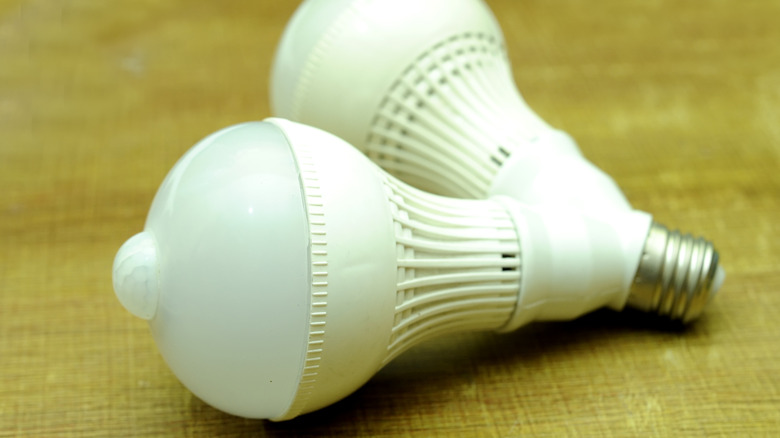
The effectiveness of these lights comes down to sensors that detect movement, which only allows the lights to turn on when needed. These sensors work through a few different methods, but they all share the same goal of reducing your energy costs at home. Passive infrared (PIR) sensors are one common type. They detect the heat given off by a person to turn on the light. Other sensors use high-frequency signals like ultrasonic or microwave detection to sense movement. Microwave sensors are very sensitive and can even detect movement through walls.
Once the sensor registers that movement has stopped for a set amount of time, it automatically switches the light off. Some products use two types of sensors, which improves their accuracy and helps prevent the light from turning off while you're still in the room. Regardless of what kind of sensor is used, you can save on your utility bill by using motion sensor lights inside or outside your home.
Maximizing savings by installing motion sensor lighting in the right places
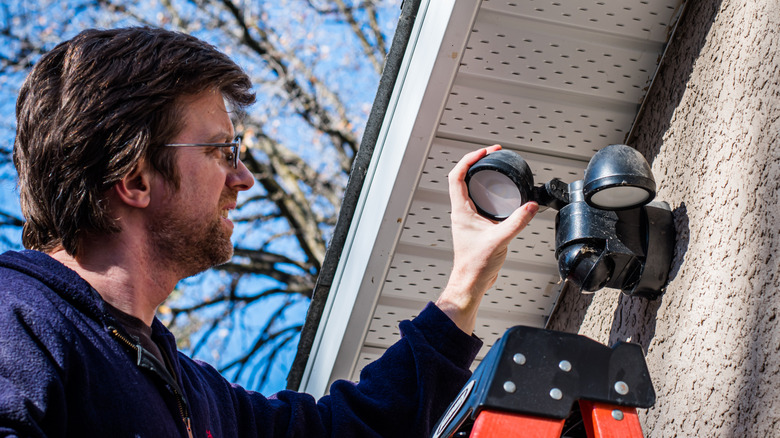
If you want to get the most savings out of motion-activated lighting, choosing the right spot for installation is important. Consider the rooms where you're likely to accidentally leave the light on most often — these will probably be spaces that see a lot of quick visits, like closets, storage areas, basements, and hallways. Motion sensor lights are also used outdoors, where screw-in motion sensor bulbs can replace standard bulbs, providing safety in areas like driveways, garages, walkways, and entryways.
For an average household, installing motion sensor lights with LED bulbs can result in yearly savings as high as $225. Because the initial cost to buy and install the sensors and bulbs is fairly low (motion sensor lights can cost approximately $30, while a hardwired fixture can range from $10 to $300 per light), many systems start paying for themselves through energy savings within 18 months to 3 years. While these lights are an excellent choice for areas of occasional use, they usually aren't the best fit for living rooms, home offices, or kitchens. These are spaces with lots of activity where people stay for an extended period of time, and the on-and-off cycling of the lights could negate any savings and be distracting. Installing motion sensor lights in the bedroom could cause sleep disruptions and make you feel self-conscious about moving around too much.