

The Types Of Driveways That Are Easiest To Shovel Snow On
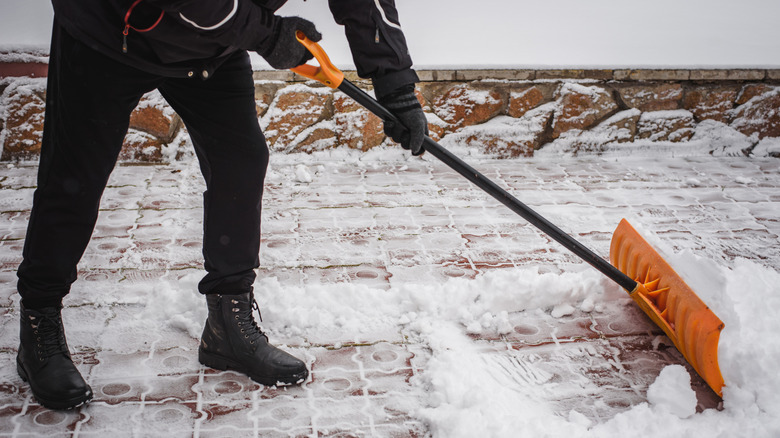
If you live in an area where snow is common, you're likely familiar with the hassles of removing it. It's a physically demanding task that takes a long time. If shoveling is a concern, it can quickly take away from the serenity many people feel when watching a gentle snowfall. When looking for simple ways to make driveway snow removal easier, you might try buying a snowblower or adding ice-melt products. However, if you're planning to build a new driveway or replace your existing one in the near future, you might consider materials and designs that make snow easier to shovel and remove.
The easiest driveway design for snow shoveling and removal is a heated driveway. In fact, with this design, you might not even need to shovel, as the system helps keep the entire surface free of snow. Heated driveways either use circulating hot water or radiant electric heat to melt the snow as it falls and lands on the surface. You can use a heating system underneath many driveway surface materials, such as concrete, asphalt, or paver stones.
Adding a built-in heating element significantly increases the overall cost of paving a driveway. The heating system alone can cost $3,200 to $8,700 to install. The average cost to pave a driveway is another $4,900. If a heating element isn't within budget, you can focus on using some other materials that can make it easier to shovel snow, like asphalt or shovel-specific pavers.
The best driveway material for snow removal is pavers
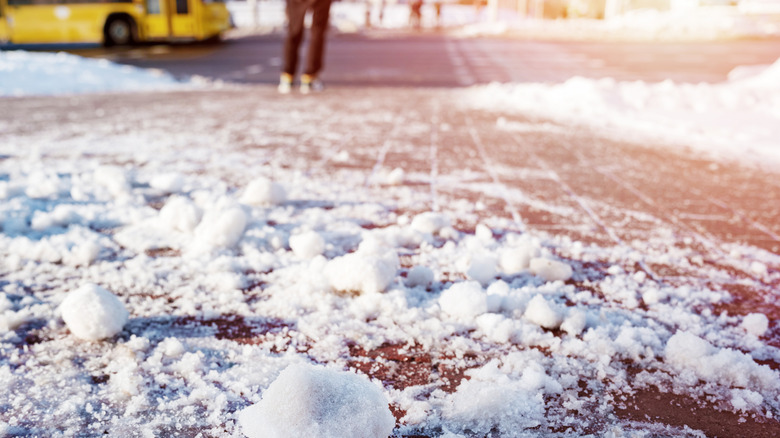
If you live in an area that experiences freeze-thaw conditions while also receiving frequent winter precipitation, paver driveways are among the best to simplify snow removal. A permeable paver layout is often the ideal option, as it allows water from melted precipitation to flow into the tiny spaces between the pavers to reach the base material. This design helps prevent ice from forming underneath the snow as it falls, making removal far easier compared to trying to chip a layer of ice loose after moving the snow.
If you're worried about snow removal, the best paver stones to use for your driveway are darker-colored stones. They will absorb sunlight before the clouds arrive, and they can retain some of that heat and stay slightly warmer as snow falls, potentially melting it and helping ease snow removal work. Additionally, pavers usually offer greater traction than other materials, meaning you won't slip and slide around as much while removing snow, making the process go faster while remaining safer.
When shoveling pavers, it's best to avoid using a metal snow shovel, which could scratch the surface and affect the aesthetic. A plastic shovel is recommended, and if it has a rubber tip or strip along the bottom, even better, as it should protect the pavers and help you avoid catching an edge of one of the stones. If you have pavers in the driveway that have shifted to create an uneven surface, you may want to repair them before winter arrives, creating a smoother surface for easier snow removal.
Why asphalt is better than concrete for driveway snow removal
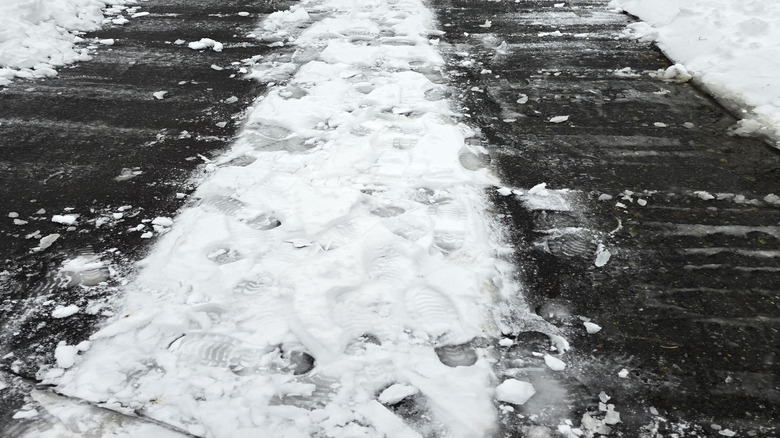
If you'd prefer using one of the two most popular driveway surfacing materials, you'll stick with asphalt or concrete. Asphalt is generally considered easier to shovel than concrete. It is a naturally dark material, which means it absorbs heat from the sun better than concrete. It retains this heat, which encourages snow melting. Even on overcast days, asphalt can absorb solar radiation, which creates a warmer surface temperature. Concrete has a naturally lighter color than asphalt, which means it's more likely to reflect sunlight, resulting in less heat retention.
Asphalt's porous configuration encourages snow to melt faster than concrete does, too, which reduces the chances of ice building up during falling snow. Any water that appears from the melted snow should drain away faster. It is also a flexible material that expands and contracts in varying temperatures, which inhibits a bond forming between the snow and the surface of the material. By contrast, concrete is rigid and can suffer cracks during the freeze-thaw cycle.
Many homeowners choose stamped concrete for its visual appeal, but this technique can further complicate snow removal. Avoid using metal shovels, ice chippers, or scrapers on the stamped concrete, which could gouge the surface. In some cases, hiring a snow removal professional may be necessary to keep the stamped concrete safe from damage.