

Not Daily, Not Monthly, These Things Should Be Cleaned Bi-Weekly
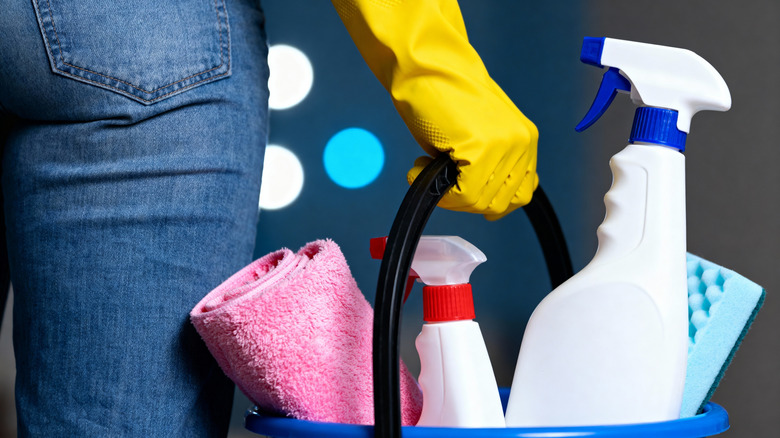
People usually do one of two things when it comes to cleaning their home: either they put it off, or they try to keep it spotless every day. The truth is that many areas around your home don't need that much attention. On one hand, you can't do them every day because of work and life. On the other hand, you don't want to put them off for an entire month. These are the in-between tasks that go unnoticed until dirt, germs, and goo rear their ugly heads. That's when adopting a bi-weekly schedule — every two weeks — is the sweet spot that can keep your home clean and sparkly, while giving you a break from every weekend or even daily cleaning routines.
A bi-weekly cleaning schedule hits the perfect cadence for areas that need regular, but not constant, care. Think about things you touch all the time, like sinks, sofas, hairbrushes, and stairs. These things get dirty quickly, but not so badly that you need to scrub them every day. Soap scum won't have the chance to stick to shower tiles, crumbs won't burn in the toaster, and dust won't have the chance to settle on window treatments. Keeping a bi-weekly rhythm will actually save time and effort since you're in maintenance mode. While there are plenty of things to do every week for a cleaner, more organized home, these areas do just fine with a little bi-weekly TLC.
Bedsheets
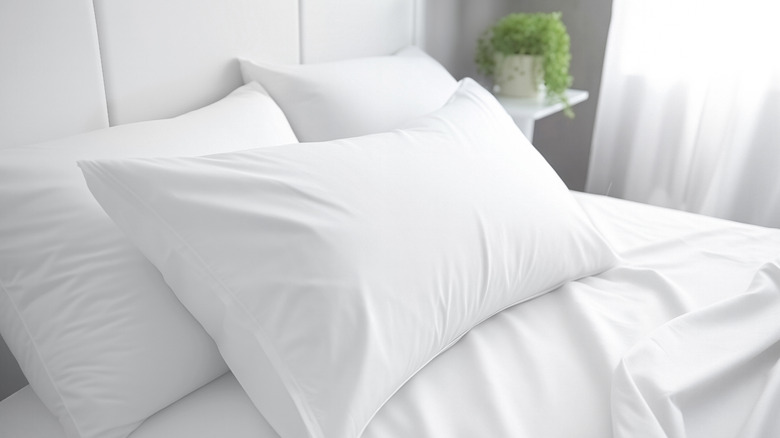
It sounds pretty gross, but bedsheets and linens collect oils, sweat, skin cells, and other microorganisms you'd need a microscope to see. Washing them every other week keeps your bed fresh and stops laundry from taking over your life. It also helps cut down on allergens and keeps your room smelling fresh. Although some think it should be more like once a week, keeping a bi-weekly routine is often way more achievable for many of us.
Toasters
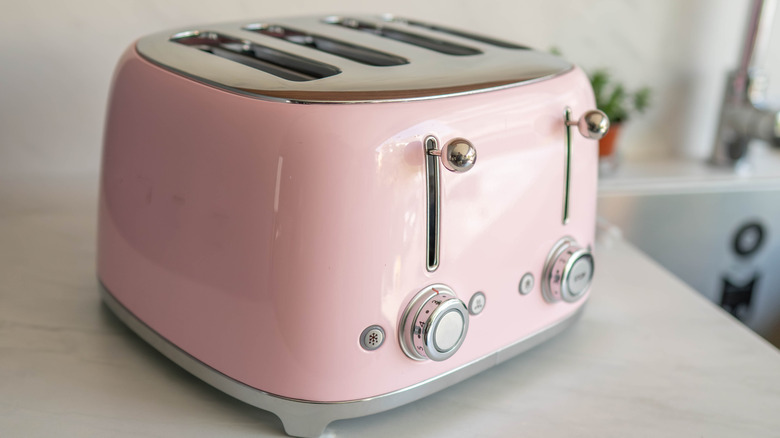
Toasters are one of those small kitchen appliances everyone should have, which are also easy to ignore. But giving them a quick bi-weekly cleaning helps keep crumbs from building up and burning. Every couple of weeks, unplug your toaster, empty the crumb tray, and shake it over a trash can to get rid of any loose crumbs inside. Don't forget to wipe the outside down to get rid of fingerprints and grease. Doing this keeps your toaster in tip-top shape.
Light fixtures

Light fixtures are quick to collect dust. Cleaning them every other week can help keep your house brighter and your air cleaner. A swipe with a microfiber cloth helps remove the extra layer of dust, grease, and dead bugs that make the lights look dirty. It's a small thing that makes a big difference in how your rooms look and helps your fixtures last longer without needing a heavy-duty deep clean.
Window treatments
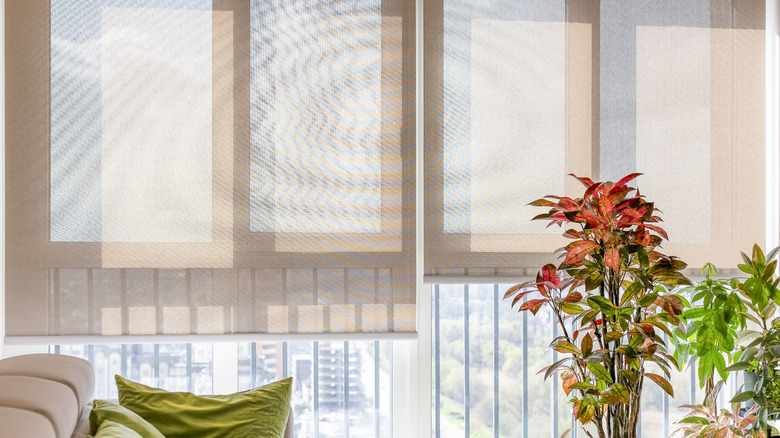
Window treatments, like blinds, shades, and curtains, along with the defining window treatment trends of 2026, are magnets for dust and allergens, making them ideal for a quick refresh every couple of weeks. Dusting or using a vacuum attachment helps keep dusty bits from becoming fixtures in your home and circulating from room to room. Keeping up with a bi-weekly routine saves you from a prolonged deep clean later.
Bathroom and kitchen sinks
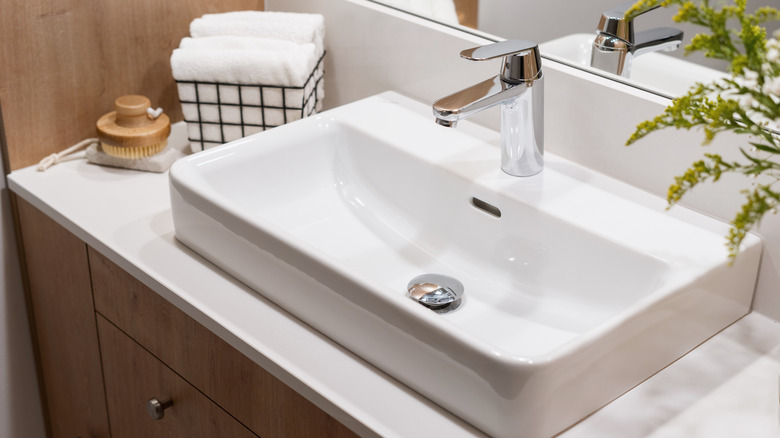
Sinks in kitchens and bathrooms get a lot of use, so cleaning them every other week is a good habit for keeping them looking and smelling good. In the bathroom, wiping down the sink and faucet gets rid of toothpaste, soap buildup, and hard water spots before they have time to become stuck. In the kitchen, a quick scrub washes away food, grease, and germs that hang around at the bottom of the drain.
Hair dryers
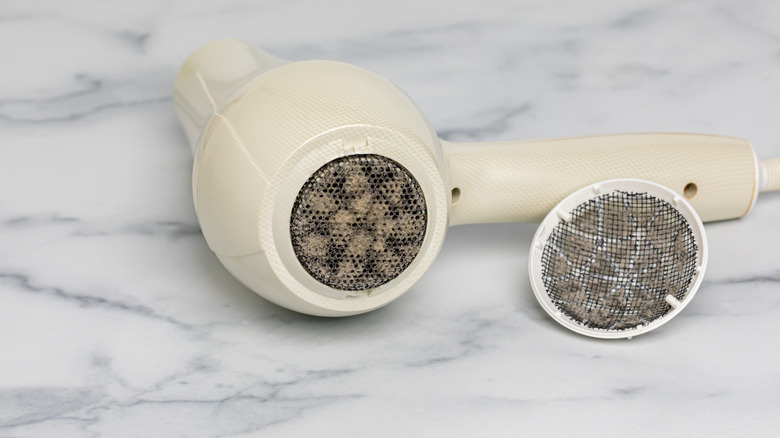
Hair dryers collect dust and lint, especially near the air vent. Clean them bi-weekly to remove anything that's trapped in there to keep the air flowing smoothly. This will also stop the motor from overheating, so it can do its one job quickly. Don't forget to wipe down the nozzle to remove any hair product residue that made its way to your dryer.
Showers
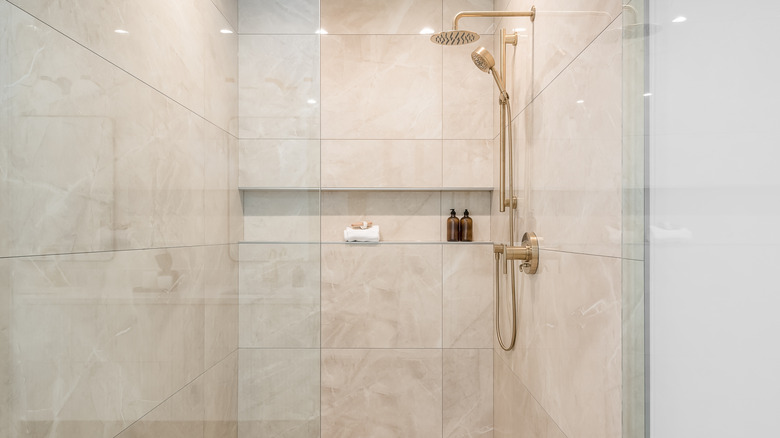
While they don't need an intense weekly cleaning, the inside of showers lands right in the middle of bi-weekly must-dos since they're constantly getting wet. Keeping up with this schedule will help stop soap scum and mineral drops from sticking to your shower. Plus, you'll stop mold in its tracks before it has the chance to invade your grout, which is much easier than having to remove and replace tile grout later on.
Large kitchen appliances
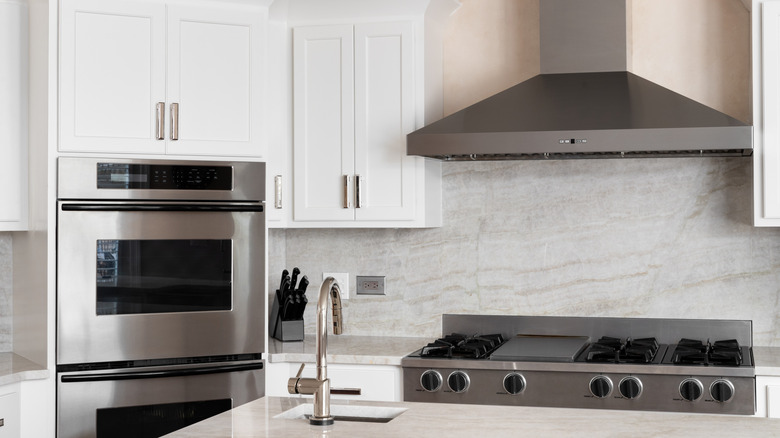
Kitchen appliances, such as ovens, stoves, dishwashers, and microwaves, are touched, splattered, and exposed to grease pretty much every day, so add them to your bi-weekly cleaning schedule. You'll keep fingerprints, crumbs, and food from turning into a sticky mess that insects can't wait to dominate. Pay extra attention to the spots you touch most, such as handles and control panels. This might also be a good time to wipe down the inside of your fridge, which is probably not as spotless as you'd like.
Washing machines
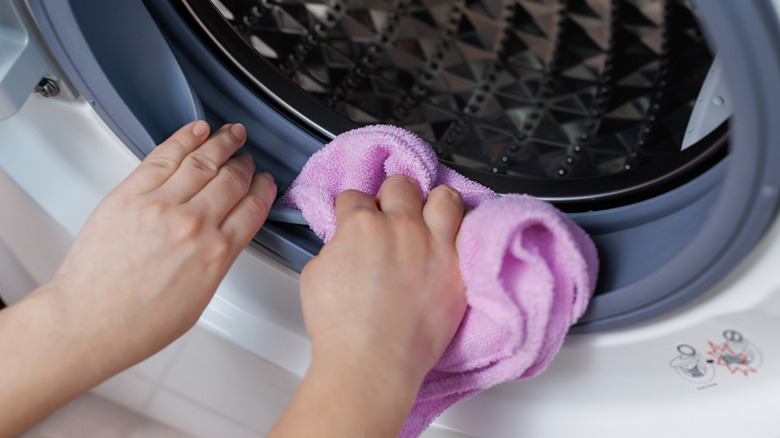
When you want to keep your washing machine doing its job like a champ, it's important to practice bi-weekly cleaning. Those who own a front-loading washer may be horrified by what gets stuck in its rubber seal, and top-loaders aren't completely immune to it either. Over time, these icky bits can cause a musty smell you likely don't want on your laundry. Keeping the rubber seal free of grime and debris will make your appliance last even longer. Pro Tip: Consider leaving your front load washing machine open between washes to prevent mold and mildew.
Stove hood filters
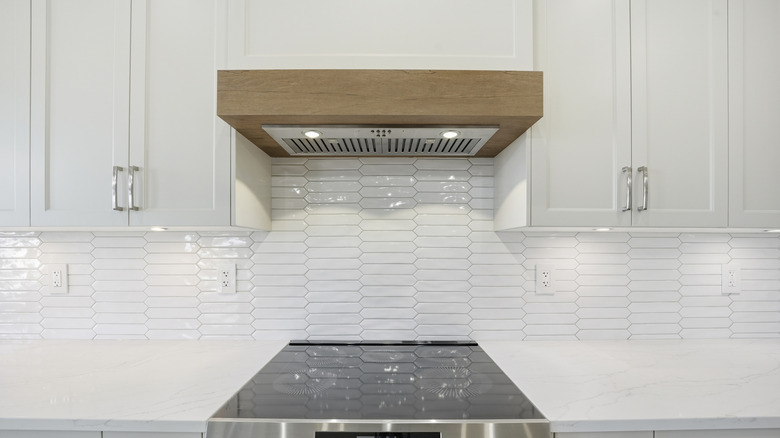
Stove hood filters work extra hard to trap grease, smoke, and cooking odors, making them an excellent candidate for bi-weekly cleaning. Wipe the inside and outside of the hood with a degreaser — or even just soapy water — to remove stuck-on muck. If you have a removable filter, give it a soak and scrub as well to keep fresh air flowing effortlessly through it.
Sofas and couches

Sofas and couches see a lot of traffic and are havens for dust, crumbs, pet hair, and skin oils. That's exactly why you should vacuum it or use a lint brush every two weeks. No matter how much you may not want to lift them up, pay attention to underneath the cushions and pillows, where stuff seems to disappear. If your sofa is upholstered, spot-treat any stains. For leather or faux-leather, a quick wipe-down keeps them looking fresh.
Hairbrushes
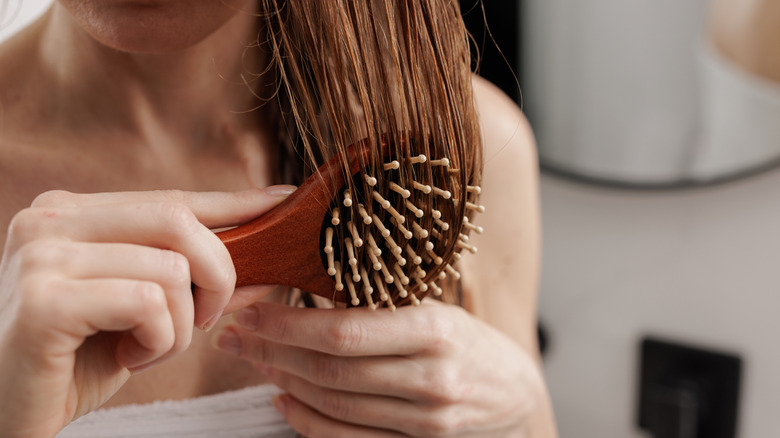
If you're like us, cleaning a hairbrush isn't something you think about, much less actually want to do. However, they get pretty filthy — fast. Twice a month, remove any loose hair stuck in the bristles, then soak the brush in soapy water. Cleaning it often helps prevent bacteria and old hair product residue from going back into your hair and scalp. Your hair will thank you for it.
Staircases

Staircases are definitely high-traffic areas that should be cleaned bi-weekly. Vacuum or sweep the steps, focusing on the corners where dust and debris like to go. Wipe down the handrails to get rid of fingerprints, and clean up scuff marks on the stairs. Doing this regularly makes the job so much easier, plus, it makes the stairs safer by removing any slippery stuff that can be tracked through your home.
Deep clean floors
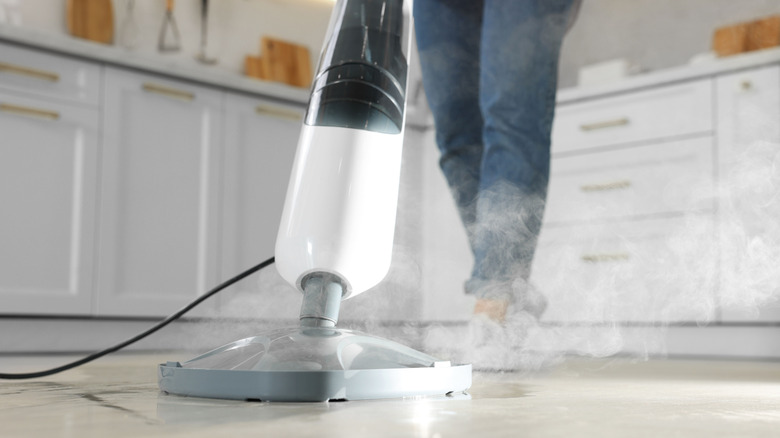
While vacuuming rugs and sweeping floors should be done regularly, a deeper clean every other week keeps them extra fresh. Mop hardwood floors to pick up dirt and grime that vacuuming might have missed. Focus on corners, under furniture, and high-traffic areas, since those spots tend to accumulate the most buildup. This schedule not only keeps your floors cleaner, but it also keeps your home's air even healthier.
Deal with clutter
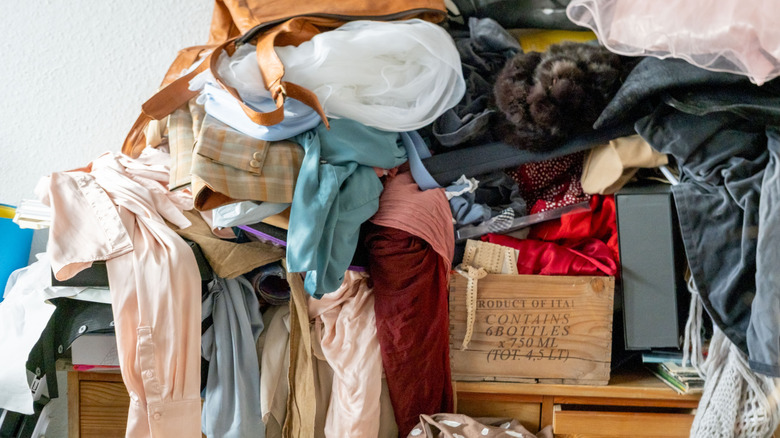
Taking stock of the stuff around you is a good practice to get into every other week. Clutter is one of those things that accumulates fast and can take over your home if not kept in check. Every two weeks, check countertops, tables, closets, and other areas of your home for stuff that's just taking up space. Sort through papers and put things back where they go. It's an easy way to make your home feel more organized and less overwhelming.