

9 Common Holiday Plants That Are Actually Toxic To Pets
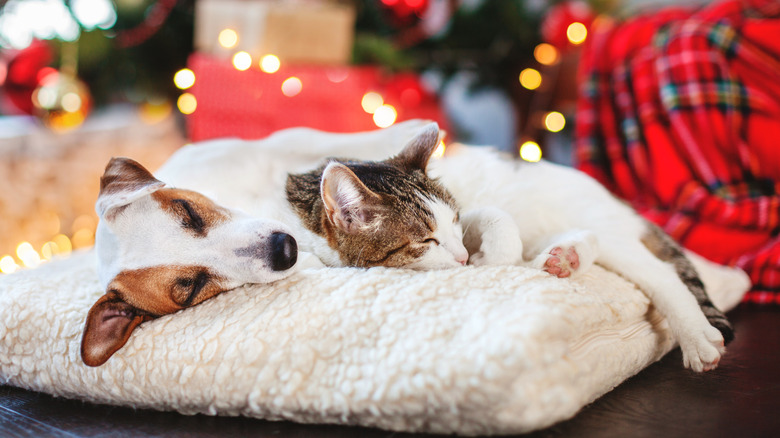
Are you considering going beyond the typical holiday décor by adding some live plants to your home? This is certainly a fun way to mix up your gardening and holiday decorations, but it may not always be a good idea when you have cats, dogs, or other animals around your home. There are numerous trees and potted plants that might seem harmless to pets — unfortunately, several are quite the opposite. It's certainly important to know about the common plants to avoid in your garden if you have pets, but don't neglect the potential dangers of indoor plants. Before you deck the halls with your favorite seasonal greenery or flowers, check out the following list of common holiday plants that may be toxic to your beloved pets (and be sure to "check it twice" for the holidays).
When a curious cat or a bored dog decides to check out a seemingly innocuous plant, they might nibble on parts of the leaves, stems, or fruits and accidentally ingest it. The larger the amount they ingest, the more serious the health effects. Some of the aesthetic benefits of common holiday plants simply aren't worth taking the risk when you have fur babies running around. If you already have some of these holiday plants, make sure they're kept out of reach from curious animals. You'll also want to be mindful about giving these plants as gifts to any of your loved ones who have pets.
Amaryllis is particularly toxic to cats
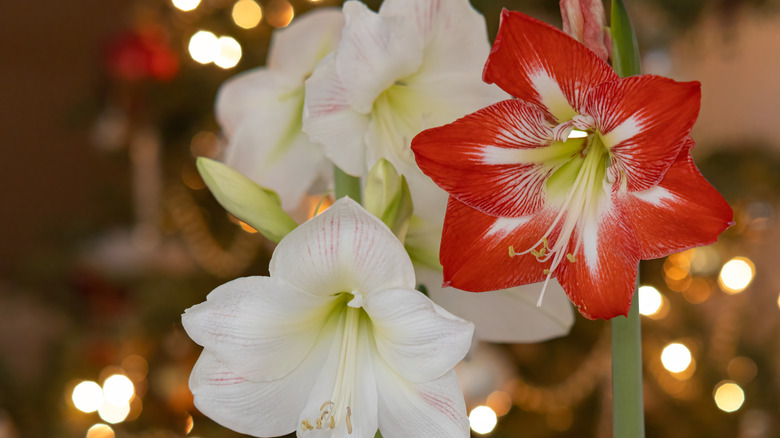
There are numerous types of amaryllis (Amaryllis belladonna) plant cultivars, with many of these pretty lily-like flowers planted in outdoor gardens. Around the holidays, though, you're most likely to come across hybrid houseplant varieties belonging to the Hippeastrum genus. Before you leave your potted amaryllis plant unattended, make sure it's not accessible by any feline residents in your home. The plant emits an alkaloid called lycorine, which is toxic to dogs and horses, but even more so to cats. Impacted pets may experience tremors, salivation, diarrhea, and loss of appetite.
Live Christmas trees can make your pets sick
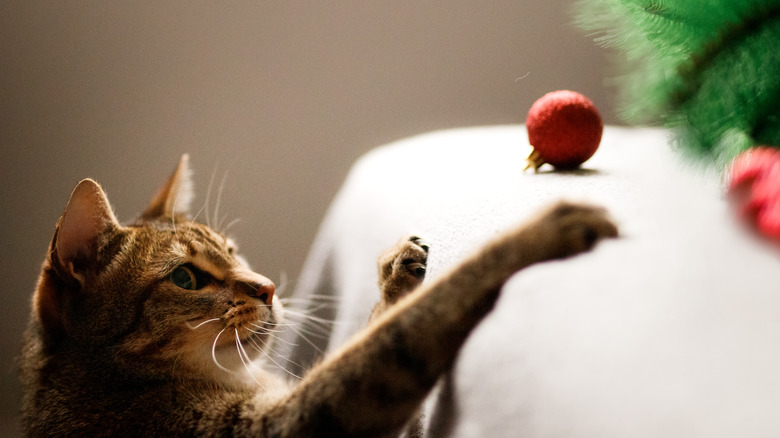
Christmas trees are not usually very deadly to pets, but they can cause some significant health problems. If you decide to bring a live version in your home, you'll want to carefully monitor your pets and make sure they are safe around your Christmas tree. Curious cats and dogs who might chew on the branches may get sick after ingesting the needles and sap. Large amounts can cause gastrointestinal upset, and even obstruction in more severe cases. The additives used in tree water contains chemicals that can make your cat mildly to seriously ill, as well, so make sure they can't drink from the base of the tree.
Holiday cactus may cause side effects in pets
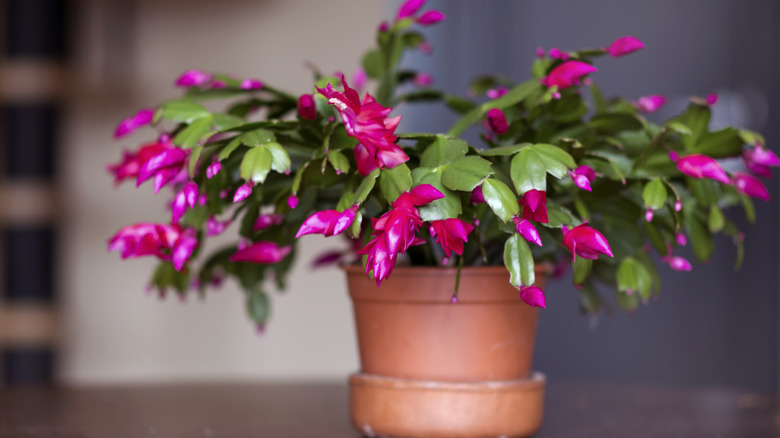
Also nicknamed "Thanksgiving cactus" or "false Christmas cactus," the holiday cactus (Schlumbergera truncata) is a plant that flowers around the early winter. You're most likely to see these in hanging baskets or decorative containers, and they also makes for popular gifts. While the holiday cactus is technically non-toxic, its fibrous stems may still cause symptoms in pets who ingest it. Cats and dogs might experience depression, loss of appetite, and gastrointestinal distress.
Holly can be toxic when eaten in large amounts
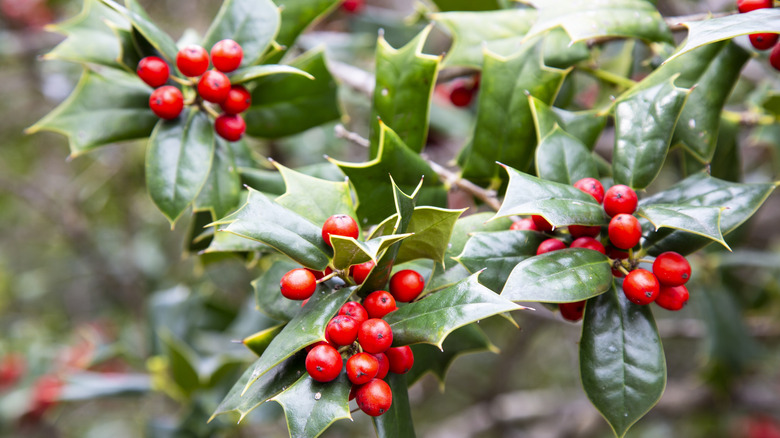
Holly (Ilex) can be dangerous to pets thanks to its leaves and red fruits. Most cultivars contain compounds called saponins, which is considered toxic to both pets and humans. Like other types of plants, the risk appears to be greatest when your cat or dog eats large quantities. While this might not be as likely with holly due to the spiky texture of the leaves, it is still a possibility to consider. If your pet is impacted, you might notice general gastrointestinal upset, or even neurological effects like shaking or tremors of their head.
Lilies are particularly toxic to cats
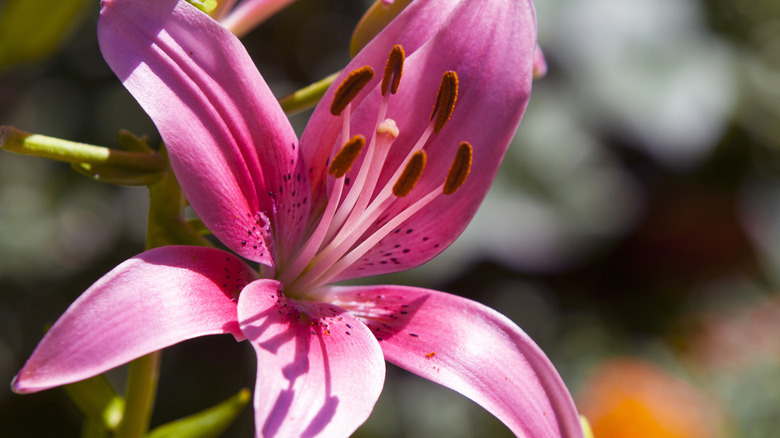
"Lily" is an umbrella term to describe a variety of fragrant flowers grown from bulbs that you might see blooming in gardens between spring and fall. Certain cultivars are also grown in planters and cut for bouquets around the holidays — especially true lilies (Lilium). You should skip lilies if you have cats, though, as their leaves or petals can cause fatal kidney failure within just a few days. Lilies are in fact so toxic for cats that even exposure to their pollen may be poisonous to your feline family members.
Paperwhite narcissus is toxic to both cats and dogs
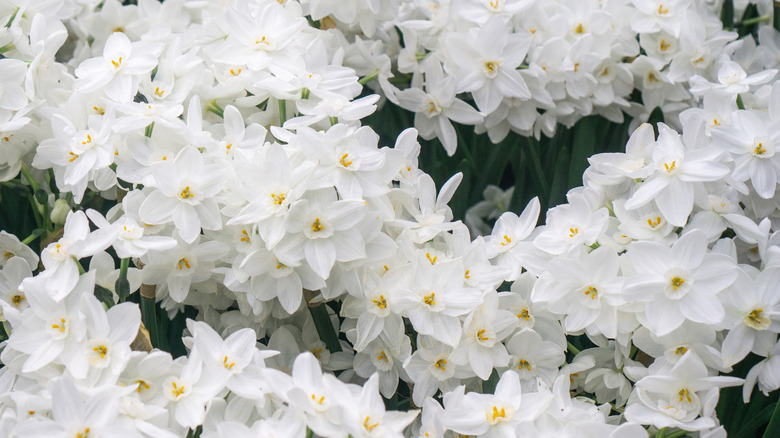
Paperwhite narcissus (Narcissus papyraceus) are other types of popular holiday plants that may even be considered alternatives to poinsettias due to their subtlety. Also nicknamed "paperwhites," these plants are unfortunately trouble for both cats and dogs. All parts of the plant (but especially the bulbs) contain lycorine alkaloids, which are harmful when ingested. An exposed pet might experience gastrointestinal issues, sudden neurological problems, and unexplained fatigue.
Poinsettias can cause gastrointestinal upset in pets
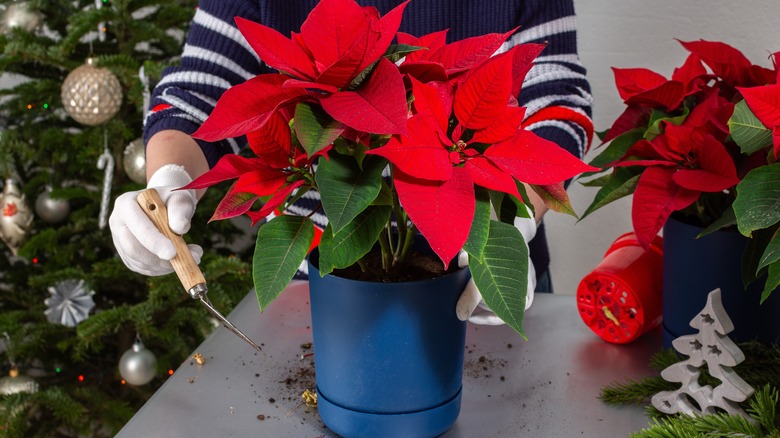
Poinsettias (Euphorbia pulcherrima) are commonplace around the holiday season. It's their very ubiquity that has led to some misconceptions about their level of toxicity, though. While poinsettias are not poisonous (and are certainly not lethal to pets), they can still cause a variety of side effects when ingested. If your dog or cat happens to eat any part of your poinsettia, they may experience temporary gastrointestinal upset due to the plant's sap, which can irritate human stomachs, as well. As such, poinsettias should not be left on kitchen counters just in case the sap gets in your or your pets' food.
Mistletoe is possibly fatal to pets who ingest it
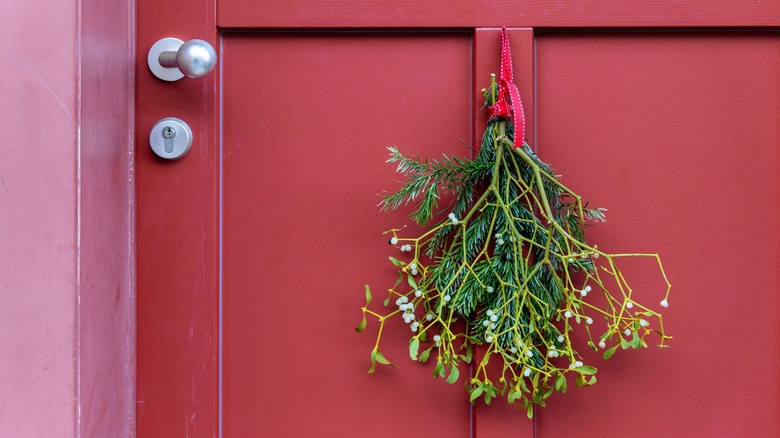
Mistletoe can be a festive addition to your home's décor for the holidays, but it can also be a dangerous one if you have pets. While all major varieties can be toxic to cats and dogs, the popular European mistletoe (Viscum album) is particularly dangerous. The consequences of ingestion can range from mild gastrointestinal upset to low blood pressure, heart problems, and seizures. Larger amounts may even be deadly.
Yew is highly toxic to all animals in and around your home
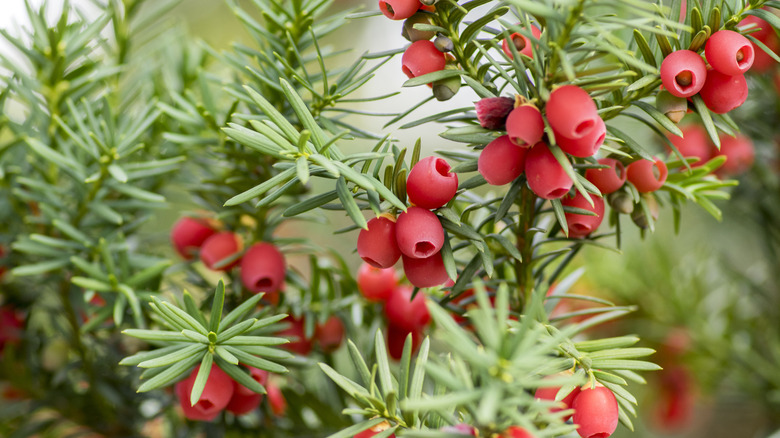
Yew (Taxus) are small evergreen plants that are common holiday decorations due to their dark needles and small red berries. Before you adorn your home with yew plants though, you need to be aware of the toxicity they pose to pets. These are highly toxic to any human or pet who accidentally ingests any part of the plant because of their poisonous taxine alkaloids. Exposure can lead to breathing problems, aggression, seizures, and death, which would be the worst Christmas present.