

The Most Obvious Way To Stop Lizards From Getting Into Your Home
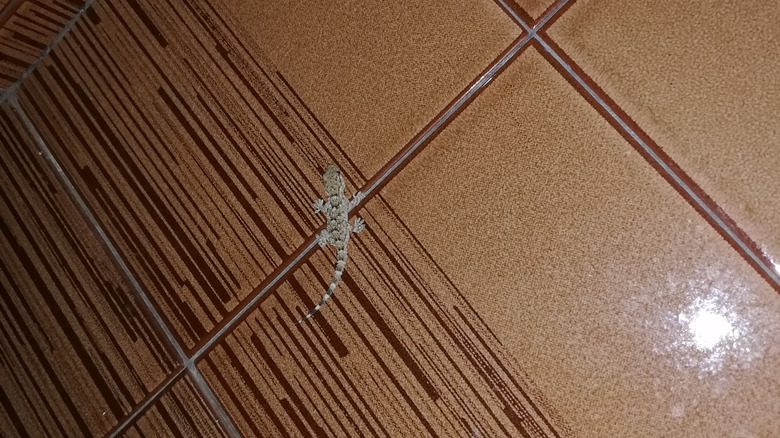
Lizards: Depending on your personality, you might love them, hate them, or just be indifferent towards them. These reptiles are quite diverse, with at least 6,000 known species in the world, and counting! Lizards are undoubtedly important to the ecosystem, but they are not desirable to have in your home. In fact, multiple lizard sightings indoors not only mean they have found possible food sources (i.e., insects), but they can also spread harmful bacteria, such as Salmonella. Plus, if you have a cat, there's a good chance they'll bring you a dead lizard as a "present." To prevent lizards from taking up residence in your home, you should consider how they're getting inside in the first place, and then seal up any cracks and gaps you find.
Similar to dealing with other types of unwanted pests inside your home, exclusionary methods are the key to limiting lizard access. Sometimes, a wayward lizard might sneak inside when someone opens a door or window. If you happen to live in an area with a lot of lizards out and about, having an occasional reptile trespassing in your home in this way might be unavoidable. If you do spot a lizard in your house, you might need to trap and release it, if possible. What you can control, however, are unintentional openings around your home that allow lizards to come inside via other avenues. As a rule of thumb, any opening at least ¼ inch long is big enough for lizards to crawl through, according to the University of California's Integrated Pest Management Program.
Locate and seal cracks to help lizard-proof your home
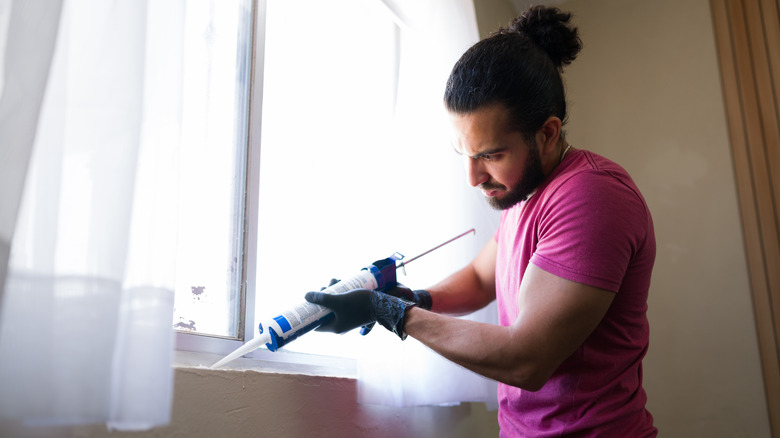
Take a walk outside the perimeter of your home and look carefully for any tiny openings. This includes cracks in the foundation and around soffits and windows, as well as open gaps underneath doors, around pipes, and near vents. Once you have identified openings that lizards might be using to access your home, you can then seal them up with caulk or insulation as appropriate. Pieces of wood might also work in a pinch to keep lizards out of areas such as gaps underneath doors. Just keep in mind these will not deter other types of pests like rats and mice, as these rodents can eat through such materials. It's also a good idea to install screens around all of your windows and doors if you leave them open for any extended period of time.
If lizards still remain a problem despite taking measures to seal cracks around your home, consider seeking professional pest control for help. They may be able to identify small areas you might have missed and help you seal these up. It's also possible that the reptiles may have been inside for quite some time and have laid eggs, which is another situation that a pest expert can help you resolve. Once you've excluded lizards from your home, it's also important to keep it clean of clutter and debris to prevent bugs and subsequent predators from lurking about. Due to their natural pest control benefits, consider not getting rid of lizards in your garden, though.