

How Long Will Your Electric Water Heater Last? Here's What We Know
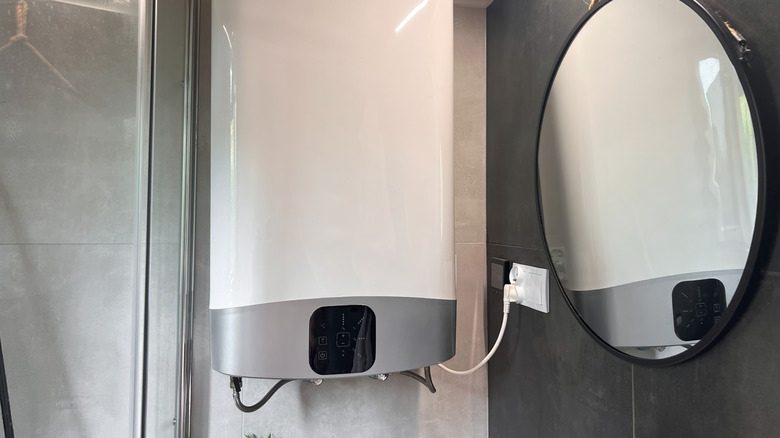
If you're wondering whether it may be time to replace your water heater, you've likely already had it a while. Before it begins to break down and cost you money in repairs, get out that warranty or purchase receipt and check how old it is. As water heaters age, they become less energy efficient, taking longer to heat water. Mineral deposits can clog the heating elements, which further reduce efficiency and may lead to corrosion that eventually requires replacement. Water heaters last between eight and 20-plus years. Determining how long your water heater will last depends on the fuel source it uses and the design.
A tank-style electric water heater should last between 10 and 15 years with proper maintenance. This is longer than the typical gas water heater lifespan, which is eight to 12 years. One reason an electric tank-style water heater lasts longer than its gas-fueled counterpart is because the electric-powered heating element causes less stress on the materials in the tank. The gas burner creates intense heat that slowly weakens the metal in the tank over time. A tankless water heater should last 20 or more years, regardless of the fuel source. To determine the age of your unit, look for the manufacturer's label on the outside of the tank. If it doesn't have a manufacturing or installation date, search for the appliance's serial number online.
Signs your electric water heater is showing its age
The typical cost to buy a new electric water heater ranges from $800 to $1,500 with installation. You won't want to be spending this kind of money unless you're sure your existing appliance is failing. One of the clearest signs your electric water heater is nearing the end of its lifespan is an unexplained increase in your power bill. Water heaters use about 18% of your home's energy, according to the U.S. Department of Energy. Older electric water heaters can use up to 50% more energy than they did when new, bumping up your energy bill.
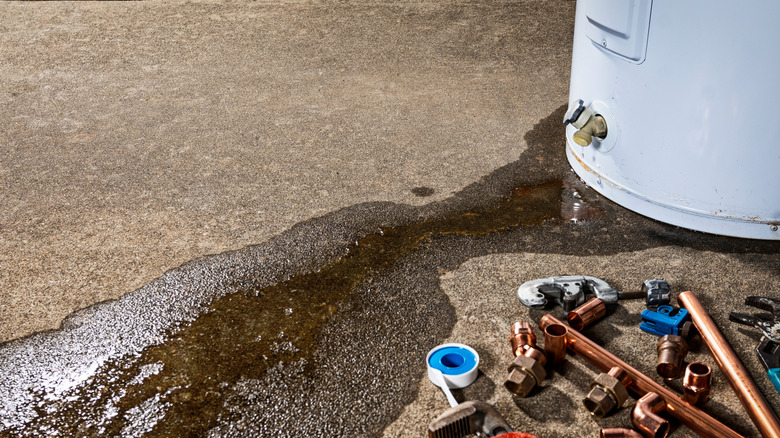
An electric water heater that suddenly stops providing enough hot water to meet a family's demand is another sign the appliance is on its way out. The water heater might have a burned-out heating element or a wiring problem. Fluctuating or inconsistent water temperature may be caused by similar faults. A leaking tank on an electric water heater is a sure sign that replacement is close. If the heating element in the electric appliance fails, it may cause the threads on the connection to give out, leading to leaks. If you see a leak, shut off the power and water supply, empty the tank, and call a professional. They'll inspect the unit and recommend a repair or replacement.
Ways to extend the life of your electric water heater
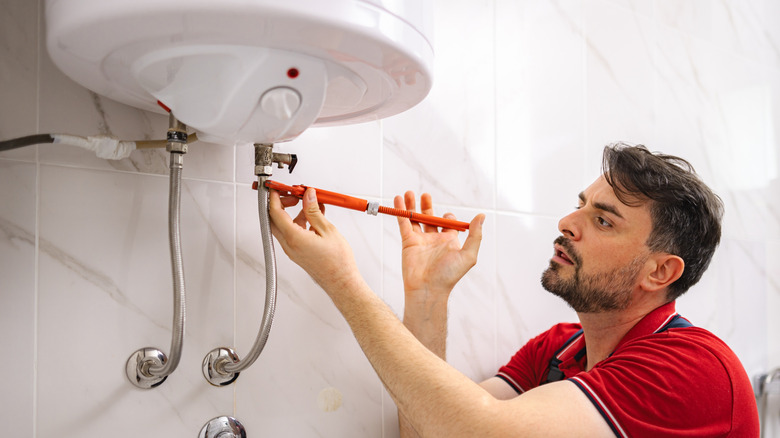
A common electric water heater mistake that shortens the lifespan of your appliance is failing to maintain it regularly. Even though electric water heaters are less complex than their gas-powered counterparts, they still need servicing. Inspecting the power connection is of particular importance. If any part of the electrical system in the unit is failing, it can cause inconsistent water temperatures. You (or a technician) should check for loose, damaged, or frayed wiring, which is most common near the thermostat or heating element.
The tank needs to be flushed once a year to remove sediment buildup and prevent the heating element from overheating and failing. The condition of the anode rod needs to be checked regularly, too. Replacing it before it completely erodes will prevent rust inside the tank. Another issue that can shorten the lifespan of the electric water heater is the quality of the water running through it. Hard water — particularly a problem for households in Indianapolis, Las Vegas, Minneapolis, Phoenix, San Antonio, and Tampa — negatively affects the appliance's lifespan. Installing a household water softener eliminates limescale and could double the lifespan of the water heater. However, water softeners can also speed up the corrosion of the anode rod, so be prepared to replace this component more frequently.