

Mistakes You're Making When Choosing A HVAC Air Filter (And How To Choose The Right One)
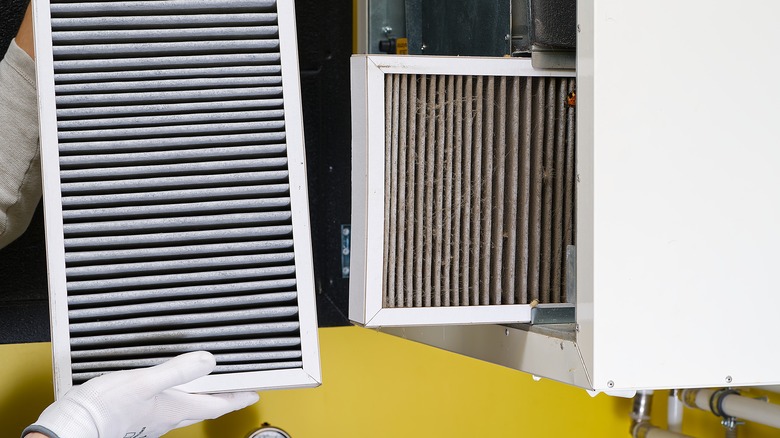
When you think of your HVAC system, you'll probably think of your furnace and air conditioner first. Your air filter may not get much praise, but it's just as important as either of those juggernauts to your comfort and energy consumption. The only issue is that most homeowners view their HVAC filters as simple, interchangeable consumables that can be replaced with anything cheap and available. Unfortunately, the wrong air filter choice can restrict airflow in your HVAC system, reduce your energy efficiency, and decrease your indoor air quality, which may affect your health.
Now, there are many mistakes homeowners make while buying air filters, and some of them have huge impacts on your HVAC system's lifespan, energy efficiency, and indoor air quality. We'll go through some of the most common and avoidable ones and explain how to choose the right air filter for your HVAC system. A little more thought into your choice of air filter would go a long way for your home and wallet.
Choosing the wrong filter type can reduce air quality in your home
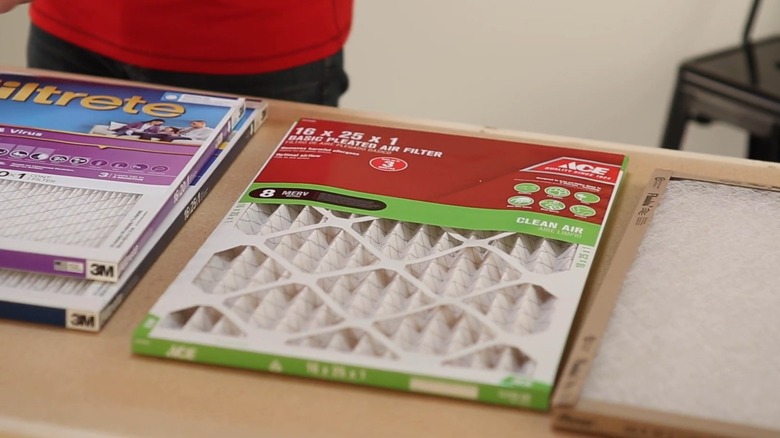
One thing many homeowners don't realize is that there are different types of air filters with varying capabilities. They include fiberglass, pleated, HEPA, and electrostatic filters. The most basic are the fiberglass air filters. These filters trap large particles while letting smaller ones like pollen and pet dander through. Pleated filters are better, as they can trap pollen, pet dander, and dust mites. Electrostatic filters employ an electric charge to trap particles, while HEPA filters are very effective and capture even some bacteria.
Understanding the different types of air filters available is necessary to make the right choice for your home. Check what types of air filters are available and do some research on how much they filter out. Use that information to make your decision about your choice of filter. If you need better air quality in your home, pleated filters might be a better option than run-of-the-mill fiberglass filters.
Choosing the wrong filter size can render the air filter useless
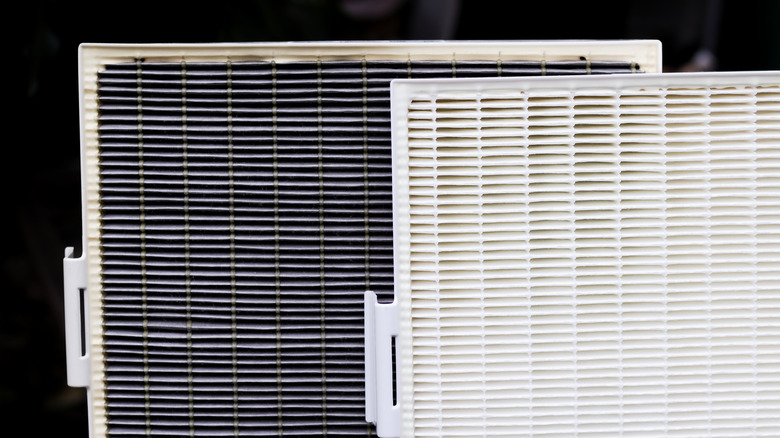
Buying the wrong size of air filter is one of the most common mistakes homeowners make when it comes to HVAC maintenance. Many people head to the store, purchase a filter that looks close enough, and slot it into their HVAC systems. Sometimes, they are smaller than the system requires, causing the air to flow around the filter entirely, circulating dust and pollutants throughout the home. On the other hand, they may stuff an oversized air filter into the system. This can reduce the airflow in your HVAC system, making it work up to 40% harder than it should, accelerating wear and increasing energy consumption.
To avoid getting the wrong filter size for your HVAC unit, check the label on your current filter before changing it. Some air filters have their dimensions written on their frames in inches. If the size isn't printed anywhere, you might need to measure the filter slot manually to get the best fit. Use a tape measure and round down to the nearest whole inch for the air filter dimensions.
Buying the cheapest filter without considering its effectiveness is a bad idea
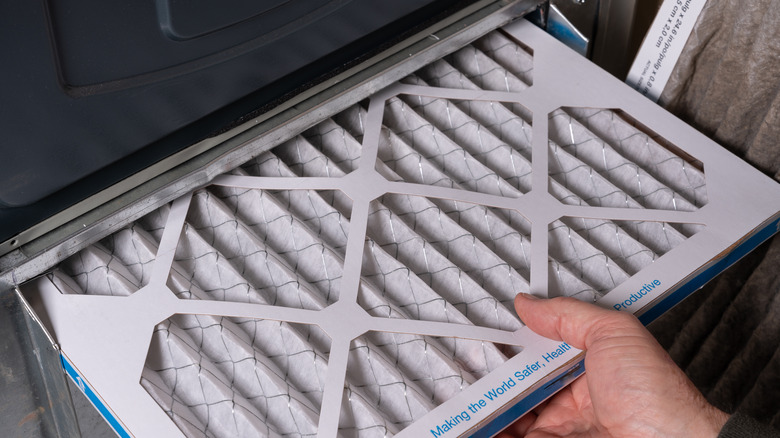
One notion many homeowners have is that expensive filters aren't worth the extra cost. So, they reach for the dirt-cheap fiberglass air filters from no-name brands and call it a day. Unfortunately, this attitude usually sacrifices effectiveness for cost savings. The cheapest air filters are crafted from fiberglass and are less effective in trapping particles. Beyond that, filters from lower-cost brands are often made with lower-quality materials and turn out to be less durable and effective than those from more reputable manufacturers. This reduces your air quality and might increase the need for maintenance.
Rather than sticking to the filters with the cheapest price tag, you can balance cost with filtration effectiveness. Invest a bit more money in a pleated filter or a more reputable brand to gain cleaner air, lower dust buildup, and a reduced need for maintenance. Another route could be signing up for an air filter subscription. These plans deliver the right air filter for your HVAC to your doorstep at regular intervals. They usually return some money to your pocket, as well as save you the stress of purchasing the filter yourself.
Failing to consider air filter thickness can drastically affect your comfort
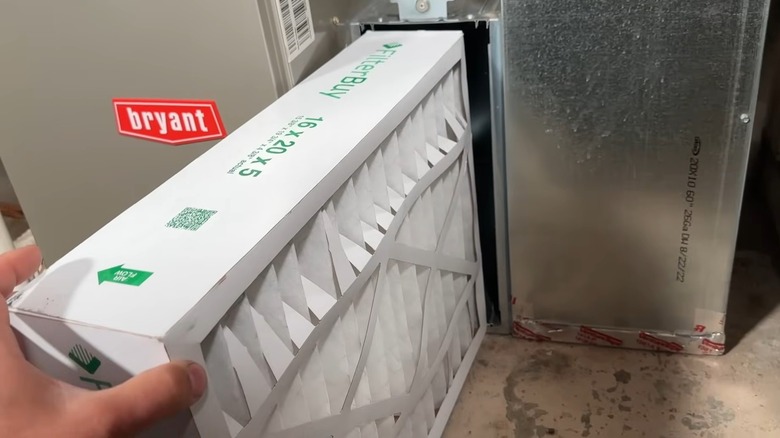
The length and width of your air filter matter, but so does its thickness. Filters range from one to five inches thick. One-inch filters are cheaper but would clog quickly. That simply means thicker is better, right? Not exactly. Thicker filters have more surface area to catch particles, resulting in better air quality. However, they can reduce the airflow in your HVAC if your unit wasn't designed for that thickness. That would increase the strain on your system and even damage it over time.
Check the filter slot of your HVAC to ensure that you're getting the right filter thickness. You can use a measuring tape to check the depth of the space or review your HVAC manual, as there is usually a specification for the ideal filter thickness in there. You can also consult a professional for the best advice, as they may have some experience with your specific HVAC unit and know the perfect filter thickness for you.
Choosing a filter with too high a MERV rating can harm your HVAC system
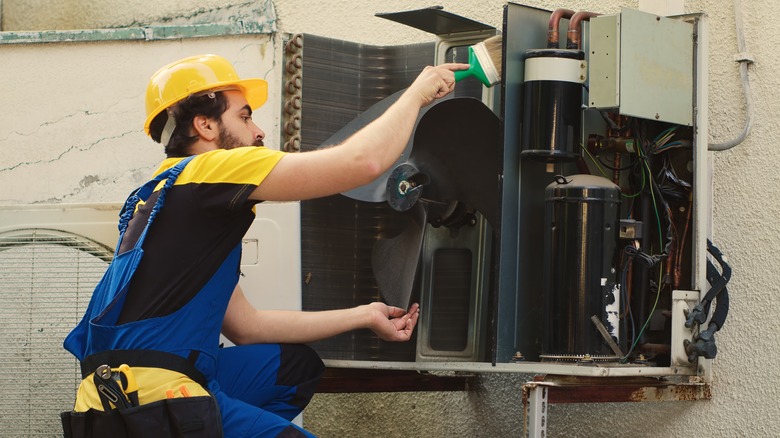
The most common method of telling a filter's effectiveness is the MERV rating. What is a MERV rating, you ask? The Minimum Efficiency Reporting Value (MERV) rating measures an air filter's ability to capture particles between 0.3 and 10 microns on a scale from 1 to 16. The higher the MERV rating, the better a filter is at trapping particles. So, just like thickness, you might decide that the higher number is always better. But that isn't always true. Just as high-MERV filters trap more particles, they also resist airflow. This can overwork your blower, increase energy bills, and shorten your HVAC's lifespan.
Better air quality is great for your home, but ensure to check your HVAC system's specifications before any high-MERV upgrades. For most residential homes, filters in the MERV range of 8-13 would offer a good balance between filtration and airflow. Ensure to stick to the MERV ratings your HVAC unit can support to keep your system running smoothly and for longer.
Neglecting the environmental impact of your choice can be a mistake
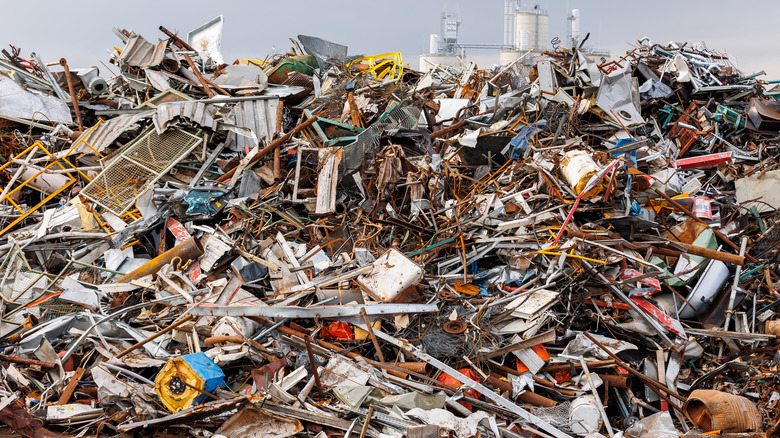
Most homeowners fail to consider the environmental impact of their air filter choices. This shows itself when they go for cheap disposable filters that require frequent replacement. They dispose of them every few months, and these filters make their way to landfills, where they contribute to environmental waste. It shows when they go for low-quality filters that have a high pressure drop and restrict airflow, causing their HVAC systems to expend more energy and emit more greenhouse gases from power production.
Next time you're in the market for a filter, make your choice with sustainability in mind. Skip the disposable filters this time and go for reusable filters that last years instead of months. With regular cleaning, you can go years with a single filter, saving cost and helping the environment. You can also go for filters with a low pressure drop that lower the energy consumption of your HVAC unit and your carbon footprint. If the warm feeling of saving the environment doesn't do it for you, then maybe the cost savings on your energy bill would be more enticing.
Failing to factor your home's air quality into your decision is a common mistake

Your local air quality should be an important factor in your choice of air filter. Certain mistakes can diminish the air quality in your home significantly. Events like a wildfire, extremely dusty surroundings, or a smoker in your home can cause the air quality to degrade. A standard low-MERV filter might have sufficed under normal circumstances, but in these instances, it wouldn't be effective for your home. The air would circulate around your home, exposing your family to the harmful effects of the pollutants it carries.
Don't stick to a one-size-fits-all filter. If you're in a location close to active wildfires, the U.S. Environmental Protection Agency recommends that you consider upgrading to a MERV 13 or higher-rated filter if your system can handle it. If you're in a high-pollution area, are exposed to increased amounts of dust, or have a smoker living in your home, opt for filters that can capture fine particulates. Combine that with regular filter changes to ensure that you maintain the air quality in your home.
Failing to consider health needs while shopping for a filter is a common mistake

According to a 2021 study by the U.S. Centers for Disease Control and Prevention (CDC), more than 24 million people in the U.S. have asthma. Conditions like asthma and allergic rhinitis (hay fever) are common in the United States, yet many people don't realize that air filters are an important factor in reducing the symptoms of these allergic diseases. These conditions are triggered by allergens in the air, which can be caught by a high-MERV filter. Unfortunately, many homeowners stick to the cheap ones, which cannot trap allergens like pet dander and pollen. These particles trigger symptoms in people with these conditions, reducing their comfort.
If someone in your home has any respiratory conditions and sensitivities, the basic HVAC air filters simply won't suffice. In this situation, you should go for high-MERV filters from MERV 9 and above, or even true HEPA-grade filters if your HVAC system can handle it. This would ensure that your filter catches most of the problematic particles and enhances your air quality. Remember that your filters are only effective as long as they remain unclogged, so regular changing or cleaning is necessary.
Ignoring your household population when filter shopping can cause frequent replacements
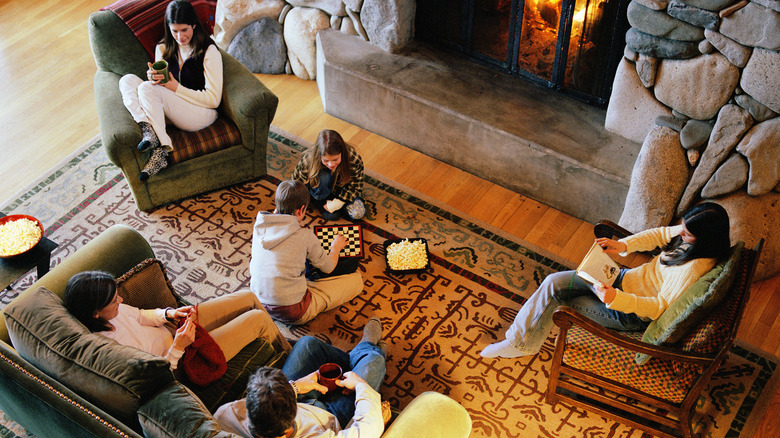
A filter that would be suitable for a single-person apartment might be inadequate for a large multi-person household. "But the air is still the same, isn't it?" you may ask, but the answer is no. An increased number of people means more dust getting kicked up, more skin cells and hair, and other particles that could float in the air. This would lead to faster filter loading. If the filter is insufficient for the occupancy level, it would clog quickly. This would reduce the airflow and force the HVAC to work harder, possibly shortening its lifespan.
If your household is large, you should take that into account in your filter choice. Go for thicker filters that have a larger surface area to catch more particles. That way, they would last longer before you have to change or clean them. This way, you can save yourself frequent replacements while extending the lifespan of your HVAC unit.
Failing to account for seasonal changes in your filter choice can affect air quality
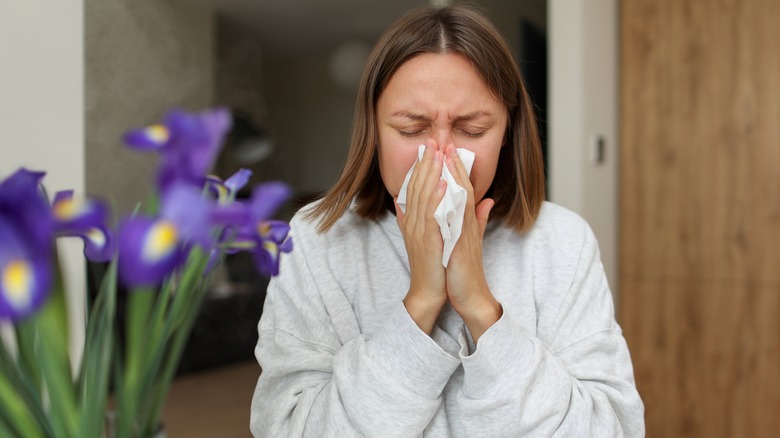
Each season comes with its own challenges when it comes to air quality in your home. Spring is a time of flowers and beauty. Unfortunately, it is also a time of pollen. The drier seasons come with dust and smoke from wildfires, while summer often comes with mold growth and spores due to humidity. Using a single filter all year round ignores these fluctuations and can lead to poor air indoors during the months with a higher density of pollutants and allergens. When your seasonal allergies make you call in sick from work like 22% of Americans (per a poll by Yahoo/YouGov), just know your $3 filter may be to blame.
Instead of letting the seasons tank your air quality, account for them in your filter replacement strategy. Spring would call for a high-MERV filter (MERV 11-13) to catch common allergens like pollen. Summer and fall would need filters at a range of MERV 8-11 for catching the dust and debris. A simple MERV 8 filter can suffice for winter, as it captures household dust fairly easily.
Assuming anything labeled 'HEPA' is true HEPA is a costly oversight
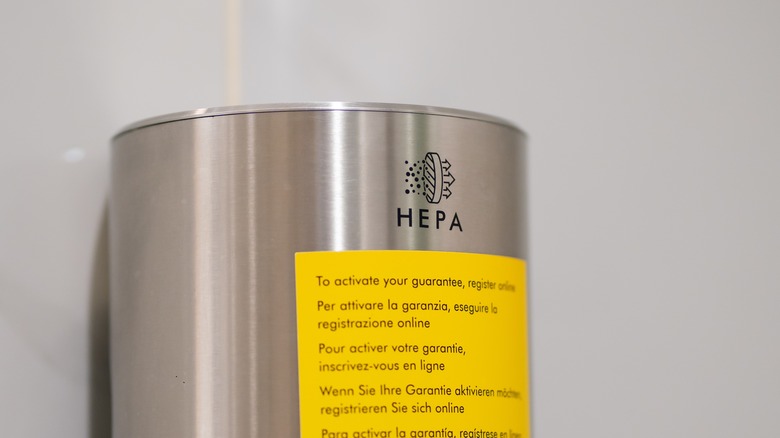
High-Efficiency Particulate Air filters (HEPA filters) are the most effective air filters you can install in your HVAC system. For the average home, it is overkill and would overwork your HVAC unit. However, if a member of your household has severe respiratory problems or allergies and your HVAC can handle it, you may want to try it. In that case, be cautious, as many HEPA-labeled filters sold for residential use are not true HEPA. These "HEPA-like" filters don't meet the standards of true HEPA and simply offer a false sense of security while pollutants continue circulated.
Don't put all your trust in labels. Do some research to see if the filter meets recognized HEPA standards. True HEPA filters actually work. They can theoretically catch 99.97% of particles 0.3 microns large, and a higher percentage for particles larger or smaller than that. Also, check whether your HVAC can handle it. If not, consider alternatives such as standalone HEPA air purifiers in the room of the sensitive person, rather than a HEPA HVAC filter.
Neglecting air filter maintenance needs when making your choice can cause stress in future
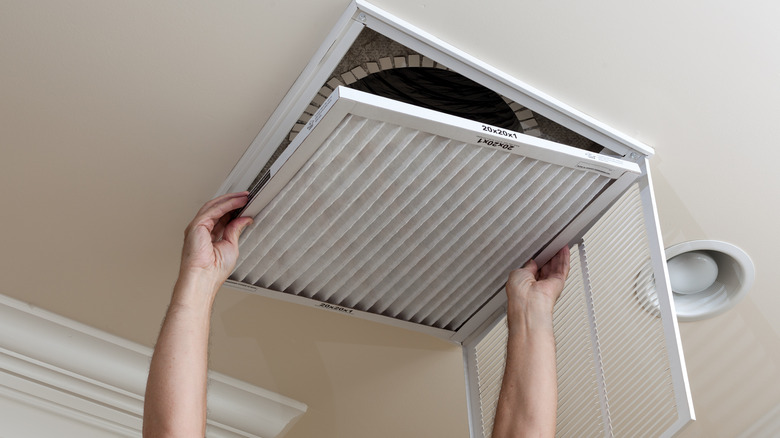
Many homeowners choose their HVAC air filters without considering maintenance requirements. You need to know how often it needs to be replaced or cleaned (for reusable models). Even a high-quality air filter would get clogged and become ineffective when it is neglected. Once dust and debris clog your HVAC filter, more remain in the circulating air, potentially aggravating allergy symptoms.
Before selecting your HVAC filter, determine whether its maintenance schedule fits your household's needs. Cheap disposable fiberglass filters have to be replaced about every 30 days, and that might not be ideal for a busy homeowner. Reusable filters might require a monthly wash to stay effective in your HVAC system. A pleated disposable filter would need changing every 90 days, which would be a better option for a busy household. All these considerations are necessary to ensure you make the best decision when choosing an HVAC air filter.