

13 Old-School Bathroom Items Nobody Uses Anymore
Bathrooms have long reflected the habits, priorities, and design trends of their time, which is why older homes often reveal an array of distinctive accessories, specialized fixtures, era-specific conveniences, and once-fashionable embellishments. Many of these items once played essential roles in daily routines, from grooming and relaxing to organizing essentials in ways that now feel unfamiliar. Whether mechanical, decorative, or rooted in the lifestyle or aesthetics of their era, these features helped shape the bathroom into a functional hub that supported everything from shaving and bathing to unwinding after a long day.
As technology advanced and design preferences shifted, many of these once-popular bathroom staples gradually faded from view. New hygiene standards, changing expectations around convenience, and innovations in plumbing and lighting made older solutions feel impractical. At the same time, modern homeowners began leaning toward streamlined layouts and materials that are easier to clean and maintain. Today, bathrooms prioritize efficiency, wellness, and comfort over the nostalgic quirks of past decades. Still, these bygone features tell a fascinating story — one that reveals just how much both bathroom design and everyday life have changed.
High-cistern and pull-chain toilets
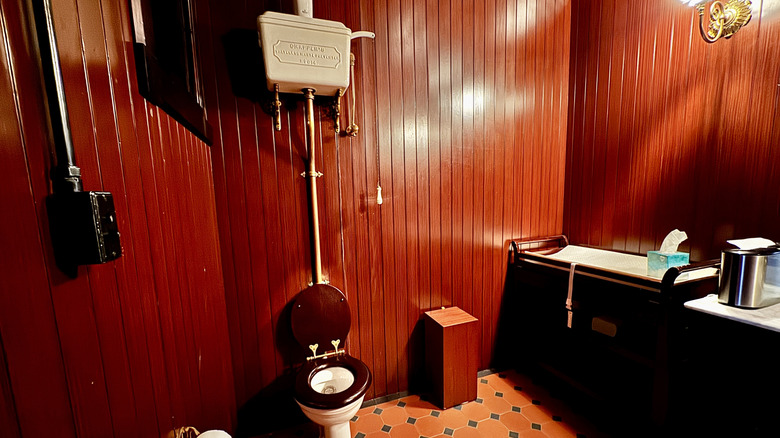
High-cistern, pull-chain toilets were a defining feature of Victorian and Edwardian bathrooms. With tanks mounted far above the bowl near the ceiling, these early toilets relied on gravity to create a forceful flush — a clever engineering solution for the plumbing limitations of the era. But these fixtures didn't just offer modern convenience. Many were designed with ornamental brackets, chain pulls, and cisterns that embraced the intricate detailing of the period, becoming symbols of style, elegance, and ornate design in many homes.
However, as plumbing technology improved, these towering toilets grew outdated, their charm outweighed by their bulk, loud noise, and impracticality. After the invention of the flushometer valve in 1906, plumbing systems became pressurized, and toilet designs evolved into low-tank, two-piece units that became the new norm. Today, close-coupled toilets are still widely used, as are one-piece fixtures. Modern models are quieter, more water-efficient, and considerably easier to clean. Many take things even further, featuring dual-flush systems, integrated bidet functions, heated seats, smart systems, and more. Although high-tank toilets occasionally appear in vintage renovations as fixtures of their era, they've been almost completely phased out.
Razor blade disposal slots in walls and medicine cabinets
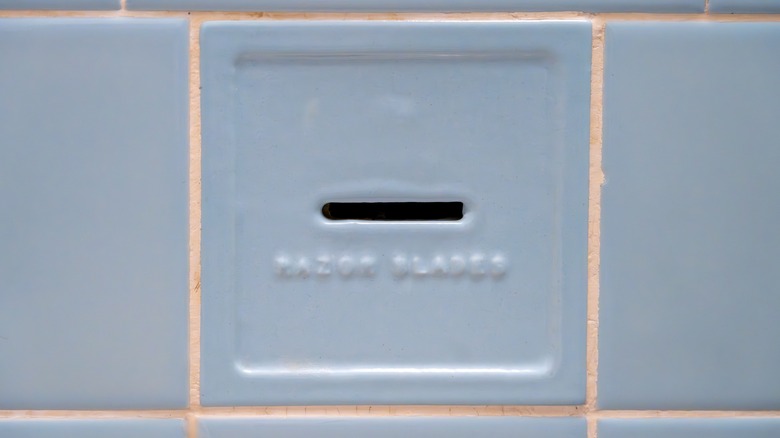
In the early to mid-1900s, it was common for bathrooms to have razor blade disposal slots in medicine cabinets or walls. Back then, double-edged blades were used daily and replaced frequently. Because people used to burn their trash and use the ashes as fertilizer, blades were difficult to dispose of safely. These slots provided an easy and safe means of disposal. The blades were simply dropped into the wall cavity, forever disappearing out of sight, out of mind.
But as shaving technology evolved, these disposal slots quietly disappeared. The rise of more efficient razors, cartridge systems, and disposables eliminated the constant stream of loose blades. By the 1970s, this feature was obsolete. Additionally, the idea of blades accumulating indefinitely became a hygienic and logistical nightmare. Today, decades' worth of corroded blades still live piled up inside the walls of older homes, the forgotten and unusual relics often coming out of hiding during renovations. Finding one of these slots in a vintage bathroom remains a fascinating reminder of how everyday grooming once worked.
Retractable shaving mirrors for daily grooming rituals
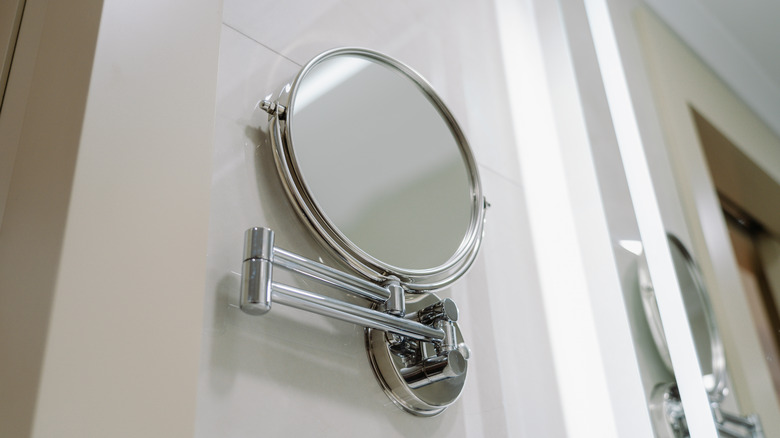
Retractable shaving mirrors served as indispensable tools in the late 19th and early 20th centuries, remaining popular throughout the mid-century. These mirrors, often mounted on accordion-style or telescopic arms, could be pulled close for detailed grooming such as shaving, hair brushing, or applying cosmetics. In those years, shaving was a significant daily ritual, and specialized fixtures like wall-mounted mirrors were common bathroom fixtures. Many offered a magnified side and had a compact design that allowed them to be tucked away neatly against the wall when not in use. In an era before bright, even lighting and large vanities, these extendable mirrors offered a practical way to achieve precision without taking up valuable counter space.
Their decline began as bathroom lighting improved and larger, better positioned mirrors became standard. People began to favor minimalist walls free of protruding accessories, especially as design trended toward clean lines and clutter-free spaces. Additionally, these mirrors would loosen over time, collect dust in their joints, and often rust, making them more of a maintenance headache than a high-end convenience. In these modern times, people rely on lightweight tabletop magnifying mirrors and wall-mounted, backlit LED mirrors with sleek profiles. Although retractable shaving mirrors still appear in vintage renovations and boutique hotels that embrace old-world charm, they've been largely replaced by more flexible and modern grooming options.
Built-in, fold-out bathrooms wall seats
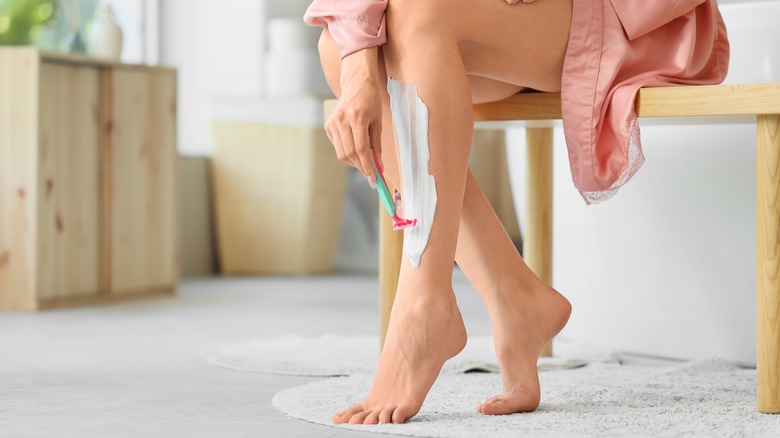
Fold-out bathroom wall seats were a hallmark of many 1920s and 1930s homes. Built into the wall near tubs or dressing areas, these compact seats could be folded down for a comfortable place to sit while grooming, drying off, shaving legs, applying lotion, or simply unwinding after a warm bath. When not in use, they could be closed and concealed into the wall. This type of seating fit beautifully into the slower-paced lifestyle of the era. Plus, their built-in design added a sense of customization to early bathrooms.
Over time, however, these seats fell out of everyday use. Homeowners sought portable options that would be easier to clean and wouldn't trap moisture or mildew. Today, fold-down bathroom seats are still widely available, but are generally used inside the shower and intended as accessibility tools. Most modern households choose freestanding stools, built-in benches, or ADA-compliant seating. Although, some retro design enthusiasts argue that this little-known vintage bathroom feature deserves a comeback.
Built-in soap dishes and toothbrush holders
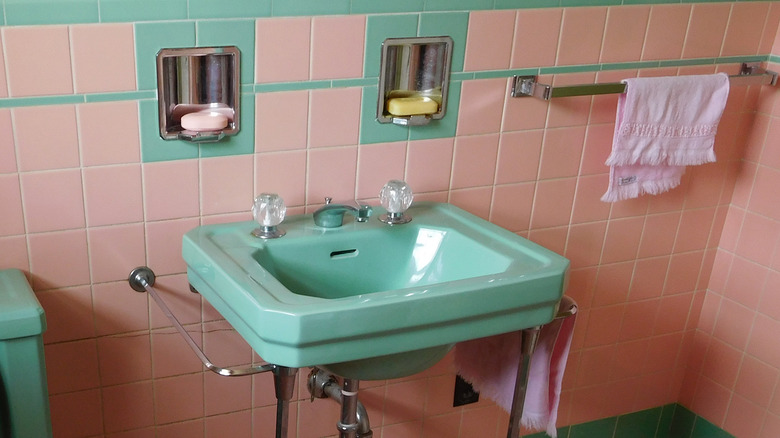
From the 1920s through the 1960s, built-in soap dishes and toothbrush holders became standard bathroom features. Often made of ceramic, porcelain, or chrome, these units were embedded directly into the wall, helping keep sinks and countertops clear and tidy. Mounted fixtures were common, but some models were recessed. Others had clever revolving mechanisms to conceal soap bars, toothbrushes, toothpaste, and other grooming tools inside the wall. Some even had separate tumbler holders for storing, rinsing, or drinking glasses. These niches and fixtures offered a polished, coordinated look that made the bathroom feel orderly and thoughtfully designed.
However, as hygiene and personal care products diversified, these features began to feel restrictive. Bar soaps gradually gave way to liquid and foam dispensers. Toothbrushes became bulkier and then electric. And grooming items expanded beyond what built-ins were designed to hold. Because they had limited design flexibility, they also grew inconvenient and made renovations more complicated. As a result, modern homeowners opt for flexible storage, like countertop organizers, drawer trays, under-sink solutions, and other easily-replaceable freestanding accessories that are adaptable to changing product trends and bathroom designs. While vintage homes still proudly display these charming holders, new builds generally don't include this old-school bathroom feature, favoring versatility over the permanence of past decades.
Bathroom ashtrays and built-in relaxation units
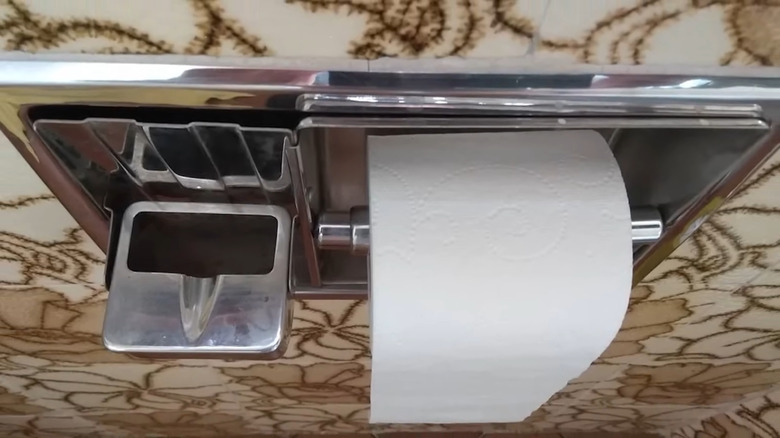
When smoking was still woven into everyday life in the '50s and '60s, many bathrooms included wall-mounted or built-in ashtrays. Some also featured relaxation units, recessed caddies meant to hold cigarettes, matches, an ashtray, magazines, newspapers, and spare toilet paper rolls. These discreet features were typically placed near toilets or vanities, allowing homeowners and guests to enjoy a cigarette or read while getting ready, unwinding, or using the bathroom. For mid-century households, they reflected a level of modern convenience and sophistication, especially in those designed with a sleek, cosmopolitan feel.
This trend shifted dramatically following the landmark 1964 Surgeon General's report, which highlighted the health risks associated with smoking. It marked a pivotal moment, sparking widespread changes in public attitudes, lifestyle, and public health awareness. Over the following decades, cultural shifts away from indoor smoking and steadily declining smoking rates made these features obsolete. Today, it's hard to even fathom the thought of lighting up in the bathroom. Now, bathrooms are designed around wellness, serenity, and improved ventilation. Homeowners gravitate toward calming aromatherapy, greenery, and a minimalist, uncluttered aesthetic at odds with specialized fixtures.
Concealed fold-down bathroom scale units
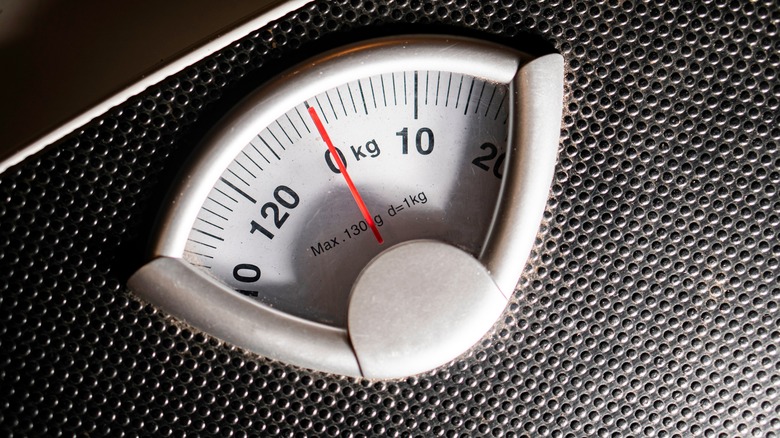
Mid-century enthusiasm for built-in efficiency led to a brief but memorable trend: fold-down bathroom scale units. Produced by brands like Hall-Mack and NuTone, these compact features were built into the wall and dropped open when needed, offering a streamlined alternative to freestanding scales. The fixtures aligned perfectly with the era's fascination with futuristic convenience and integrated household features. For homeowners back then, a concealed scale meant privacy, modernism, order, and luxury.
As the years went on, however, built-in bathroom scales started being phased out. Mechanical systems required maintenance, replacements involved opening the wall, and the units lacked the accuracy, versatility, and affordability of newer technology. With the rise of digital and smart alternatives, these once-innovative fixtures now feel like ancient relics. Today, people opt for lightweight scales that slide easily under a vanity or tuck into the closet, keeping bathroom floors clear without the need for any kind of installation. Although these concealed units are no longer incorporated into bathroom designs, they do appeal to collectors and lovers of mid-century design.
Soft and colored wall-to-wall bathroom carpet
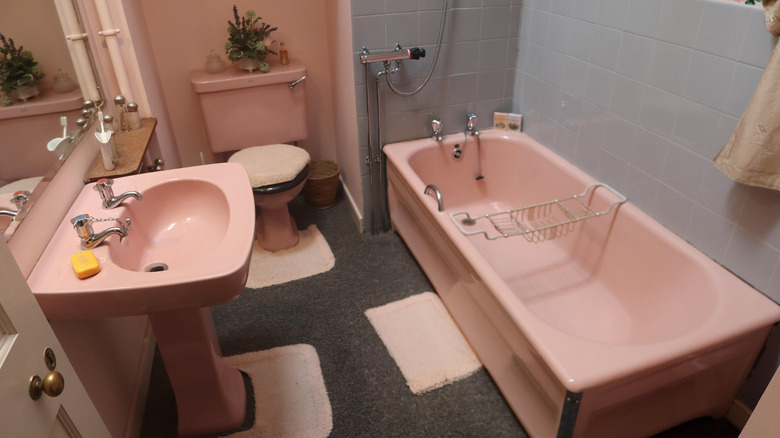
Bathroom carpet might seem like a horrible choice now, but there was a time when it represented peak comfort and luxury. Introduced in the 1950s, as advances in fiber technology made once-expensive carpet more affordable, the trend was extremely popular through the '70s and '80s. Homeowners embraced the idea of soft, warm footing that replaced cold tile underfoot. And it didn't hurt that carpet was an easy solution for disguising uneven subfloors. Back then, wall-to-wall carpet was a sophisticated, indulgent upgrade, and it often helped create a coordinated look that turned the bathroom into a more inviting space.
Yet as time went on, the reality of moisture set in. Humidity, water spills, and regular wear caused the fibers to trap odors, mildew, and bacteria. Carpets also proved challenging to clean thoroughly, particularly around toilets and sinks. As hygiene standards evolved and people grew more aware of indoor air quality, the once-trendy bathroom carpet gradually disappeared. Today's bathrooms feature waterproof flooring options, such as ceramic tile, luxury vinyl plank, and engineered stone, paired with machine-washable mats that offer comfort without the sanitary issues.
Fabric toilet seat, lid, and tank covers
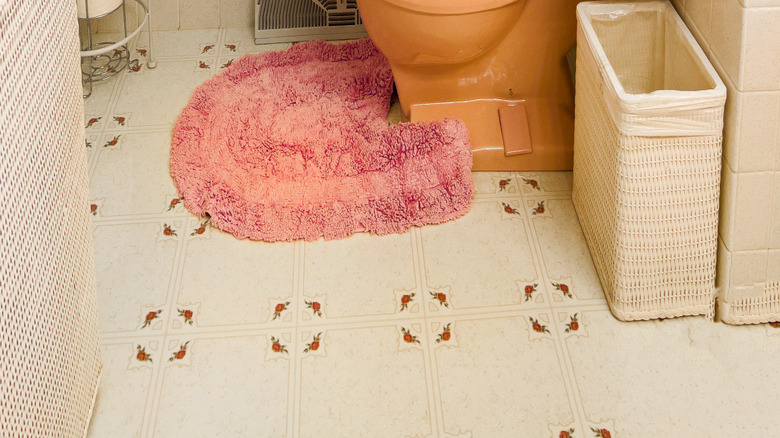
Fabric toilet seat covers, lid covers, and matching tank toppers date back to at least the 1940s, though they reached peak popularity in the '70s and '80s. These soft, decorative coverings ranged from the fuzzy shag that defined the '70s to crocheted patterns and ruffled designs. They were used to soften the stark look of porcelain toilets. Beyond adding a cozy feel, they helped coordinate with colorful fixtures — think avocado green, Mamie pink, or powder blue — which were hallmarks of midcentury and '70s bathroom decor.
As people grew more mindful of cleanliness, the drawbacks of fabric-covered toilet accessories became hard to ignore. Because they absorbed moisture, acted as a breeding ground for bacteria, and were notoriously inconvenient to launder, their decorative appeal began to wane. Meanwhile, trends shifted towards sleek minimalism and glossy surfaces. Contemporary bathrooms now lean toward polished, easy-to-sanitize fixtures without accessories. While these nostalgic covers still make occasional appearances in vintage decor collections, they're widely regarded as a controversial bathroom design trend better left in the past.
Whimsical, kitschy toilet paper doll covers
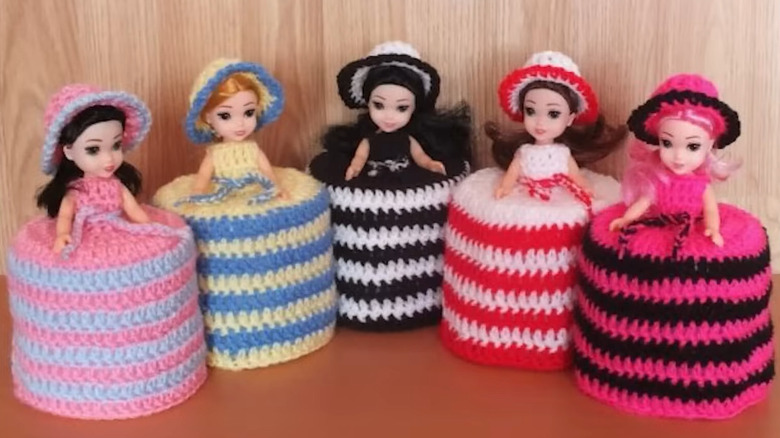
Toilet paper doll covers became a kitschy trend in the mid-20th century, taking the form of crocheted skirts on whimsical, Victorian characters. Their purpose was simple: to disguise and keep a spare toilet paper roll at the ready in a playful, decorative way. For many households, especially those who enjoyed handmade crafts or themed bathrooms, these little dolls added personality and charm. They frequently matched the bathroom's color palette or paired with other crochet items, lending a sense of coordinated warmth.
But as bathroom design shifted toward streamlined storage, these covers gradually disappeared. Their frilly skirts and quirkiness no longer fit with contemporary decor, and homeowners began preferring discreet ways to store extra rolls, whether in enclosed cabinets, minimalist holders, or vertical stands. Hygiene concerns also played a role in their decline, as fabric and crocheted designs collected dust and moisture over time. Today, toilet paper dolls live on as nostalgic mementos and humorous collectibles.
Oversized Hollywood-style vanity mirror lights
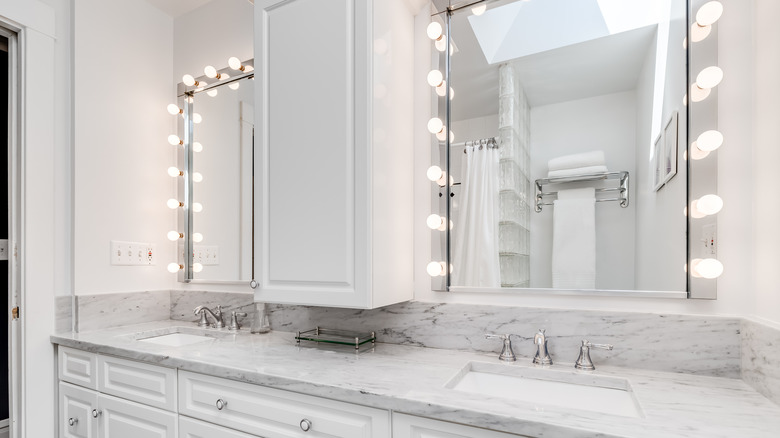
Hollywood-style vanity lighting — exposed rows of globe-shaped bulbs framing a mirror — found its way into homes beginning in the midcentury as people sought to recreate the glamorous look of classic movie star dressing rooms. Mostly trendy in the '80s and '90s, these bright lights delivered intense, all-around illumination ideal for applying makeup or perfecting hairstyles. Additionally, they added dramatic flair to the bathroom, quickly becoming a statement feature and symbolizing a touch of celebrity-inspired luxury.
Eventually, however, lighting technology and design preferences moved in another direction, and these fixtures began to feel harsh and outdated. They ran hot, consumed high amounts of energy, and cast a bright, glaring light. These days, bathrooms rely on energy-efficient LED bulbs. Some modern homeowners opt for layered lighting, like integrated backlighting, dimmable sconces, and recessed fixtures that create a spa-like ambiance. If your home has this outdated bathroom trend you can swap it out by installing a backlit LED mirror or make a style change with a uniquely shaped or statement frame.
Bathroom telephones for luxury living
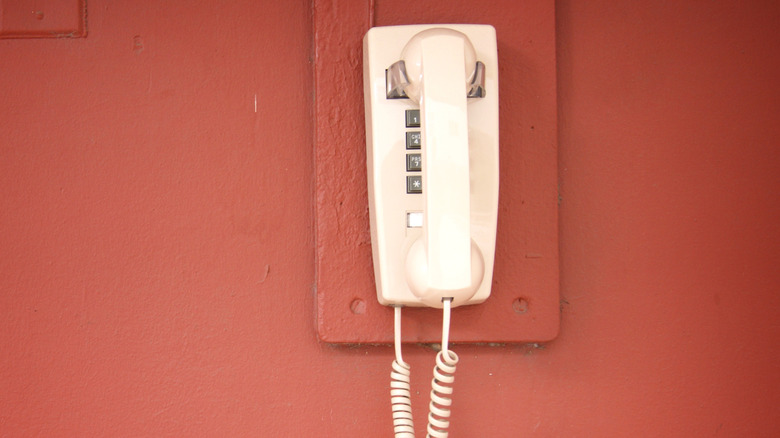
Once seen as a marker of luxury, bathroom telephones rose to popularity in the 1960s and remained in use through the 1980s. Installed beside toilets or vanities, and occasionally next to bathtubs in high-end homes, these landlines ensured no call went unanswered. Sometimes they matched the room's color scheme, adding a personalized touch while offering a level of convenience that felt cutting-edge at the time. In an era where mobility was limited by cords and stationary receivers, having a phone within reach at all times was viewed as both practical and elegant.
With the rise of cordless phones, however, wired bathroom phones became obsolete. This new technology made fixed phone locations impractical and unnecessary, with cell phones later reshaping communication entirely. Meanwhile, design tastes gravitated toward serene, spa-like retreats free of interruptions. Today, the concept of chatting from the bathroom is far less appealing, especially as people become more intentional about separating rest and relaxation from connectivity.
Seashell-shaped soap dishes and seashell soap displays
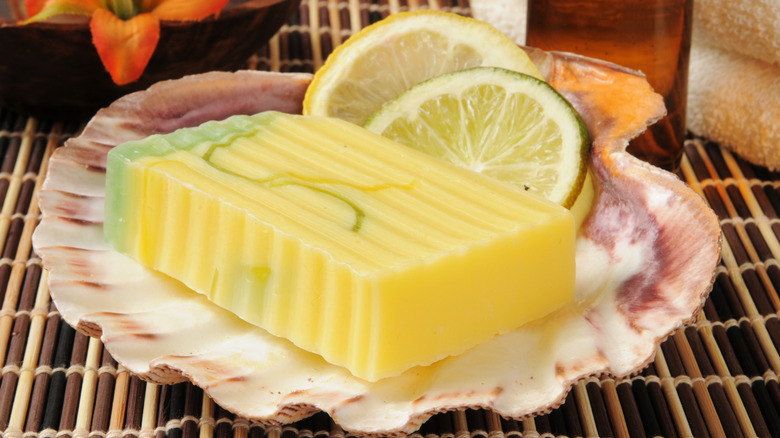
In the 1980s and 1990s, coastal-themed bathrooms were all the rage. The trend embraced pale blues, corals, soft greens, and sea-inspired motifs. Seashell-shaped soap dishes, frequently ceramic, pastel-toned, and glossy, became signature accessories, especially in guest bathrooms. Many were paired with decorative guest soaps molded into shell designs, proudly displayed on countertops for visitors to admire. These whimsical touches brought a breezy, beach-inspired feel indoors, even for homes far from the coast.
But as bathroom decor trends moved toward cleaner, more functional designs and accessories, these fanciful adornments began to feel dated. Decorative bar soaps collected dust, and rigid seashell dishes didn't accommodate the liquid and foam dispensers that eventually became the new norm. People grew less interested in maintaining themed trinkets and more focused on simplifying surfaces for easier cleaning and a more serene, uncluttered space. For those who still appreciate a bit of coastal style but want to keep it more in vogue with the times, seashells can be repurposed into DIY resin dishes for soaps or jewelry. Additionally, seashells can be thoughtfully incorporated into other areas of the home, where they can blend more naturally with contemporary decor.