

Why You May Want To Skip Overwintering Herbs This Winter
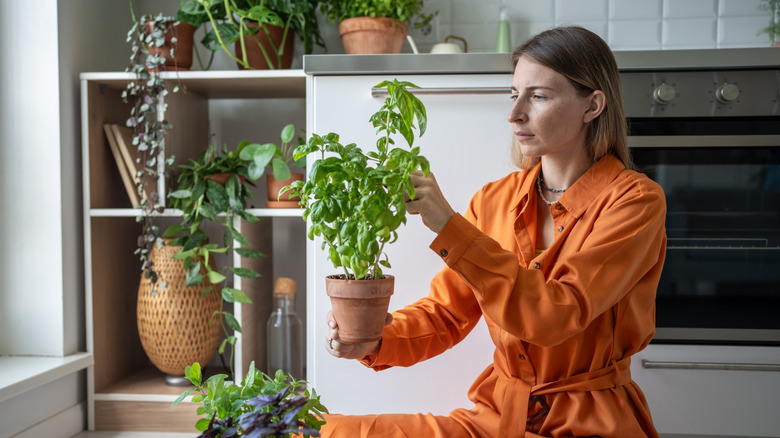
If you have spent any length of time caring for your beloved herbs, you would probably want them to survive the harshness of the cold and come back rejuvenated in spring. After all, who does not want their winter to be filled with more fragrance and spice? But the truth is that overwintering herbs can be a headache, which is, more often than not, not worth the effort. A number of annual herbs have evolutionarily survived the cold via seeding. Several other perennial herbs are, unfortunately, not cold-hardy enough to survive the winter in colder, northern regions. Considering the fact that they can be easily bought or quickly grown in spring any way, spending too much of your care on overwintering herbs might not be the best move this winter, as cold temperatures and wet soil can lead to them dying.
Without sturdy, woody stems or a well-developed root system, many herbs find it hard to get past winter, and damage from pests and frost makes overwintering even less advisable. But how a plant reacts to your overwintering efforts depends on the exact type of herb you're growing, as well as on the severity of the cold in your region. Herbs like thyme (Thymus vulgaris) or sage (Salvia officinalis) are hardy enough to survive outdoors all by themselves. Whereas, when you're dealing with more tender annuals, like basil (Ocimum basilicum) or cilantro (Coriandrum sativum), you can not be too cautious while caring, even when you bring them indoors. Such herbs belong to the category of plants that aren't worth the trouble of overwintering, especially if you're not in mood for a gardening challenge.
Overwintering herbs can require a lot of effort

Overwintering herbs probably comes as close to babysitting as any gardening activity can get. In short: Herbs are fussy about a lot of things. To begin, the combination of cold temperatures and wet soil is deadly for herbs, which are not always blessed with woody stems to survive these torments. During winter, you would have to make sure that they get the right drainage without the roots getting too dry, which can also hurt the plant. Apart from shifting plants indoors, gardeners often adopt methods like mulching, or use tools like bough or cloches to save their herbs from the cold. But even after adopting these methods, you're never sure how harsh the winter can actually get or whether your plant will make it through or not, especially if it is marginally cold-hardy. Moreover, if the plant has already been damaged by pests or insects, or if you were a little late in getting them indoors, its chances of surviving the winters get even worse.
Being native to the Mediterranean, a number of herbs also need their dose of sunlight in the winters. This is not feasible in a lot of regions, which can also limit a successful overwintering process. Furthermore, extreme dryness in several growing zones can be a problem as well. You might have to invest in a humidifier or spend time finding other ways to increase humidity for these houseplants. Consequently, even if the plant survives, you may not have the best-looking version of your favorite herb. All these factors make overwintering herbs less of a fun activity and more of a lucky draw without the best odds for success.
You can buy (or grow) new herbs in spring instead
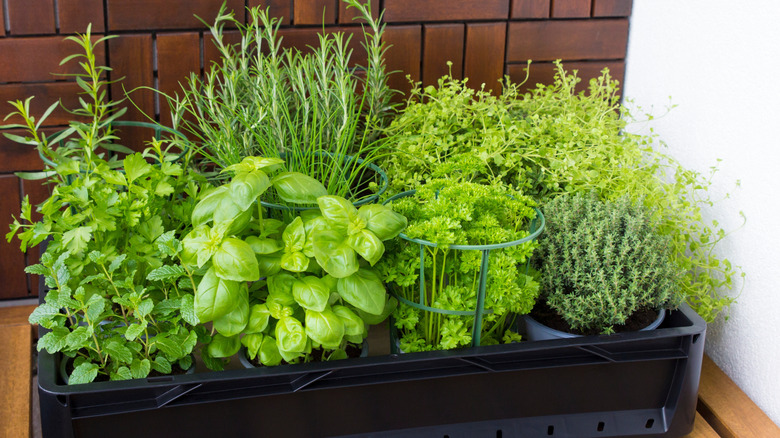
Instead of stressing over your favorite herb all winter, you can simply wait for spring to arrive and grow a new bunch from seeds. Herb seeds are not too heavy on your pockets. You don't have to wait long for them to germinate either. In fact, a lot of tender herbs that can be difficult to overwinter are very quick to grow from seeds.
If you're growing a herb like basil, you can expect the seeds to sprout within as little as four days. The access to a variety of plant flavors you get is also why you should grow herbs from seed, like basil, instead of overwintering old herbs or growing them from seedlings. Moreover, bringing herbs indoors for the winters can also take a toll on their appearance because of the dry air indoors. When you buy a new seedling in spring or decide to grow a herb from seed, you get a brand new plant, which is far more attractive.