

16 Winter Gardening Tips You Should Know For Healthier Plants In Spring
We may receive a commission on purchases made from links.
To most gardeners, winters spell the end of their gardening season. They spend their time cozying up to their houseplants while patiently counting down the days to seed starting. But don't let the frost-kissed, bare landscape fool you. Winters are the perfect time to lay the foundation for a resplendent spring display.
From applying mulch to garden beds to covering plants with burlap, there's plenty you must do in frosty weather to insulate your plants against cold snaps, frost, freezes, and snow. If not, prepare yourself to spend your spring in damage control, making various attempts to restore winter-injured plants instead of enjoying lush greenery. To give your plants a fighting chance against nuisance insects, herbivores, or disease-causing microbes, use these cold months to clean plant debris, eliminate weeds, apply horticultural oils, and install fences. Pruning in late winter rejuvenates plants, while using a soft hand when sprinkling deicing salts ensures they suffer little damage going into spring. In short, nurturing your gardens during the chilly months can set you up for success in the coming ones. To that end, here are 16 winter gardening tips worth following.
Apply mulch for winter insulation and weed suppression
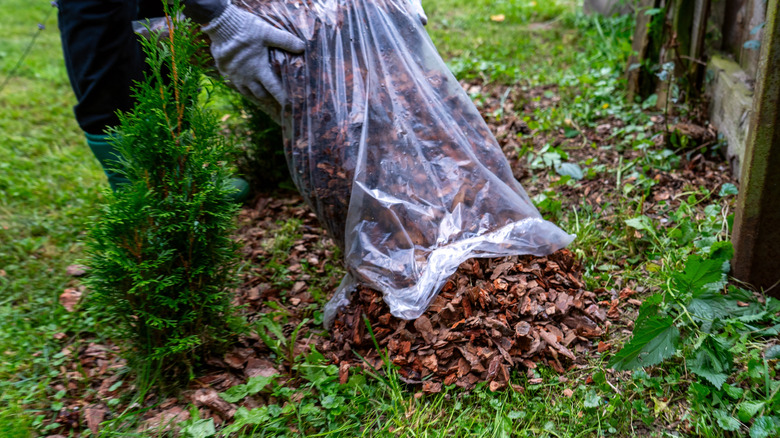
Spreading mulch on garden beds during winter is vital for healthy spring growth. This is because it adds a layer of warmth and insulation to plant roots. Freeze-thaw cycles and rains commonly punctuate winters, causing the soil to harden or soften in tandem. Without mulch in place, shallow-rooted, marginally hardy, and newly-planted vegetation may heave out. Moreover, cold-season mulching helps control weed growth. Since spring ones can't access light, they're thereby suppressed, precluding any resource competition that could prevent your plants from leafing out beautifully.
However, don't go overboard while piling on mulch. Otherwise, your garden will turn into an overwintering habitat for hungry rodents that would turn your plants into delicious morsels. Keep mulch between 6 and 18 inches deep, factoring in the plant's size. Try not to use shed leaves as mulch, especially around young plants, as they may trap moisture and cause rot. Instead, utilize loose materials like pine needles, straw, or wood chips. If they come loose, stake chicken wire, like Hanwraps' Galvanized Wire Netting, to keep them in place. Also, don't forget to remove mulch in early spring when there's no risk of cold snaps. If you've trees in your garden beds, avoid the common mulching mistake of piling it against their trunks (also called "mulch volcanoes"). Mulch wet from winter rains can cause trunk decay, leading to tree decline.
Clean up plant debris and weeds to eliminate overwintering pests
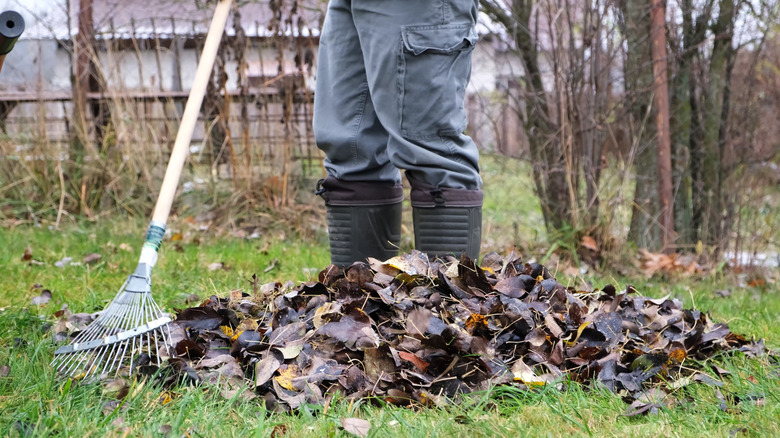
Utilize the rare sunny mornings in winter to give your garden a nice clean-up. With most plants turning dormant, picking up plant debris, such as shed leaves, bark splits, rotten fruit, or faded petals, becomes relatively straightforward. Additionally, gather diseased or pest-infested plant materials, particularly from fruit trees and veggie beds, like apples, tomatoes, and pumpkins. This will deprive nuisance pests and microbes of overwintering grounds, restraining their spread in the next growing season. Moreover, treat any persistent and invasive weeds, like kudzu and privet, that haven't yet died back. Cutting them down before they produce seeds can limit their emergence in spring beds.
That being said, you may be hesitant about cleaning up winter beds if you'd like to host beneficial insects and pollinators. Under these circumstances, collect the dead foliage and stems after removing any unhealthy growth, and stack them in a small corner to provide winter habitat for your welcomed visitors. Remember to chop down the retained dead leaves, so they won't mat up and rot the growth underneath.
Continue watering new plants until the ground freezes
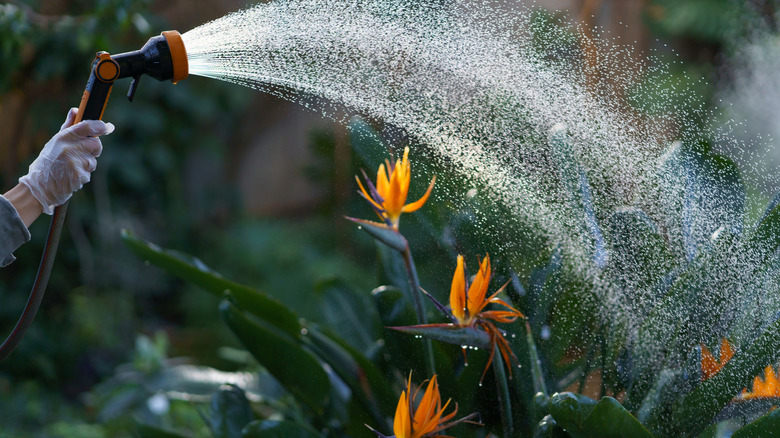
While it's exciting to tuck new plantings into your garden during early fall, it also calls for more winter work. Plants continue to grow out their root systems until the ground freezes. So, you must make moisture available to them through supplemental irrigation during early winter days, particularly when the preceding autumn season was unduly dry. Otherwise, plants will become stressed, showing feeble growth in spring. It'll also compensate for the water lost to drying frosty winds.
As long as the ground isn't frozen solid, monitor the plants, including their root systems and the surrounding soil for moisture levels. And when the top layer dries out, water it. After a short break during peak winter, resume the process in later months as the days grow warmer. Taller plantings require such watering for nearly five years, while smaller plantings can make do with a year or two of support. This might also protect trees from sunscald injury.
Wrap young trees to prevent sunscald
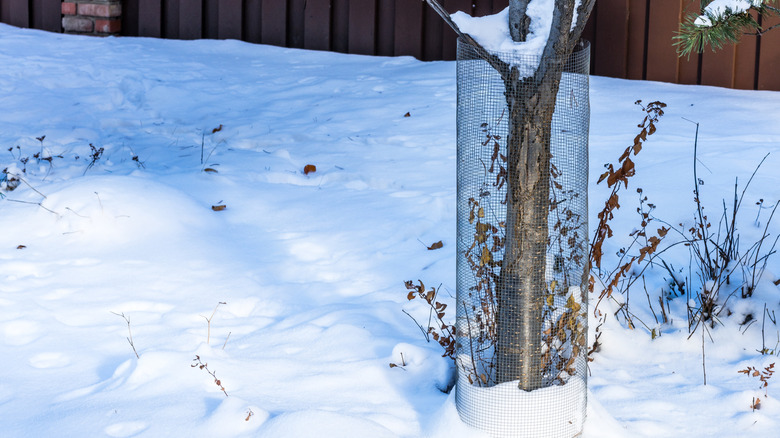
In winter, you must wrap the trunks of trees newly planted in the fall. Their thin bark warms up on exposure to morning sun, but then quickly refreezes in the evening. This cracks the bark tissue (called "sunscald"), allowing disease-causing microbes in. Plus, diseased trees don't make the prettiest or healthiest landscape plantings. Deciduous trees are often hit the hardest, as they're fully exposed to natural elements after dropping their leaves.
For vigorous spring growth, wrap tree trunks in Kraft paper, tree wrap, or tree guards, like the Trunk Protectors from Aukney, from the ground up to the lower branches. Leave them on through the cold season and remove once spring hits. Repeat the process every cold season until the bark matures (it'll show texture). For thin-barked trees, such as maples, crabapples, linden, and honey locust, you may have to leave the guards on for five winters; two winters work for the rest. In case of newly planted evergreen trees, switch to a burlap cover instead, like Koretech's 40-inch Roll. This will also protect their leaves against cold spells, frost, dry winds, and snow. Hold down the burlap with bricks or wood, ensuring it doesn't touch the foliage.
Build wind barriers around evergreens to avoid winter burn
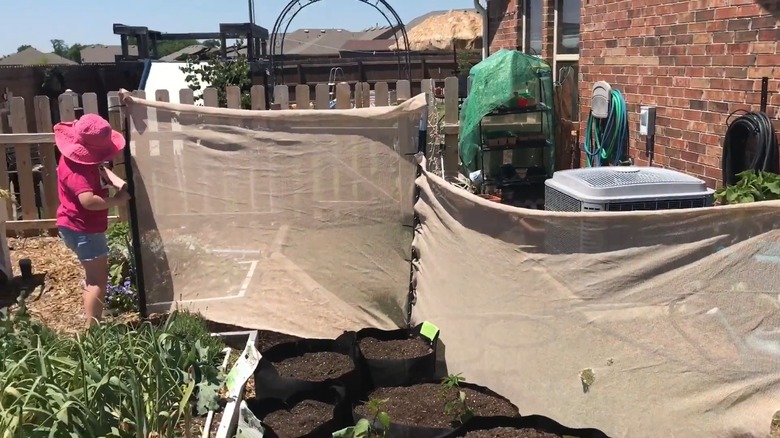
Conifers and broadleaf evergreen trees, as well as shrubs (think boxwood, arborvitae, fir, spruce, and azalea), maintained in wind-exposed sites often suffer winter burn or desiccation. Harsh, dry winds draw moisture from their foliage, leaving them brown and sickly. They experience similar damage during advective freezes where cold winds settle around plants, causing dehydration. This is particularly common along the West Coast. While well-watered soils can offer some respite, by creating wind barriers, you can extend cold-season protection to times when the ground is frozen. If not, you may have to prune out the injured branches or lose the plant altogether.
Build wind barriers where the plants are most exposed — usually their south or southwest sides. Put down stakes, lumber, or bars, and cloak them in canvas fabric or burlap. Make sure the distance between the wind barriers and driplines is at least 2 feet.
Burlap established plants before a major frost or storm
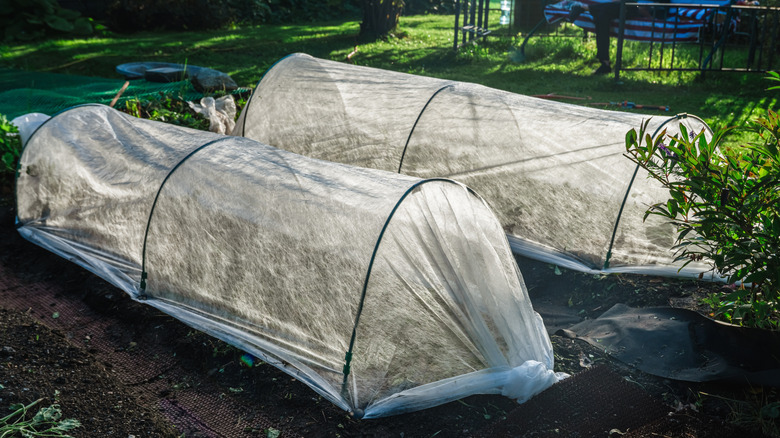
Unlike new plantings, established plants are generally tolerant of typical frosty weather conditions, especially if they're cold-hardy to your region. However, this doesn't preclude them from cold damage during extreme events, like a major frost, snowstorm, or strong winter winds. Left unprotected, they can become damaged and perform poorly during spring. Repeated cold damage through the years can cause plant failure.
So, keep track of weather forecasts and before such events (or when night temperatures touch the lower 30s), put down burlap, row cover, tarp, or frost fabric around the tree. We like Klewee's Thick Cloth Plant Covers. Leaving sufficient distance from the foliage, secure the fabric on stakes placed in a V-shaped formation and tie with bungee strings or twine. This will trap the ground's radiant heat, keeping the plantings warm. Remove the fabric when temperatures rise to above-freezing levels to prevent overheating. Winter-sensitive conifers like arborvitae and yew generally require the most care. You may put down 5-gallon buckets or milk cartons around small, tender perennials for winter protection, since burlapping them can feel cumbersome.
Place a heat source under covers during extreme temperatures
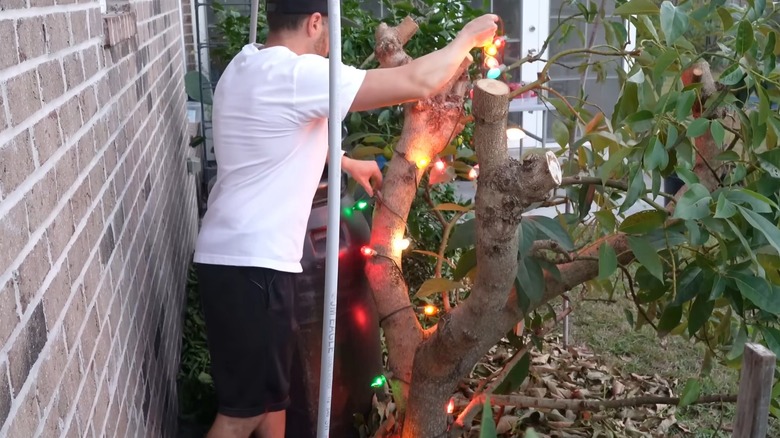
Burlap covers become ineffective at preventing cold damage once the mercury dips below 28 degrees Fahrenheit. But you can create a warm atmosphere around your plants by adding a heat source under the covers. This may limit winter injury, ensuring your plants grow healthily in spring.
If you've got classic Christmas lights lying around — think C9 incandescent bulbs generating 10 watts of heat — wrap them around the foliage before installing covers. These string lights can raise the temperature by about 4 degrees. 100-watt drop lights are another effective option, though you may use any incandescent (not LED lights) if they produce 5 watts or more of heat. Be sure to check labels for outdoor use. In case your city allows burning, keep a burn barrel, like the steel-coated one from The Boldworks Store, for greater coverage. Rather than placing it under the covers, keep it outside in a small patch, where it may radiate heat to several plants simultaneously.
Shake off snow from trees, but leave the ice on
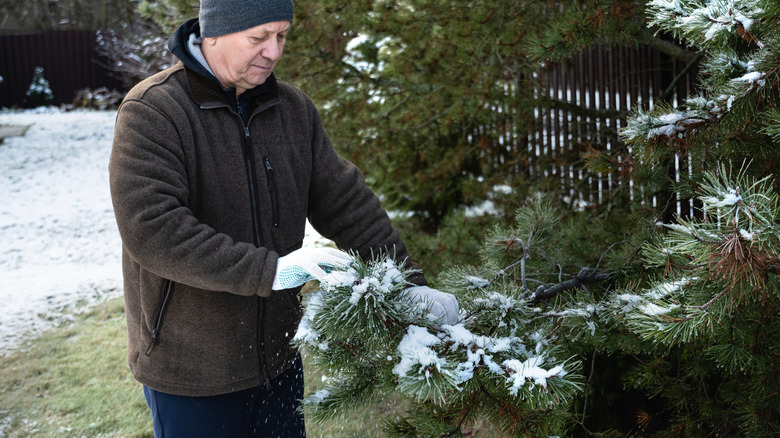
In tiny amounts, snow can be desirable due to its insulating effect. This is why some gardeners (in mild climates) prop up boughs against trees to catch more of it. Sadly, when it lies thick on tree branches, it creates a safety hazard. As they dip under their collected weight, the limbs can break, stressing trees. To circumvent this, lightly sweep the snow away by swinging the broom in an upward motion; moving in the opposite direction will put more pressure on the branches, causing them to splinter away from the tree.
However, take a different approach to deal with the aftermath of an ice storm. Unlike snow, brushing off ice from bent branches inadvertently leads to breakage, sometimes causing irreversible damage. So, leave it be, allowing sunlight to work its magic. If your trees can handle extra weight, pour some cold water on top to speed up melting. Alternatively, prop the branches against wooden poles or frames to stop them from bending any further. This problem is most prominent in evergreens with an upright habit and trees with co-dominant or multiple leaders.
Fence the area to control animal damage
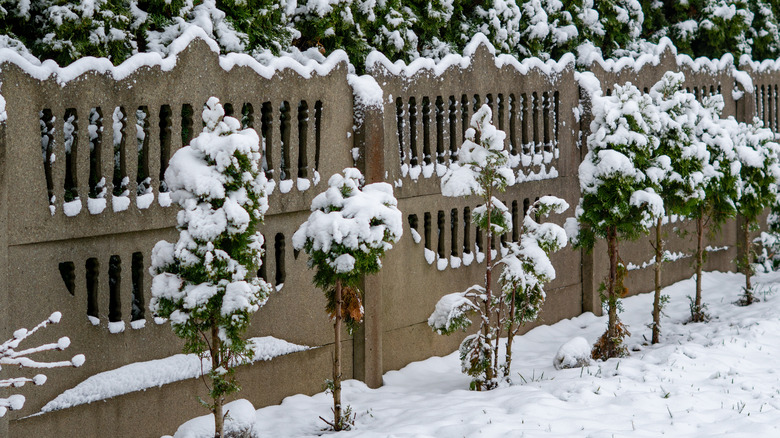
When food becomes scarce during cold months, nuisance pests like deer, rabbits, and voles venture into home gardens for easy pickings. Tender, young trees and shrubs are the first ones to go and are often pruned to the ground, while established plants are stripped clean of their foliage, bark, and stems. Unless you take away their visitation rights and put down physical barriers, your spring garden will be riddled with a host of girdled or dead trees.
Supplement existing winter coverings, including tree guards and burlap, with fencing. Be sure to push it about 3 inches deep into the soil to prevent mice and voles from tunneling underneath. Also, ensure it's at least 2 feet high above the snow line to keep rabbits from climbing in — go up to 8 feet high for deer. Since rodents can overwinter in mulch, lay down hardware cloth, like Vevor's Galvanized Wire Mesh Roll, atop plants before topping for deterrence. If you're prepared to brave the snow repeatedly, spray repellents.
Check perennials for signs of heaving to prevent root dehydration
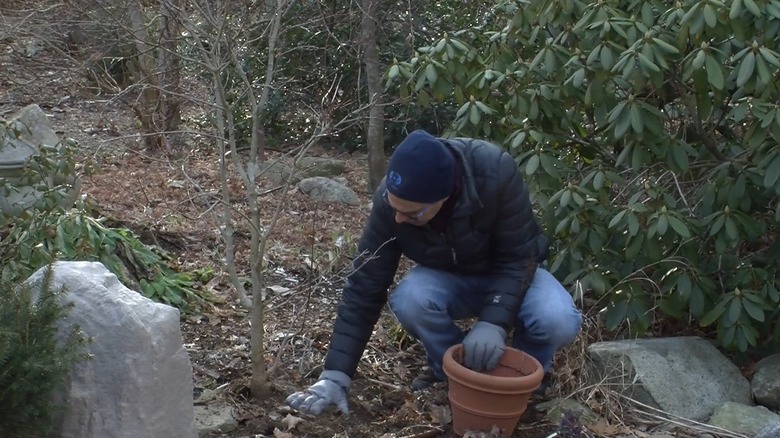
Newly planted perennials struggle to keep up with the unending loop of freeze and thaw during frost season. Since their root systems aren't developed, they aren't fully anchored into the soil. So, when the topsoil melts from the sunny warmth, their root balls or crowns are pushed out of the soil, becoming exposed to the seasonal vagaries. If not covered in time, their roots may dry out, effectively killing the plant.
To ensure your new plantings make it to spring, make the rounds of your garden beds frequently and push the plants that have heaved out back into the ground. Also, top them with a thin layer of mulch, like wood chips or bark splits, for extra protection.
Minimize the use of deicing compounds to avoid salt drift in your garden

There are certain downsides to using too much deicing salt in the winter to melt snow on your driveway and walkways. These salts can leach into the soil, destroying its structure and raising pH levels. As they accumulate over time, they inhibit water infiltration and aeration, making the soil inhospitable to plants. It gets worse in late winter when thawing soils enable plants to absorb water. Salts deposit on their leaves and buds, causing severe dehydration, while also interfering with vital processes, including photosynthesis and transpiration. Sadly, plants with salt injuries rarely perform well in spring.
So, to ensure your plants get the best growth environment, limit how and when you use deicing compounds. If budget isn't an issue, switch from rock salt to calcium magnesium acetate (CMA), as it isn't as damaging. Otherwise, mix in gritty materials like sand before spreading. Don't mound salt-treated snow against plants and keep them burlapped to limit salt sprays. In late winter, give the soil a deep soak to wash off salt deposits.
Check stored tender bulbs for rot

Not all bulbs and tubers can survive out in the cold in winter beds. For this reason, once the frost has destroyed their foliage and it has been cut back, their tender bulbs should be dug out and overwintered indoors. However, your work isn't limited to overwintering them in an unheated garage, shed, or basement. You must frequently check for any signs of decay and rot throughout the winter, so it's safe to plant them in the ground once spring arrives.
From time to time, examine the stored bulbs for foul smells, slimy spots, or mushy areas. Discard the rotten bulbs and make sure the ones remaining don't touch each other. This should minimize further spread. In case you notice their skin turning crinkly or feel they appear parched, water their storage medium, which is typically a mix of peat moss, coconut coir, and vermiculite.
Water evergreens and conifers on sunny days and before a hard freeze to prevent foliage burn
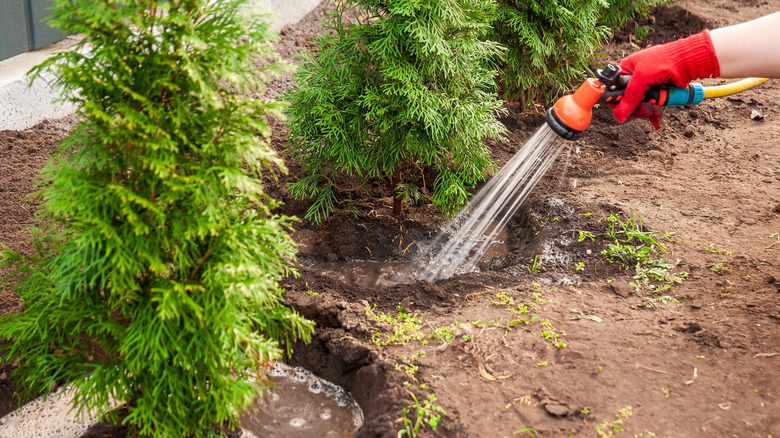
Beautiful and fast-growing conifers add privacy to your yard with their evergreen character. However, they need a good soak of water even during the frosty months for healthy spring growth. The reason? Moisture is consistently lost through their needles. Plus, exposure to desiccating winter winds dries them out further. If the roots can't replace this water loss because the soil is frozen, the foliage turns brown (called "winter burn"), and this unsightly appearance continues into spring until pruned out.
So to keep your evergreens and conifers from contracting winter burn, add supplemental water on warm mornings after the soil thaws. Do this especially if the preceding fall was dry and it hasn't snowed. Also, give them a good soak before a hard freeze. Wet soils can hold more heat and will radiate it out to the plants, thus protecting them from frost damage. For this to work, though, the soil must drain well. Applying a 2 to 3-inch-thick mulch layer should also help with moisture retention.
Prune trees and shrubs to rejuvenate their growth
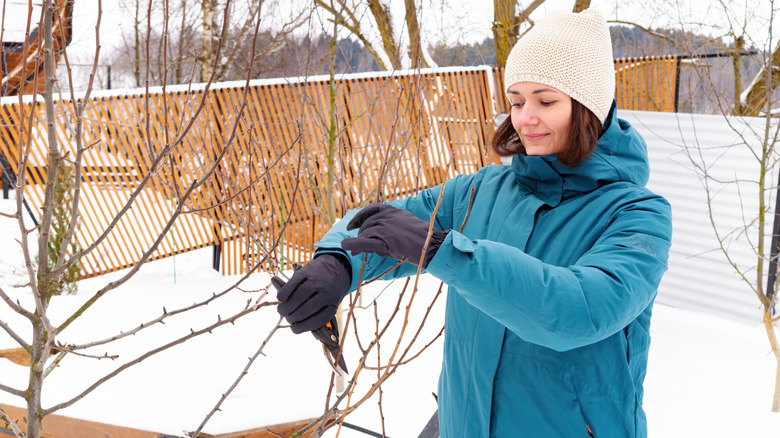
Late winter is an excellent time to prune deciduous trees, evergreens, fruit trees, and summer-flowering shrubs. The weather is agreeable enough to get some work done, while the branch structure is prominent enough to make the desired cuts. It also helps that nasty bugs aren't active around this time, giving the tree sufficient time to heal its pruning wounds without risking diseases or pest outbreaks. This is especially useful for oaks prone to oak wilt. Done right, pruning rejuvenates plant growth, restores health, and improves appearance.
To do this right, just remember the three D rule when pruning your plants. First, eliminate dead, diseased, and decayed twigs and foliage. Afterward, clip off crossing and girdling branches that may harm structural integrity and growth. Do note that sap-producing trees like maples, elms, and birches may bleed after pruning, though it's relatively harmless. Prioritize the hardiest species and make your way through to marginally hardy ones so late-season frosts won't harm your plants.
Spray horticultural oil on fruit, nut, and ornamental trees for disease control
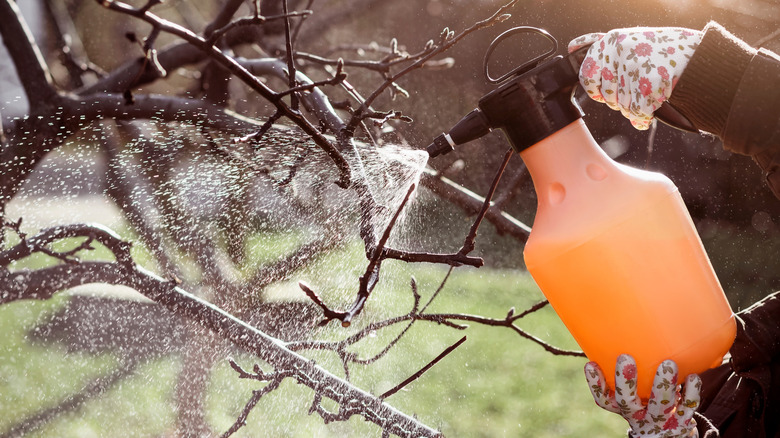
If pests and diseases plagued your trees in the previous growing season, spend some time in winter spraying them with horticultural oil and fungicide. As most fruit, nut, and ornamental trees are already dormant and lie bare after shedding their foliage, targeting overwintering eggs and soft-bodied insects becomes much easier. With the right fungicide (sulfur products), you can even control fungal spores responsible for powdery mildew, leaf curl, and other tree diseases. This will ensure healthy growth in the next season. Besides, spraying before pollinating bees emerge and get busy on new buds minimizes damage to their already dwindling populations.
Horticultural oil sprays are typically applied once a year prior to bud break — it's usually January or February for most locations. However, you may need extra applications if disease and pest pressure are particularly intense.
Work compost into the soil in late winter to jumpstart microbial activity and improve moisture retention
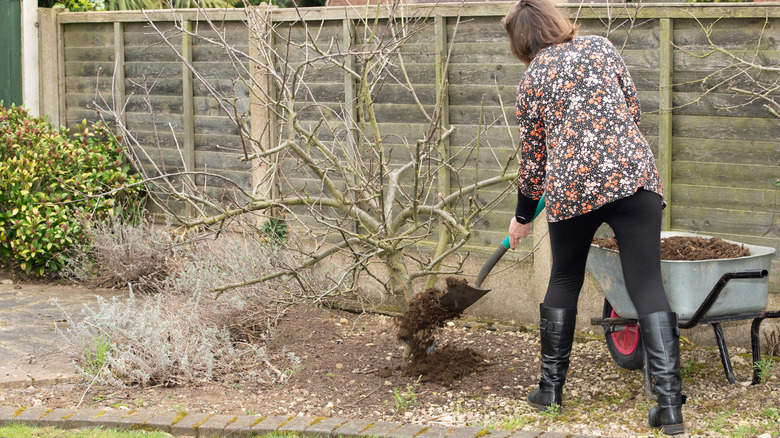
Rather than waiting until spring to amend your garden's soil, use the last days of winter to give it the nutrient boost necessary for healthy plant growth. Whether you make your own DIY compost or purchase it bagged, adding it to beds enhances the soil's ability to retain moisture. Moreover, soil microbes get busy breaking it down, releasing essential nutrients in time for spring growth. Done right, your flower, fruit, and veggie beds will be lush and full in no time.
So, what is the exact amount of compost your soil needs? Typically, you shouldn't add more than 1 inch of compost to existing garden beds annually. Otherwise, it may lead to the buildup of phosphorus in the soil. This, in turn, can leach into groundwater and waterways, harming the ecosystem. Excessive compost application can also lead to salt accumulation, harming transplants, fruiting plants, and grass seeds. If you maintain a native garden, consider working compost into the soil every other year, as they're adapted to unconditioned soils.