

Here's How Often You Should Clean Bed Sheets In The Winter (& The Best Way To Do It)

There's something about clean sheets that just makes it easier to get a good night's rest, and the effect of cozy, fresh bedding is even stronger in the cold winter months. Even if you don't follow it, you likely already know the general recommendation to wash your sheets once a week. However, just as the guidelines around how often to clean bed sheets in the summer can change, your washing routine for your bedding may be different in the winter. For some, the lower temperatures mean that washing the sheets every 10 to 14 days in winter should keep the bedding fresh. However, there are some personal factors, such as nighttime perspiration and allergies, to consider before changing your schedule.
As the temperatures decrease, many people's sweat levels do the same, but if you switch to heavier sheet materials or even just warmer pajamas, you might sweat just as much. Plus, you may spend more time in your comfortable, warm bed than normal to escape colder temperatures. Cold, dry air can also dry out your skin and leave you with more dead skin cells in your bedding. Trying to combat this with lotions and oils will also cause a build-up of product in your sheets over time. So, if you notice that your sweat level hasn't changed much or that your skin is especially dry, you might want to keep your wash schedule closer to weekly. Colds and flus are also more common in winter, and if you catch one, you should wash your sheets frequently to kill off lingering germs.
The best way to wash bed sheets in the winter
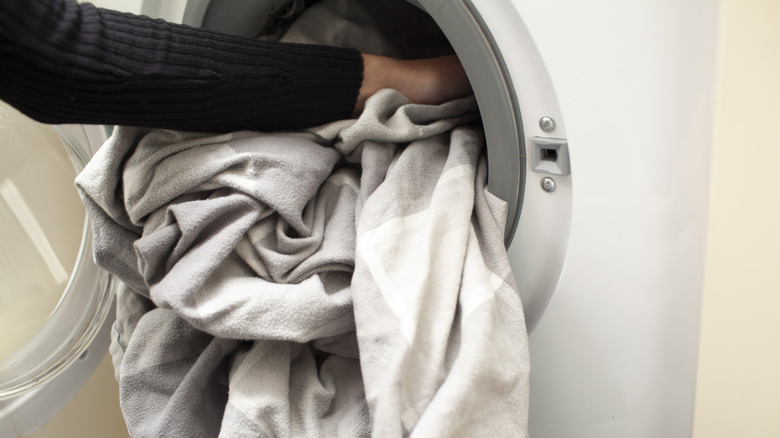
No matter the season, there are some methods that are better than others and some mistakes to avoid when washing your sheets. First, be sure to read and follow the care label on your sheets to avoid damage from too much agitation or heat. Some sheets are hand-wash only, while others can tolerate the washing machine.
If they are machine-washable, then you may want to opt for sanitization when possible, because the water gets far hotter and can help kill germs, reduce their spread, and limit the possibility of re-infection. Check the label for the maximum temperature your sheets will tolerate, and wash at that temperature. Especially in the winter, when dry skin is common, you might want to use a gentle laundry detergent formulated for sensitive skin. Wash your sheets separately, and avoid fabric softeners, which can damage many fabrics. After washing, dry at the highest recommended temperature, use wool dryer balls to reduce friction, and make sure the sheets are completely dry before remaking your bed with them.
For more warmth at night, switch from lightweight summer sheets to the best bedding for the colder months, which can consist of flannel, cotton, or microfiber sheets. These materials retain heat well and are often thick and durable, but you may still see label recommendations to air dry or avoid hot water. Finally, don't neglect the rest of your bedding. Blankets and duvet covers that have direct contact with your skin also need to be washed regularly in the winter, while comforters and pillows should be washed at least a few times per year.