

Container Gardening Is Changing With More Environmentally-Friendly Solutions
We may receive a commission on purchases made from links.
Did you know that up to 98% of plastic plant pots end up in landfills? Plus, the plastic they're made of does not break down quickly, which can have a significant impact on the environment. In fact, the problem is so widespread that organizations like the Association of Professional Landscape Designers (APLD) are investing in research into solutions to combat it on a household and industrial level. Some companies and organizations, like The Natural Gardener in the U.K., are even pushing for a plastic pot tax on gardening pots — similar to the plastic shopping bag charge common today.
Refined recycling solutions or buying deterrents aren't the only ways to reduce plastic waste in your garden. In recent years, more sustainable products have come to the market, but so has the idea of reusing your materials to DIY biodegradable plant pots. You can upcycle household waste — from newspaper to egg cartons to toilet rolls — into seed starter pots, and there are a plethora of eco-friendly planter brands, such as CowPots, Enviroarc, and EcoForms. Go entirely container-free with soil blocks.
As awareness and investment in greener options gains traction, gardening is changing with more environmentally-friendly solutions like biodegradable plant pots. Plus, some sustainable options have been repopularized as sustainable alternatives to plastics. In general, you will find two types of biodegradable plant pots: plantable and compostable. Some options are designed for use directly in the ground and are made from biodegradable mediums. Compostable planters are often made from materials that will break down quickly, but not so fast as to render them impractical for container gardening.
Bamboo Blooms
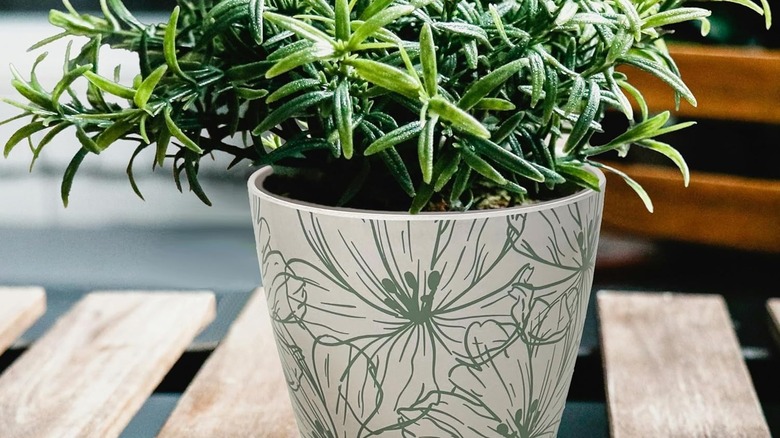
Bamboo Blooms flower pots are compostable, biodegradable, and ideal for container gardening. These planters are manufactured from a mixture of bamboo, wood pulp, starch, and resin. The unique thing about the Bamboo Blooms planters isn't just the fact that they are decorative and fully compostable. They are also designed with water conservation in mind. Each pot features the company's patented self-watering technology — it has a well at the bottom that holds water, allowing your plant to take up water when it needs it. You can find these pretty planters at big-box retailers like Target or online at Amazon.
Cardboard or paper seed-starting pots
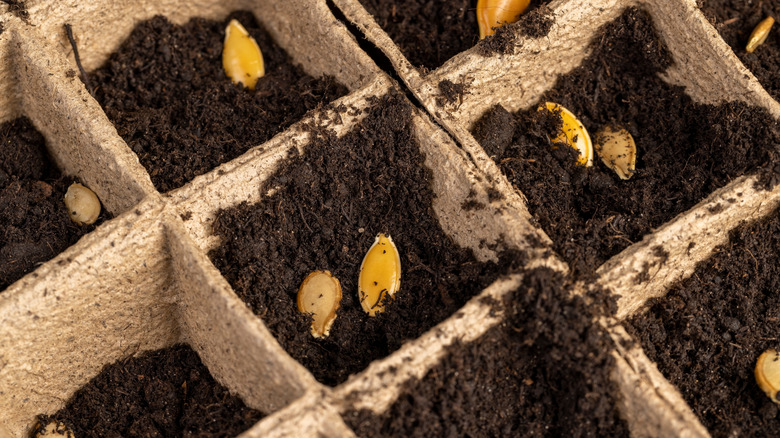
It's easy to grow healthy seedlings with DIY cardboard biodegradable seed starting pots. Not interested in making your own? You can also find affordable recycled paper pots at garden centers. Store-bought pots may feature bases that you can tear off when it is time to plant your seedlings in the ground — useful for plants that don't like their roots disturbed. As the cardboard breaks down, it adds carbon to the soil and may attract beneficial insects. Most seedlings and even plants will do fine in any cardboard planter sized to their root system.
Coconut coir
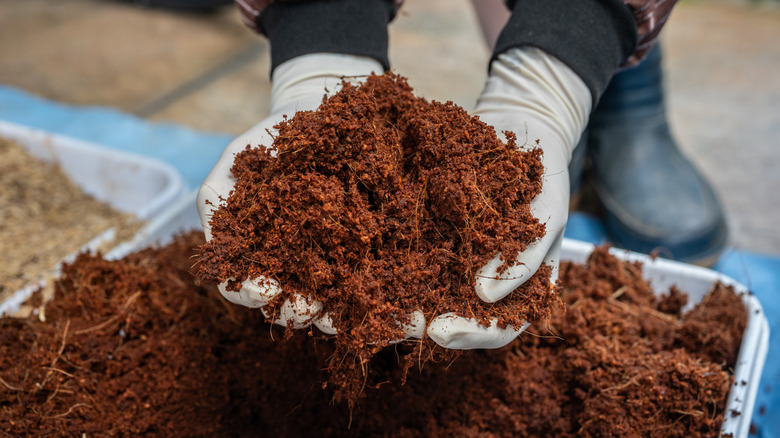
Coconut coir — also called coir peat, coir pith, or fiber dust — has become a container gardening staple over the past few decades. For good reason, too! It offers a myriad of benefits for your plants and soil. Coir is made from coconut husks that are removed during harvest and shipping. It is compressed into chips or croutons or ground into a loose fibrous material. It offers good drainage while retaining moisture and is biodegradable and sustainable. It can be used in any planter, from practical to decorative, and added to your compost at the end of its life.
CowPots
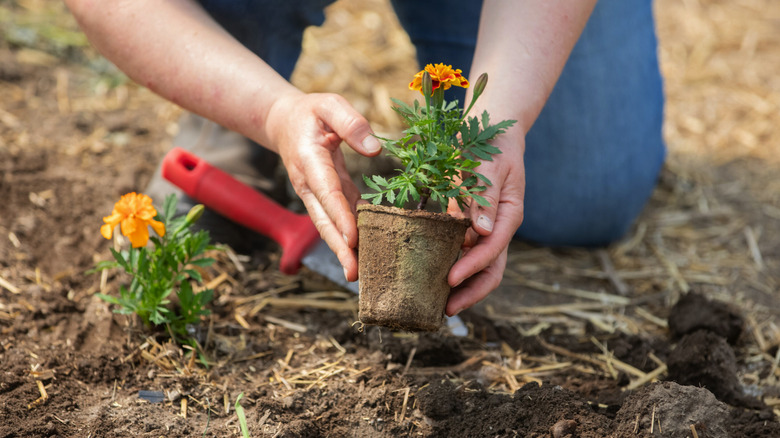
As the name so cleverly hints, CowPots are a sustainable, biodegradable plant pot made from cow manure — typically sourced from dairy farms. These innovative recycled pots address several problems that gardeners face while reducing waste from high-production animal agriculture. Not only are they biodegradable, but they also act as natural fertilizer for seedlings. Plus, there is virtually no manure smell. However, they can break down quickly if you overwater your germinating seeds — at least that's what real reviews say about Shark Tank's CowPots. Are they right for you? Most customers report positive experiences.
EcoForms
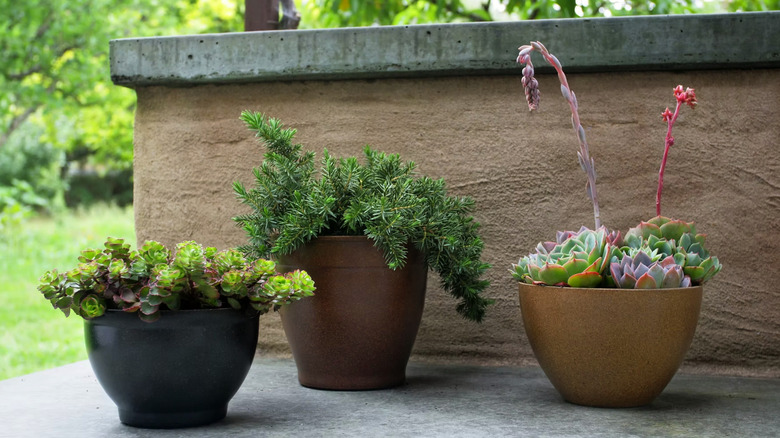
Looking for biodegradable, long-lasting pots designed to replace plastic planters? Try EcoForms! These attractive flower pots are made from rice hulls mixed with starch-based binding agents. They're processed under intense heat and pressure to create a hardy plastic-like material. Unlike many of the other environmentally-friendly solutions that have gained popularity over the years, these are not a single-use item. The company claims that EcoForms will last at least five years in outdoor conditions. They won't break down in your garden or homemade compost, but they will decompose in a landfill.
Egg cartons
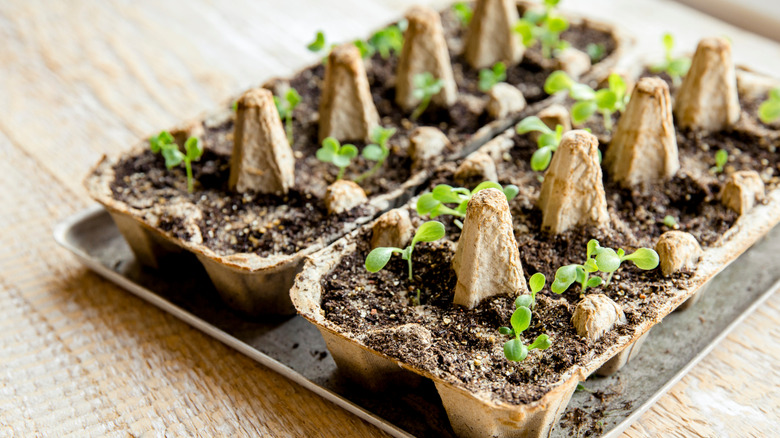
Egg cartons are an easy, convenient solution for environmentally-friendly gardening that reuses household products. However, you will want to make sure that the egg cartons you have on hand are made from biodegradable materials before planting seeds in them. Most cardboard egg cartons work just fine. To prevent the soil from getting too soggy, poke a hole in the bottom of each cup for drainage. Once your seedlings are ready to transplant, you can simply cut the cup away from the carton, place the whole thing in a larger planter, and add a final layer of soil.
FertilPots
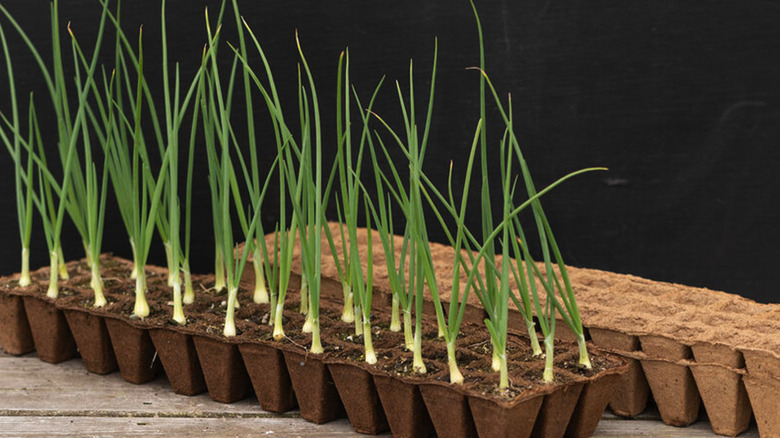
FertilPots are manufactured in France and are available for sale in the U.S. at specialist nurseries like Johnny's Selected Seeds. They look similar to other seedling pots on the market, but they are made of wood fiber sourced from sustainably harvested forests. They can be planted directly into the soil or the larger pots can be used as standalone planters that last more than one year. FertilPots are certified organic, so they are the perfect choice for sustainable or low-waste gardeners. The company even makes pots for hydroponics systems.
Newspaper pots
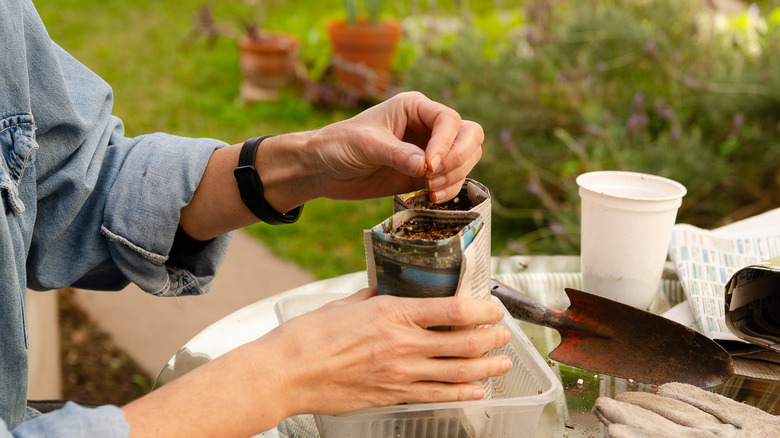
Gardeners using newspaper pots for starting seeds are often impressed with the results. They're a budget-friendly, biodegradable option. It takes a bit of work to fold them into the best shape to hold soil for seed starters, but if you're crafty, it's a suitable alternative to plastic pots. We like this easy video tutorial on how to fold the pots from LearnHow2. If your seeds have sprouted and you're ready to plant your seedlings, pop them directly into a larger pot filled with soil. The newspaper will break down, allowing the plant to spread its roots.
Soil blocks
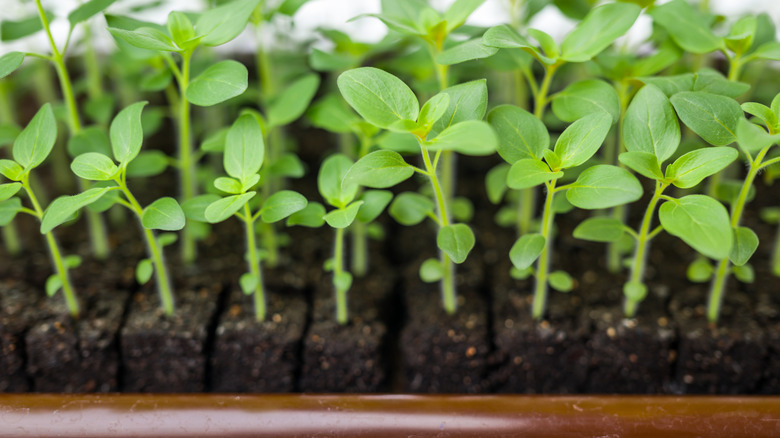
While technically not pots, soil blocks have long been used as a sustainable option for seed starting. To make soil blocks, you need to tightly compress soil into a pot shape using a Ladbrooke Mini Hand-Held Soil Block Maker — or any other brand of molding machine. Once your seedlings sprout, you can place them directly into a larger planter filled with soil. Note, however, that soil blocks can fall apart before your seedlings are ready to transplant. They may not be the best choice for plants with delicate root systems.
Toilet paper tube pots
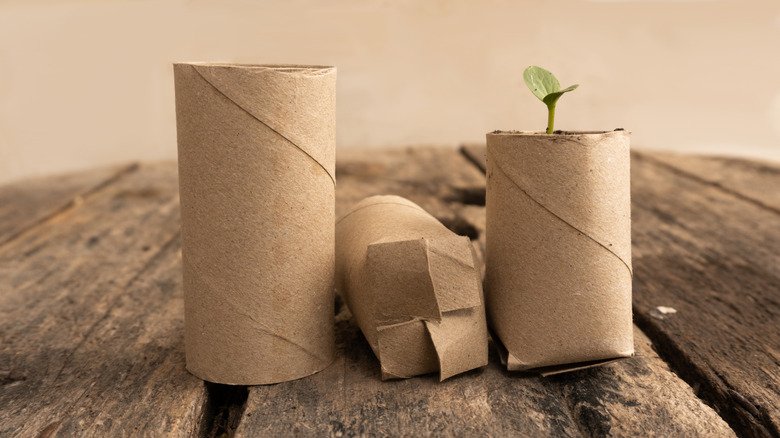
Don't want to harm the environment with your gardening practices? Folded cardboard toilet paper tubes are another affordable seedling planter option that you can make yourself. Not only is this an easy DIY solution, but you are also recycling your household waste. All you need to do is cut four short slits into one side of the tube. Then fold them onto each other, overlapping them as you would a cardboard box. Press the folded side of the tube onto the table to flatten it, fill it with soil, and add your seeds or cuttings.