

How To Keep Pop Culture Collectibles In Your Home While Feeling Organized
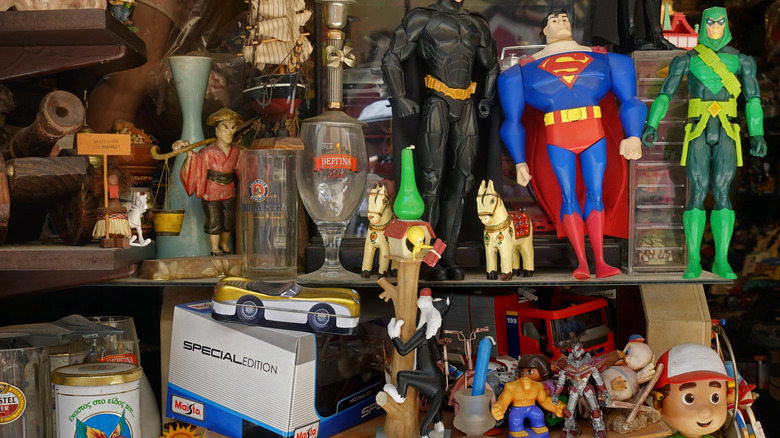
Collectibles come in all shapes, sizes, and forms, which can make it difficult to know how to display them in a way that highlights the collection without causing confusion. Whether you are looking for ways to incorporate pop art in your home, show off your best sports memorabilia, trading cards, or comics, or decorating your gaming room with figurines, the way you organize the display with define the impact the collection makes. There are two reasons people generally display pop culture collectibles. The first is that when people display these items in a living space, it makes them happy that their space reflects their personal interests. The second is to display the items for others when entertaining. However, in either case, if the display looks cluttered, it can cause the opposite effect and make people feel more stressed, rather than impressed. This is why you want to organize your collection around existing decor, curate it by picking consistent color palettes, and utilize wall space as a display solution.
There are plenty of places people choose to display collectibles, such as their living room, office, bedroom, or multi-purpose rooms. No matter what space you choose, start by defining a vision for the display. Take the time to understand why you are displaying the collection, what aspects are the most important, and what impact you want it to make. Don't be afraid to pick out some key items that will get more attention than others to create space. As you work through the planning process, consider the theme you are going for and settle on a unifying color palette to tie everything together.
Select the best display solution that will create space and focus
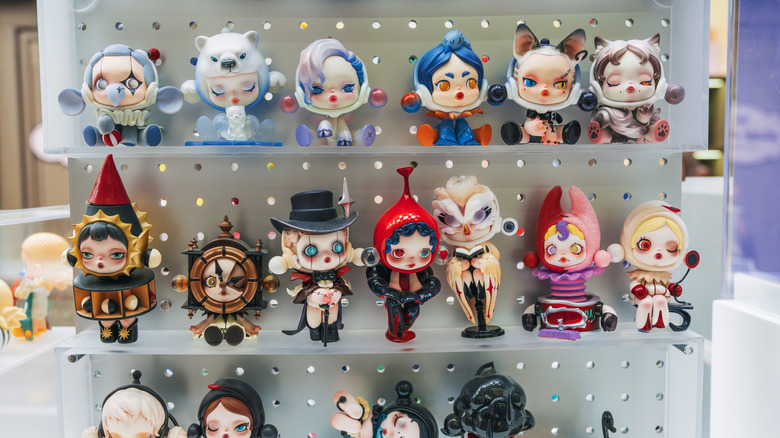
When selecting a display for your collection, you will want to choose something that will provide the collection with adequate protection and space, without sacrificing aesthetics. The best type of display solution will depend on the type of collection you are displaying, the space you have available, and the overall intent of the display. For example, a card collection that takes up floor space may work best in a standing display shelf that can hold featured cards. Undisplayed cards can then be placed in binders and stored in a lockable cabinet hidden out of sight. On the other hand, a figurine collection that uses wall space works just fine on curated shelves. In addition, art, posters, or memorabilia may work in frames.
You can also combine solutions to work as both display and storage. For example, an affordable way to display vinyl records that doubles as storage uses command strips and plastic sleeves. This combination works best for large collections because it allows you to display the pieces of your collection that you want featured, while keeping the less notable, more personal, or more valuable pieces safely guarded in a private location.
To keep things looking neat and organized, you will want to make sure that all the displays that you choose to incorporate into the design match the defined theme and color palette. This will help tie everything together and ensure the final display feels cohesive with the collection and the room it is displayed in. You will also want to keep the other decor in mind when planning the display.
Create visual impact without clutter or confusion
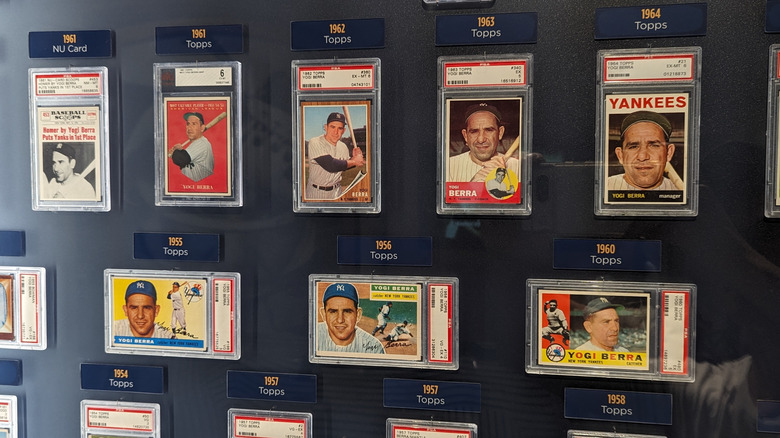
When it is time to put it all together, space and focus are the two most important aspects to consider if you want the display to look organized. This is where you can really lean into the planning from the beginning. Start by selecting the items that are the most important to the collection. Define how they are going to be displayed and where. Use this to create a focal point that draws the eye and defines the collection.
Once the main display is done, use the other items in the collection to frame the focal point, but don't crowd it. Give each piece at least 2 inches of room in any direction. After all, if you included the item in the collection, it must be important enough to earn its own space. The consistency of the spacing, however, is actually more important than the distance between each item. Things start to feel cluttered when they appear to be haphazardly strewn around a space. Consistent spacing creates visual flow and conveys intent.
Finally, enhance the collection with something that brings it all together. Lighting is a great solution, especially since multicolored LED lights make it easy to fit any theme. Plus, they can turn basic shelving into a glowing statement piece with very little effort. Underlighting or backlighting is a great way to draw attention to larger focal points while creating a soft look for smaller spaces.