

6 Tiktok Fertilizer Hacks That Are Worth Trying (& 6 To Avoid)
We may receive a commission on purchases made from links.
TikTok is bursting with fertilizer hacks that promise lush growth and bountiful harvests, but not all that glitters on your For You page is gardening gold. We've all seen those videos where creators swear by banana peels, eggshells, or coffee grounds as miracle fertilizers, and while some have real science behind them, others can do more harm than good to your plants. The problem is that viral doesn't always mean viable, and what works in one climate or soil type might flop spectacularly in yours, leading to nutrient imbalances, root burn, or pest problems.
That's why we're breaking down six TikTok fertilizer hacks that are genuinely worth trying because they deliver proven results with minimal risk, plus six to avoid that sound clever but can actually stress or damage your plants. For each one, we'll express exactly how it works — or why it doesn't — explain the science, and give a few practical tips to make it succeed in your garden. Whether you're growing tomatoes, houseplants, or veggies in containers, these vetted hacks will help you separate the fertilizer facts from the social media fiction so you can boost your plants without the guesswork.
Use seaweed to add micronutrients
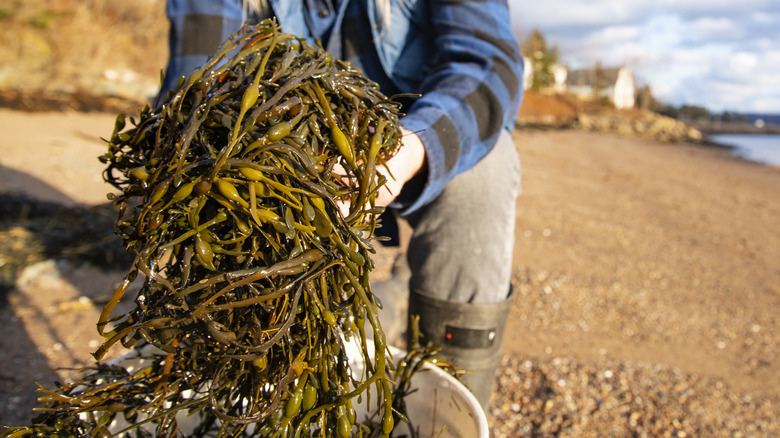
Seaweed fertilizer has gone viral on TikTok for good reason, with creators blending fresh kelp into water or using liquid extracts to give plants a boost. This hack involves soaking dried seaweed or using ready-made seaweed extracts and applying the liquid as a foliar spray or soil drench. It's a simple, natural way to deliver targeted nutrition to container plants and garden beds.
Seaweed works because it's packed with trace minerals like iron, zinc, and manganese that many soils lack, plus natural plant hormones that stimulate root growth and stress resistance. Unlike synthetic fertilizers focused on nitrogen, phosphorus, and potassium (NPK), seaweed delivers the micronutrients plants need for healthy development, especially seedlings and transplants. Use liquid forms for quick absorption or powder mixed into soil and apply every two weeks during active growing seasons, but dilute properly to avoid salt build-up. It's most effective on veggies, flowers, and stressed plants recovering from transplant shock.
Consider blood meal for slow-release nitrogen

If you've never heard of blood meal, it's essentially just dried animal blood turned into granules. Blood meal fertilizer has caught attention on TikTok, with creators sprinkling it around plants or mixing it into soil to encourage leafy growth. While it's a useful fertilizer and should be on your radar, there are a few things you should know first.
Blood meal works because it's roughly 15% nitrogen with a medium to fast release rate, providing consistent feeding without the burn risk of synthetic quick-release formulas. The organic nitrogen converts slowly through soil microbes, supporting leafy growth on veggies, lawns, and heavy feeders like corn or brassicas. It may also deter deer and rabbits when applied to the surface due to its strong scent.
However, using too much of it, or if your soil is already high in nitrogen, could result in nitrogen burns on your plants or leafy growth at the expense of flowers or fruits. Test your soil first to confirm nitrogen needs, and wear gloves and a mask when handling to avoid its potent ammonia smell from sticking to your hands.
Save the turkey bones from Thanksgiving to add phosphorus to your soil
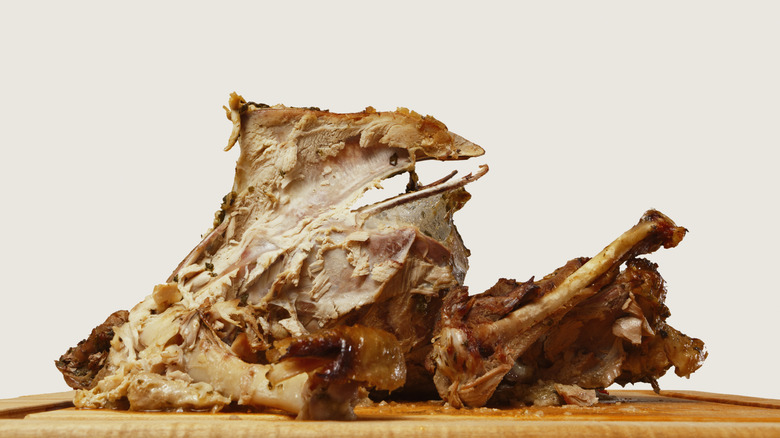
Thanksgiving turkey bones might look like kitchen trash, but they're actually a phosphorus goldmine for your garden. TikTok creators are saving these bones from holiday meals, cleaning and crushing them to make homemade bone meal for roses, bulbs, and fruiting plants. This hack mimics commercial bone meal by providing a natural phosphorus boost through gradual breakdown.
Bone meal is roughly 3% nitrogen and 15% phosphorus with a medium to rapid release rate, so it's perfect for root development and blooming plants. Phosphorus strengthens root systems and supports flower and fruit production, especially in phosphorus-deficient soils common with containers or sandy gardens. However, there are two things to keep in mind.
First, boil the bones thoroughly to kill pathogens. Also, you'll need to crush bone meal into a fine powder, or wait for the bones to decompose before they release the much-needed phosphorus, so make sure you have a strong blender on hand, like the Ninja BN701 Professional Plus Blender. Once they're pulverized, bury the crushed bones 2 to 4 inches deep near plant roots or mix the powder into planting holes for bulbs and transplants. Apply in fall for bulbs or spring for veggies, but test your soil first since excess phosphorus can tie up other nutrients.
Save the fireplace ashes and use for potassium and magnesium
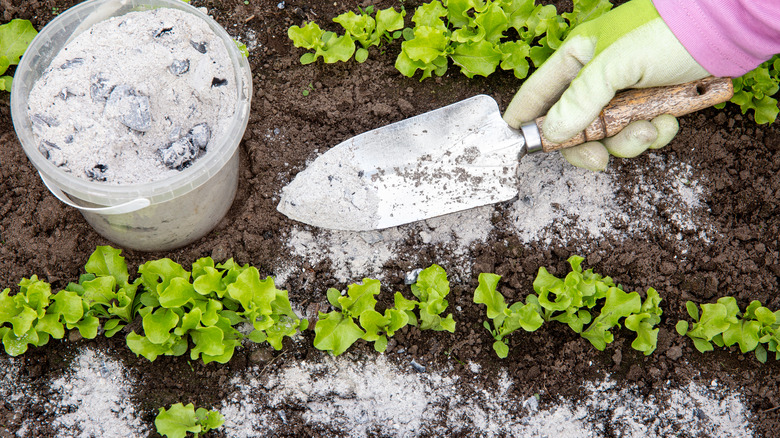
Fireplace ashes might seem like something to toss out with the trash, but they're actually a fertilizer powerhouse that TikTok gardeners are collecting for their gardens. Creators sift clean wood ashes from untreated logs and sprinkle them around plants or mix them into compost for a natural nutrient boost. This hack turns cozy hearth leftovers into garden gold without buying expensive potash fertilizers.
Wood ashes provide about 5% potassium and 2% phosphorus with rapid release, plus magnesium and a liming effect that ever-so-slightly can raise soil pH, but don't rely on it alone to make your soil more alkaline; that's a bigger project that needs more interventions. The potassium strengthens stems and improves disease resistance, while the lime boosts the pH of soils. Make sure to only use ashes from untreated hardwood, and never charcoal briquettes or painted wood. Sift ashes to remove debris, then apply no more than 5 pounds per 1,000 square feet annually to avoid over-liming.
Use comfrey cuttings in your compost tea

Comfrey (Symphytum grandiflorumor Symphytum officinale) might look like a random garden weed, but TikTok creators are soaking its leaves to make nutrient-packed tea that rivals expensive commercial fertilizers. This hack involves steeping fresh or dried comfrey leaves in water for days to extract nutrients, then using that liquid as both a foliar spray and soil drench. The result is a dark, earthy liquid packed with plant food that costs almost nothing to make.
Comfrey compost tea is an organic fertilizer because the leaves are high in nitrogen, phosphorus, and potassium, the three major nutrients plants need. It's also loaded with micronutrients like calcium and magnesium that support overall plant health. The tea works fast when sprayed on foliage for quick nutrient absorption or applied to soil for root feeding. Wait for your comfrey plant to be established before harvesting to make compost tea so that it has time to settle in. Steep 1 to 2 pounds of fresh leaves in 5 gallons of water for five to seven days, then strain and dilute before using. Apply every two to three weeks during the growing season to veggies, flowers, and fruit plants. Finally, only use homegrown plants since some comfrey cultivars are invasive.
Keep dead leaves and turn them into fertilizer

Fall clean-up doesn't have to mean bagging leaves for curbside pickup. TikTok gardeners are using fallen leaves as fertilizer that feeds plants through decomposition by layering them into their garden beds or compost piles. Instead of hauling leaves away, creators are letting nature do the work by incorporating them directly into the soil, where they break down and release nutrients.
Dead leaves are packed with organic matter that can improve soil structure in multiple ways, depending on your soil type. In heavy clay soils, a 6- to 8-inch layer of leaves worked into the top few inches helps with drainage and aeration, which can help prevent root rot. In sandy soils, leaves help retain moisture and nutrients that would otherwise leach away.
As leaves decompose, they release nitrogen, phosphorus, and potassium slowly, feeding plants over weeks and months. You may want to shred leaves with a mower before spreading to speed decomposition, but it's also fine to just layer them whole in the fall for spring incorporation. Mix them into garden beds in fall or add to compost bins year-round for dark, crumbly finished compost by next season.
Skip crushing eggshells unless you have a grinder

TikTok gardeners love rinsing and crushing eggshells for "free calcium," but unless you grind them to a fine powder, they're mostly wasted effort. Hand-crushed eggshells decompose so slowly that they provide almost no usable calcium to plants during a single growing season. Studies show coarsely crushed shells perform little better than doing nothing at all for soil pH adjustment or calcium availability.
The problem is particle size: only finely ground eggshell powder rivals commercial lime or calcium hydroxide in effectiveness. Coffee grinders or blenders can turn eggshells into usable fertilizer. If you don't have a dedicated grinder, you can pick one up for pretty cheap — an Amazon Basics Electric Coffee Grinder is under $20 — or skip eggshells and use crushed oyster shell or gypsum instead for reliable calcium.
For those with grinders, rinse shells thoroughly, allow to dry, then pulverize into flour-like powder. Mix 1 to 2 cups per square yard into planting holes or around acid-loving plants like tomatoes, peppers, and brassicas. Also, test your soil pH first, as excess calcium can lock up other nutrients in already alkaline soils.
Don't mix eggshells with lemon juice
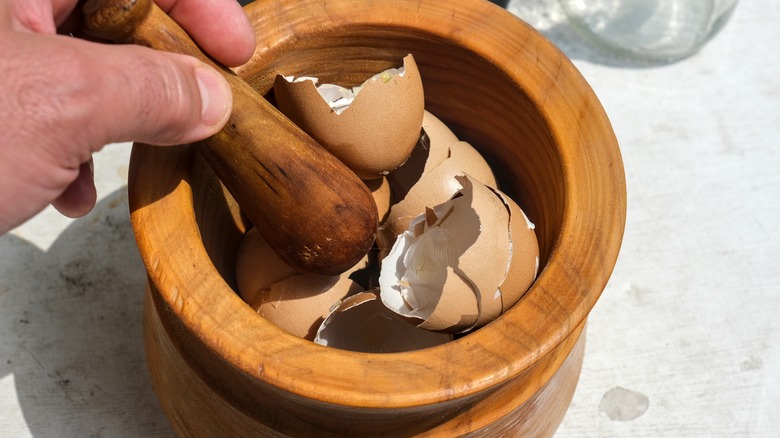
This viral TikTok hack suggests crushing eggshells and mixing them with lemon juice to create a quick-release calcium citrate fertilizer that plants supposedly absorb fast. It sounds smart, in theory: Lemon juice's acidity supposedly breaks down the shells instantly, providing calcium for stronger roots, stems, and disease resistance. But in truth, eggshells break down so slowly that even with lemon juice, the calcium release is minimal and takes months, not days.
Plus, the acidity from lemon juice can drop soil pH too low, harming plants that prefer neutral or alkaline conditions, like most perennials and veggies. Also, lemon juice is harsh as-is, and getting the ratio wrong makes it worse, potentially locking up other nutrients or burning roots.
Instead, stick to proven calcium sources like ground oyster shells, gypsum, or dolomite lime instead. But don't play fast and loose with adding micronutrients; look for signs of nutrient deficiency and get a soil test to be sure. If your soil test shows a calcium deficiency, these can deliver reliable results without the pH rollercoaster or waiting game.
Skip dumping coffee grounds directly into your soil

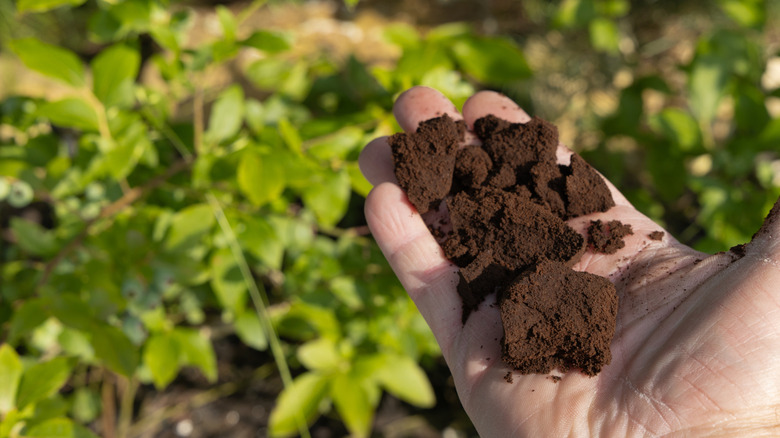
TikTok gardeners love tossing used coffee grounds straight into garden beds, thinking they're adding nitrogen to boost plant growth, but fresh grounds can actually harm your soil and plants. Coffee grounds contain nitrogen, but when applied fresh and undiluted, they're too acidic for most vegetables and perennials and can inhibit seed germination. The tannins in fresh coffee grounds also compact soil, restrict water infiltration, and create conditions that encourage fungal growth and disease.
The solution is moderation and dilution. Coffee grounds work best when mixed into compost rather than applied directly to soil, because the decomposition neutralizes their acidity and creates a balanced amendment. Limit fresh grounds to no more than 10% to 15% of your compost pile, then let them break down before applying the finished compost to beds. If you want to use grounds immediately, brew them into a coffee-compost tea rather than working raw grounds into the soil. Always test your soil pH first, since adding acidic amendments to already-acidic soils can create serious problems for plants.
Skip burying banana peels, but don't toss them in the trash

TikTokers will recommend burying banana peels directly in garden soil, claiming they add potassium and magnesium for blooming plants. While there is some truth to it, the reality is that whole peels decompose so slowly they become pest magnets and mold havens instead, attracting insects, slugs, and fungal growth that can spread disease to your plants. The nutrients tucked inside those peels aren't in a form plants can use immediately, so burying them wastes both the peel and your time waiting for decomposition that may never fully happen.
The smarter approach is to make banana peel compost tea for fast nutrient delivery. Chop your banana peels into small pieces, steep them in water for three to five days, then strain and dilute the liquid before applying to vegetable beds, roses, and fruit trees, where the potassium released will support flowering and fruiting. If you prefer traditional composting, add peels to your compost bin where they break down alongside other materials in a form plants can actually absorb and use.
Skip adding raw eggs into the soil unless you're a composting pro
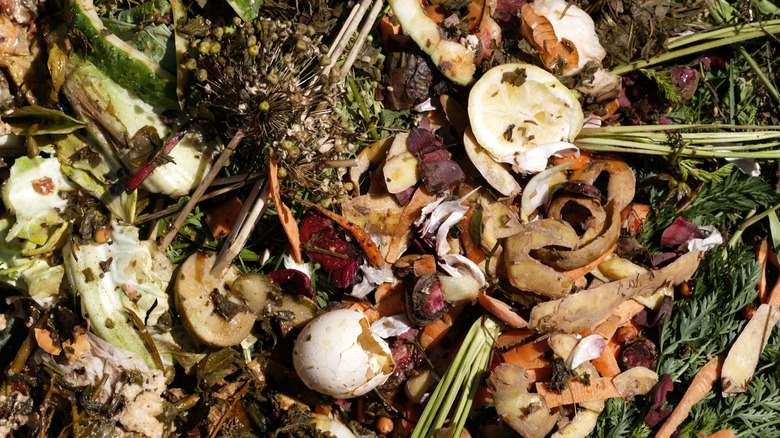
We've seen some TikTok creators suggest burying raw eggs in garden beds for calcium and nutrients, but unless you're confident in your composting skills, this hack creates more problems than solutions. Raw eggs decompose slowly in soil, releasing ammonia and sulfur compounds that create foul odors as they break down, attracting rodents and other pests that will dig them up looking for an easy meal. But also, eggs are really expensive compared to other calcium and nutrient sources like oyster shell, gypsum, or finished compost, so it just doesn't make financial or practical sense.
If you're determined to use eggs, you absolutely need to compost them first, but even then, this will require a precise technique and temperature control. Crack raw eggs and mix them thoroughly with brown materials like dried leaves or shredded cardboard to prevent odor and pest problems, then manage your pile carefully so decomposition happens in four to six weeks during summer or three to four months in winter. For most gardeners, though, it's really best to just skip the eggs entirely and invest in proven, inexpensive alternatives instead.
Maybe skip using pasta water as a fertilizer
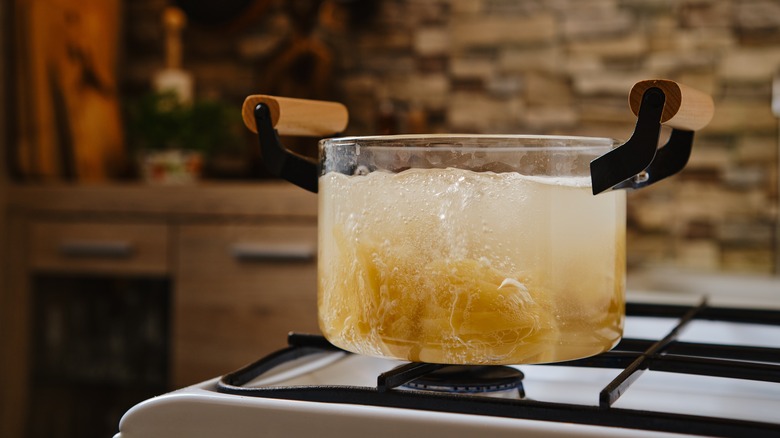
A few TikTok gardeners swear by using cooled pasta water to water plants, claiming the starch feeds soil microbes and boosts plant growth. While it's true that starch contains some nutrients, pouring pasta water directly onto soil or into compost creates more problems than benefits. The reality is that the starch in pasta water will hold moisture and create dense, soggy conditions that encourage mold growth, anaerobic bacteria, and fungal issues rather than feeding the beneficial microbes you're trying to help.
If you want to use your cooking water, stick to plain vegetable boiling water without salt or starch, which can safely water plants without moisture-trapping consequences. Save pasta and rice water for your compost pile instead, but only if you're mixing it with plenty of dry brown materials like shredded paper or dried leaves and actively turning your pile for good aeration. Your plants will thrive just fine with regular watering and finished compost, without the mold risk that comes from starchy shortcuts.