

Disadvantages To Grasscloth Wall Paper To Know Before You Buy
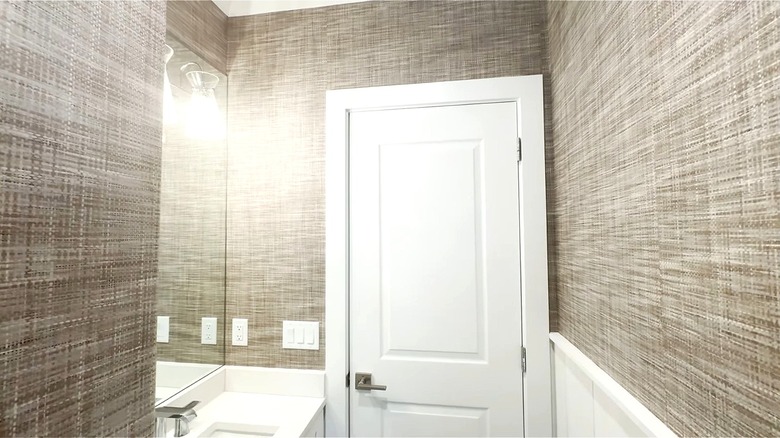
Choosing the right wallpaper for your space is both an extremely exciting and overwhelmingly difficult process. There are so many variables to consider, not to mention the endless options available in every pattern, color, and texture under the sun. A classic choice that always looks beautiful is grasscloth, a woven wall covering made from natural fibers like seagrass, hemp, reed, or jute that has been in use by designers for over a hundred years. While the beauty of grasscloth is undeniable, its complicated application and difficult maintenance can become deal breakers.
Before opting for this sophisticated wallpaper option that will add so much texture to your home decor, it's important to familiarize yourself with all of its challenges and shortcomings. As a natural fabric with a rice paper base, grasscloth is exceptionally fragile, hard to clean, inappropriate for moisture-prone areas, and tricky to trim and adapt to awkward edges and corners in your walls. To make matters worse, traditional grasscloth tends to be pretty expensive. Its stunning handwoven craftsmanship is most certainly part of its appeal, but also makes its manufacture a much costlier process.
What to expect when installing grasscloth on your walls
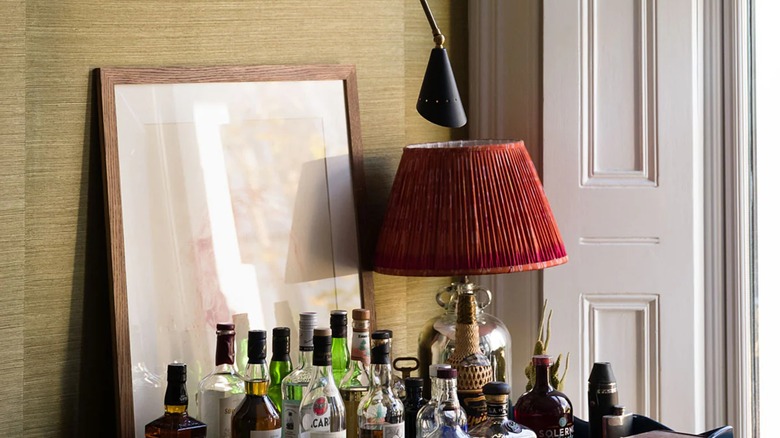
Grasscloth is the perfect calming wallpaper to consider if you find bright patterns overwhelming and simple painted walls boring. It provides subtle depth and movement to your space and, because of its hefty price tag and bespoke nature, has been cemented as a symbol of luxury. This, unfortunately, also means that it is not fit for active lifestyles that really make the most out of a home. Its fragile constitution will be damaged by curious children or pets, as well as stains that will inevitably result just from existing in a space.
It cannot be cleaned with water, as moisture will warp the material, so only light dusting and vacuuming can be employed in its upkeep. Similarly, keep it away from kitchens, bathrooms, or walls that are connected to the exterior that you suspect may be badly insulated. Grasscloth will not resist humidity.
In addition to these maintenance concerns, this type of wallpaper is also tricky to install. For starters, because they are handmade, each roll is unique and different from the next. The variations aren't striking enough to ruin the overall look of the room, but it's still recommended to plan where you want each panel to go to avoid overly harsh transitions between them. Cutting to size can prove difficult, too, with the different strands easily fraying at the ends. Faux grasscloth fixes many of these disadvantages and is impressively realistic, but much like other engineered materials, it may not retain the charm that makes the real deal so prized.