

4 Types Of Bidet Attachments For The Toilet In Your Bathroom (& Which Is Best For You)
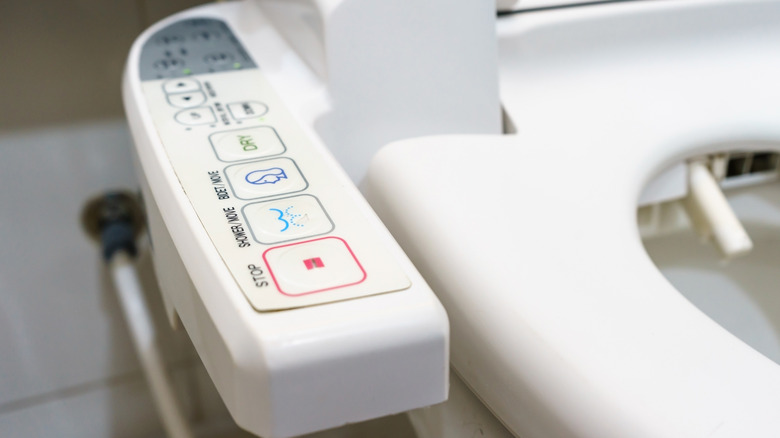
We may receive a commission on purchases made from links.
If you want a thorough clean every time you use the bathroom, it might be worth investing in a bidet. These devices act as an alternative to toilet paper, giving you the option to spray water directly from the plumbing to clean yourself. In some countries, they're a standard — Japan and many places in Europe, for example — but bidets are not as common to find in the United States. As a result, it's easy to feel lost if you want to try out this hygiene product for yourself. It can be confusing to shop around when you don't have much knowledge on what to look for in a bidet and what options would work for you. Thankfully, it's not very complicated if you're willing to do a little bit of research.
While there are standalone bidets that you can purchase and install next to your toilet as a separate appliance, these typically don't fall into the category of budget-friendly bidets that fit most people's price ranges. Instead, the vast majority of people opt for bidet attachments that can easily be installed onto an existing toilet. All bidets work in a similar way — feeding water from your plumbing through a sprayer of some sort — but there are a few different ways you can go from here. Handheld sprayers, electric bidets, bidet toilet seats, and non-electric bidets all come with their own pros and cons. Learning more about them can help you avoid the biggest mistakes you may be making when installing a home bidet and guarantee that you're left with a convenient clean every time.
Handheld sprayers are affordable and versatile
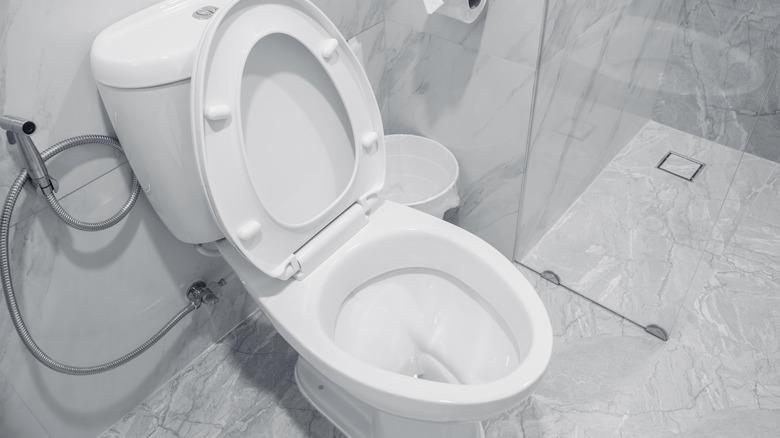
The first bidet attachment option might remind you of a similar spray nozzle you have on your kitchen sink, and if it does, you're not far off. Handheld sprayer bidets are essentially just a hose that connects to your toilet's water supply line. Because they're so simple, they're very easy to install and don't have a ton of bells and whistles. To use them, you simply aim and squeeze the trigger on the spray nozzle to start the stream of water.
With that being said, however, there are things you should consider before adding a handheld bidet to your bathroom, and most have to do with the user experience. Handheld bidets can be a bit more difficult to use if you're not experienced, and as a result, you could deal with annoying splashes of water around the bathroom while taking it off its hook. They also might present a challenge for those who don't have great mobility in their hands or wrists because its necessary to maneuver and aim the sprayer yourself. If you have curious kids, the mobility of the sprayer nozzle can be a con, too — a clean, dry bathroom is no match for a toddler armed with a hose.
To balance that out, however, there are also quite a few pros. Handheld sprayers are generally inexpensive, easy to install on your own, and don't require electricity to function. They're also versatile, as the simple sprayer mechanism can double as a device for cleaning washable diapers or the toilet itself. If you're looking for something basic but functional, handheld sprayers are a good choice.
Non-electric bidet attachments bring a simple clean
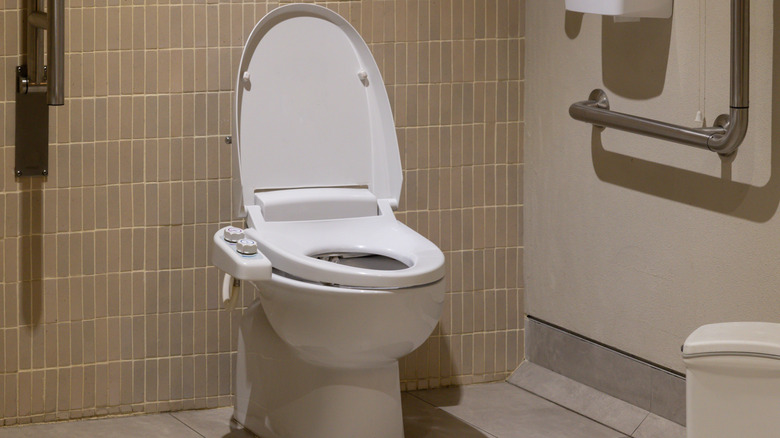
Sometimes, simple is better, and in many cases, a non-electric bidet attachment will do the job just fine. As implied, these bidet attachments hook up to a water source but don't have any power running to them. This means that they're a bit more simplistic, but they're also easier to install, especially if you don't have a power source nearby and don't want to go through the trouble of hiring a pro to install a new outlet.
Some of the cons are obvious; no power source likely means you won't enjoy features like heated seat, adjustable water temperature, or a drying function. For some people, this is a complete dealbreaker. But if you would've just seen those features as pleasant add-ons or unnecessary bells and whistles, the simplicity of a non-electric option might make sense for you.
If you go for a non-electric bidet attachment, your experience won't be as customizable, but it will still get the job done. Unlike a hose attachment, the non-electric bidet allows you to remain hands-free, controlling the stream with knobs. Non-electric bidets rely on your home's water pressure to function, similar to your shower, so there shouldn't be any worries about losing bidet function when the power is out. You'll also have the option to adjust the angle of the spray nozzle and the intensity of the flow of the water in many cases, so you're not completely without options. If you're limited by your home's design, don't need a ton of extras, or want to save money on your bidet install, a non-electric option might be for you.
Electric bidet attachments provide some perks
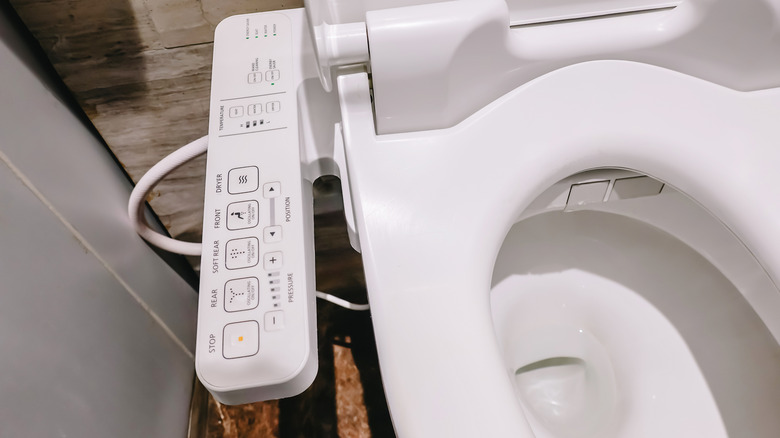
Interested in a more luxurious bathroom experience? You'll likely want to consider investing in an electric bidet to upgrade your daily routine. These attachments will provide just about anything you want out of a bidet and more, giving you the chance to upgrade your toilet from a simple porcelain necessity to something more akin to a throne.
Electric bidet attachments will obviously still perform the basic purpose of a regular bidet, but they also provide more opportunities to customize your experience. Each model may vary, but common features can include a hands-free stream, water heating, air drying, and various water pressure settings, helping to make your time on the toilet more comfortable. If you're not used to it, cold water spraying from a bidet can be a jarring experience, so having an attachment that has an option to control water temperature is a major plus — sometimes even a non-negotiable — for many.
With that being said, however, where there are pros, there will also be cons. Electric bidet attachments tend to be more expensive than non-electric options, require convenient access to an outlet, and won't work if the power goes out. If you don't have an outlet nearby, installing one can be a fairly invasive project that's better left to the professionals, increasing the upfront cost even more. While electric bidet attachments certainly provide a customizable and high-end experience, it's necessary to consider whether or not they're worth the investment based on your budget, personal habits, preferences, and existing bathroom layout.
All-in-one bidet toilet seats offer luxe features
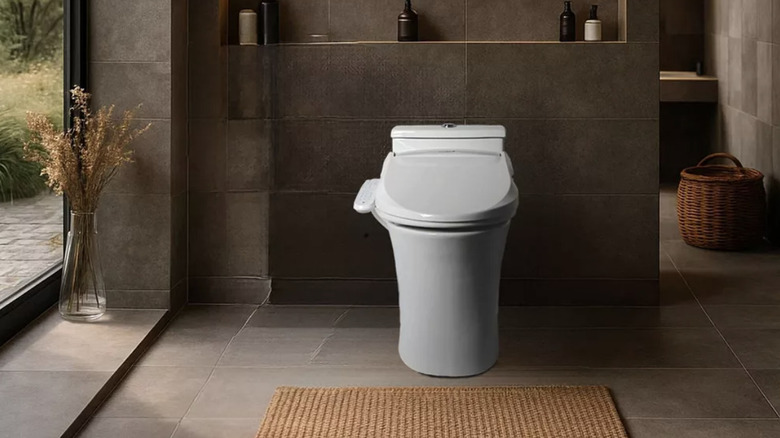
Most bidet attachments install under the existing toilet seat, but bidet toilet seats take a more all-in-one approach. If you're worried about your bidet attachment not fitting well onto the toilet, a full bidet seat can bypass that issue entirely. The only difference between this option and other bidets is that the attachment is fully integrated into an installable lid, rather than being a separate item.
While there are both electric and non-electric bidet seats available on the market, electric options tend to be the more popular of the two. This means that you'll likely need to have an outlet by your toilet, but you'll be able to enjoy even more luxe features like seat heating, warm water washing, and warm air drying. If you don't want to deal with installing an outlet where you don't already have one, make sure to thoroughly check the product listing to guarantee that the seat you're considering buying will work with your desired setup.
Bidet seats are great if you want to guarantee that the attachment you choose won't cause any weird gaping or imbalance under the lid, but one of the major cons of this style of bidet is that it won't work for every toilet. If you have a fairly standard-sized, recently upgraded toilet, you should be fine, but of course, there are exceptions to every rule. Seat bidets might not be a good choice for toilets that are older or a unique shape, so it's very important to measure your toilet and check those numbers against the product you're looking at to guarantee a good fit.