

Plant This Easy-To-Grow Flower In December For Pretty Purple Blooms In Spring

Don't let the short days and chilly weather fool you: December is still not the time to hang up your gardening gloves. Savvy gardeners know this quiet month offers a golden opportunity to get a huge head start on blooms for your future garden. The plant we're championing for winter seed sowing is the Cranesbill (Geranium spp.), called such for the shape of its seed, and which you might also know as the perennial cold-hardy geranium. But don't get mixed up: The Cranesbill geranium isn't the Pelargonium geranium some people mistake it for (same family, but the latter is a tender little annual). For better sprouting odds, Cranesbill seeds need cold stratification. This process requires temperatures to be at just above freezing (ideally between 34 and 41 degrees Fahrenheit) to help the seeds break dormancy and push through to grow in spring.
By sowing your Cranesbill seeds outside in December, Mother Nature does the heavy lifting, so you won't need to rely on artificial refrigeration methods to do the trick. This passive winter planting approach works for nearly all hardy geraniums (with warmth-loving exceptions like Geranium maderense). Plus, keeping them outdoors the whole time means you end up with seedlings that are tougher and better acclimatized than any started indoors. You can expect to see modest blooms the first summer, although the Cranesbill will still be building its root system. But this head start gives it a big jump and guarantees a gorgeous and vibrant flush of purple blooms by the second year. While purple variations are a favorite, we should note that the Cranesbill has other color options, allowing for white, pinks, reds, and blues, too. However, direct-sowing isn't the only way to fill your yard with lasting blooms, come springtime.
How to set up a Cranesbill winter nursery as an alternative to direct-sowing in the ground
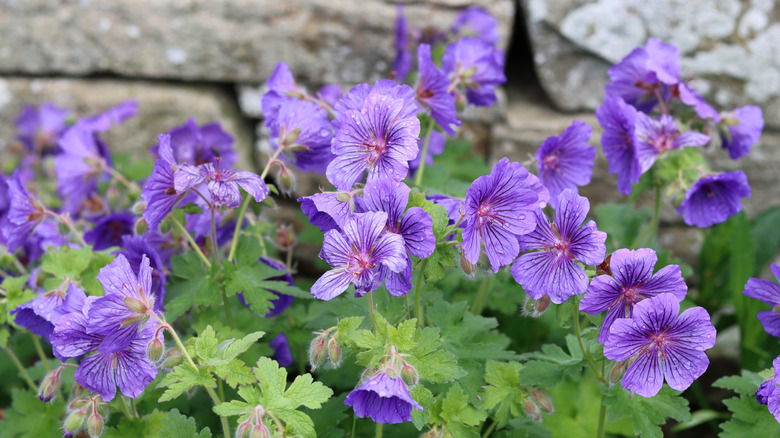
If your ground is already frozen or you prefer not to plant seeds directly in the soil, you can easily start a mini winter nursery by following a few steps and finding a good strategic location. First, fill small pots with quality seed starting compost. Sow the Cranesbill seeds lightly on the surface, then cover them with just a thin layer of compost, or even some horticultural vermiculite. Place these containers into a protected outdoor environment, like a framed cover or even a cold greenhouse that's not heated. This location is key, as it maintains that must-have window of 34 to 41 degrees Fahrenheit for seed stratification while protecting the soil from absolutely freezing or sitting in a pool of water. Cranesbill wants moist soil with excellent drainage so no rot issues appear.
When spring arrives, remember that patience is a virtue. You can transplant your seedlings to their final location in your yard only once there won't be any more hard frosts, and only when night temperatures stay above 40 degrees Fahrenheit. Cranesbill thrives in USDA hardiness zones 5 through 8, and is content with living in either a container or an in-ground bed. Wherever you put it, though, make sure it has properly draining soil and full sun to partial shade. If you live in a hot climate, though, it's a good idea to opt for a spot with some afternoon shade so the leaves don't get scorched. This carefully planned timing will make sure your Cranesbill is ready to thrive once you transplant it into your spring garden.