

Why Your Water Heater Smells, And What To Do About It
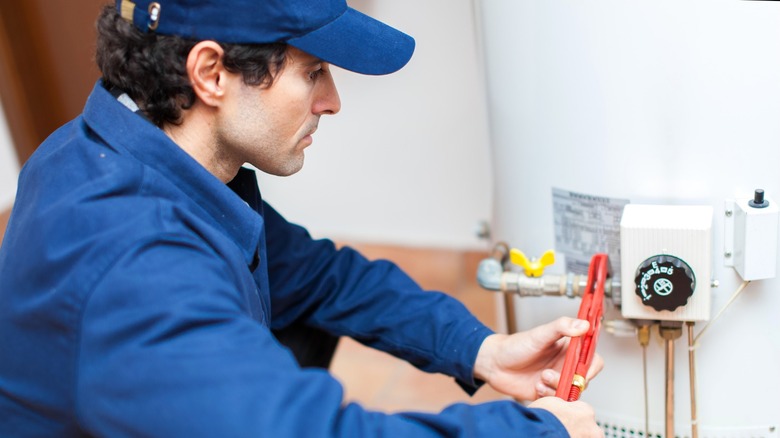
It's likely no surprise that certain water heater mistakes can shorten the lifespan of your appliance, such as when you don't complete routine maintenance as recommended. And your appliance will let you know when it's feeling neglected. If you notice an odd smell coming from your water heater, is this a sign that you need to perform repairs or that the equipment is close to failing?
Some of the smells you should be aware of include those resembling rotten eggs, sewage, burning plastic, moldiness, and rust. Strange odors from the water heater often relate to bacteria that are multiplying in the heated water when the appliance is not functioning property and failing to maintain the desired temperature. However, these smells can also indicate that the anode rod (the rod that protects the steel lining from corrosion) is nearing the end of its useful lifespan. Some odors indicate problems with the wiring or natural gas supply and might be a clue about an extremely dangerous situation. Many odors can be fixed by calling a pro for repairs and maintenance, while others indicate a bigger problem, providing clear signs that you may need to replace your water heater.
Rotten egg odors from the water often show temperature issues
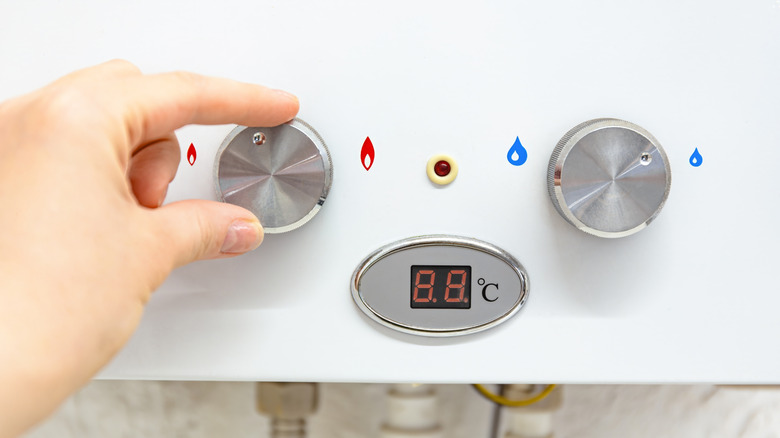
If you notice a rotten egg smell in the hot water coming from your home's faucets, you may have sulfate-reducing bacteria (SRBs) in the tank. Water supplies often have SRBs that consume sulfates in the water, which creates hydrogen sulfide gas and generates the rotten egg odor. Sulfate-reducing bacteria are more common in water coming from private wells, as water plants treat the supply for contaminants. If you've been on vacation and haven't used the hot water for a long time, bacteria counts can also increase, creating an odor that sometimes resembles sewage or rotten eggs.
The easiest treatment option is to increase the temperature setting on the appliance to at least 140 degrees Fahrenheit for roughly eight hours, which kills the SRBs. This temperature usually equates to the "medium" setting on the appliance. Understand that this may only provide a temporary fix for the odor problem if the system is not functioning properly and cannot hold a steady temperature. You might need to call a professional to check the status of the thermostat.
After killing the bacteria, you will want to flush and drain the water heater the right way to remove all the contaminated water. This technique involves turning the appliance off and opening a hot water faucet until it runs cool. Turn off the supply, attach a hose to the drain valve, and empty the tank. Then close the valve, turn on the supply again, and turn on the appliance. Some people prefer to hire a plumber to ensure this work is done properly and safely.
Any rotten egg odors near the appliance could be a gas leak
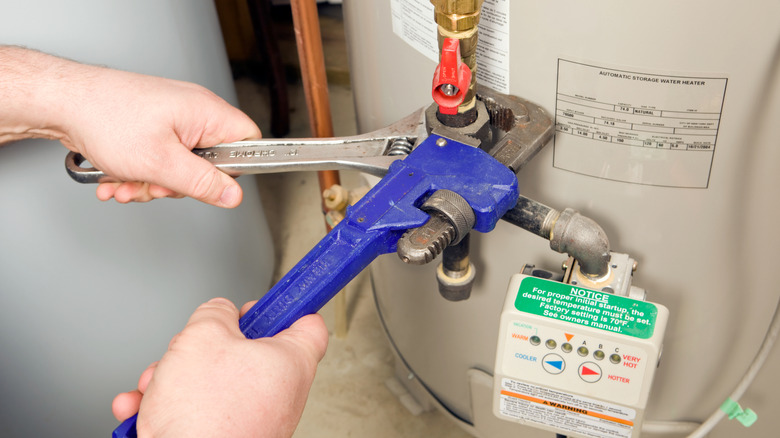
If you notice an odor like rotten eggs near the water heater appliance itself — instead of coming from the water — you may have a more dangerous problem than SRBs. Gas leaks generate an odor like rotten eggs because natural gas companies add a chemical odorant to the odorless and colorless natural gas. This addition creates a smell that people can easily notice. People need a warning about a natural gas leak because of how dangerous it is if it builds up in your home. It reduces oxygen in the air or could lead to a fire or explosion.
If there's a strong smell of rotten eggs, you may have a significant leak in the gas supply line serving the appliance. Call a licensed plumber for service and immediately leave the house. You may also need to call the fire department and the natural gas supplier to try to turn off the supply to the home. If the water heater is turned off and you still smell the rotten egg odor, you might have a leaky valve on the unit. This is also a dangerous situation. If you know how to turn off the gas line serving the appliance, do so. Otherwise, call a plumber and emergency services for help. In most cases, you should not try to fix this issue yourself.
Burning plastic smells might indicate electrical issues
If you notice an odor that resembles burning plastic or hot wiring near the appliance, you could have an electrical problem. Electric and gas water heaters could have wiring problems that lead to these odors, as they both use electrical power and wiring to perform certain functions. The insulation surrounding the wires could be burning or melting when you notice this odor. Arcing, which occurs when an electrical current leaps across a gap instead of flowing through wiring, is a possibility with water heaters that have a loose connection or faulty wiring. Arcing may show up as a bright flash or sparks in the area of the problem. You might also notice a burning smell when arcing is occurring.
If you notice an odor that you believe relates to the appliance's electrical wiring, the unit could be overheating or melting plastic parts, creating a dangerous situation. You should turn off the water heater immediately after noticing this odor. If the unit plugs into an outlet, unplug it if you can do so safely. Turn off the circuit breaker that serves the water heater. Do not try to fix the electrical wiring issue yourself; call a professional electrician to inspect the appliance and determine the appropriate repairs to make to its wiring.
Moldy or rusty smells might reveal a leak or tank damage
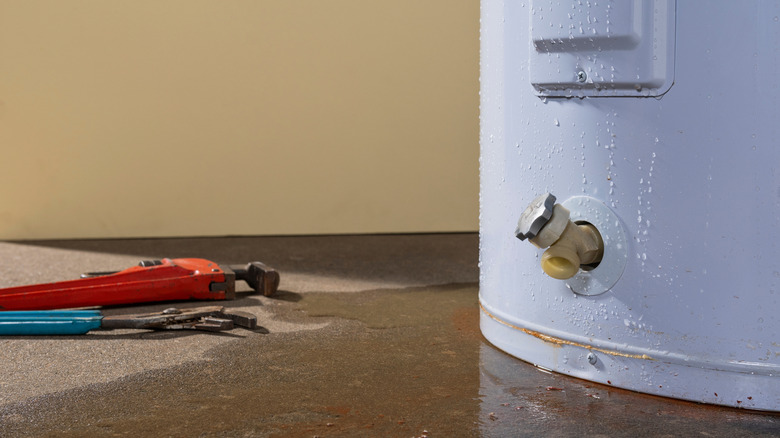
If you notice moldy odors near the water heater appliance, it could relate to leaks and constant moisture that's causing mold growth. Without fixing the leak, the mold growth will only worsen. Fixing the leak may involve tightening water pipe connections or replacing cracked parts. Not all leaks in this appliance are fixable, so you might need to replace it. You should call a plumber for an inspection as soon as you notice the leak. You may also need to discard moldy items or replace moldy sections of drywall to eliminate the odor.
If the moldy odor is accompanied by a rusty smell, you might have rusty corrosion on the tank that's leading to small holes and leaks. A rusty odor might indicate you need to replace the anode rod inside the tank, which is a part designed to prevent the tank from rusting. A plumber can ensure replacing the anode rod is done correctly, extending the lifespan of the water heater.
If you notice moldy smells that come from the hot water instead of from near the appliance, it may indicate bacteria in the water in the tank. Setting the temperature of the water heater to about 140 degrees should kill most bacteria in the tank.