

The Nasty Pest That's Ruining Your Lawn Thanks To Climate Change
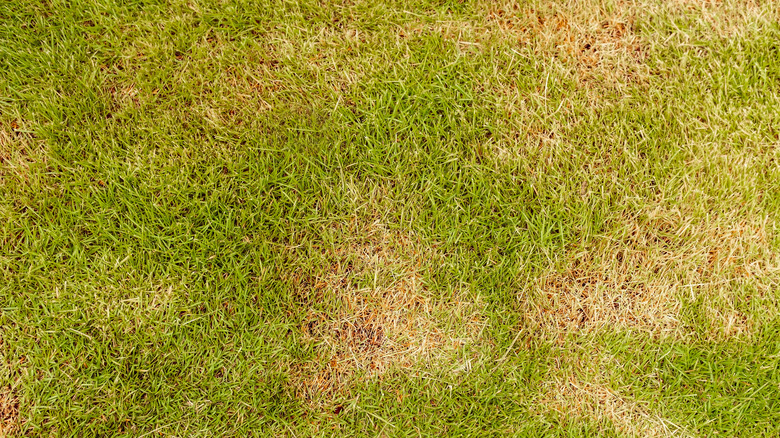
Climate change brings so much uncertainty and confusion into our lives, and nobody is safe from feeling its effects. One way that climate change may be impacting you is in your garden. Higher temperatures and irregular weather patterns are causing unpredictable growing seasons, harming native plants, and allowing non-native pests to expand their territories. One of these non-native invasive pests that can cause havoc in your lawn is the European chafer beetle. The population and spread of this pest are rising, and climate change may be the cause. This is because the longer droughts and increased temperatures we are experiencing in the summer months due to climate change help these pests develop. The beetles lay their eggs in the turf during the summer, and the warming weather makes your lawn the perfect environment for them to flourish.
The effects of European chafer beetles are also less easy to manage because of climate change. European chafer beetles are an issue because, when they have hatched and are in their larval stage, they will feed on grass roots and therefore kill the turf. When the summers are long and dry, the impacted turf grass cannot regenerate as quickly, leaving damaged, patchy lawns.
How to get rid of European chafer beetles
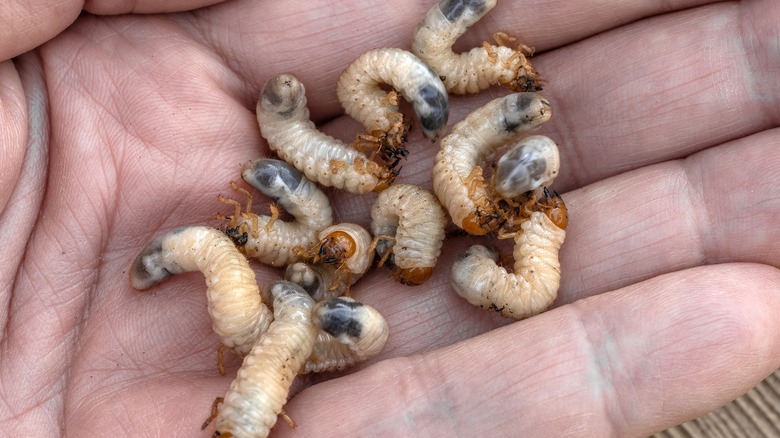
If you think your lawn is getting damaged by European chafer beetles, it is important that you keep on top of turf care. A well-maintained and watered lawn can deter these bugs, as they tend to lay their eggs in turf that is dry and unfertilized. By properly caring for your lawn, you are able to build up a thick layer of grass and attract other insects that will eat the larvae. You may also wish to look into grass alternatives for your lawn that are less likely to get damaged by European chafer beetles. As these pests usually only lay their eggs in short grass, you can also try letting your grass grow to 2 or 3 inches.
If European chafer beetles have overrun your lawn and severely damaged it, you may want to consider treatment, such as biological and chemical methods. If you do want to use pesticides on your yard, always contact your state's extension service or agricultural offices for advice before proceeding. However, there are biological treatments for European chafer beetles that you may want to consider before reaching for the chemicals. Releasing nematodes into your garden can manage the amount of pests on your lawn, as these quickly feed on the grubs.