

8 Cold-Hardy Rosemary Varieties That Will Thrive In Your Winter Garden
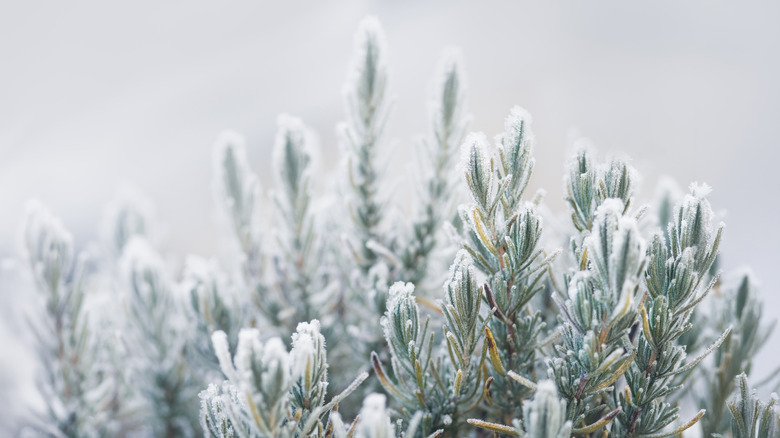
If you want to grow a thriving herb garden or add aromatic perennials to your yard, rosemary (Salvia rosmarinus) is probably at the top of your list for plants to consider. This evergreen shrub brings texture and color to the winter months, with its iconic spiky leaves that add a subtle Mediterranean touch. However, most rosemary plants are only winter hardy in USDA Hardiness Zones 8 to 10, which can be pretty frustrating if you live in colder regions. Thankfully, there are some great varieties out there that can be grown in colder climates. Some rosemary varieties, such as 'Arp' and 'Madaline Hill', can actually be grown in zones 6 and 7. You just may need to give them a little bit of winter protection.
To ensure your rosemary plant survives the cold winter, you need to pick a sheltered spot for it. These herbs love the full sun, but they also need some protection against the elements. A spot along a wall is often a great location for rosemary. You should also prepare your rosemary plants for winter every year by mulching them when the first frost hits. If you are growing rosemary in pots and can't move them indoors, provide the plants with insulation, such as a thermal blanket. With a little bit of care and the right variety, you can have a thriving rosemary plant in your winter garden.
Alcalde cold hardy
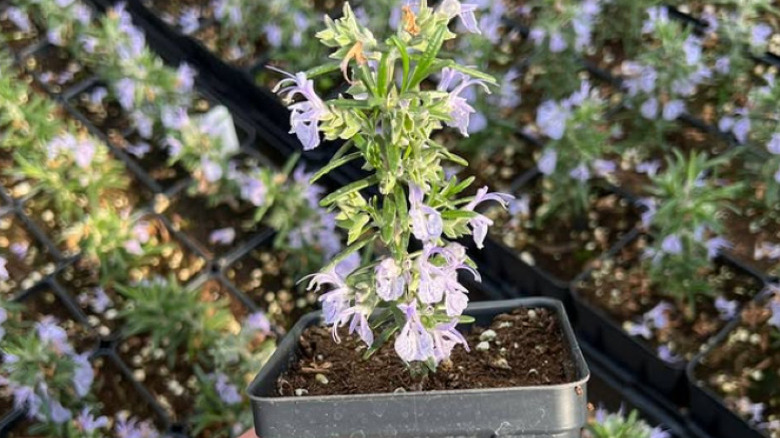
The Alcalde Cold Hardy rosemary shrub (Salvia rosmarinus 'Alcalde Cold Hardy') is an upright variety with olive green leaves. This plant is said to be hardy to zone 6. However, winter protection should be considered in colder climates. Pale blue flowers will cover the alcade cold-hardy rosemary bush in mid-spring, creating a stunning display that fits perfectly into wild, cottage gardens. It can grow to a mature spread and height of around 3 feet in the right conditions. Like the majority of rosemary varieties, this one is drought-tolerant and needs well-drained soil.
Arp
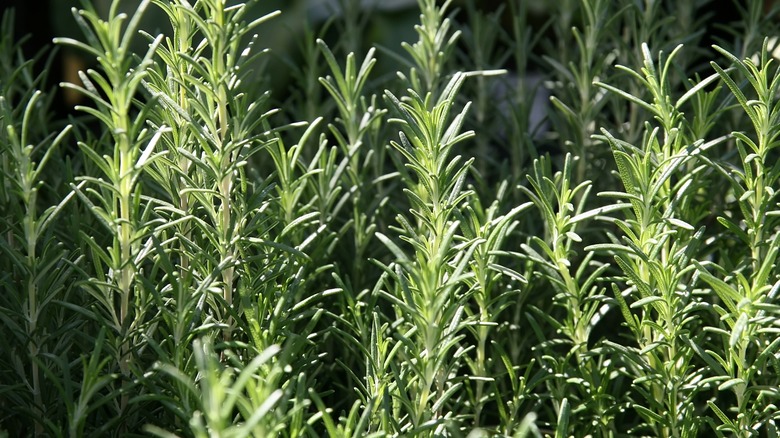
Another great winter hardy variety is Arp (Salvia rosmarinus 'Arp'). This bush can be grown in zones 6 with winter protection and is named after Arp, Texas, where it was found growing in 1972. Arp rosemary is an upright variety with gray-green foliage and light blue flowers that appear on the shrub in spring. It is a fast grower and can reach a height and spread of 4 feet, making it a great choice for hedges or borders. When it is established, Arp rosemary is tolerant of deer and drought.
Athens blue spires
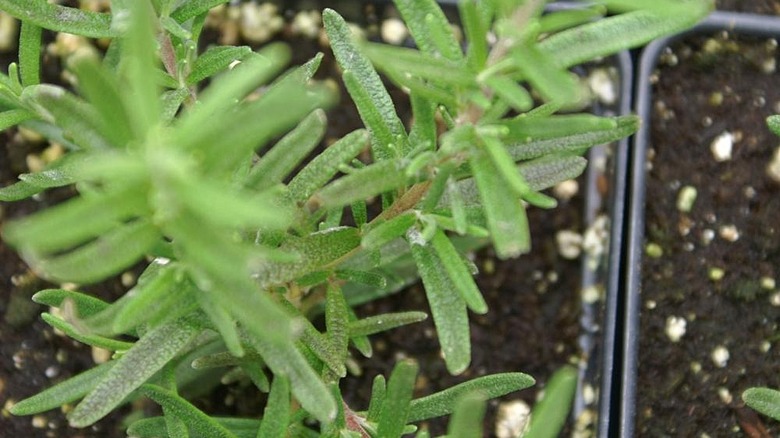
For a larger cold-hardy variety, you may want to consider the Athens Blue Spires (Salvia rosmarinus 'Athens Blue Spires') shrub. Hardy in zones 7 to 10, this rosemary bush can reach a height of 5 feet with a spread of 4 feet. It is a dense, upright shrub with thick, blue-gray leaves. Flowers arrive in the spring and can stay on the shrub until summer, adding interest to your garden throughout the seasons. The gorgeous flowers will also bring butterflies into your yard.
Madeline hill
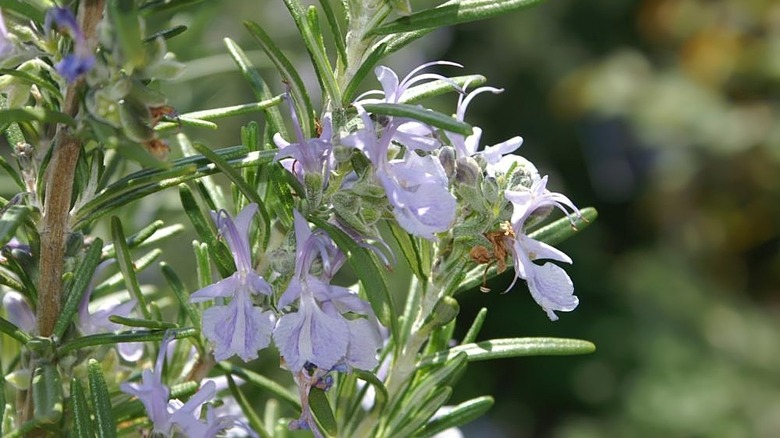
Madeline Hill (Salvia rosmarinus 'Madeline Hill') is a compact variety of rosemary, only spreading to about 2 feet and reaching a height of 3 feet. However, its fragrance and long blooming season make it a fantastic cold-hardy option. You can grow Madeline Hill rosemary in USDA zones 6 through 10, with the pale blue purple flowers appearing on the plant in summer and often lasting until fall. This small variety of rosemary has rich green foliage, with its upright stems creating a stunning, spiky display perfect for borders or rock gardens.
Salem
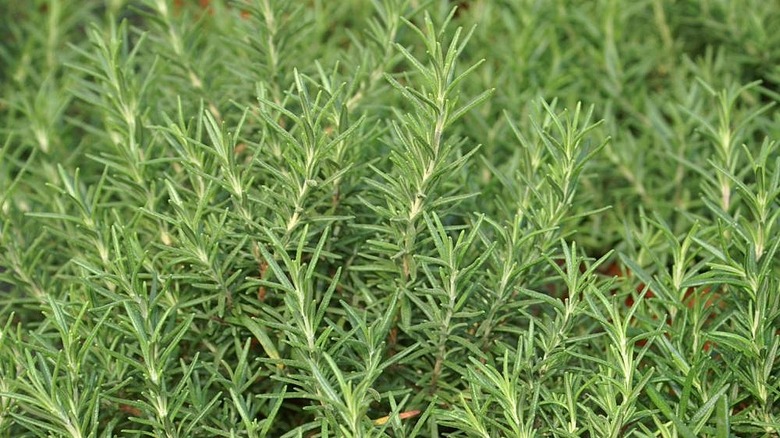
With its gray silver foliage and pale blue blooms that cover the shrub in the spring, the Salem rosemary variety (Salvia rosmarinus 'Salem') is a particularly elegant option. It is tall and narrow, measuring 3 feet high and 2 feet wide. Known for its toughness, Salem gets its name because it is considered to be hardy as far north as Salem, Massachusetts, so you can plant this rosemary bush if you live in zone 7. Salem rosemary has a wonderful pine-like aroma, bringing a new scent to your yard.
Lockwood de forest rosemary
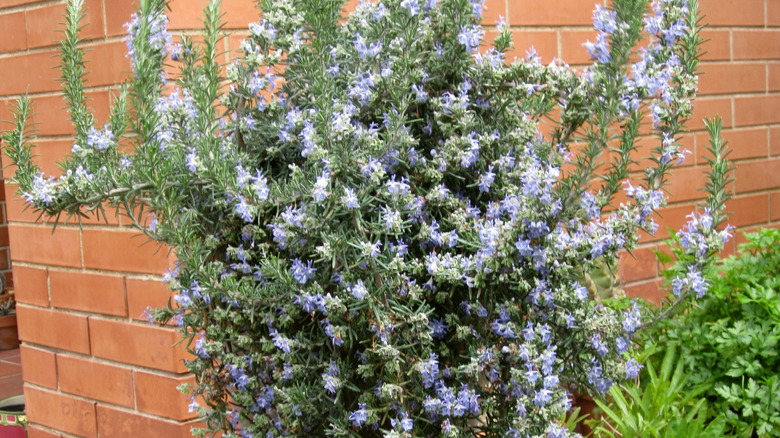
Hardy to zone 7, Lockwood de Forest rosemary (Rosmarinus officinalis 'Lockwood de Forest') is a dense, low-growing variety that can spread to a size of 4 feet. However, it will usually only reach around 12 inches in height. Its light green leaves create a wonderful bed of evergreen color, and its striking purple-blue flowers cover the shrub in the spring. This rosemary variety is a great option if you are looking for a fragrant ground cover. It also looks wonderful cascading over walls and rocks.
Irene
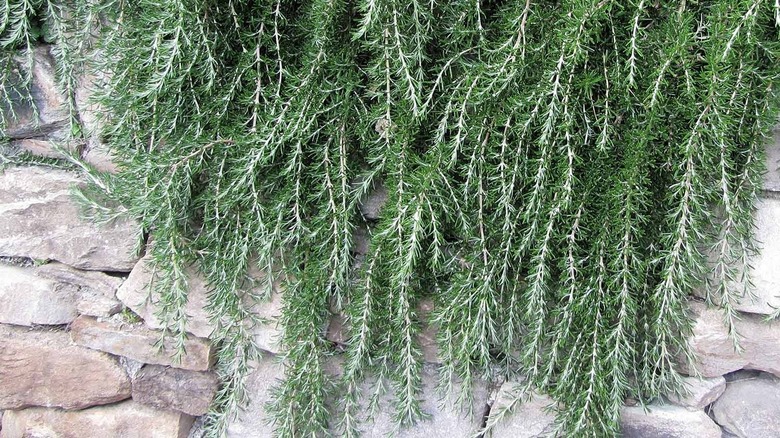
Another beautiful low-growing rosemary variety to consider for colder climates is Irene (Salvia rosmarinus 'Irene'). This variety is hardy to zone 7, spreading to around 3 feet and reaching a height of 1.5 feet. Its bright green foliage livens up your yard throughout the seasons, with purple-blue flowers blooming in clusters in the spring. The Irene rosemary bush is another fantastic choice for ground cover or along a wall. Unlike other rosemary varieties, Irene is more of an ornamental addition to your yard, with the herb not used that much in cooking.
Well-sweep golden
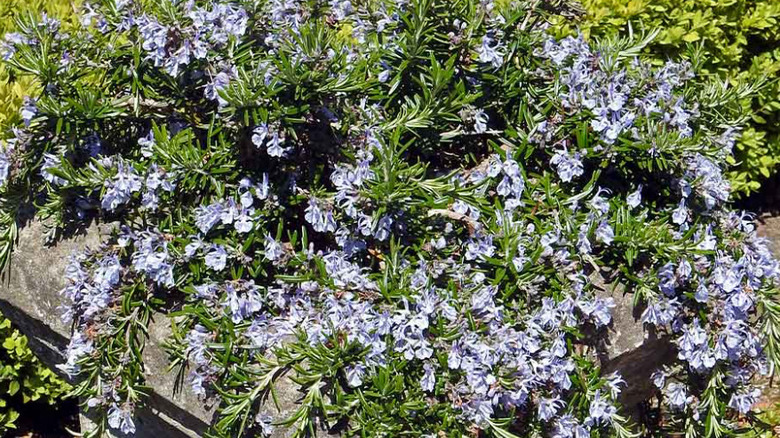
The leaves of the well-sweep golden rosemary variety (Salvia rosmarinus 'Well-Sweep Golden') have a wonderful golden glow when they first arrive, before fading to a light green, adding different hues to your yard. The flowers are also beautiful, with light blue-white blooms covering the plant in the spring months. The well-sweep golden rosemary variety is winter hardy in zones 7 to 10 and has a trailing habit. It grows to around 3 feet in length and has a height of only about 1.5 feet, making it perfect for rock gardens or borders.