

22 Beautiful Shrubs That Thrive In Cold Climates
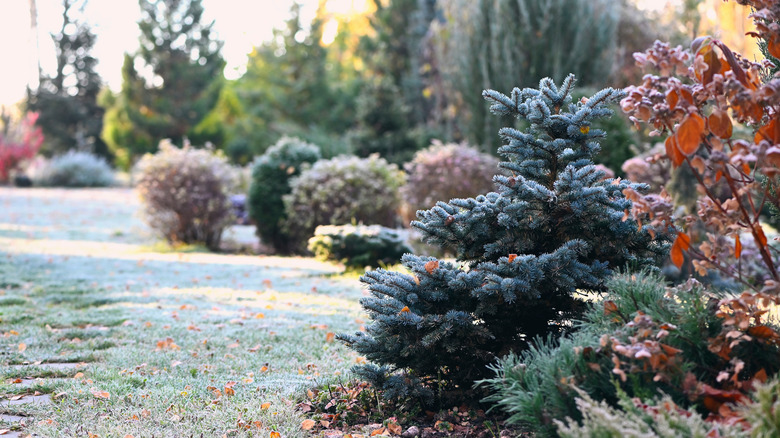
Whether you live in a warm or cold place, it is essential to plant accordingly. Of course, there are loads of shrubs that do well in sunny, hot environments. But not every plant prefers this. In fact, many shrubs thrive in cold climates. Nature is powerful and will always find a way, with green life even popping up in the sparse, freezing environments of the North and South poles. If you live in the northern parts of the U.S., you don't need to forgo a beautiful, blooming garden. You just need to pick the right shrubs.
When picking which shrubs to add to your garden, you first need to find ones that suit your USDA Hardiness Zone. Thankfully, there are quite a few plants, such as red twig dogwood and highbush cranberry, that can grow happily in zones as low as 2. When choosing the right shrub, you should also consider the type of soil you have, as well as your weather. Certain shrubs do best in wet soils, whereas others prefer a drier, well-draining environment. The sun you get in your yard should also factor into your choice. Is your garden fairly shady, or is it a little bit of a sun trap?
Creeping juniper
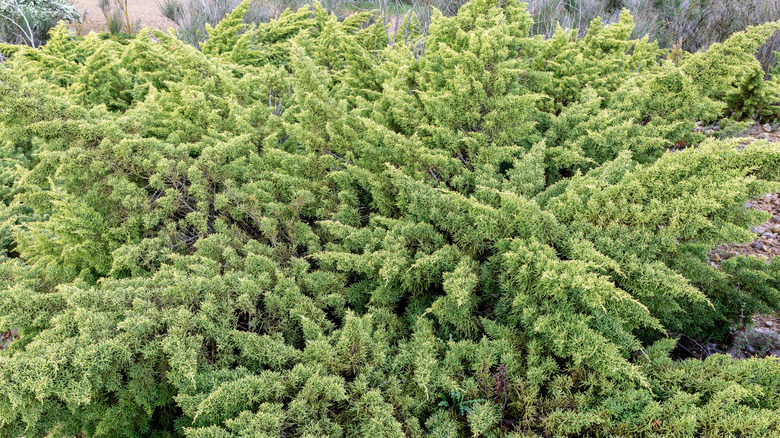
Creeping juniper (Juniperus horizontalis) is a low-growing evergreen shrub that has tight, green-blue foliage. It spreads to around 8 feet, creating a dense mat-like appearance. Native to Alaska, Canada, and the northern parts of the U.S., you can grow creeping juniper in hardiness zones 3 to 9. It prefers to be in a spot with full sun and can grow in different soil conditions. However, it does prefer a drier, well-drained environment. Creeping juniper is a fantastic low-maintenance ground cover option for slopes, as it helps to control erosion.
Winterberry holly
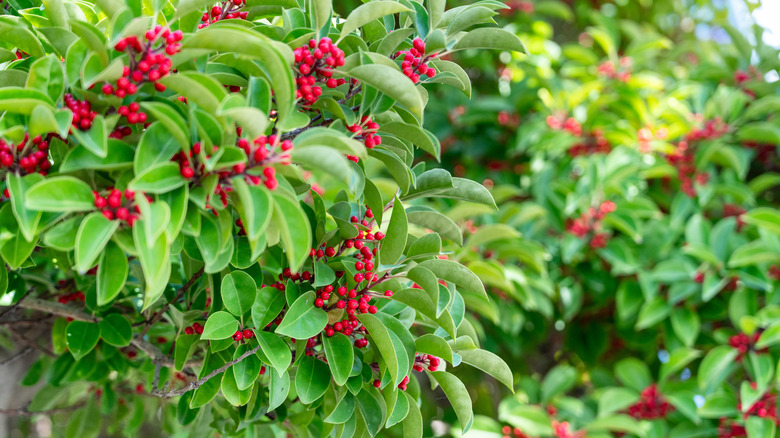
Although there are quite a few varieties of holly that are suitable for growing in colder climates, winterberry holly (Ilex verticillata) is one of the best choices. This shrub grows happily in hardiness zones 3 to 9 and can be planted in both full shade and full sun. As it is native to swampy areas of the U.S., it does well in wet soil and can tolerate poor drainage. Although it is a deciduous shrub, winterberry holly produces bright red berries in the fall, bringing color and life into the colder months.
Panicle hydrangea
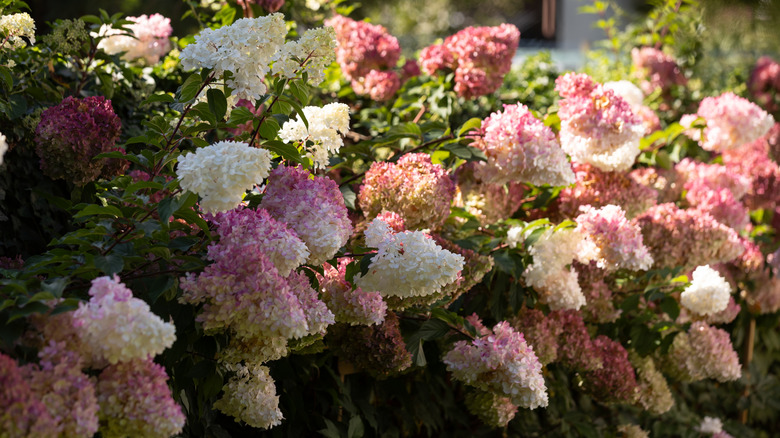
The blooms of the panicle hydrangea (Hydrangea paniculata) bring elegance and beauty to a yard. Thankfully, they are also pretty cold-hardy and can tolerate intense winters. These shrubs can be planted in hardiness zones 3 to 8 and enjoy both full sun and partial shade. They can grow up to 15 feet with a spread of 12 feet, so you will need to make sure you have enough space for your panicle hydrangea to flourish. Ensure that the soil is kept moist for this shrub, as it doesn't like dry environments.
Ninebark
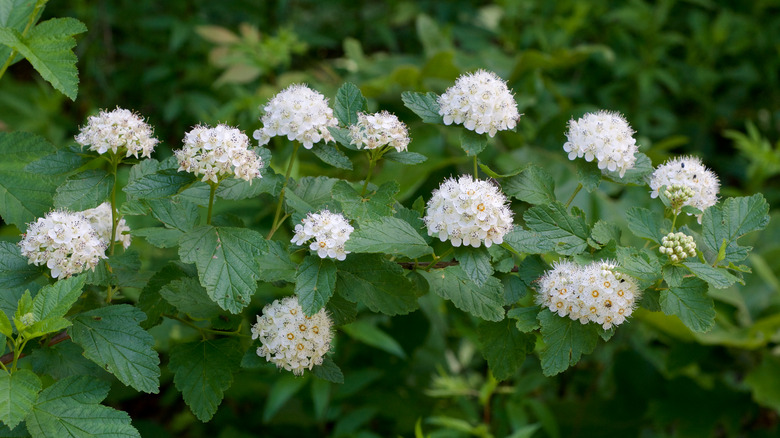
Hardy all the way to zone 2, the common ninebark (Physocarpus opulifolius) is a gorgeous flowering shrub that produces white and pink blooms in the spring. It is suitable for growing in both full sun and partial shade and can tolerate a range of soils. The common ninebark can reach a height of 8 feet and a spread of 6 feet, and although it is a deciduous shrub, its bark will bring some interest to the winter months. There are various cultivars of ninebark to pick from, with some having purple or red leaves.
Common bearberry
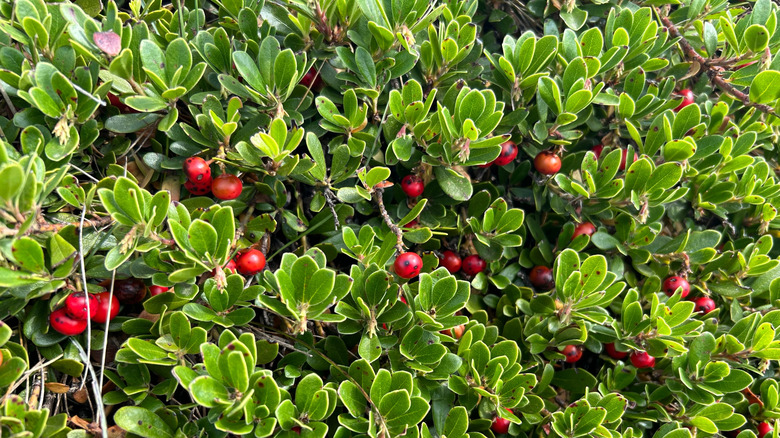
The common bearberry (Arctostaphylos uva-ursi) is a low-growing shrub that can reach a spread of 6 feet. It is hardy in zones 2 to 6 and has shiny, dark-green leaves and gorgeous red berries that decorate the plant in the fall and winter months. The common bearberry is best grown in dry soils in the full sun, but can be planted in partial shade. Although slow to grow, common bearberry will spread along the ground to create a carpet of foliage and color in your yard.
Carolina allspice
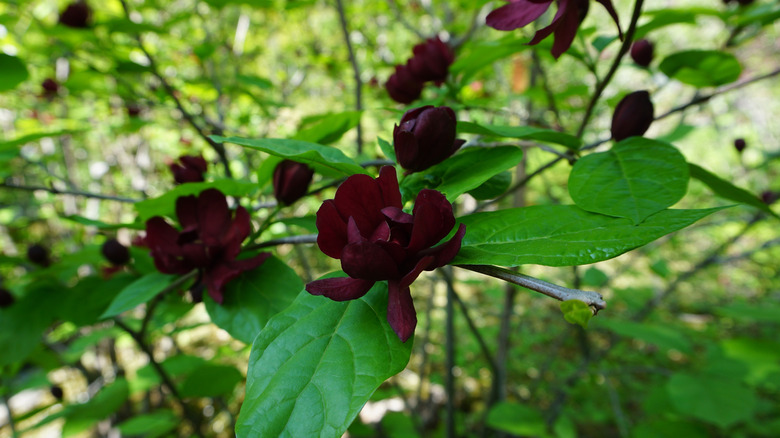
The Carolina allspice (Calycanthus floridus) is hardy to zones 4 to 9 and native to the Southeastern U.S., from Virginia to Florida. This deciduous shrub can grow pretty large, reaching a height of 10 feet and a spread of 12 feet. Fragrant, dark red to brown flowers appear on the plant in the spring. You can grow Carolina allspice in both full sun and deep shade, with the plant adaptable to a range of soil types. It is tolerant of both heat and cold, but doesn't like drier climates.
Shrubby cinquefoil
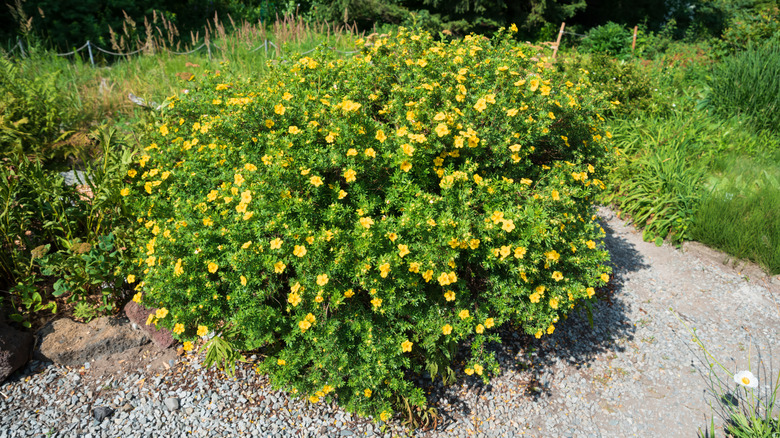
Shrubby cinquefoil (Potentilla fruticosa) is a dense, cold-hardy shrub that can be grown in zones 3 to 7. This bushy plant reaches a height of 4 feet and a spread of 5 feet, with golden yellow blooms covering the foliage from June until September. Its blue-green leaves grow tightly together to create a wonderful textured appearance. You should place shrubby cinquefoil in the full sun or partial shade in well-draining soil. Once it has settled in, it does tolerate dryness. It can suffer in overly wet locations, though.
Red twig dogwood
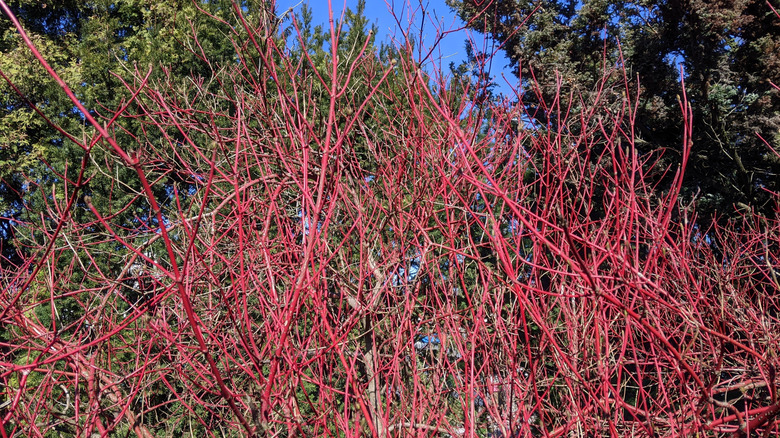
The bright red stems of the red twig dogwood (Cornus sericea) are a dramatic addition to a winter garden, while its foliage, white flowers, and white berries lighten up the spring, summer, and fall months. Hardy to zones 2 to 7, you can grow red twig dogwood in a range of soil types, with the shrub tolerating both wet and dry conditions. It enjoys both full sun and partial shade, although it can suffer in full sun in warmer climates. This large shrub can reach a height of 9 feet and a spread of 10 feet.
Highbush cranberry
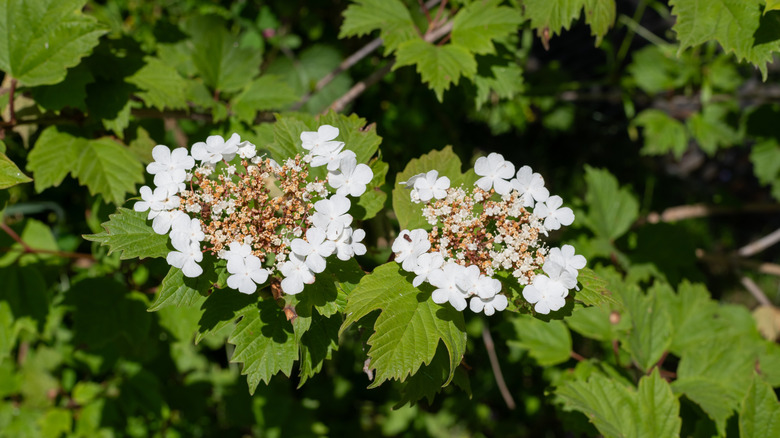
The highbush cranberry (Viburnum trilobum) is a member of the viburnum family and native to North America. Hardy to zones 2 to 7, this shrub has glossy green leaves that turn beautiful shades of orange, purple, and red in the fall. Clusters of white flowers appear on the bush in the spring, bringing interest to your yard year-round. You can plant the highbush cranberry in most soil types, with the shrub growing happily in both sun and partial shade. This plant can reach a height and spread of 12 feet.
Silver buffaloberry
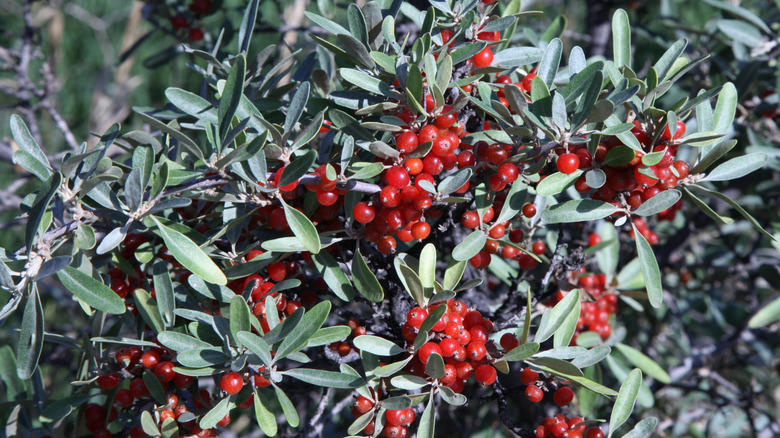
Suitable for zones 3 to 9, the silver buffaloberry (Shepherdia argentea) grows to around 12 feet tall and wide. As its name suggests, this shrub has stunning silver leaves and stems, with its yellow spring flowers appearing before the fall's red fruits. You can grow the silver buffaloberry in full sun or partial shade, and it tolerates both wet and dry conditions. It is a great option for a hedge or a privacy shrub plant, allowing you to create your own little sanctuary in your yard. You will need both male and female shrubs to get fruit.
Common lilac
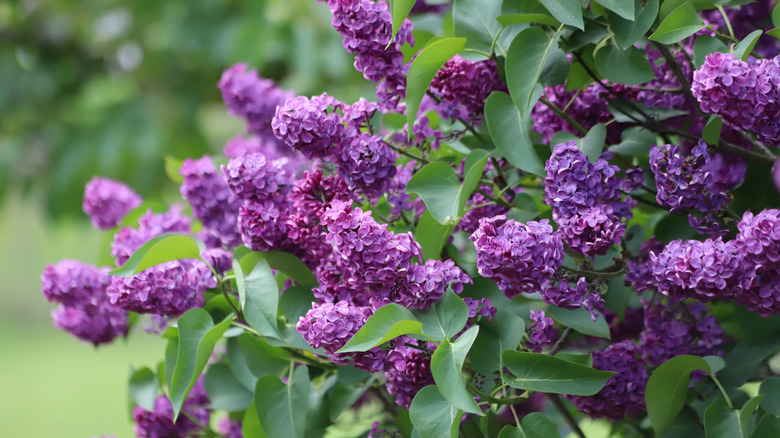
The purple, white, and pink flowers that bloom in long, compact panicles make the common lilac (Syringa vulgaris) an iconic shrub. Hardy to zones 3 to 7, the common lilac can reach a height of 16 feet and a spread of 12 feet. It does well in climates with cold winters, as this allows its buds to fully mature. It blooms best when planted in the full sun, but it can tolerate a little shade. Plant common lilac in well-draining, moist soil and ensure it has good air circulation.
Vanhoutte spirea
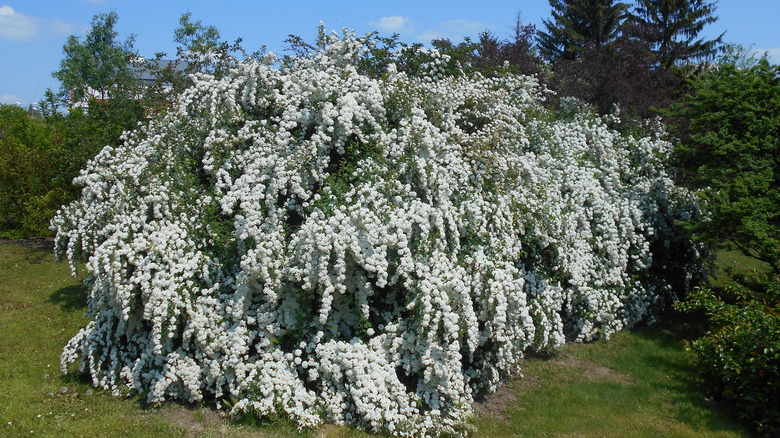
Vanhoutte spirea (Spiraea × vanhouttei) is a hybrid shrub that has showy white clusters of flowers that cover the beautiful, arching branches in the spring. It is suitable for growing in zones 3 to 8 and can reach a height of 8 feet and a spread of 10 feet. It is a particularly tough plant and can tolerate a range of soil conditions. You can grow vanhoutte spirea in both full sun and light shade, although its blooms will be reduced in shadier conditions. It is suitable for borders and hedges.
Woodland sage
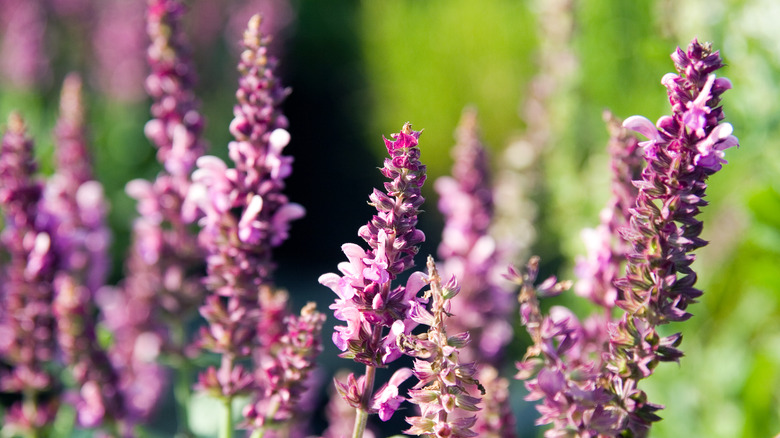
Woodland sage (Salvia nemorosa) is a small shrub that usually reaches around 3 feet in height. However, it's breathtaking deep purple blooms that appear on the spikes in June through September that make it a wonderful garden addition. You can grow woodland sage in zones 4 to 8 in both partial shade and full sun. It does well in most soil types as long as it has decent drainage, but it prefers more sandy or gravelly environments. This shrub will attract birds into your yard, too, so you can enjoy a bit more of nature.
Sweet pepperbush
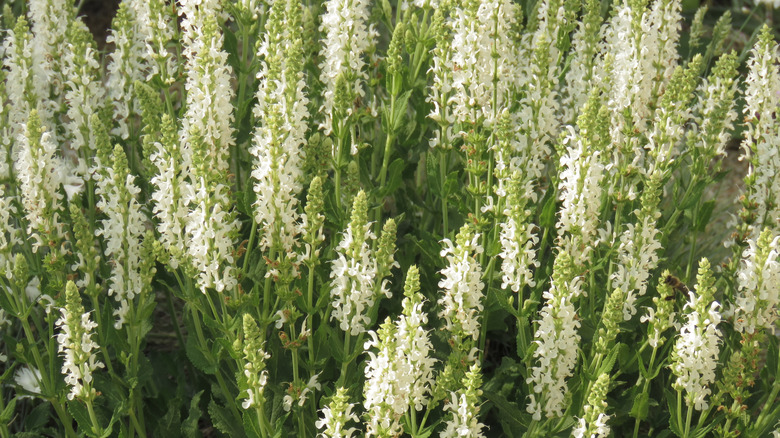
Hardy to zones 3 to 9, the sweet pepperbush (Clethra alnifolia) is a native perennial shrub that can grow up to 10 feet in height. It has dark green, glossy leaves and white spiky flowers that appear in late summer. You can grow sweet pepperbush in both full sun and partial shade, with the shrub preferring wet, moist soil. It doesn't do well in hot, dry climates, but can tolerate a little drought once it has established itself. Hummingbirds, butterflies, and bees enjoy its nectar and pollen.
Black chokeberry
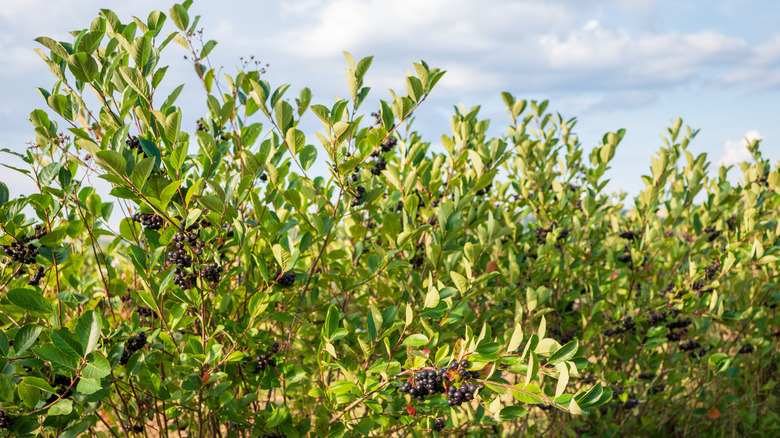
With a spread and height of around 6 feet, the black chokeberry (Aronia melanocarpa) is a medium-sized deciduous shrub that can be grown in zones 3 to 8. Native to the U.S., black chokeberry bushes are found in both swamps and dry areas across the country, making them highly adaptable to a range of soil conditions. It can be grown in both full sun and partial shade and prefers well-draining soil. Clusters of dainty white flowers appear on the shrub in spring, before making way for the black purple fall berries.
Dwarf birch
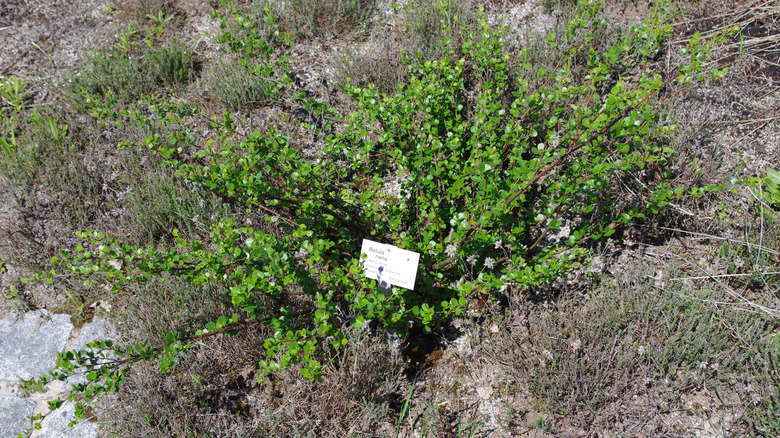
Winter hardy to zone 2, the dwarf birch (Betula nana) grows to around 2 or 4 feet tall and wide. With small, round leaves and red-brown branches, this shrub makes a nice filler plant in a border, garden bed, or rock garden. The dwarf birch does best in part shade and prefers moist, wet soils. However, it does tolerate drier climates. This small shrub is found in cold locations across the globe, from Siberia to Greenland to Canada, making it well prepared for freezing, wintry weather.
Smooth hydrangea
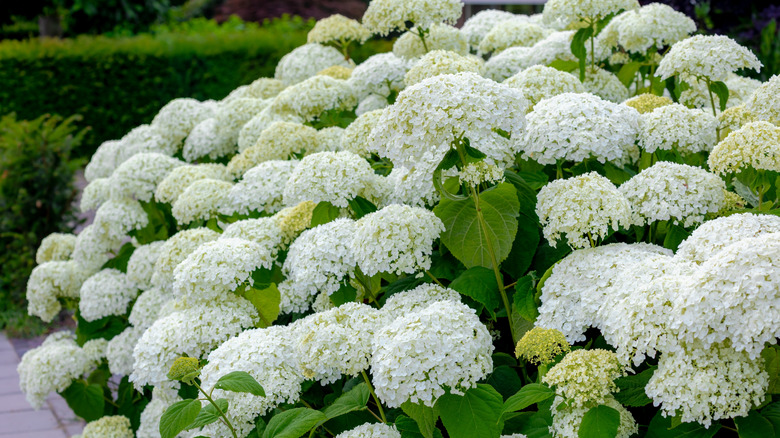
Another cold-hardy hydrangea species, smooth hydrangea (Hydrangea arborescens), is suitable for growing in zones 3 to 9. These shrubs reach a height and spread of 3 to 5 feet to create a rounded appearance. The creamy white blooms appear on the bush from June until September. Smooth hydrangea does best in partial shade, but it will thrive in full sunshine if the soil is kept constantly moist. It can adapt to a range of soil types, but, like most hydrangeas, it will suffer if the soil dries out.
Steeplebush
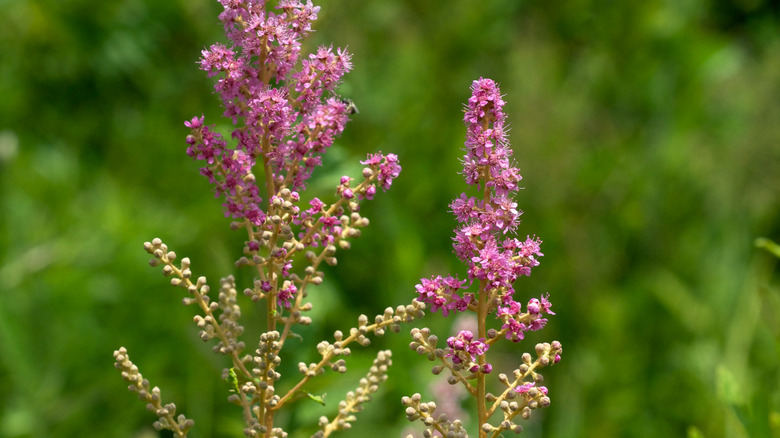
The steeplebush (Spiraea tomentosa) is a native shrub that is commonly found in wet meadows and boggy areas. It is winter hardy in zones 3 to 8 and can adapt to a wide range of soil conditions. However, acidic soils tend to help it reach its mature height of 4 feet. Pink-purple flowers bloom in dense spikes in summer and fall, reaching out above the foliage to the sky. Steeplebush does best in full sun, but you can place it in partial shade if you don't mind a few fewer flowers.
Virginia rose
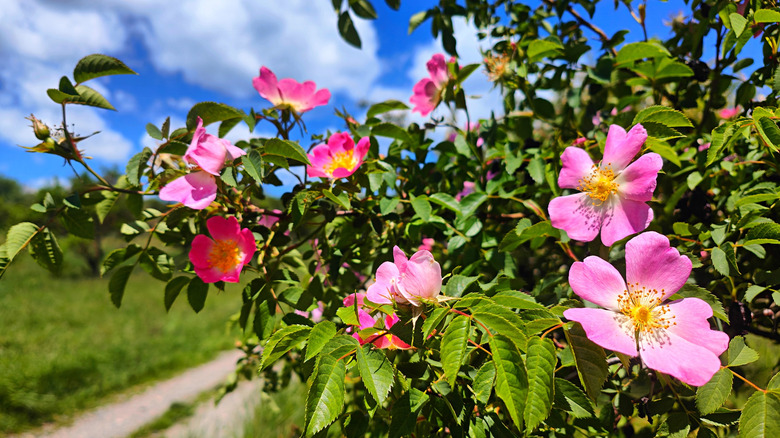
The bright pink flowers of the Virginia rose (Rosa virginiana) bring color and warmth to even the coldest regions. This stunning native flowering shrub is easy to grow and suitable for zones 3 to 8. It gets to around 4 or 6 feet in height and suits both full sun and partial shade. You can plant the Virginia rose bush in both sandy and clay soils, as long as there is good drainage. The dark green foliage fades to hues of orange and red in the fall, adding seasonal interest to your yard.
Purple leaf sand cherry
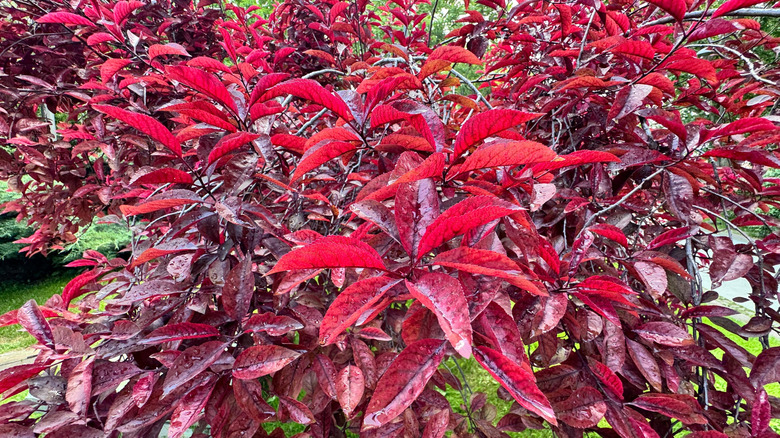
Suitable for hardiness zones 2 to 8, the purple-leaf sand cherry (Prunus × cistena) brings unique color to your garden. As you can probably tell by its name, the shrub has striking foliage in hues of red and purple. Delicate pinky white blooms with beautiful red stamens cover the shrub in spring, adding more beauty to the already showstopping plant. The purple leaf sand cherry usually reaches around 8 feet tall and just as wide. Plant it in full sun with moist, rich, well-draining soil.
Bunchberry
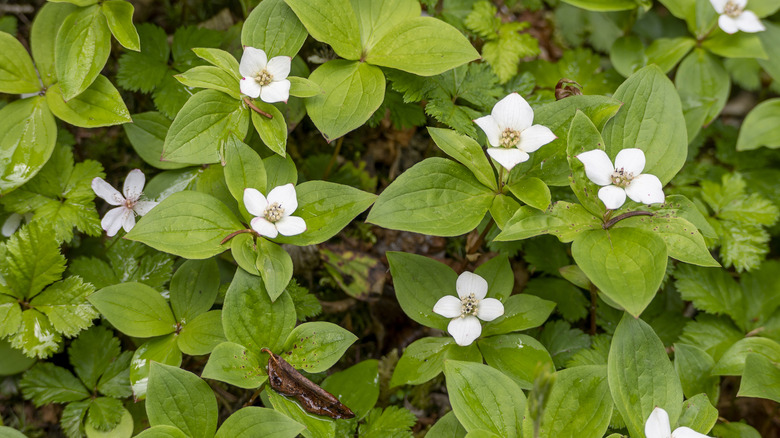
Bunchberry (Cornus canadensis) is a small, low-growing shrub that reaches a spread of around 1 foot. It is hardy in zones 2 to 6 and does well in partial and full shade. Its shiny leaves are a rich green, with pretty four-petaled white blooms appearing on top of the foliage in the spring. These flowers soon turn to make room for bright red berries in summer and fall. Bunchberry does best in cool climates and works well as a ground cover under larger shrubs and trees.
Coralberry
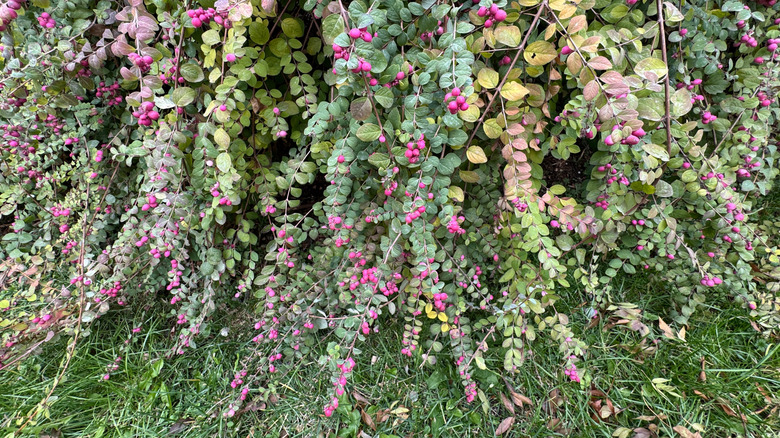
With its pink-red berries and lush green leaves, coralberry (Symphoricarpos orbiculatus) is a fantastic choice for those living in zones 2 to 7. This shrub can reach 5 feet in height with a spread of around 8 feet, growing happily in both full sun and partial shade. Small white bell-shaped blooms dot along the arching stems in the summer, before the iconic coral berries appear in the fall. Coralberry can grow in a range of soil conditions, but prefers moist to dry, well-drained environments. It is great for both ground cover and shrub borders.