

Types Of Insurance Renters Should Have But Might Not Know
Renting a house, apartment, or condo comes with a lot of obligation to maintain your home and fulfill your lease agreement with the owner. Indeed, there are many things you need to stay on top of, so you aren't financially responsible for seemingly minor infractions (really, does one carpet stain constitute losing your full security deposit??). One thing you don't have to worry about is homeowners insurance. However, this doesn't mean you should ride out your lease completely insurance-free. As a renter, homeowners insurance will only cover damages to the home that were not caused by any wrongdoing on your part, such as natural disasters. With this in mind, you should consider renters insurance coverage for loss of personal belongings, unexpected living expenses, and liability protection.
Homeowners insurance is perhaps the most recognizable type of property insurance, and most policies cover damages to the structure. For homeowners that live on site, their coverage might also include personal property losses and liability against accidents. These two aspects don't extend to renters of the said property, though. Many renters automatically assume that if a disaster strikes, the owner's insurance will cover losses to their property. This is unfortunately a common mistake everyone makes when renting.
These are all good reasons why every renter should consider getting their own insurance coverage to help compensate for significant financial losses related to where they live. Just keep in mind that the exact amount of coverage you have is dependent on the exact policy you sign up for. Also, while no state currently requires renters to have insurance, some landlords stipulate this type of coverage in their lease agreements.
The three types of coverage renters insurance can offer
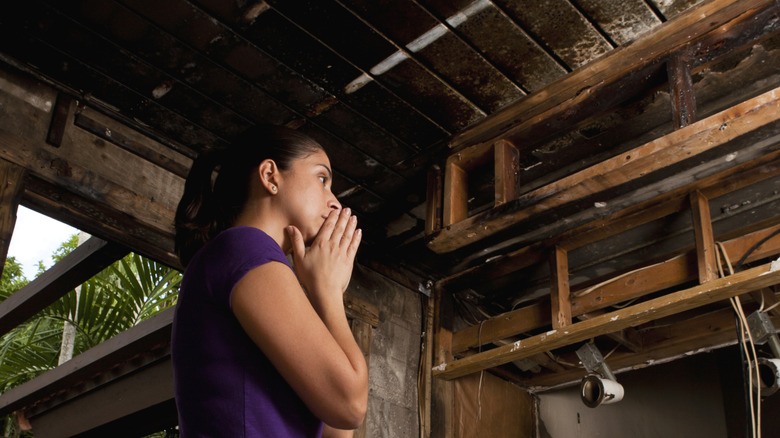
As a renter, you are not responsible for certain damages to the home that a homeowners policy is intended to cover. Take, for example, damage from natural disasters such as hurricanes, floods, wildfires, earthquakes, or tornadoes. While the owner's insurance covers the structure, the renter is responsible for covering their personal belongings. Homeowners insurance can cover the actual dwelling, while renters insurance may cover lost belongings from the same event up to the coverage limit. Renters policies can also cover losses related to theft with the same policy limit rule. In either case, it's important to take pictures of your belongings for record keeping purposes in case you ever need to file a claim.
You might also not realize that renters insurance can help cover temporary living expenses. In referring to the natural disaster scenario again, let's say a significant event renders your home temporarily unlivable. Staying at another home or at a hotel is yet another key area of coverage renters insurance can cover, as long as it's comparable to your current living situation. The policy will also outline the maximum amount the insurance will pay for living expenses.
Another often looked-over aspect of being a renter is liability. If you damage someone's property due to an accident, liability protection in your insurance policy may cover some of the expenses. Liability coverage isn't exclusive to the property itself, though. If you have a get-together, for example, and someone is injured at your place of residence, the injured party can hold you financially responsible for medical expenses.