

The Unexpected Benefits Winter Frost Brings To Gardens
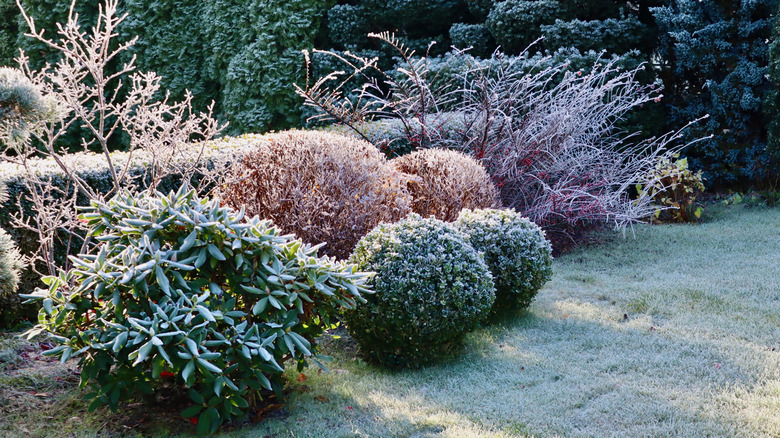
When the first hard frost of the season arrives, covering the garden in a shimmer of white, it seems like it's an official signal that the growing season is coming to a close. Many gardeners consider this time a period of rest. They join their plants in waiting for spring to arrive — hunkering down in the warmth of the indoors. If you're wondering how to prepare your garden for winter, you might be surprised to learn that frost can be beneficial. Far from being a bad thing, it's a necessary process that's a vital partner in garden health — in particular, it's essential for good soil quality and robust plant growth cycles. Winter rest is nature's way of refreshing your garden beds and ensuring a better growing season.
Periods of intense cold and freezing temperatures rebalance a garden and stop problems before they become issues you have to deal with. The cold weather reduces the prevalence of disease and garden pests that can only survive in warmer temperatures. You as a gardener get a clean slate in spring when it's time to start planting and growing again. Just as you rest in the winter, the increasingly cold weather is a dormancy trigger for many plants, telling them to store their energy in seeds, tubers, or root systems for later spring growth. Instead of dreading the snow, icy winds, and freeze-thaw cycle, we should be welcoming the changes it activates in the garden — in everything from soil chemistry to flowering.
Freeze and thaw cycles positively affect garden soil
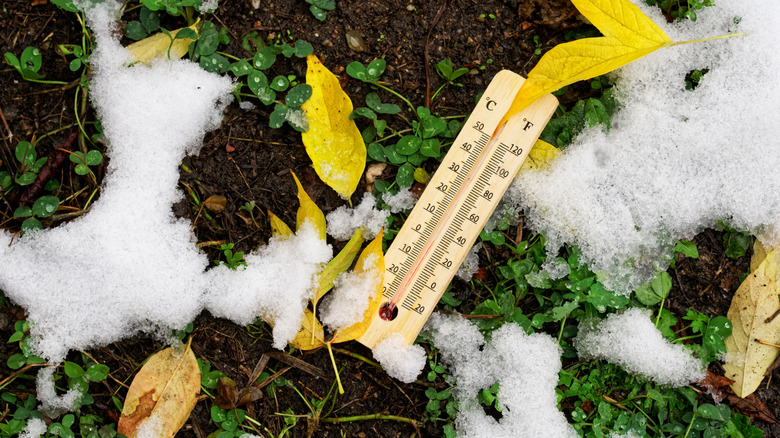
The freezing temperatures in winter are nature's way of improving soil quality without you ever having to pick up a shovel. This benefit comes from a process called frost heaving, which is caused by the movement of water within the soil. This movement creates upward pressure and physically pushes the soil apart and upwards. This is why winter temperatures could mean cracked concrete around your home — damaged sidewalks and driveways, anyone? When the sun warms the soil surface and the ground thaws, the soil recedes and contracts. This cycle repeats throughout winter, loosening the soil and naturally aerating it.
The pockets created by the process allow air, nutrients, and water to move freely through your garden beds once spring arrives. It helps alleviate the soil compaction caused by rain or foot traffic during the growing season. The end result is a better-draining, crumbly, well-textured soil in the spring. New roots easily push their way through it, and plants get the inputs they need to thrive with less effort. Gardeners who live in cold climates and prefer a no-till approach to plant cultivation, or even those who dig over their soil, likely appreciate this natural movement — even if they don't know why. It either does the hard work for them or makes digging the ground in spring easier.
The chill ensures spring bulbs and perennials flower
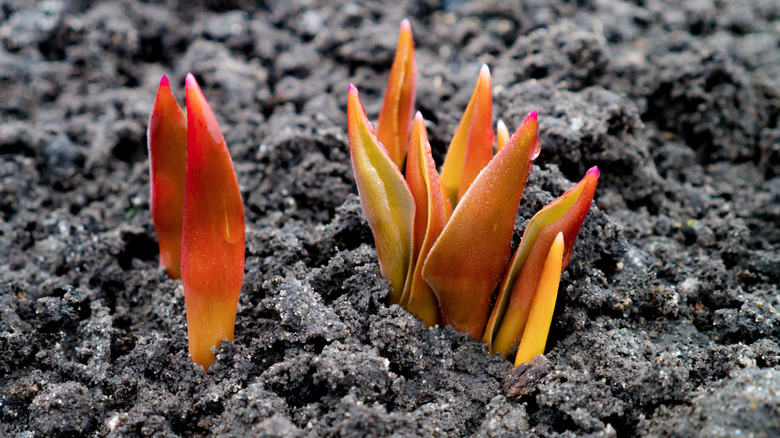
Avoiding mistakes everyone makes when growing tulips in the garden — or any cold-dependent plant, tree, or shrub — starts with understanding how cold impacts growth. Certain species require an extended period of cold, or vernalization, to complete their life cycle. The arrival of chilly or freezing temperatures is like a biological switch or alarm for many plants. It triggers hormonal changes and sometimes even enhances energy production, ensuring plants don't sprout or bloom prematurely during mild winters and only start growing again when spring arrives and the danger of frost has passed. Without this period of cold, many bulbs, perennials, and fruit trees will grow lots of leaves and nothing else or fail to bloom and fruit. Even some seeds need months of chilling, called stratification, to germinate.
Let's take the aforementioned tulip (Tulipa spp.) as an example. These pretty spring bulbs grow in USDA Hardiness Zones 3 to 8. They need to experience six to 12 weeks of temperatures between 34 to 45 degrees Fahrenheit before they will grow and flower. This need for cold ensures the plant doesn't start growing too early (during, say, a warm snap) only to be killed by a late frost. It's nature's way of making sure tender new leaves, buds, and flowers — essential for reproduction in many plant species — only happens when it should. Gardeners growing tulips in warmer climates often mimic this process by pre-chilling their bulbs in the refrigerator before planting them. It's simple proof that this rest period is a requirement, not a nice-to-have.