

Always Keep Your Used Aquarium Water, Here Are The Plants That Love It
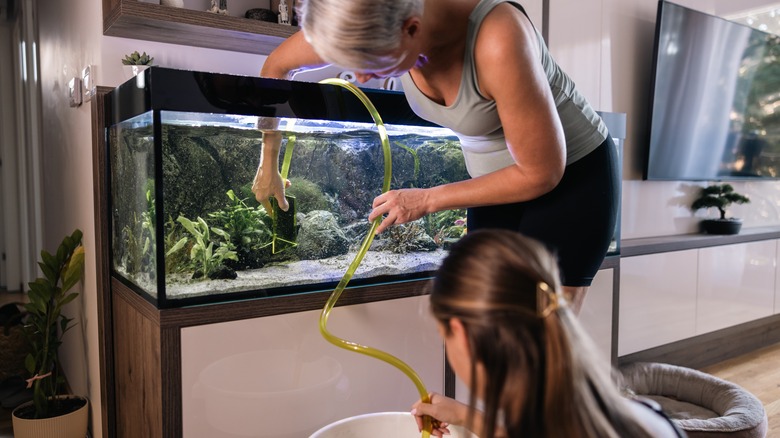
While aquariums are beautiful and full of life, they get dirty pretty quickly. Over time, the water gets cloudy and sometimes even a bit green, which is due to residue from fish food, and sometimes, bacteria bloom. In any case, it's best to change the water and clean the aquarium every few weeks to keep fish happy and healthy. Doing this requires that you use and discard a lot of water, and if you're not finding ways to reuse the water, it's a bit of a waste. No need to look for complicated DIYs, however, as you can water some plants with aquarium water.
This isn't just a smart anti-waste technique; it's actually great for plants. Over time, aquarium water fills up with great nutrients, like potassium, nitrogen, and phosphorus, through fish waste. Guess what else has all of this good stuff? Fertilizer! These are great for plants such as philodendron, peace lily, and kale, which need that type of healthy boost. In some cases, fish tank water might be enough, though some plants might still appreciate a bit of fertilizer on top of it.
By using naturally enriched water, you can help your plants thrive. Collecting dirty fish tank water is incredibly easy. Just empty it out into a container instead of down the drain, and fill up bottles or jars with it. However, this trick only works with fresh water tanks that have not been chemically treated. If you add chemical additives to your aquarium, avoid using the water to water any fruit or vegetable plants that you intend to eat. And if the aquarium water is very old, murky, and therefore highly concentrated in nutrients, it's best to dilute it with fresh water before pouring it on plants and soil.
Pothos
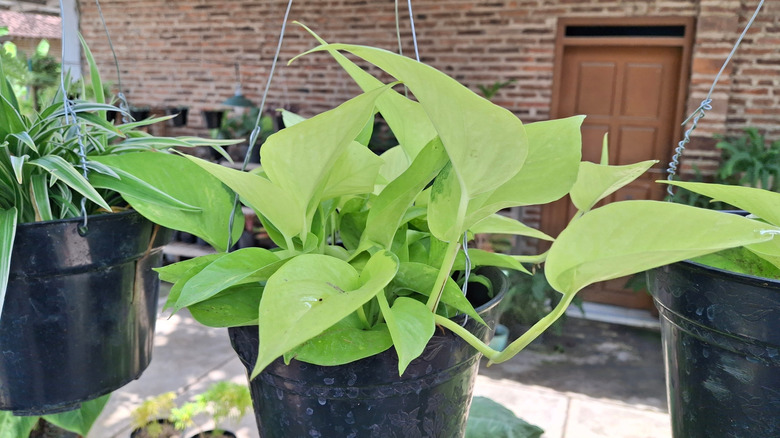
Helping your indoor potted plants, like pothos (Epipremnum aureum), is a surprising way you can use your aquarium water. In fact, pothos and fish tanks go together hand in hand. These popular indoor plants thrive when rooted in water, and some people even place theirs directly on top of aquariums so they can root in the aquarium's water and benefit from the nutrients released by fish waste. If your pothos are already potted in soil, don't worry — you can also help it thrive by occasionally adding some aquarium water to their watering routine to give them a natural boost.
Philodendron
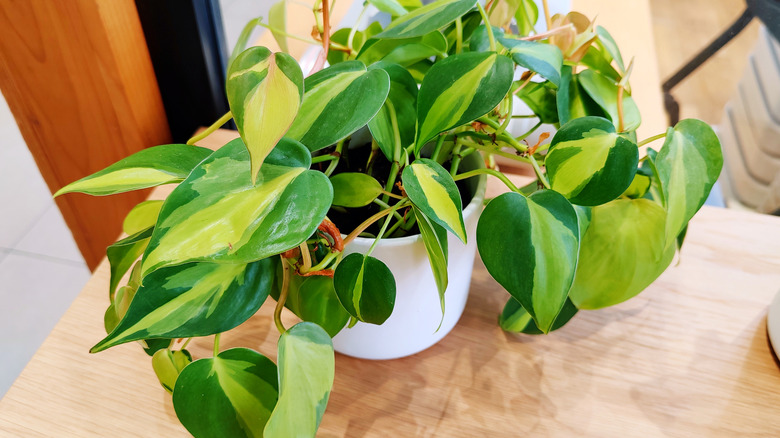
There are tons of philodendron varieties that make for beautiful houseplants. These are also popular fish tank plants, because they can root in water just as easily as pothos. Tons of people let their philodendron's roots grow into a fish tank, which also helps filter and clear the fish tank's water. But no need to do all that if you've already got a happy philodendron rooted in soil. Give your plant a bit of a healthy boost by taking some aquarium water and adding it to your watering routine whenever you clear the tank.
Spider plants
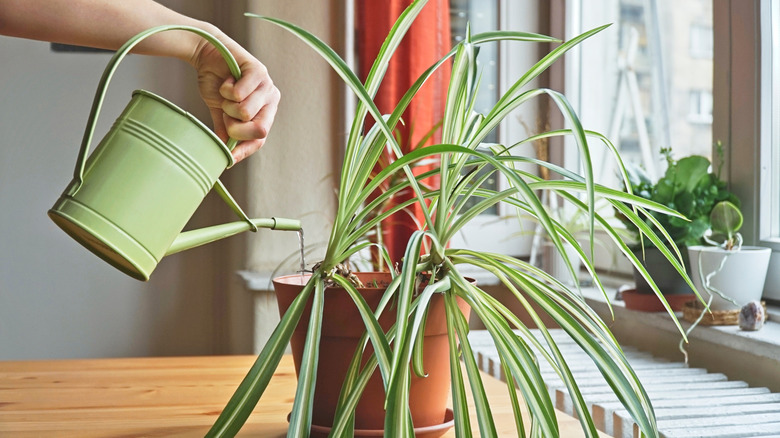
Spider plants (Chlorophytum comosum) are another one of those versatile plants that can love fish tank water. These can easily grow with roots in a fish tank, and even when they're planted in soil, they'll love to get some nutrients from fish waste as occasional extra food. Spider plants typically need watering once a week, or more if you live in warm and dry areas. Since that's likely to be more often than you're clearing your aquarium, you can just add some aquarium water to clear whenever you clean the tank, and you'll keep your spider plant happy and healthy.
Peace lily
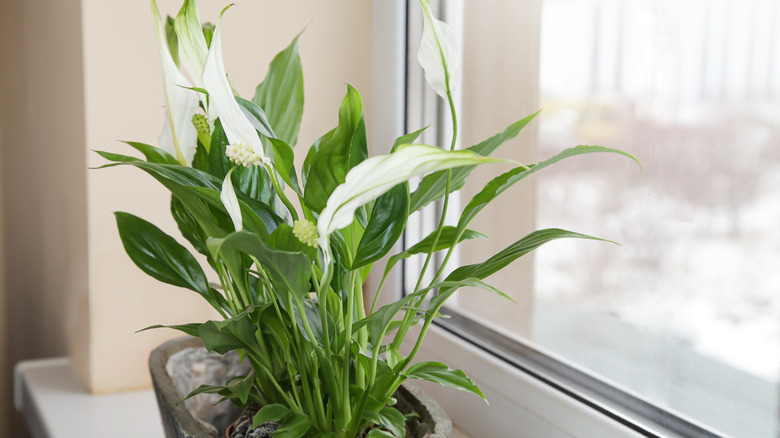
Peace lilies (Spathiphyllum) will love a monthly intake of nutrient-rich fish tank water. With nitrogen, phosphorus, and potassium, aquarium water is a great way to naturally fertilize a peace lily plant that's potted and rooted in soil. Peace lilies don't typically need a lot of fertilizer, so fish tank water might be enough to keep them happy and healthy. However, it's more important to use it during its growing season when it's blooming.
Tomato plants
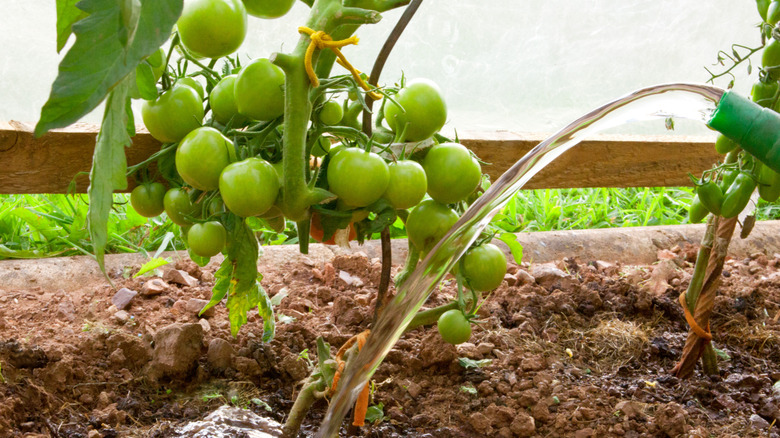
Tomato plants need a very healthy amount of nutrients to grow large and juicy fruits. To help add to their intake, consider watering the plant with aquarium water. Many gardeners have tried this, and some even say that they were able to quit using commercial fertilizer altogether thanks to their fish tank's nutrient-rich water. Some people have even grown healthy tomatoes by using aquaponics, which is a method that uses a closed-loop ecosystem between a plant and an aquarium. So next time you're cleaning your tank, remember to save a bit of water for your tomato plant.
Pepper plants
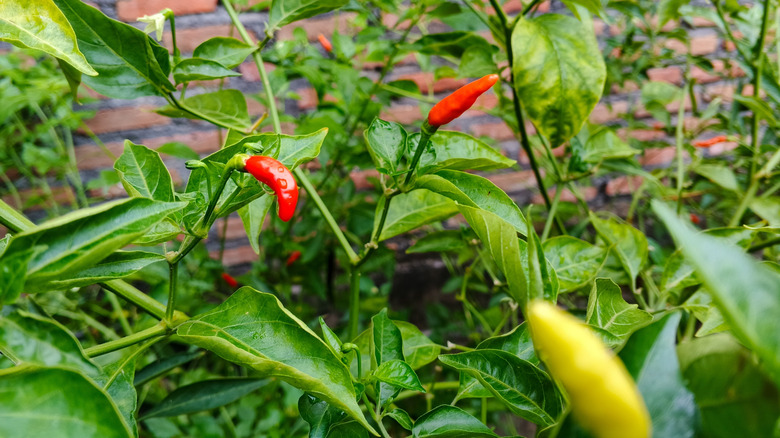
Similar to tomato plants, pepper plants also need a healthy supply of nutrients to grow their fruits. If you have a freshwater aquarium, you can use that water on your pepper plant varieties. Some people have even gone further and used peppers for their aquaponics setup. However, you should only water edible plants like peppers and tomatoes with aquarium water that's completely untreated. If you've used any chemical treatments to prevent diseases among the fish, to fix the pH of the water, or to reduce algae, it's best to abstain.
Spinach
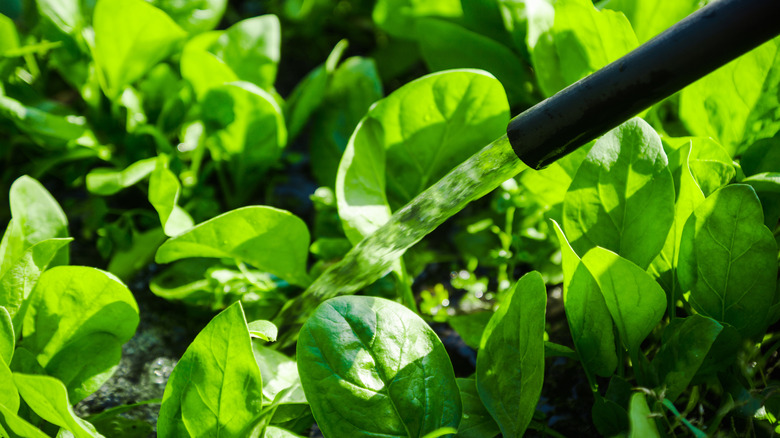
Leafy greens like spinach will also love to get some extra potassium and phosphorus from the old and dirty water of your aquarium. Nitrogen, too, will help spinach grow its leaves, which is exactly what you want before harvesting. Here again, since spinach is not ornamental and typically grown to be eaten, make sure that the water from the fish tank is completely untreated and devoid of any chemical additives.
Kale
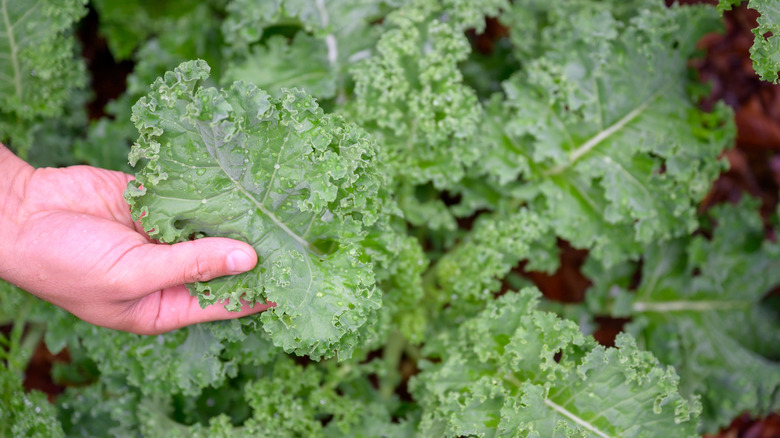
Kale needs to be fertilized with nitrogen, potassium, and phosphorus to grow healthy. Kale also loves an extra dose of nitrogen when it's growing. Luckily for you, that's exactly what you'll find in old fish tank water. By adding some old aquarium water to your kale watering routine, you'll be sure to harvest healthy leaves to use in your next salad. As always, avoid this if you're using any chemicals in your fish tank, whether it's for pH levels, diseases, or algae.
Basil
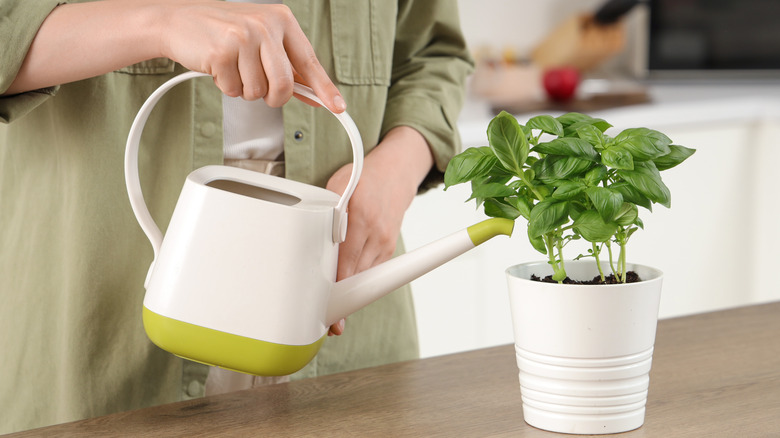
Another type of edible plant that can grow stronger thanks to aquarium water fertilizing is basil, among other herbs. In order to grow its delicious leaves, basil needs a bit of fertilizer, and it might even thank you for the help by developing stronger flavors. This is also important if you pick leaves from the plant to cook with, because nitrogen is what can help the plant grow new leaves back more rapidly in their place. Here again, and with any herbs that you intend to eat, avoid chemically-treated water.
Mint
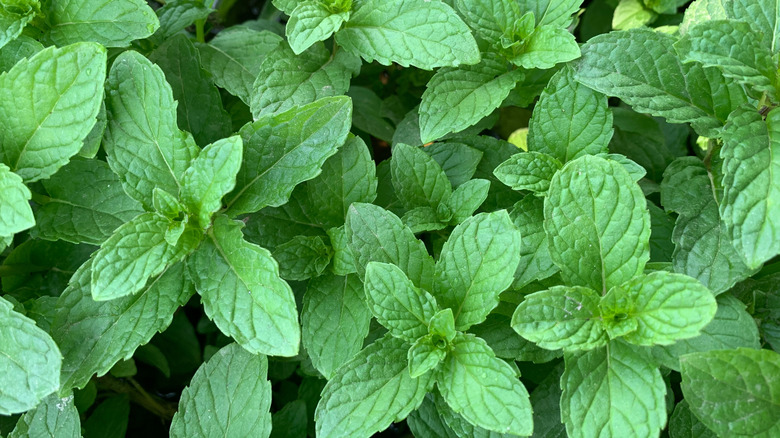
Mint is known to grow vigorously, so you might think that it doesn't require any fertilizer. However, mint does love potassium, nitrogen, and phosphorus. All of these are found in fish waste, which is present in the water that you're removing from an aquarium. In order to grow tons of mint leaves, add a bit of your old fish tank water into your watering routine.