

This Outdated Art Deco Kitchen Got A Modern Makeover—without Losing Its Vintage Charm
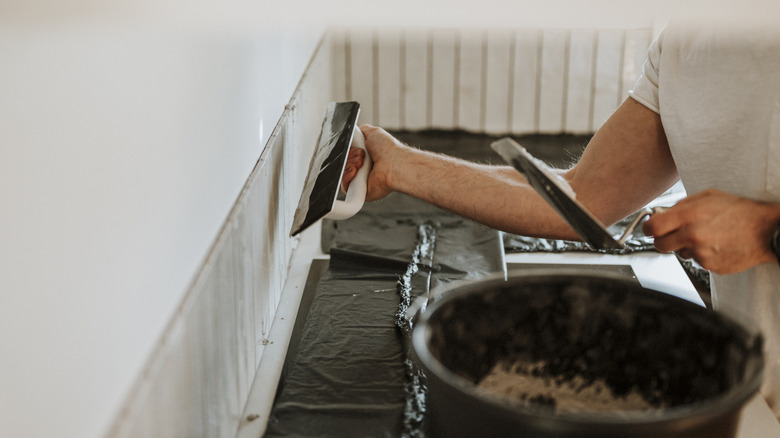
Historic homes hold a special place in my heart. I have always loved the unique details, built-ins, and features of old homes that were built prior to the 1960s. That's one of the biggest reasons I purchased a home built in 1950, sight unseen, in West Virginia. I'm not gonna lie, it was the pictures of the kitchen that sealed the deal. Seeing the chrome edging around the counters and the small shelves framing the window over the sink sold me immediately. I knew, no matter what we did renovation-wise, that those details would stay. In my opinion, when renovations in old homes are done right, they respect the soul of the home even if modern features are added. Creator Drew Michael Scott, also known as @lonefoxhome, embodies that sentiment — the renovation of his Art Deco kitchen is a textbook lesson in how to polish, not demolish.
Besides purchasing a 75-year-old home when moving to the Wheeling area, I also was lucky enough to get a job with the Preservation Alliance of West Virginia. This job gave me a front-row seat to observing how professional restorationists renovate historic buildings and homes. One of the best parts of my job was learning and helping inform the public about valuable resources and information available for them to restore their own historic homes.
I have seen and experienced first-hand how intimidating it can be to restore and care for an older home. Balancing necessary repairs, design decisions, and restoration of vintage features with modern updates can be tricky business, but when done right, renovations like Scott's transformation of his 1920s kitchen feel like an extension of the home's story instead of a complete reset.
How thoughtful design choices kept this kitchen true to its era
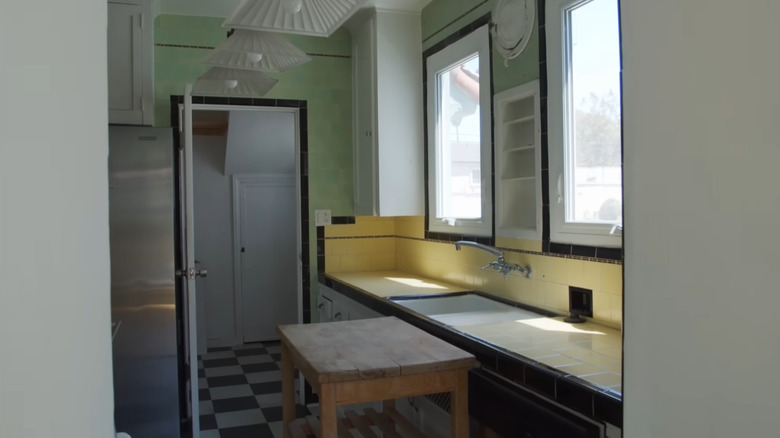
One of the key things Scott did beautifully when renovating his Art Deco kitchen was focusing on one historic feature to center his design around. In this case, it was the Art Deco tile. For a kitchen remodel, saving the gorgeous backsplash tiles is a great way to perfect the vintage kitchen look, even if you are adding modern features. Also, instead of demolishing the original cupboards, Scott left them in place and instead gave them a fresh coat of paint. When his original color choice didn't feel right, he pivoted to a butter cream yellow, which was a great decision in my opinion. It ties into the original tile color while also brightening the room.
Another great choice he made was utilizing lighting pieces that were beautiful replicas of those popular in 1920s homes. His lighting choices really tied the whole room together and lovingly mirrored what might have been in the home during its early years. The last great touch Scott made was to replace the floor tile with a DIY penny tile design he created, inspired by a more intricate pattern that was common for the era of the home.
In my opinion, Scott did an amazing job bringing his 1920s era kitchen into the 2020s without compromising the history of the design. It has modern appliances and great functionality while still giving a nod to years past.
What Drew got right that other homeowners can learn from
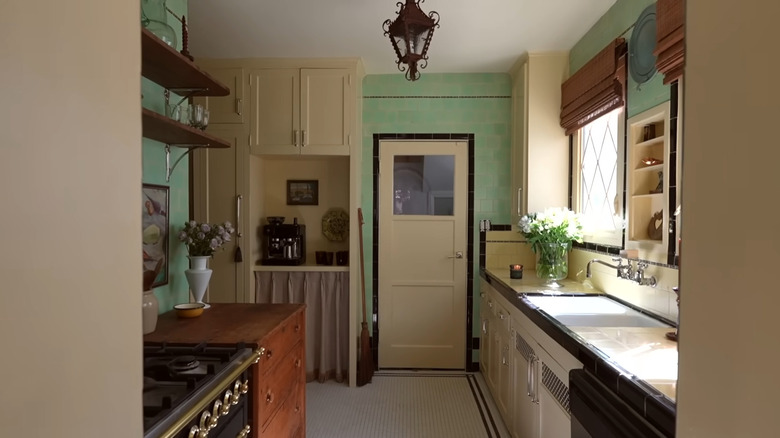
Drew Scott's vintage kitchen design is so charming it feels like it will never go out of style. This is absolutely because of his thoughtful restoration choices — rather than opting for trend-driven updates, he honored the home's history and personality. From a preservation standpoint, one of the best things he did in this renovation was practice restraint. Rather than stripping everything down and starting fresh, Scott preserved original elements wherever possible, similar to how professional restorationists approach historic spaces.
I reached out to my former boss at the Preservation Alliance of West Virginia, Jamie Billman, for her perspective. She highlighted Scott's decision to leave original materials in place rather than removing them. "Encapsulation is often preferred in professional restoration because it keeps the history intact," she explained, referring to Scott's decision to paint over the original paint on the cabinetry. "This approach protects a home's history, is more cost-effective, and can sometimes be safer (lead paint issues)". Billman also addressed a common misconception about historic homes: "If your home is listed on the historic registry, the inside doesn't have to stay historically accurate — usually it's the exterior that matters most. For kitchens, that means preserving the windows, and why wouldn't you? Vintage windows are beautiful." Whether your kitchen is simply vintage or formally historic, Drew's renovation shows that focusing on the elements you want to preserve provides a foundation for any successful update.