

9 Plants You Should Prune In December Before It's Too Late
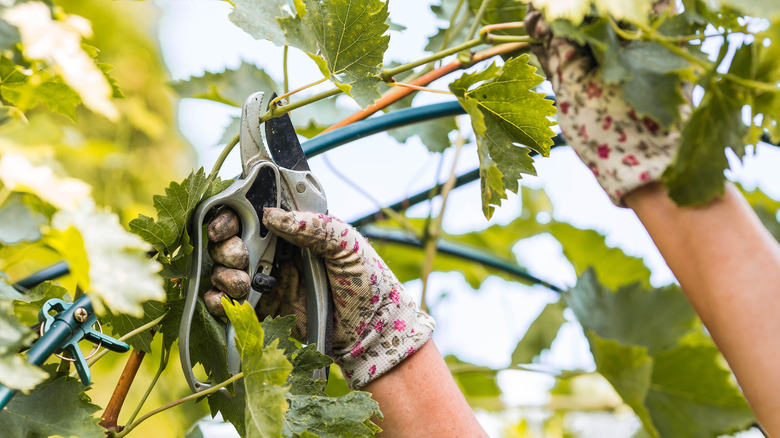
When it comes to gardening, you have to be aware of timings. For every plant, there are specific windows for when you need to put them in the ground. Depending on the flora you are using, you may also need to consider when to fertilize, harvest, and prune. Because plants have different growth habits, pruning can't be done all at once.
The time to prune depends on several factors, including whether flowers appear on new or old growth, whether the dead leaves help to protect it during colder seasons, and when it is dormant. Many plants do best if pruned immediately before or after the growing season. However, there are some that can be cut back in the winter. For example, several tree species, including oak and fruit trees, do best when pruned in December, along with vining plants like certain roses and wisteria.
Before you start cutting off branches, make sure you take the time to understand each plant's care needs and the common mistakes to avoid while pruning, so that you don't end up doing more harm than good. In general, you want to remove the injured and dying parts, but you may also need to do some additional pruning, depending on what your specific plant needs.
Wisteria
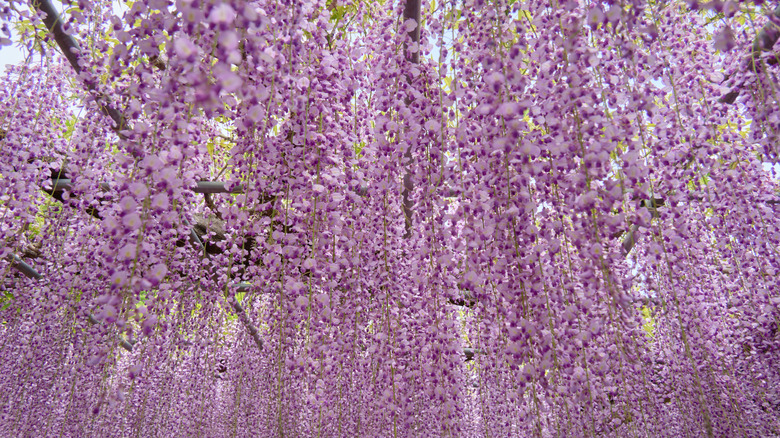
Wisteria (Wisteria spp.) is a fast-growing vine that will add deep fragrance and color to your yard, and generally needs pruning twice a year. The first is during the growing season, but the second is in late winter, like in December. At this time, you can reduce each branch to just a few buds to encourage flowering. If you want the plant to focus on growth, cut the main branches back by about half, and remove any that aren't falling where you want them or are unruly.
Climbing roses
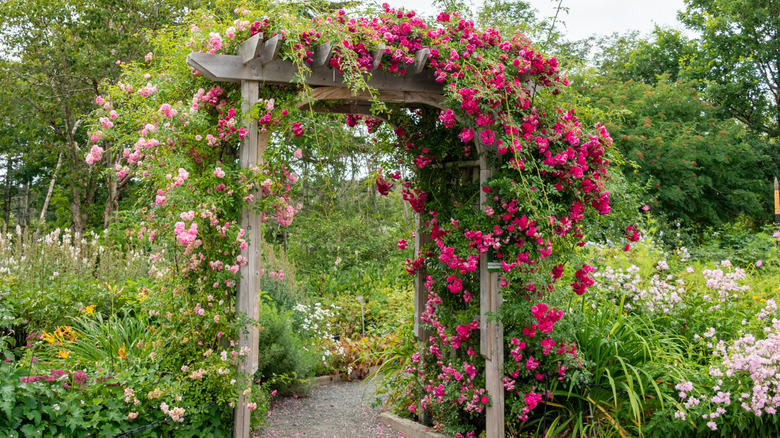
Climbing roses (Rosa setigera) do best when cut in winter, while the plant is dormant and the flowers have all died off. Generally, this means sometime around December, depending on where you live. You want to start by pruning all the unruly, dead, and diseased parts of the plant. Then, cut back the side shoots by about two-thirds to promote new growth and flowering. Additionally, if anywhere feels a little too packed with limbs, you can cut back older branches that aren't providing much and allow new growth to take their place.
Late-summer clematis
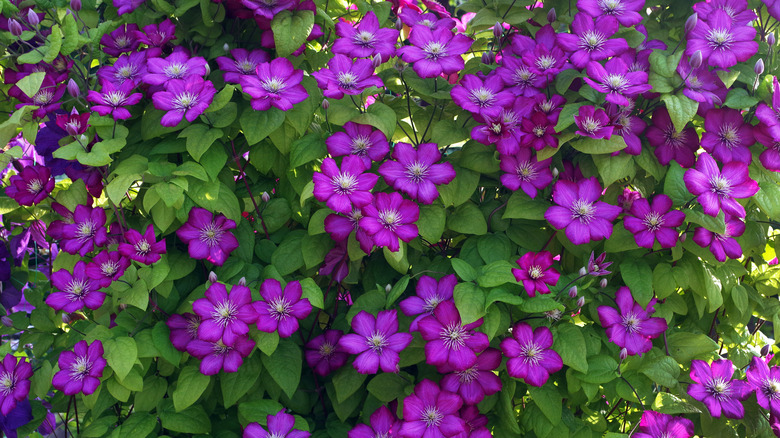
Late-summer clematis, also known as Group 3, includes species like Clematis viticella and Clematis texensis. They flower around the end of summer and produce flowers on the new growth. Because of this, the old branches sometimes get in the way, which is why it's a good idea to cut them after the flowers die off in the winter. Generally, you can cut these clematis back pretty far, so there is roughly a foot of growth. This stops tall plants with flowers only appearing at the very top.
Red-flowering currants
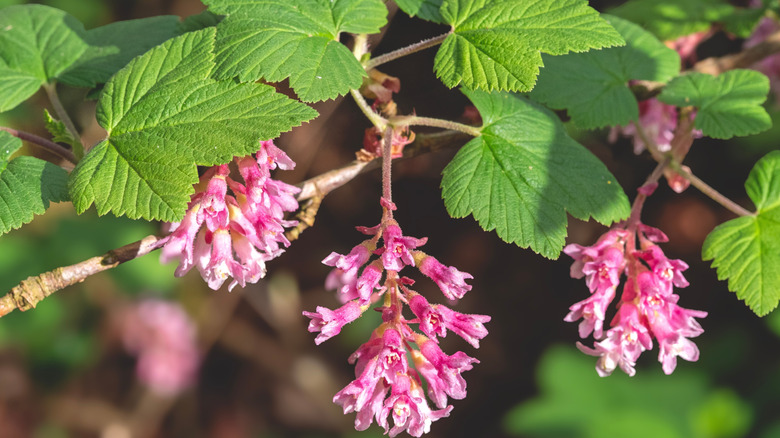
Red-flowering currants (Ribes sanguineum) are beautiful plants enjoyable all year long. Though this entire plant is pretty, it's the red flowers that are a hummingbird favorite. However, they are deciduous, which means they go through a dormant period in the winter. During this window is the best time to prune. While they don't always need pruning, if you want a more compact plant with an abundance of flowers, cutting them back a little is a good idea. Because they bloom on old growth, heavy pruning should be avoided.
Pear trees
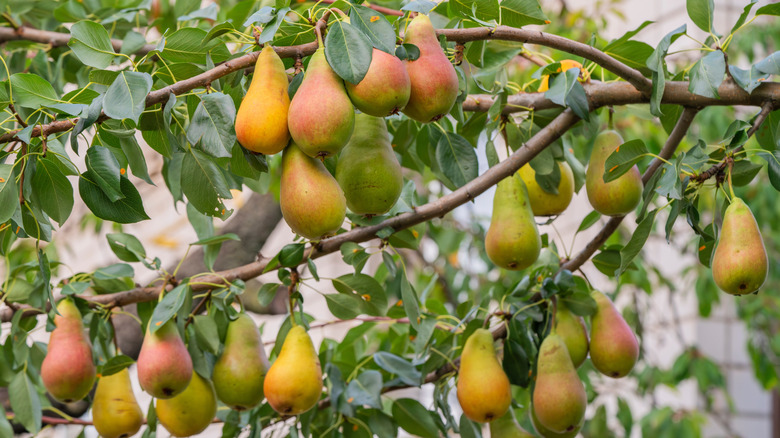
When you prune pear trees (Pyrus communis) in the winter, you promote growth, and you don't harm the plant nearly as much, since it doesn't grow a lot during this season. By cutting off branches that are weak, damaged, or just unsightly, you push the tree into focusing more energy on the branches left, including producing new fruit. You can also use winter to cut the sprouts, known as suckers, at the bottom of the tree that take extra energy from the plant and don't produce fruit.
Apple trees
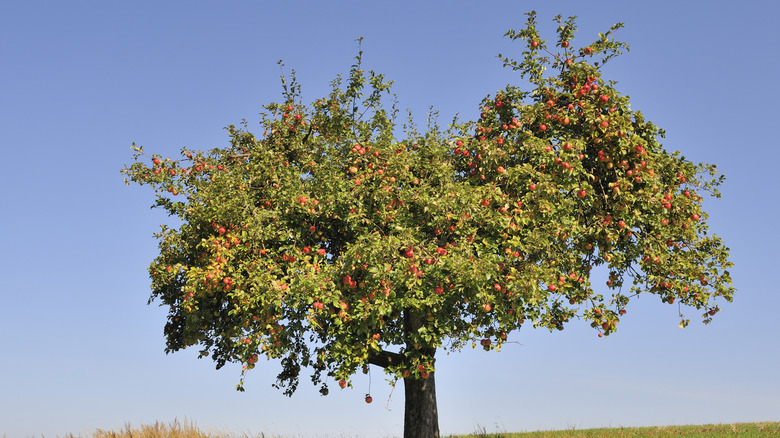
Apple trees (Malus pumila) are a popular fruit tree that you should prune in December for healthier and tastier results. Unlike some other plants on this list, apple trees do need to be pruned in the winter to keep them strong and hardy. You will want to cut back any injured or dead parts of the plant and any crossed branches. You can also take the time to thin out limbs for better air flow, and keep the tree shorter so that it focuses on producing fruit that are all easily within reach.
Oak
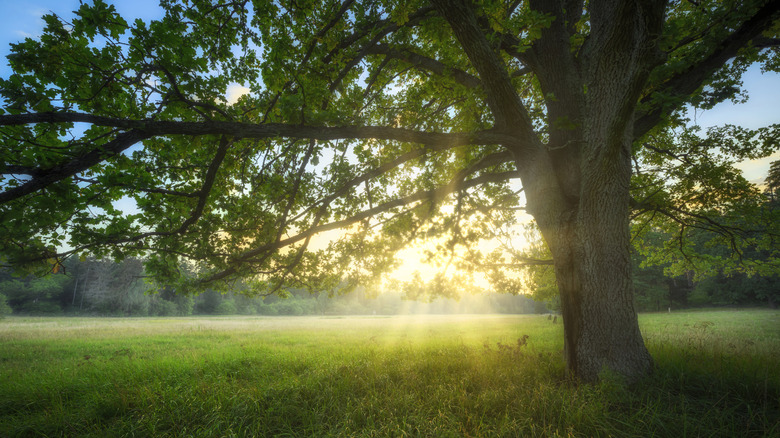
Oak trees (Quercus spp.) require careful pruning. The best time to do so is in the winter, as it helps to prevent disease from open wounds that occur during trimming at other times of the year. This is the dormant period for the plant, and cutting allows the tree to heal and helps promote growth once spring hits. For your oaks, you want to cut back any diseased, damaged, dead, or crossed branches. Thinning out the limbs also helps to improve light getting to the center of its canopy and increases airflow.
Butterfly bush
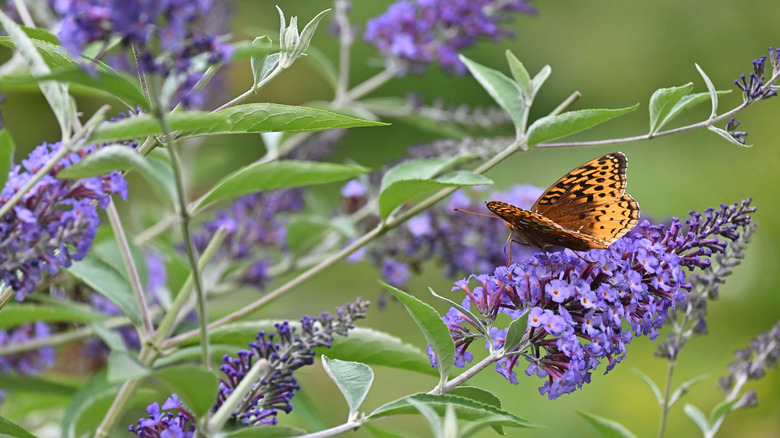
Butterfly bush (Buddleja davidii) is a flowering shrub to prune in late winter if you want to push it into new, healthy growth come summer. In the first year, you can do a lighter cut back, but in other years, you can do a heavier one. While not strictly necessary, winter pruning promotes healthier growth and prevents legginess at the top. While you can do light pruning at other times of the year, heavier cut-backs should be done during the winter. Butterfly bush is considered invasive in some regions, so be sure to check local guidelines before pruning.
Crimson glory vine
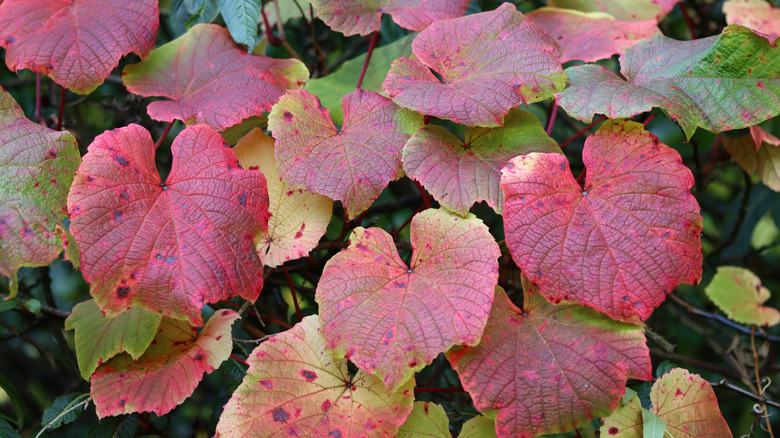
The crimson glory vine (Vitis coignetiae) is an ornamental grape that doesn't really require much work. It isn't a plant you necessarily have to prune, but if you are going to do so, winter is the best time. If it is starting to grow taller than you want, or if you're trying to keep it in a specific shape, a good pruning during its more dormant phase can be really helpful. Heavier trimming can encourage vigorous new growth and larger leaves, even though the overall plant may stay smaller.