

The Beautiful Furniture Finish That's Suspected To Trend In 2026
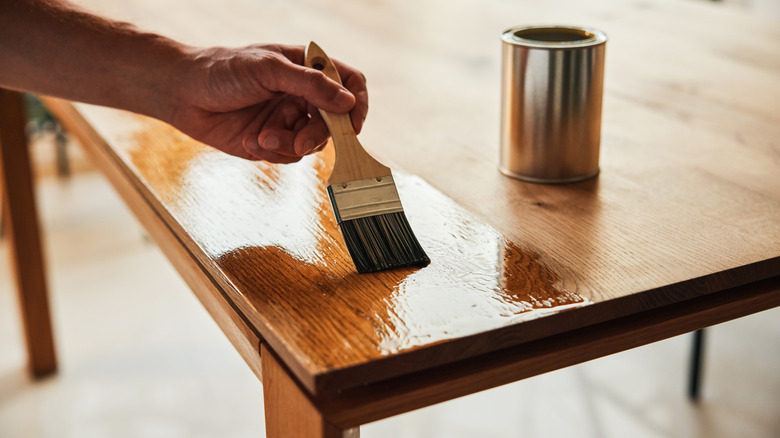
Authenticity was a winning design strategy in 2025, and as consumers look for relief from influencer fatigue and AI deep fakes, it's expected to be an overarching trend moving forward into 2026. While authenticity can be achieved in various ways, when it comes to interior design, contrast plays a key role. Our eyes use contrast to define shapes, textures, and depth, which in turn helps us determine what feels real and authentic. In 2026, one of the top trends in furniture is a beautiful lacquer finish that uses contrast to bring a pop of color to your home decor.
Designer Claire Sá, Director of architecture studio De Rosee Sa, told Livingetc, "Contrast is what allows the materials to be appreciated." According to her, "A room full of lacquer would be overwhelming, just as a room full of brown wooden furniture can feel heavy, but when used thoughtfully, lacquer becomes a highlight and brings the composition to life."
This emphasis on contrast is exactly why lacquered finishes work so well. The shiny surface of lacquered furniture juxtaposed against surfaces like concrete and real wood draws the eye, and the strategic use of bright colors energizes a room. This finish creates new focal points and can make a space feel lively, playful, and undeniably authentic.
Discover the growing appreciation for lacquer finishes in modern interior designs
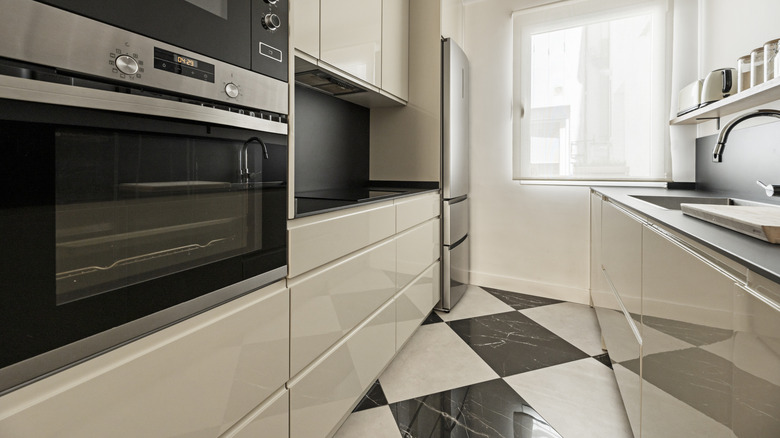
There's definitely something happening with the lacquer finish trend, and the latest buzz suggests that we'll see more of this finish in modern homes in 2026. As editor Hugh Metcalf of Livingetc recently wrote, "When I visited Milan Design Week earlier this year, there was a clear moment for lacquered finishes. These glossy, somewhat synthetic-looking finishes are a departure from the trend for matte surfaces we've seen in interiors for years, especially when it comes to natural materials such as stone and wood. I saw it used for the back of sofas, dining tables, shelves, side tables — pretty much anything you can imagine, and as a brilliant vehicle for color."
Lacquer is one of those finishes that goes in and out of style, however, and nobody has a crystal ball to see what's really going to happen in 2026. But as another designer, Laetitia Laurent, Principal at Laure Nell Interiors, said, "The shift from matte to gloss reflects a growing desire for more vibrancy and energy in our living spaces." This is reflected in the growing maximalist style, seen in the bold and bright Pinterest decor trends. These include the FunHaus aesthetic and the Extra-Celestial aliencore vibe, along with other trends that are fun and playful. Lacquer is exactly the kind of finish that you need for these kinds of looks.
Explore how to use lacquered finishes in your home decor in 2026
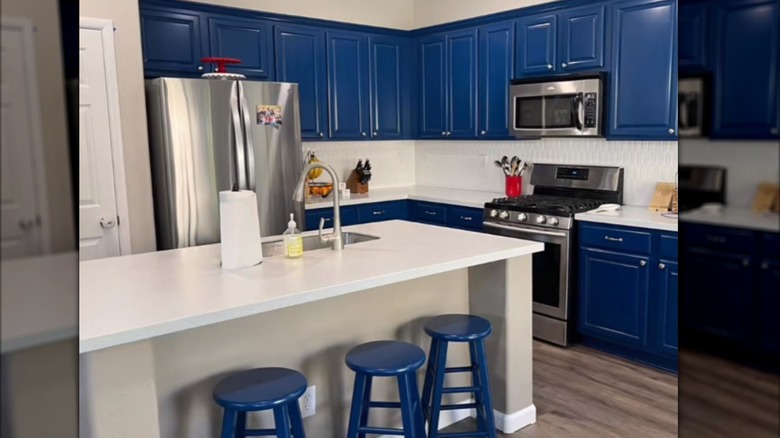
While it's wonderful to see how designers are using lacquered finishes, homeowners want to know how they can use them in their own spaces. "The key to styling lacquered pieces is balance," says Laetitia Laurent. "Since gloss can be visually dominant, it's essential to pair it with softer, more matte elements to avoid overwhelming the space. For example, a lacquered dining table can be beautifully complemented by upholstered chairs in a matte fabric or a natural woven rug."
With the shiny finish of lacquer, you don't need a bright hue to achieve a bold look and make colors stand out. Even pale hues will draw the eye. Such finishes are often used on high-end pieces of furniture, including everything from tables and dressers to cabinets and countertops. Lacquer ceilings are a luxurious touch, and you could even choose lacquer walls to give your home a whimsical, shiny finish. Other uses include accent pieces like trays, decorative bowls, and vases. Since lacquer doesn't yellow, these finishes make furniture pieces low-maintenance and easy to clean.
Lacquered furniture can be expensive, and although you can lacquer your own furniture or upcycle old pieces if you're into DIY projects, it's a time-consuming and detailed process. Some designers recommend having a professional do it, and certain types of lacquer require special knowledge, tools, and application methods.