

Why Is My Garage So Dusty? Here Are 12 Possible Reasons Why
We may receive a commission on purchases made from links.
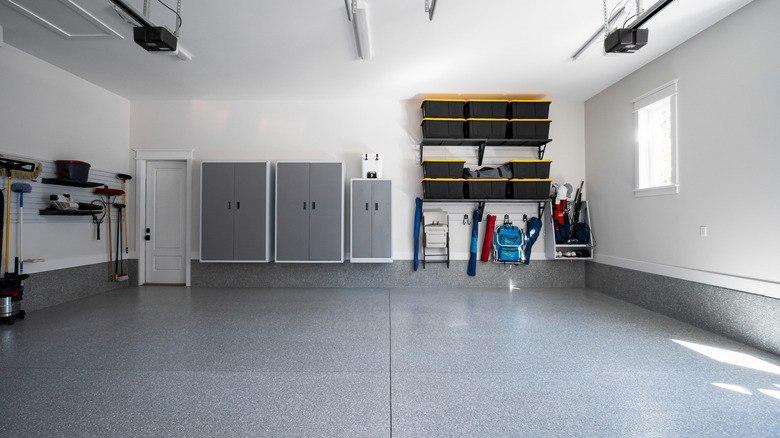
Garages handle a lot of heavy-duty tasks, from serving as your workshop for your DIYs to keeping your vehicles safe from the weather elements. The garage also tends to be a dumping ground for all sort of items, including lawn tools, sports equipment, holiday decorations, and that old fridge that holds all of your beverages. It's a useful part of your home, but it's also an area you might not think about too much — until you notice how dusty and dirty it's getting. Along with all of those stored items you have stuffed away, it's also common for dust and debris to collect in the garage.
Some of the causes of the sneeze-invoking dust layer are obvious. If you park cars in the garage, you can expect them to bring in dirt. Lawn tools, bikes, and even the open garage door are also major sources of dirt, gravel, and organic debris. As they decompose, are distributed through the air, and dry out, they can turn into dust. But some sources, like an unfinished concrete floor, humidity, and HVAC filters, aren't as obvious. Of course, it's impossible to keep all dust and dirt out of your garage, but identifying common sources can help you reduce the amount that settles there. That, along with embracing essential habits people with a clean garage always do, can help you maintain a tidy space with less dust.
Debris blows in when you open the door
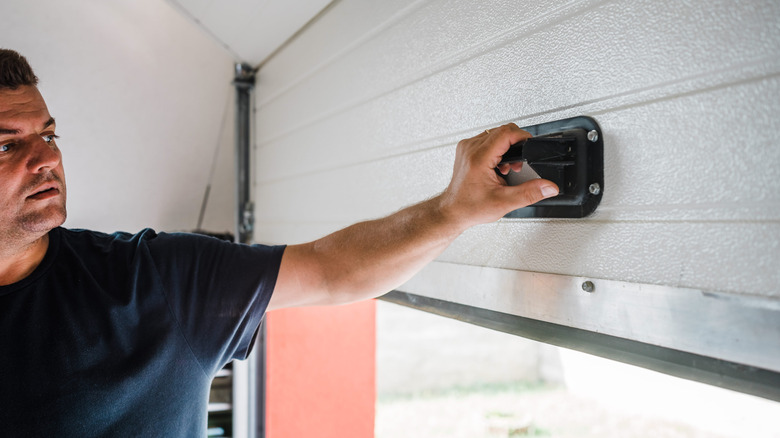
How many times do you think your garage door opens? It's likely that it opens at least once per day. For many people, the garage door also serves as the primary entrance point. Of course, the structure is meant to be a door, but every time it opens, it creates a large gap where dust, dead leaves, and other debris can enter easily. The issue might be a particular concern if you leave it open for long periods while you're outdoors, as you give Mother Nature plenty of time to sprinkle your garage with wind-blown dust, dirt, and debris.
The easy fix is to keep your garage door closed. You can't to this permanently, though — that would take away the functionality of the door and the garage space. When you do need to open the garage door, leave it open just long enough to move a vehicle in or out or complete whatever other task you need to have completed, especially on windy days when debris is likely to blow in. If you like to leave the garage door open, consider investing in a screen, like this Pick for Life garage door screen. It could still let in some dirt, but it helps eliminate large debris like leaves, which can decay and become another source of dust.
The garage door seal isn't tight enough to block the dust and debris
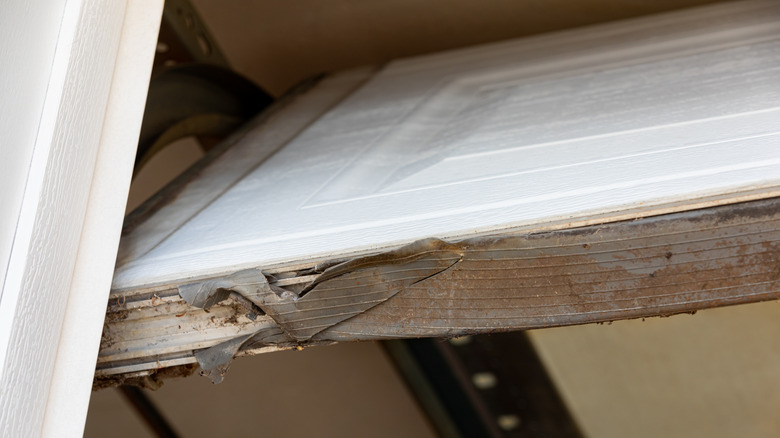
Garage doors have seals or weatherstripping to block gaps along the bottom and sides. There are several different types of garage door seals, all of which can deteriorate or become damaged over time, often due to weather elements, like UV rays and fluctuating temperatures. In some cases, the seal doesn't get installed correctly, or the door becomes misaligned, which makes it difficult for the seal to block the entire gap. If the seal doesn't close the gaps securely, it creates an opening that allows dirt from outside to blow into the garage.
The best way to deal with this situation is to replace the bottom seal on your garage door. While you can replace the seal yourself, the most effective solution is to rely on professional installation when possible. Hiring a garage door company is essential if your door is misaligned or needs to be replaced completely. Garage doors are heavy and require special tools for installation and repairs, so a professional offers the safest, most reliable option.
Your car tires carry in dirt, sand, salt, and other debris
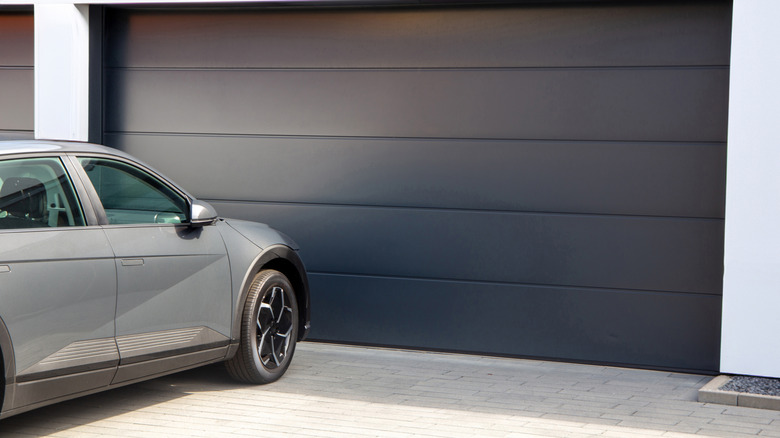
Some garages are used mainly for storage or get turned into a home gym or extra living space. But the ones that are used for the traditional purpose of parking a car indoors have a very obvious source of dirt and dust: the vehicles themselves. Your car's tires pick up dirt, tiny rocks, salt, sand, and other small particles from roadways. The car itself also gets dusty, especially if you drive on gravel roads. In the winter, road salt and other products used on snowy, icy roads also clings to your car. When those particles fall off the car, they make the garage dirty. The tires also continue to grind up those particles into even smaller pieces each time they roll over them.
It's difficult to keep all dirt out of the garage from your car — it's bound to get dirty with regular use. Washing your car regularly helps keep the dirt and road debris buildup to a minimum. It's also helpful to clean your garage regularly to sweep particles of the garage before your tires can turn it into a fine powder.
Lawn tools bring in grass clippings, dirt, and other yard debris
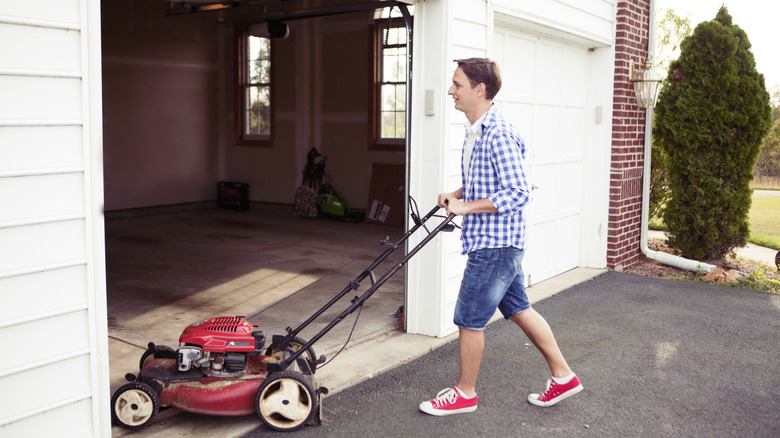
If you don't have a storage shed, the garage often becomes the home for your lawn mower and other landscaping tools. That means you could be dragging in tiny lawn clippings, dirt, fertilizer, and other particles from the lawn into the garage. You might also use it to store bikes and other outdoor recreational items that accumulate dirt, mud, and other gunk. The buildup can fall off of those items as you're handling them inside the garage, contributing to how dusty it gets.
Safely cleaning your lawn mower outside of the garage helps keep most of the debris out of the space. Choose a spot away from the garage for cleaning — that way, the particles won't blow into the garage with the next strong breeze. A brush or leaf blower works well to get rid of loose debris. For bikes or similar gear, a sponge or brush removes larger deposits. You can also hose down the bike to remove dirt and particles after riding. Not only does cleaning the bike reduce the dust in your garage, but it can also reduce wear on your bike.
Foot and vehicle traffic stirs up and redeposits the dust
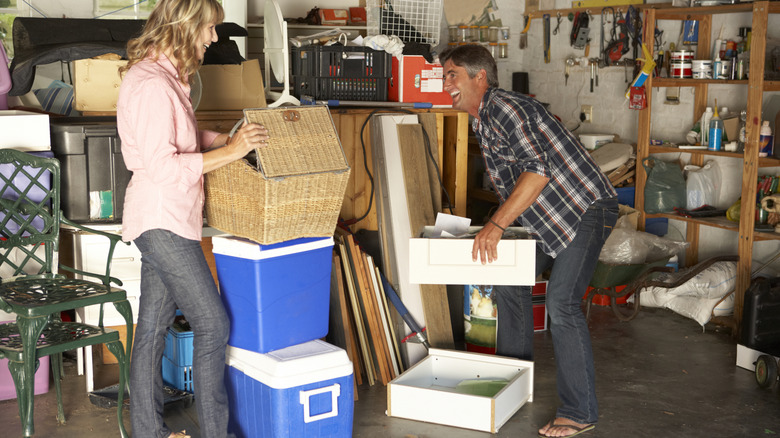
Garages naturally have a certain amount of dust — even your home's interior gets dusty, so it stands to reason that a space with a large door leading outdoors where vehicles drive will also be dusty. The particles might not be as noticeable when they settle on various surfaces. However, any activity in the garage (including foot and vehicle traffic) could kick up that dust and send the particles flying into the air. That could make the dust problem more noticeable, especially if you spend a lot of time in the garage. For example, if you have a home gym in the garage, the spinning action on an exercise bike could blow around the dust.
Short of not using the garage, there's not much of a remedy for this issue. And, leaving your garage unused makes it a waste of space. Sweeping and dusting regularly can help eliminate the particles that are already in the garage, so they don't fly up into the air as much. Using a garage air filtration system with a HEPA and carbon filter can help cut down on dust as well as fumes that can accumulate in a garage, making it a healthier, more comfortable space.
Sawdust and other particles build up if you use your garage as a workshop
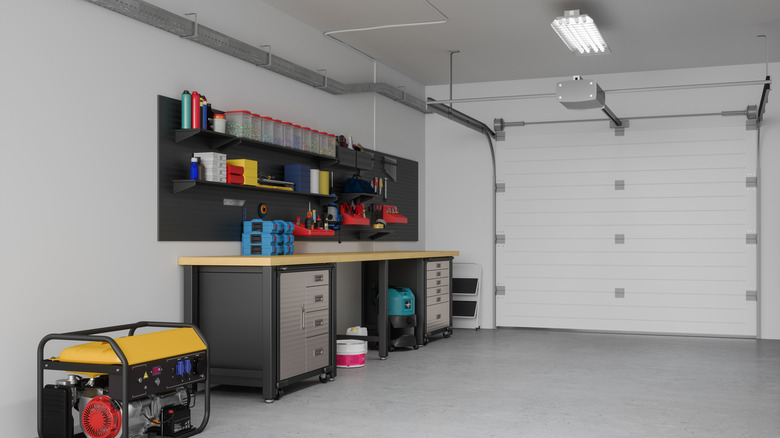
The garage is a natural spot for building a small workshop area if you don't have a separate shed or building where you tackle your projects. If your project involve any type of cutting, drilling, or sanding of wood or other materials, you're generating sawdust that can scatter throughout the garage. Refinishing furniture could result in little shards of old paint being scattered around the garage. Even tinkering with vehicles in the garage could create messes.
One way to alleviate some of the dust is by using drills, sanders, and saws outside of the garage when possible. If that's not an option, controlling the dust and cleaning it up as quickly as possible is key. Keeping your shop vac handy is also important for minimizing dust in your workshop area. Not only can you use it to clean up dust from various surfaces, but some tools include dust ports, which allows you to connect the vacuum to the tool. Another option is a portable dust collection hood, which you can position to collect dust as it's generated.
Unfinished concrete floors, wood, and other materials used in the garage can degrade over time
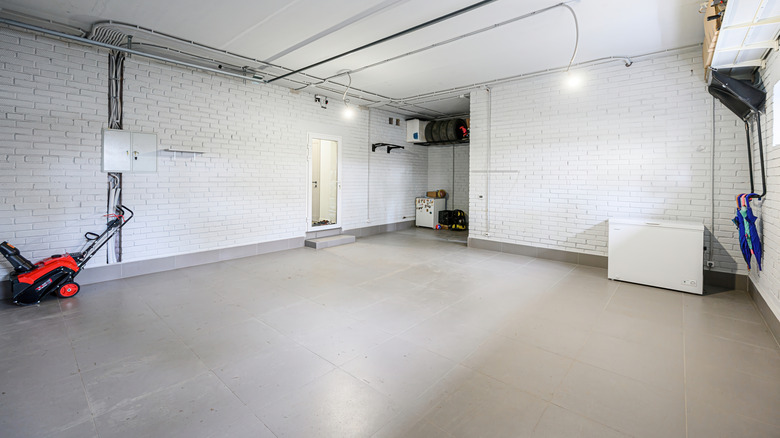
Concrete floors are common in garages, unless you've upgraded to a different type of finish. And even though concrete is hard and durable, when it's unsealed, it can gradually wear away, creating fine dust. That breakdown of the concrete often happens as items move over the surface, but moisture and extreme temperatures can also speed up the process, creating more dust. If your floor is sealed but that barrier isn't applied correctly, it could still allow moisture, oil, and other liquids to seep into the floor, which may contribute to the deterioration of the material. Any traffic over the concrete can kick up the dust and cause it to settle on other surfaces. Other materials in the garage, such as wood paneling or drywall with unfinished edges, can also deteriorate gradually and contribute to the dust situation.
There are several garage flooring hacks that can help cover up unfinished concrete and minimize the dust it creates. If you like the look of the concrete floor, apply a penetrating concrete sealer to protect the material and keep moisture from soaking into it. Another good option is a polyaspartic coating, which helps reduce buildup. Or, consider flooring materials that go over the concrete — interlocking tiles, stone, roll-out vinyl, and peel-and-stick tiles are a few common options.
The HVAC filter in a heated garage needs to be changed
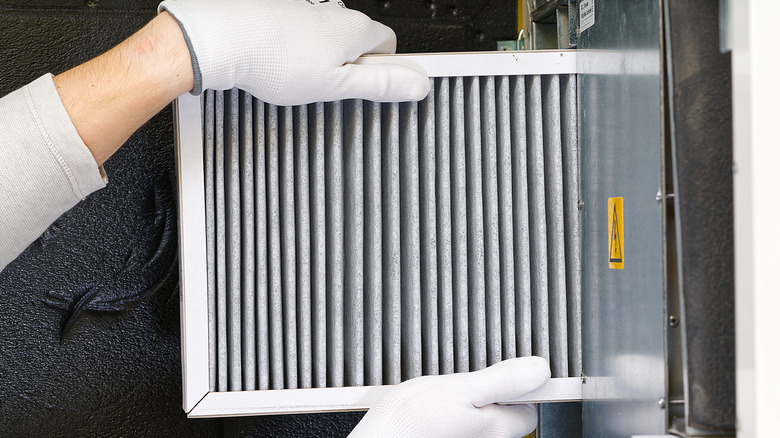
Having a climate-controlled garage is a luxury, but that same HVAC system that lets you stay comfortable year-round could be contributing to the dust problem. A dirty, clogged air filter in the system can cause all sorts of problems, but one of them is making your indoor spaces dustier than normal. If the filter is too dirty, it can't effectively filter out the dust and debris. Central heating and cooling systems that use ductwork typically have filters at the main unit. But even ductless mini-splits use filters in each of the air handlers.
If your garage is connected to any type of HVAC system, check the filters frequently. Filters typically need to be changed every one to three months, but that depends largely on the type of filter and how dusty your home is. If you've noticed a recent increase in the dust in your garage, check the filter to see if it's covered in dust — that's your sign to replace it. Some filters are washable while others need to be tossed and replaced.
You're not cleaning it enough
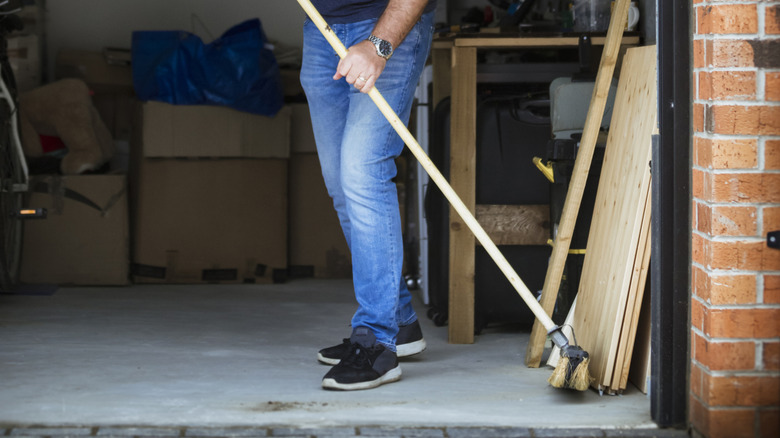
You might not want to hear it, but sometimes that dusty garage comes down to your cleaning habits. Like other parts of your home, your garage needs to be cleaned regularly to keep dust, oil, grease, mud, and other gunk at bay. In fact, there are several things in your garage you should be cleaning more often, including the floor. If you're leaving the garage off your cleaning list (or not cleaning it thoroughly enough), you'll likely notice a lot of dusting flying around.
A deep clean at least twice per year is a good way to declutter and get rid of dust lurking behind shelves or storage containers. Pull everything out of the garage and wipe down all of the contents of the space. You may need to increase your deep cleaning schedule to every three to four months if the garage gets heavy use. Between those intense cleaning sessions, touch up with a monthly refresher to dust and clean the floors well. It's also important to clean up after you work on a project in the garage or if you notice a big mess.
The garage is full of clutter that collects dust
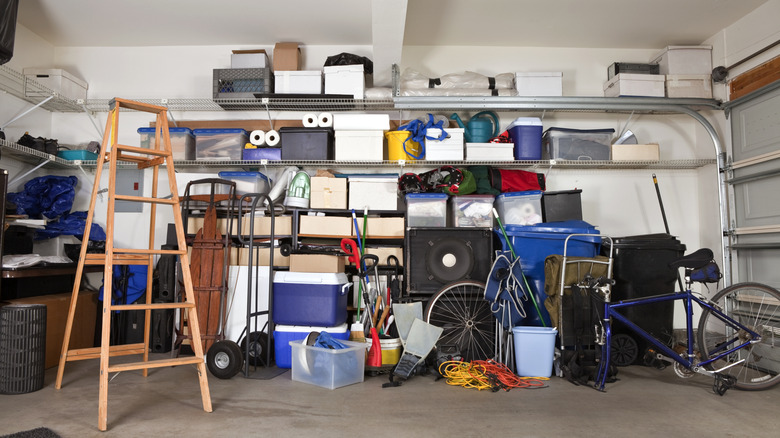
You likely have various items stored in your garage. Items that are used outdoors, like bikes, kids' toys, sports equipment, and lawn tools, often have some amount of dirt on them. But even random items or boxes of stored belongings can collect dust. Having lots of clutter in your garage means more surfaces and nooks where dust can collect. Some of the items you stuff in the garage might already have dust on them, which adds to the overall amount in the garage.
Reducing the number of items you keep in your garage and creating an organizational system for what's left can help. The easiest way to keep your garage storage organized is by adding shelves that utilize the vertical wall space. On those shelves, keep similar items together. That way, the dirt from the sports equipment won't fall off onto the storage bins containing holiday decorations. Enclosed cabinets and storage containers help keep dust off of individual items, which can make it easier to clean up the space.
Humidity in the garage makes dust stick together
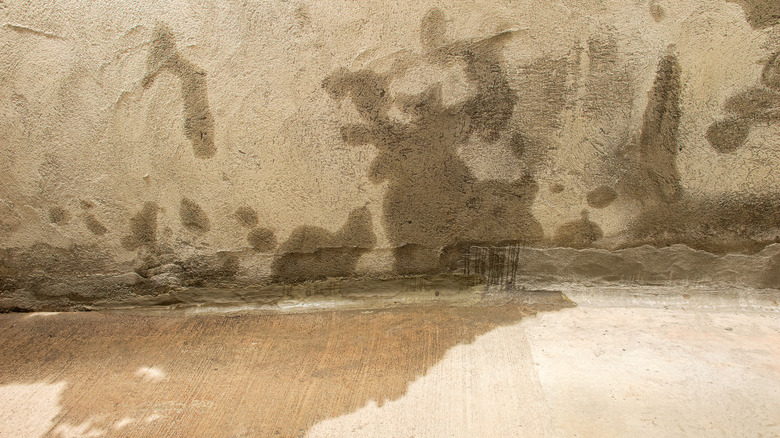
Garages are often humid, especially if they're not climate controlled. Humidity from outdoors can enter the garage, and water or snow on your car tires can also bring in extra moisture. You could have moisture issues if your garage floor is always wet or sweating — cold concrete meeting warm air often produces condensation on the floor. When the air is full of moisture, it can make the dust that's in the garage more of a pain to clean — it makes it sticky and difficult to remove. Plus, higher humidity levels often increase dust mites and mold growth, which can contribute to poor air quality in your garage.
Controlling the humidity levels in your garage can minimize these issues. Sealing gaps and cracks where warm, humid outside air can enter may help reduce the problem. Increasing ventilation often decreases humidity, and you can also run a portable dehumidifier in the garage during the humid periods to remove excess moisture from the air.
A garage laundry room contributes lint to the mix
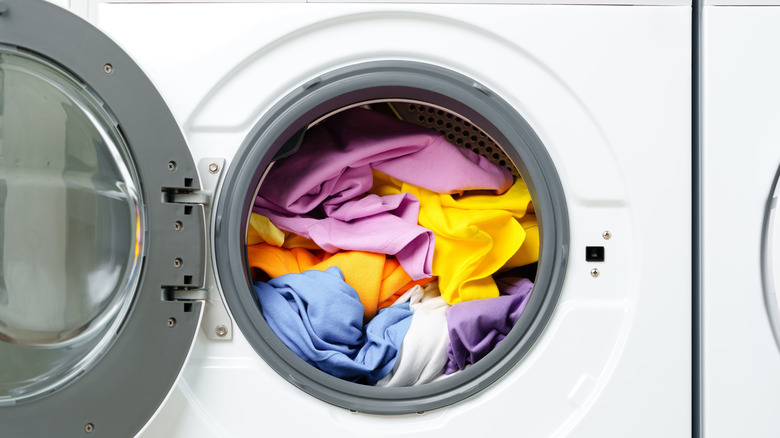
The garage can serve many functions, including working as a laundry room if you don't have a dedicated space for your washer and dryer indoors. Even if you turn your garage into a luxurious-looking laundry room, it could still contribute to the dust problem in the form of lint. Despite having a lint trap, your dryer often sheds at least some lint fibers, including those that fly off when you empty the trap. The lint can easily float throughout the garage, settling on various surfaces like the other dust and particles.
To cut down on the lint issue, clean the trap after each load, using a trash can with a lid to trap the removed fibers. It's also a good idea to clean your dryer vent at least once per year, as lint can build up there as well. Vacuuming the laundry area portion of the garage with a vacuum equipped with a HEPA filter also removes the fibers before they can relocate to other parts of the garage.