

How To Plant & Care For A Barbados Cherry Tree
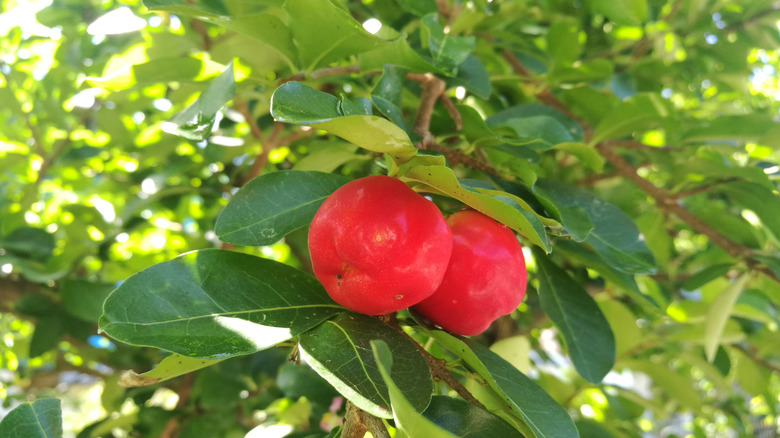
There's something special about stepping into your garden and getting to enjoy fruit you've grown yourself. There is the immediate reward, of course — the burst of flavor, the mixture of tang and sweetness — but there is also that deep satisfaction that comes with every bite, that knowledge of knowing you're enjoying a true garden-to-table delicacy. While the idea of growing your own fruit tree can be daunting, the Barbados cherry (Malpighia emarginata) offers low-maintenance care that may make it the perfect choice for your yard.
Before diving into more about the Barbados cherry, it's important to know that this common name can apply to several different Malpighia species. However, the main fruiting species is M. emarginata, and it's the plant you'll want to learn about if you're after those sweet, sweet harvests of delectable cherries. The Barbados cherry is an evergreen tree (or shrub, thanks to its more diminutive stature). It's not toxic, but its leaves do have small hairs that may irritate your skin if handled directly.If you're interested in growing the Barbados cherry in your own yard, it's essential to familiarize yourself with the care it requires. This includes learning about the proper methods and areas for planting, as well as how to tend to this plant once it's established in your yard.
Climate and hardiness zones
When looking at whether a plant is a good pick for your yard, the first place to start is assessing its native climate and USDA hardiness zones. Barbados cherries are native to warm, tropical regions, so they'll do best in gardens with similar temperatures. This can include subtropical climates as well, such as Florida. As far as USDA zones go, if you want to see your Barbados cherry last all year-round outside, then it's best to plant this tree in zones 9 through 12.
When to plant
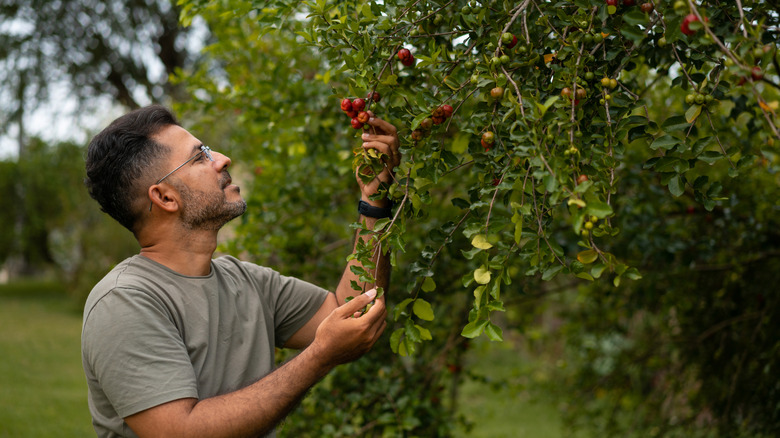
Given the Barbados cherry tree's temperature requirements, it's important to plan the right time to plant. After all, the last thing you want is the tree you sought and purchased to wither in its spot due to a sudden frost. Yearlings are the best for outdoor planting, whether you start your seeds inside first or buy a sapling. The key is to pick a time when the soil is warm and there's no risk of frost. You can also grow Barbados cherry trees in container gardens, allowing you to bring them inside if needed.
Watering requirements
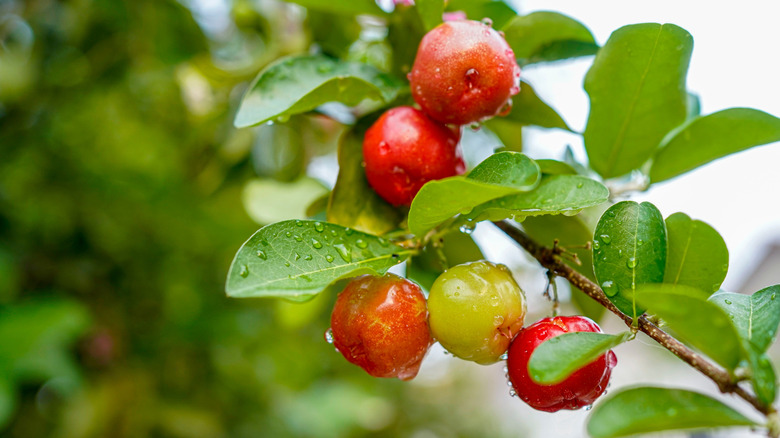
Knowing how much (and often) to water your tree is an essential part of caring for a Barbados cherry tree. Like related species, these plants don't do well in swampy or flooded conditions, as waterlogged soil can do more harm than good. They do require frequent watering, though. This is especially true during dry seasons, when rainwater may not be available as a supplement. Aim to keep the soil consistently moist without overwatering. If needed, proper mulching can help waterings stretch longer.
Soil Preferences
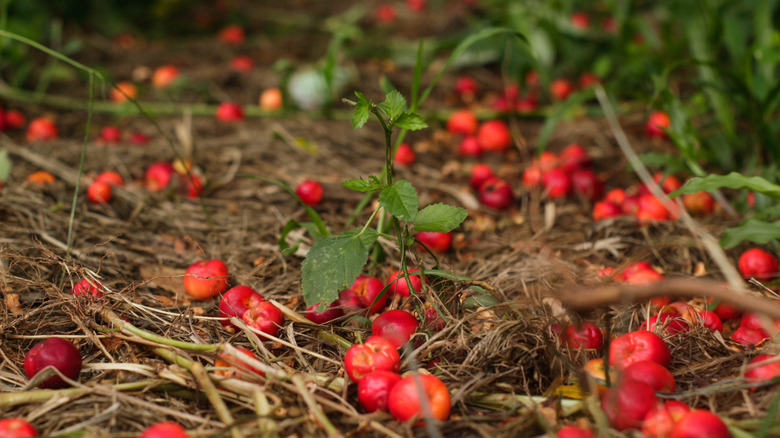
One of the biggest requirements for soil for Barbados cherries is that it be well-draining. They can tolerate a variety of soil types, from loam to clay, so long as their soil doesn't hold water and leave them waterlogged. They also prefer soil that is slightly acidic, although a neutral pH will also serve them well. Another important factor is space and breathability. You want to ensure there is plenty of room for this tree's roots, so other plants should be at least 10 feet away.
Sun exposure
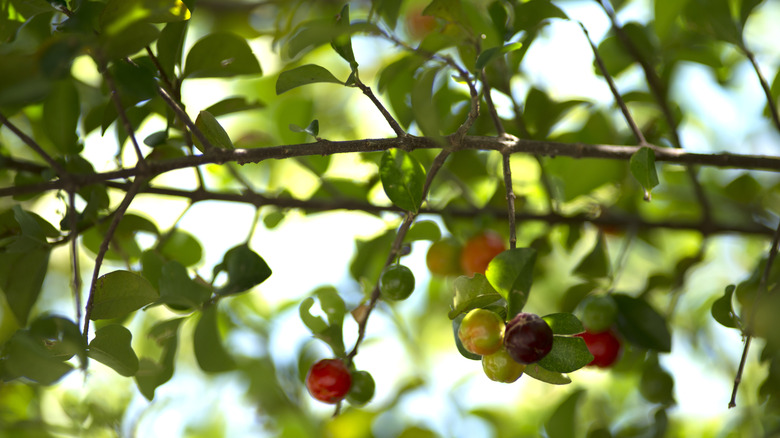
Few factors are as important to consider as sun exposure when it comes to fruiting plants. Because of their native habitats in the sunny tropical and subtropical regions, Barbados cherries love sunlight and do well in full sun conditions. As a result, it's important to plan for at least six to eight hours of direct sunlight each day, although as much as 8 to 12 hours can be beneficial for these plants.
Preparing the planting spot
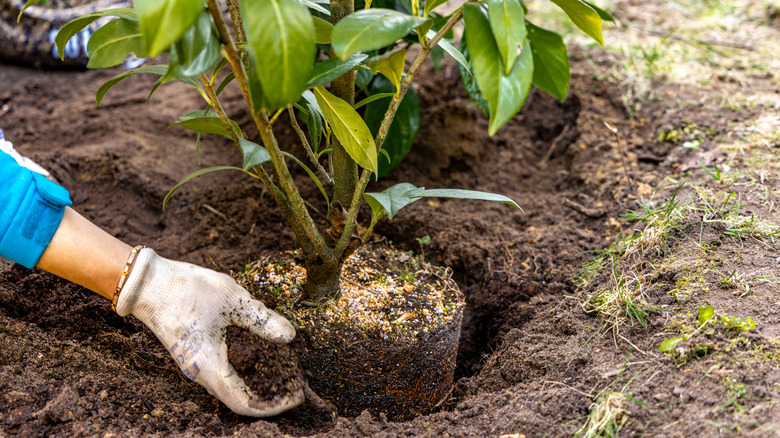
Prepare the planting spot, choosing one based on the information above about soil and sun exposure. This process is similar for potted plants, but you'll also need to choose an adequate starter pot. When it's time to plant the sapling, it should be buried to the same depth as it currently sits to protect the trunk. Adding store-bought or DIY compost can help the cherry tree thrive in its new spot.
Fertilizing needs
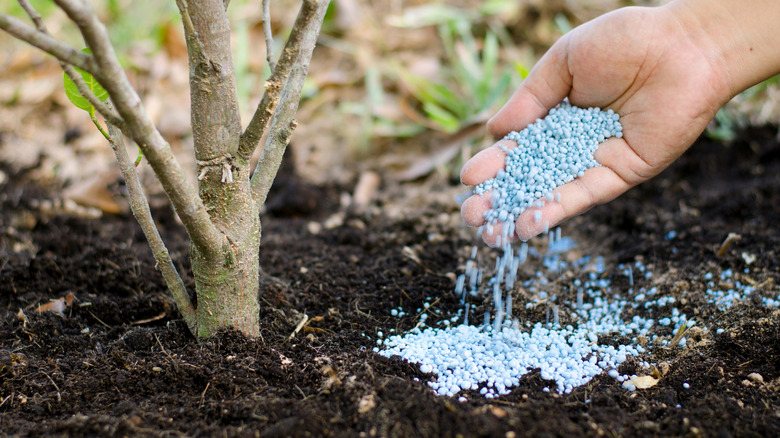
Barbados cherry trees do best when grown on a site with ample organic matter and nutrients. As a result, fertilizing can be a helpful boost for a healthy tree. While the plant is overall considered to be low-maintenance, this is a task you may need to do a few times a year, depending on your location. This includes after winter dormancy and during the growing season of summer. When using a fertilizer, always refer to the included instructions to see how and when to use it for your specific plant.
Pruning and trimming
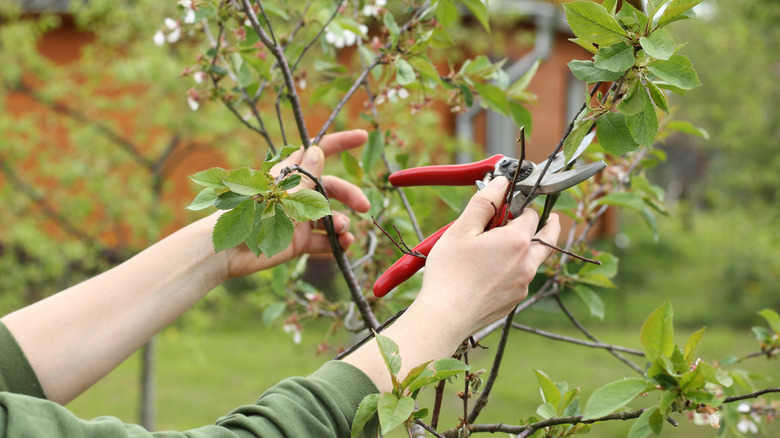
Like fertilizing, pruning isn't a constant task, but incorporating it during the right times of the year can help your tree to thrive. The key with pruning your Barbados cherry tree is to tackle this chore after fruiting but before the cold weather settles in. This gives your tree ample time to recover and prepare for any weather changes. When pruning, you can help keep your tree healthy by considering the three D rule of pruning: diseased, damaged, or dead. You can also trim your plant to maintain it as a shrub.