

The Built-In Safety Feature That May Make Buying An Induction Stove Worth It
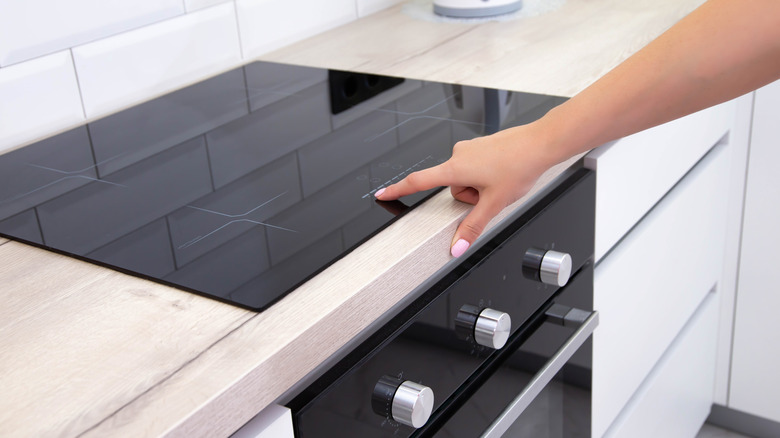
Yes, induction stoves are trending, but many still question whether they're really the best alternative to gas units. Serious cooks and professional chefs have preferred the open flame method for generations, arguing that it gives them a unique level of control when handling food. Induction was also the more expensive option for years. Presently, not only are prices leveling out, but homeowners are also seriously considering one of induction's most game-changing benefits: safety.
This cooktop trend will be making kitchens safer and more efficient in 2026 and beyond thanks to its fascinating electromagnetic mechanics which lead to the glass surface cooling down as soon as the cookware is removed. While this can present a bit of a learning curve for the uninitiated as it can be annoying to lose heat every time you need to move your pots and pans elsewhere, distracted cooks or busy parents with curious children will undoubtedly recognize its merit. Switching to induction signifies the end of unsupervised hot spots, flames, and gas leaks for an overall more peaceful cooking experience.
How induction cooktops inherently keep you safe
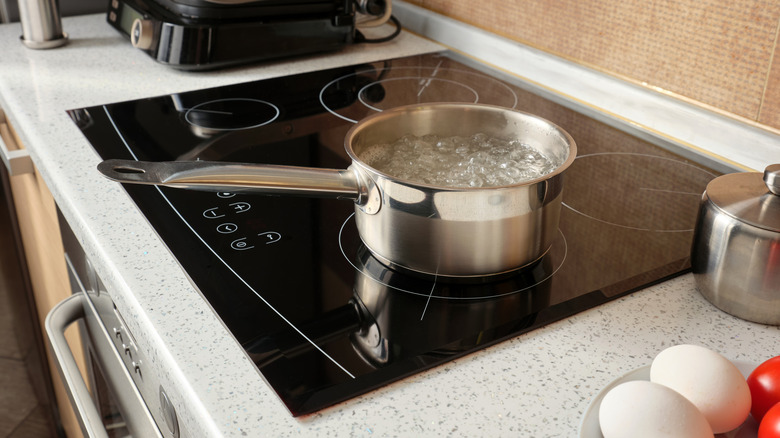
Electric cooktops and gas ranges have added security features that promise to offset their dangers. With induction, however, the very way it works ensures that safety. Electricity interacts with the copper coils beneath the glass surface which, in turn, interact with the magnetic cookware (typically made of cast iron or stainless steel) to create a magnetic current, thus generating heat. This means that the coils, unlike in electric and gas cooktops, need to be close to your pots and pans, and vice versa, to heat up. Without this connection, the magnetic current and, consequently, the heat, is lost.
What's more, this same principle means that no heat is wasted outside the cookware. This is incredibly helpful in reducing your energy costs at home, but it's also an additional safety reassurance, especially when compared to gas stoves. If not properly ventilated, the latter's toxic emissions can pollute the air in your home, possibly resulting in health issues like asthma, not to mention the risk of life-threatening leaks.
When standard electric cooktops were the only alternative, many kitchen aficionados were willing to overlook these issues in favor of an enhanced cooking experience. Now, though, with induction solving a lot of the frustrations of electric technology, namely speed and lack of control, and becoming more affordable, its safety and health benefits may just make the investment worth it.