

What To Do If Your Pipes Freeze In The Winter
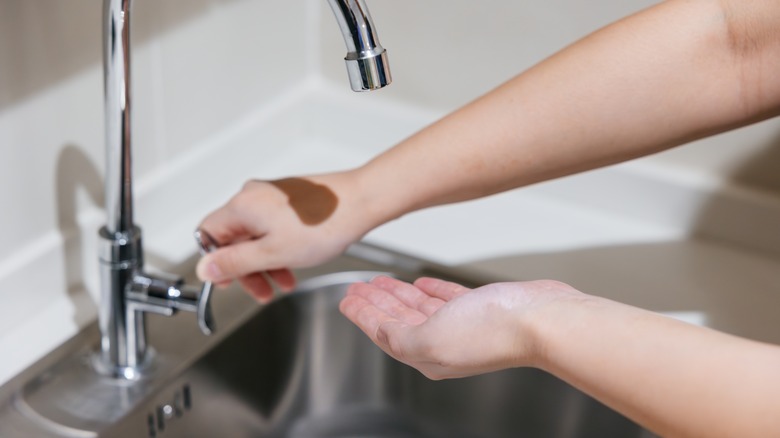
You wake up in the morning and step into the kitchen to grab a glass of water, but when you turn on the tap, nothing comes out — or maybe only a trickle or some gurgling noises. When temperatures drop below 32 degrees Fahrenheit, water freezes. When pipes aren't properly insulated, they may also start to freeze at around this temperature. Insulated pipes, though, are at risk for freezing around the 20-degree mark. If your pipes are frozen, your first step is to identify where the frozen pipe(s) are located. There's a chance the basement or crawl space isn't being heated enough to prevent freezing, or there's an issue with pipes running through exterior walls, including in your garage and kitchen. These are unheated areas that are more susceptible to freezing. Visual signs of frozen pipes include bulging or cracked pipes.
People often make mistakes when dealing with frozen pipes, but following these instructions may help: Once you locate the pipe that's frozen, the first step is to open the sink tap so you can monitor when it begins to thaw. Then you will need a method to heat the frozen pipe — starting as close to the faucet as possible to leave space for pressure to release at the tap and for the warm water to trickle down and melt other frozen areas in that pipe — and safely melt the ice inside. Use a blow dryer, an electric heating pad, or some towels soaked with warm water. You can use a space heater, but make sure it's kept away from anything flammable. Don't apply direct flame to the frozen pipe, like with a blowtorch — you want to melt the pipe gradually, not burn your home down. A rapid temperature change could also break the pipe.
How to commence with the thawing process
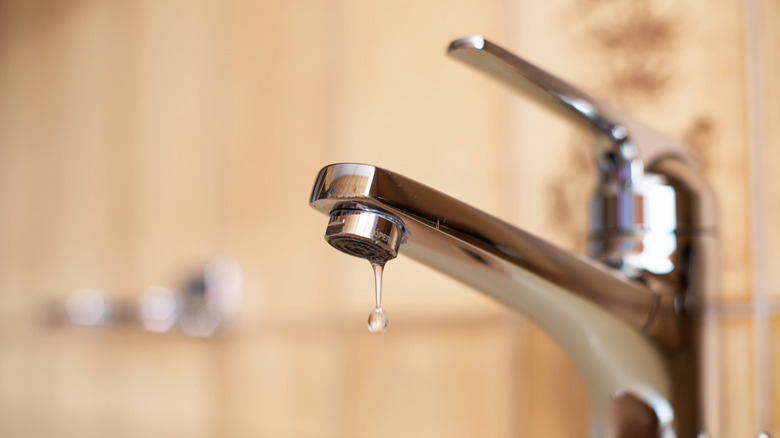
Note that it may take 30 minutes or more for your pipes to unfreeze. Once things start to thaw, even if water is coming out of your tap again, don't stop applying heat until the flow is back to normal. Even then, keep the faucet running for a few minutes after everything's moving normally again to ensure everything is fully thawed and cleared. Once water is flowing again, assess potential damage by checking for moisture and cracks around the pipes. If you suspect a pipe has burst, turn off the water at the main valve and call a plumber.
If you've warmed your pipes as best you can and conditions don't return to normal, you may need to thaw a section of pipe closer to the outdoors, or even right at your pump (this may involve cutting into your wall). However, if you thaw too far beyond the frozen area, you could increase the risk of a burst pipe. Frozen pipes can cause significant damage to your home, so if you're unable to get your water flowing or you're unsure of what to do, it's best to call a plumber.
Experts offer several tips to prevent your pipes from freezing. Keeping your home heated to 55°F or warmer at all times in winter helps prevent frozen pipes. It will also help to keep cabinet doors under sinks open so heat can reach those pipes more directly and keep them flowing as temperatures drop. On a night when temperatures will be below freezing, you can leave one faucet dripping to maintain a small but steady flow and help prevent freezing. You may also want to install insulation or a heat tape on pipes prone to freezing.