

Rustic Design Trends You Can't Ignore In 2026
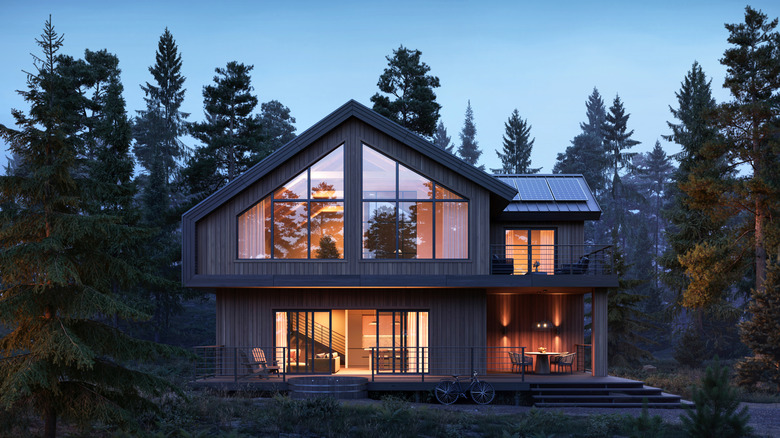
The modern rustic revival movement is proving to be a big 2026 design trend, signaling a desire for home design that feels warm, grounded, and organic. After years of sleek minimalism and ultra-polished finishes, this rustic revival is gaining in popularity for many of the reasons why castlecore or cottagecore vintage trends are dominating modern design — a craving for history, texture, and natural finishes. This modern iteration of rustic chic isn't all about heavy lodge aesthetics or themed decor either (though there is a fair share of that), but it's about striking a balance between the rawness of nature and the elegance of organic and thoughtful design.
At the heart of the trend are textural materials that tell a story. For example, animal-inspired textures and patterns, such as sculptural antlers and horn motifs or hair-on-hide accents, are being used as statement design details rather than novelty, kitschy pieces. Rich interpretations of aged wood are another example of how natural textures blend to create a lived-in, rustic space. When layered thoughtfully, these elements introduce a sense of heritage and craftsmanship into a space without feeling overly styled. As comfort, authenticity, and heritage sentiment continue to shape design languages, rustic chic trends offer a new interpretation of the historically inspired design palettes so popular today. It honors tradition while embracing modern sensibilities, creating interiors that feel timeless, inviting, and quietly luxurious — exactly what homeowners are craving as they look ahead.
Animal-inspired textures
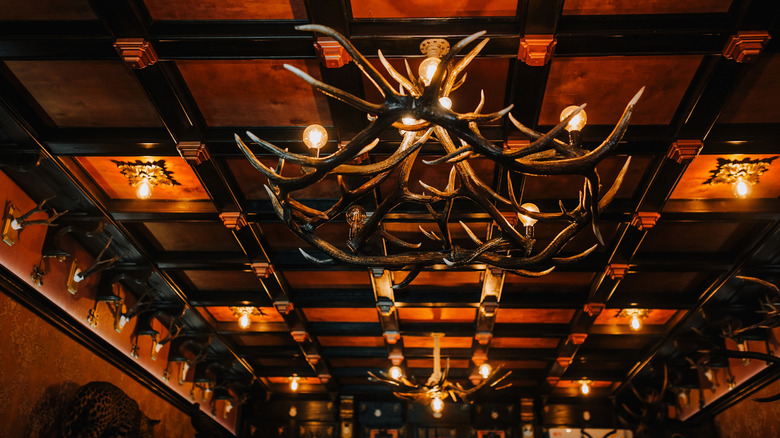
While relegated as a cheesy design novelty in themed lodges, today's furniture and pieces featuring animal-inspired textures like antlers and hides are having a stylish moment. These touches bring warmth and character into interiors through statement tactile elements and visual interest. To make these pieces feel more natural and grounded rather than kitschy, lean into rustic luxury with sculptural antler pieces, hair-on-hide rugs, upholstered pieces, or faux fur throw accents. Layer with less obvious pieces, like leather, rich woods, and gilded accents, to offset the cheese. That way, it feels intentionally curated, rather than like a theme park.
Stone
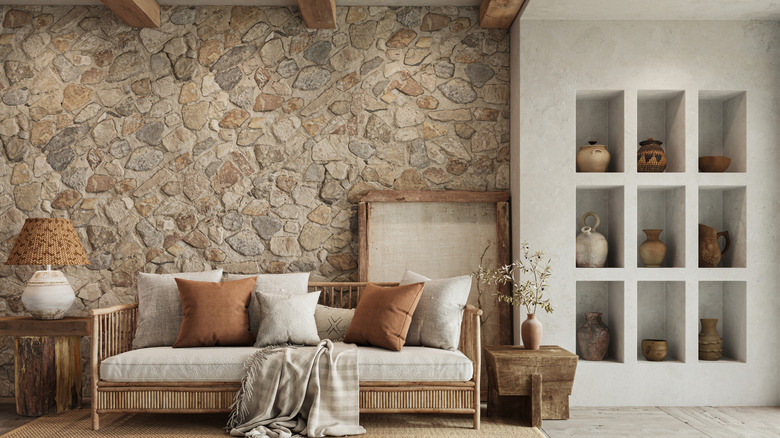
Stone has always been a mainstay in historic design, but in this rustic revival movement, it's particularly valued for its organic authenticity. From limestone side lamps to rough-hewn stone accent walls or fireplaces, stone instantly adds depth to a space. When paired with softer natural materials like leather, linen, or wood, it creates a natural balance that feels elegant and refined. Stone lends an air of rooted comfort, too, bringing down the stoicism of materials like concrete while dressing up those aforementioned natural materials. At the same time, those natural materials also warm up the stone.
Rich woods
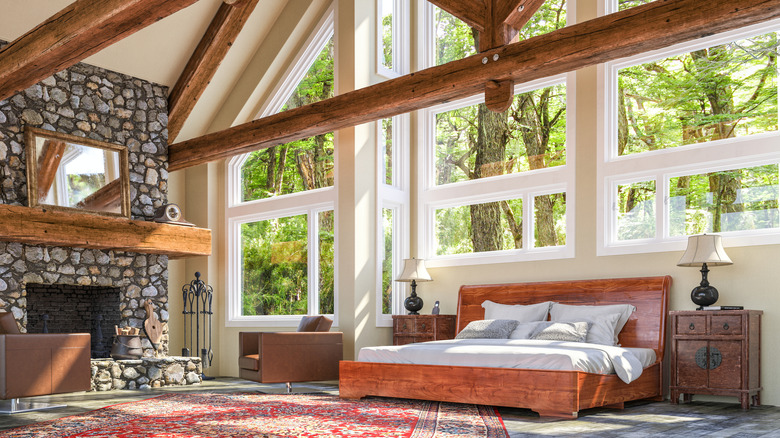
Rich woods are a defining feature of today's warm, rustic-inspired interiors, bringing depth, character, and a sense of storied heritage into the home. Some woods, like red-hued Douglas firs, bring a saturated, cabin-like feel to a space, while walnut and oak warm up your interiors and will age beautifully over time. Whether in statement-making furniture pieces, architectural details, or sculptural accents, wood adds visual weight and an appearance of craftsmanship that lighter or more synthetic finishes lack. This rustic trend may point to a decorating shift from all-white home decor to layered and richer pieces.
Tambour
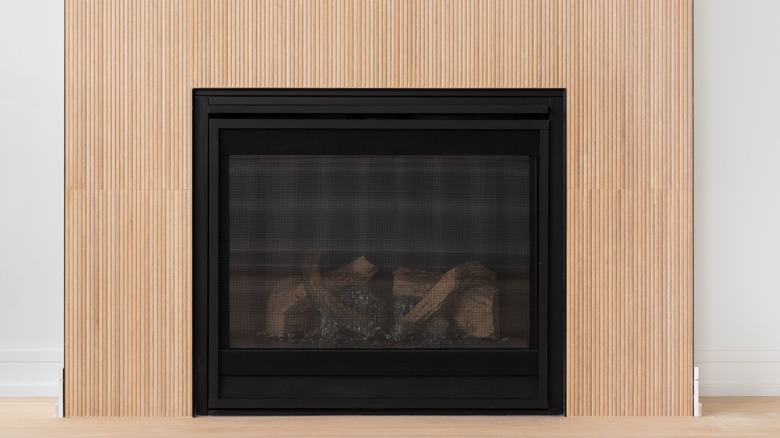
It's not just about the tone of the wood; it's also about the texture, and tambour surfaces mimic the look of a log cabin, but on a smaller scale. Characterized by narrow, rounded, and repeating slats, tambour adds visual movement to a space while maintaining a sense of warmth and simplicity, both hallmarks of rustic revival. This element is also a way for folks to dip their toe into rustic vibes without jumping feet first into antlers. A trend in its own right, tambour evokes a rustic feel when paired with other woods, stones, and earthy finishes.
Layered texture with textiles
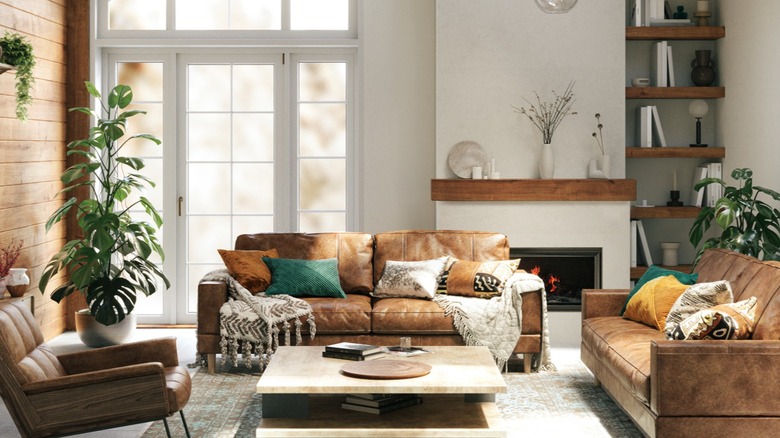
Layered textiles are essential for introducing softness into rustic interiors to offset the hardier materials of wood and stone. Fabrics like linen, leather, wool, and cotton add contrast, and since many natural fibers wrinkle and age nicely, it enhances their organic appeal. Lean into obvious textures and earthy, grounded colors to pair with your other rustic accents. Think throw blankets and pillows with fringes or crocheted pieces in sage greens, burnt terracottas, and tans, or faux fur rugs and runners for optimal layering. This trend is great for mimicking lodge-rustic vibes as well as farmhouse rustic ones, too!
Aged metal detail
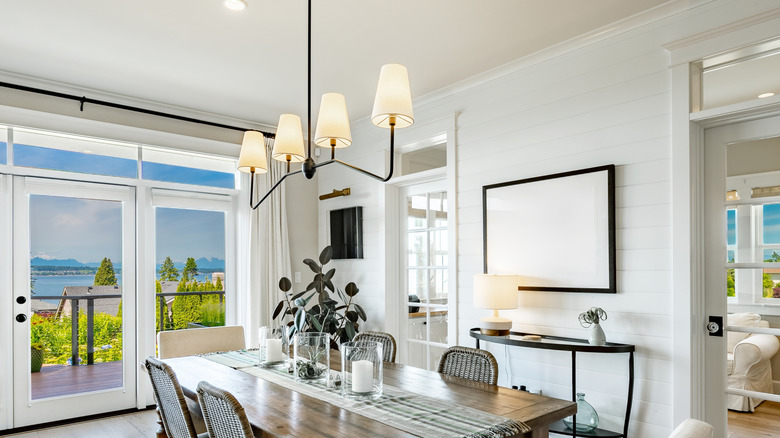
Antiqued metals carry a certain rustic allure, whether it's pieces with hammered surfaces that harken back to vintage blacksmithing or aged brass farmhouse rustic palettes. These metal pieces evoke a sense of historic charm, especially real antique pieces that exhibit oxidation or wear. While not the loudest addition to a rustic space, these metallic accents bring an organic variation to otherwise rigid and cold materials. For bigger focal pieces, try a rustic metal chandelier in the living area, or for a more subtle rustic touch, hang antiqued metal frames around the home to tie the rooms together.
Handcrafted pieces
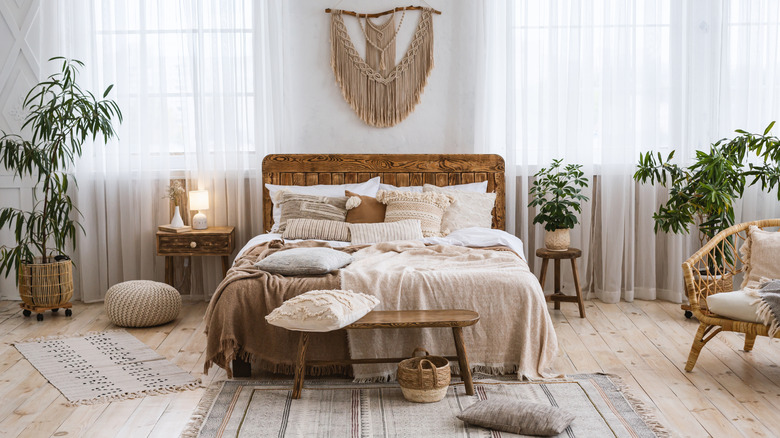
Handcrafted decor and furniture make for the perfect accents to rustic design because they introduce different shapes and purposeful irregularity into a room. Items like hand-thrown pottery, carved wood, and woven baskets introduce texture in a varied, slightly asymmetric, yet chic and authentic way. These pieces feel one-of-a-kind (many actually are), which makes a space feel personal and lived-in, yet intentional. A move away from mass-produced decor materials you'd find at a big box store, handmade decor mimics the same kind of organic uniqueness that's making rustic revival a trending design theme.
Organic shapes
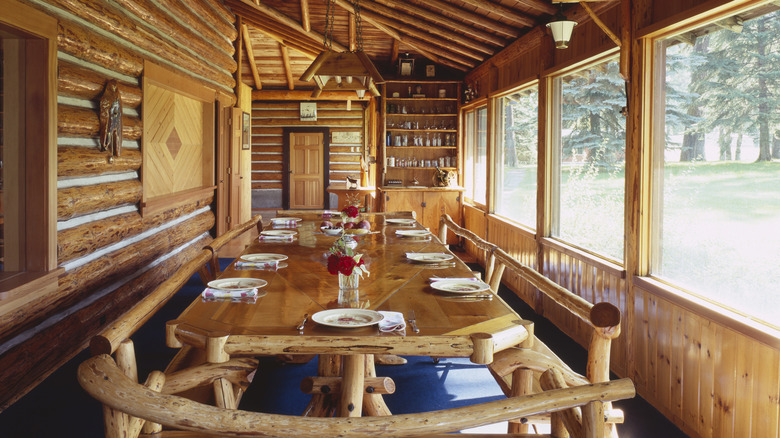
Rustic revival chic is all about visual flow, and elements like curved furniture, rounded edges, and irregular shapes all echo the same natural, organic shapes you'd see in nature throughout various landscapes. These flowing edges and shapes prevent a space from feeling overly modern or sterilely styled, rather leaning into the raw movement of wood, stone, and textiles. For wood, try finding furniture that embraces the natural shapes of logs, and for stone, opt for using rougher and raw-looking pieces rather than ones that are shaped into bricks or slabs.
Real antique pieces
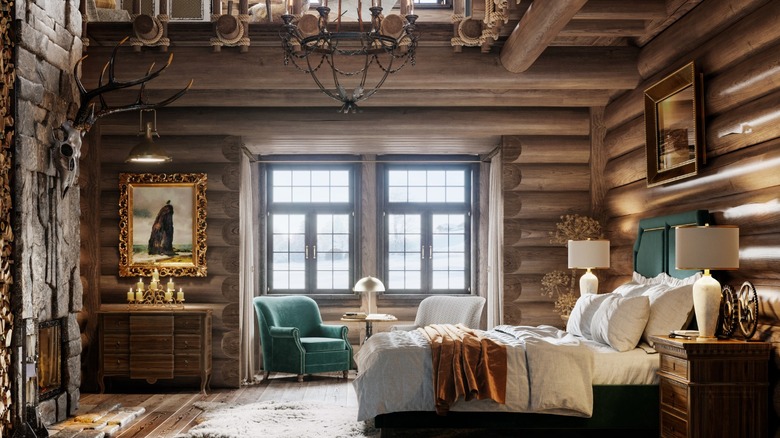
As we suggested with metal accents, genuine antique and vintage pieces bring an instant depth to rustic interiors through authentic history and wear. Real patina, chipped paint, and faded color all make your rustic design look and feel natural and real. When replicated, some of these elements can appear a bit too forced to feel rustic. The beauty lies in the pieces' true stories, embracing the richness of the past rather than merely trying to mimic nostalgia. These pieces reinforce rustic design's appreciation for longevity, simplicity, and craft.
Earthy color tones
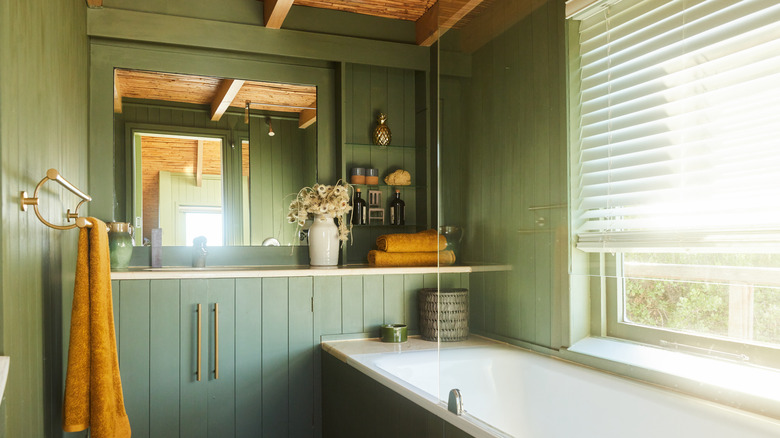
If it wasn't obvious by now, a hallmark of rustic design is leaning into natural earthiness, and the key to any rustic color palette is softer, earth-toned colors. Shades like clay, sand, moss, and warm grays are the perfect neutrals that let the materials we've highlighted take center stage. These colors ground the space, crafting the perfect rustic environment that feels warm, well-loved, and well-lived. For a more tonal look, embrace these softer colors, and if you feel like you need a more prominent accent, opt for something equally earthy but more saturated, like burnt orange or goldenrod.
Textured walls
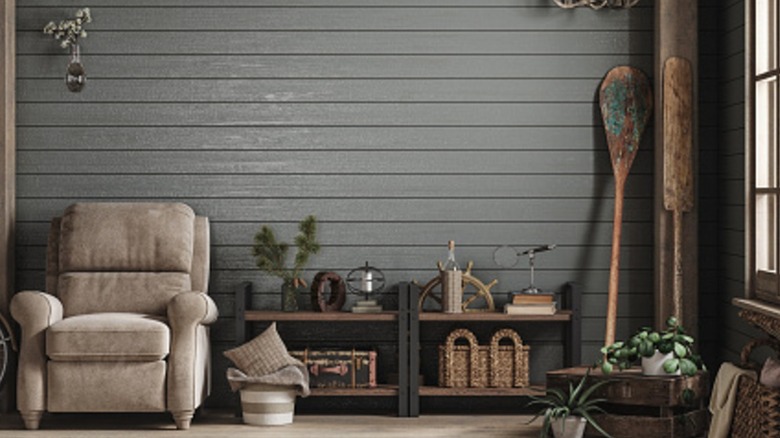
Texture is all the rage in rustic design for 2026, and textured walls are no exception. Whether you opt for wood paneling or walls with organic finishes like limewash, natural plaster, or even clay, these materials bring another element of earthiness that can counterbalance any furniture in the space that leans toward modern rather than entirely rustic. This allows you to blend styles without having to lean too far one way or another. Textured walls are becoming a unique design trend in and of themselves, and many folks will be embracing tactility and visual interest following an era of white walls.
Oversized windows
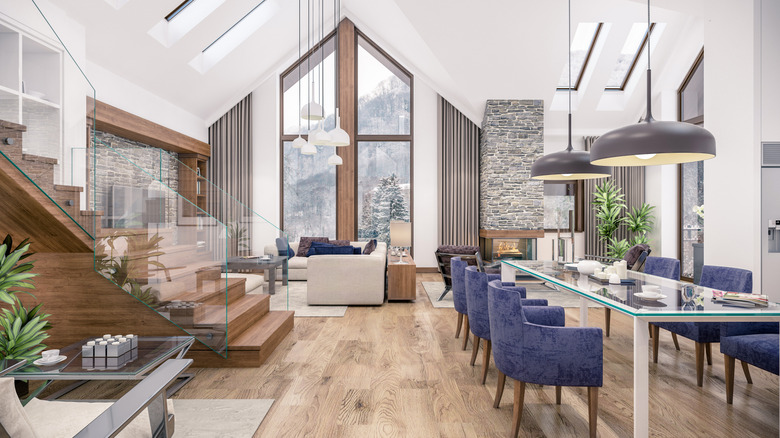
Oversized windows are a way to infuse a bit of a modern touch into rustic design, blending both styles to appeal to a wide range of people. On the practical side, oversized windows invite natural light into a space to brighten up and soften some of the moodier, more organic decor of rustic life. And from a design perspective, it brings an inside-outside kind of living to the space, bringing nature into the house. The placement of these windows creates an open atmosphere, turning a home into a nature-filled retreat where the outdoors is always a part of the design.
Statement greenery
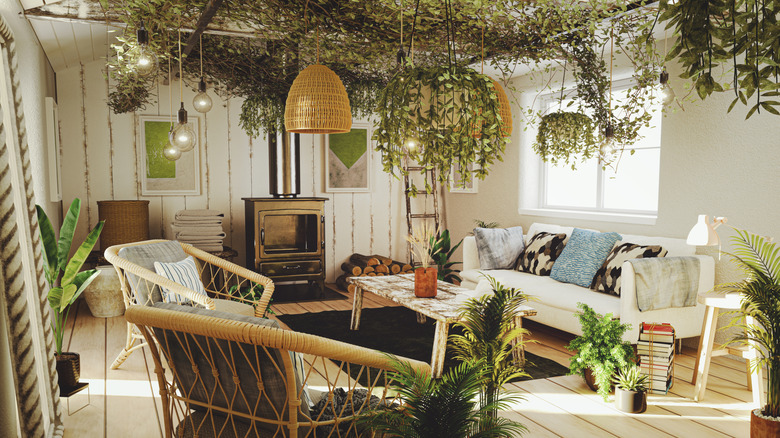
Speaking of bringing the outdoors inside, rustic decor (particularly that of farmhouses) loves a potted plant and statement greenery moment. Tall, sculptural plants like olive trees, monsteras, and even cacti can create visual interest that breathes life into stone, wood, and metals. Lean into the organic shapes of rustic decor by adding trailing greenery in spaces as well. Placed in handcrafted planters to double down on the rustic appeal, this sort of greenery feels grounded and yet whimsical. If you don't have a green thumb, don't worry — you can easily add dried foliage or faux pieces to achieve the aesthetic.
Lived-in bookcases
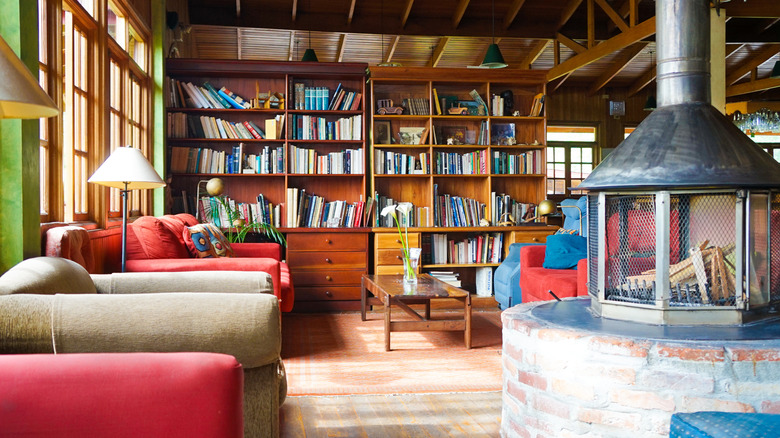
Rustic revival embraces the idea of comfortable, lived-in interiors, and nothing feels quite as cozy as a library wall or bookcases that show off your best-loved paperbacks as well as the shelving material's natural character. Interspersed with meaningful objects like antique bookends, handcrafted pottery, and vintage frames, these kinds of bookcases highlight authenticity and comfort over stuffy formal spaces. Think of it as your own perfect reading nook — bonus points if you have textured blankets and a fireplace nearby. To enhance the aesthetic, turn the books around so that the pages face outward for an organic feel.
Cabin-inspired, modern exteriors
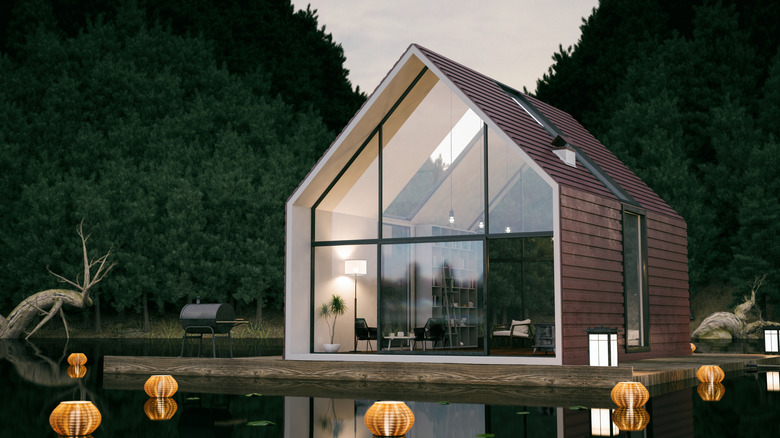
Mixing all of the elements together, the ultimate rustic design choice is a modern cabin exterior to create a retreat-like aesthetic for your home. This cabincore style blends natural, earthy materials like wood siding and stone accents with hallmarks of rustic design like oversized windows that connect the indoors to the surrounding environment. With some interpretations featuring clean lines, dark color palettes, and A-frames, this rustic revival design moves beyond traditional structures to operate in a modern world. Homeowners are embracing this look for its sense of coziness and a connection to nature, transforming their houses into peaceful havens.