

How To Create The Hummingbird Garden Of Your Dreams
We may receive a commission on purchases made from links.
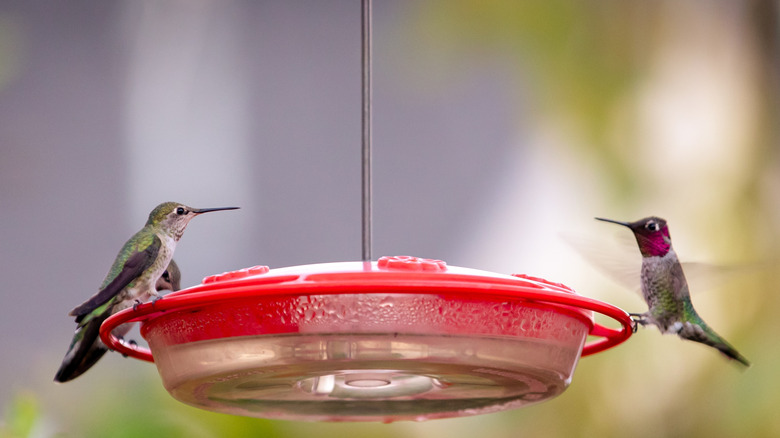
Some people see hummingbirds as a sign of joy, resilience, or healing. Others simply see them as amazing little birds with unique features and abilities that are interesting to watch. No matter why you want to attract them to your backyard, creating a hummingbird garden is a great way to do it, even if you're a novice gardener or don't have a ton of outdoor space to work with.
Done correctly, a hummingbird garden should be a total win-win for you and the hummingbirds that move through your area. They'll get plentiful food sources, clean water, and shelter for nesting, plus help pollinate your plants and keep your whole little backyard ecosystem thriving. You'll get to observe countless hummingbirds, potentially from more than one species (and even for weeks at a time, if nesting mama birds visit). Wandering out in the morning to watch them flittering through the sunlight and sipping from the flowers you've planted is a wonderful way to start the day.
Learn what types of hummingbirds like to visit your area, and when

Research is key when you're starting a hummingbird garden from scratch. There are two important things you need to know. First, what kind of hummingbirds are most likely to visit your area? And second, when can you expect them to pass through? Knowing which birds will visit you helps you figure out which plants you should choose, and how you should time the planting of your garden. Keep an eye on birds' arrival and departure times, research the birds that are native to your area, and use tools like eBird to learn about local sightings.
There are hundreds of species of hummingbirds worldwide. About 15 species spend at least some of the year in the U.S., each with their own unique migration patterns. Resources including Cornell Lab of Ornithology's All About Birds and Hummingbird Central's migration maps can tell you what to expect to see in your area, and when. For example, in the Pacific Northwest, you can expect to see tiny Calliope hummingbirds in the spring, and Anna's hummingbirds year-round. In the Eastern U.S., Ruby-throated hummingbirds are most prevalent from spring through fall.
Survey your yard space to formulate a good working plan
Grab your shoes! You can't plan a perfect hummingbird garden without walking the space. That's true whether you plan to transform your entire backyard, or have a small patch of space to work with. Sunlight exposure will affect what kind of plants will thrive in your garden. Existing plants might also shape your plans. (For example, you might want to center a small hummingbird garden near a large tree or shrubs that will give the birds plenty of places to perch).
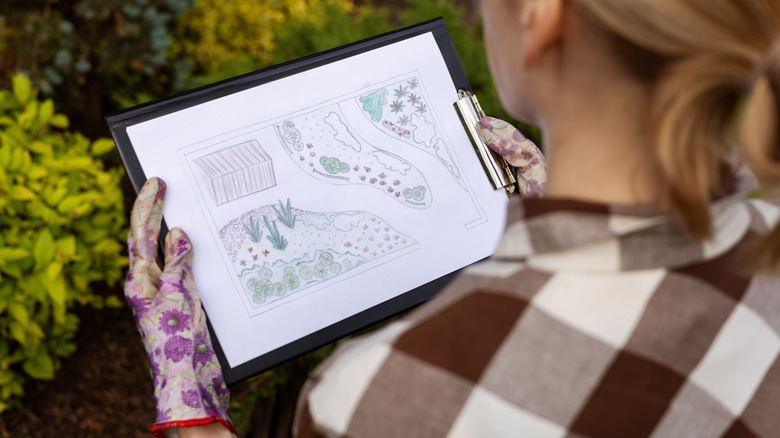
Once you're pretty clear about where you're going to create your garden, sketch out a basic landscaping plan using colored pencils. Measure the space so you know how much room you have to work with. If the garden is large enough to accommodate a walking path, think about its placement. You'll be able to fill in the map with specific plants as you select them.
Identify the plants and flowers you're going to plant
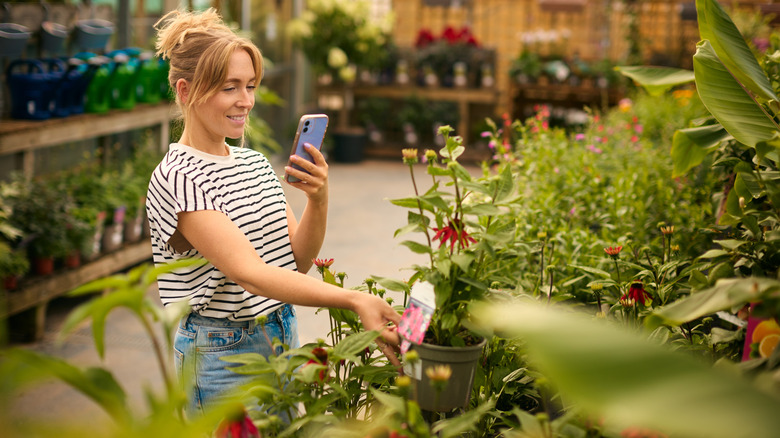
Plant selection plays a huge role in how successful your garden will be. Hummingbirds have demanding appetites and get dangerously exhausted quickly. They'll be highly motivated to hang out in your garden if there are plentiful, reliable sources of nectar there. They prefer to get nectar from tubular or bell-shaped flowers, especially in red, orange, pink, or yellow. It also matters that the plants you bring in are primarily native. Native plants attract birds, require less water than non-native plants, and have other benefits for the ecosystem.
If you're a fairly novice gardener, don't be intimidated by the idea of choosing "the best" plants to attract hummingbirds. There are lots of good options and you can tap into some useful resources to help you narrow down your choices. The National Audubon Society's Native Plants Database and the National Wildlife Federation's Native Plant Finder both let you search by zip code.
Evaluate the nesting and/or perching appeal of your yard
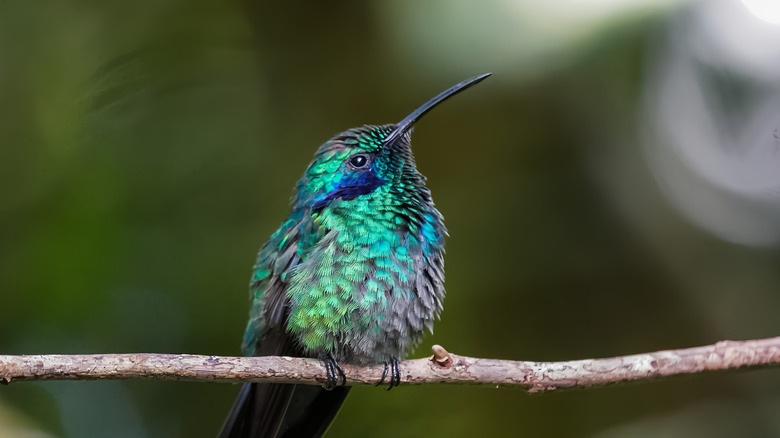
If you already have established shrubs and trees in the area of your planned garden, great. Hummingbirds love to rest on branches and twigs so they'll feel right at home in your yard. Mama birds will also happily build their tiny nests on horizontal tree limbs that are close to a source of food. But if your yard doesn't have many plants suitable for perching? Think about ways to add them.
Planting flowering shrubs is one fairly quick way to create spaces for birds to perch and nest. Planting one or more new trees could be worth the effort if you're looking ahead to future years. In the short term, however, there are some things you can do to create welcoming spots for hummingbirds to sit and rest. Try a hack that's popular among hummingbird fans: zip ties. Attach thick zip ties to feeder stands, fence posts, plant stakes, or other structures. When the ties jut out horizontally, they're sturdy enough for hummingbirds to sit on!
Gather the appropriate feeders
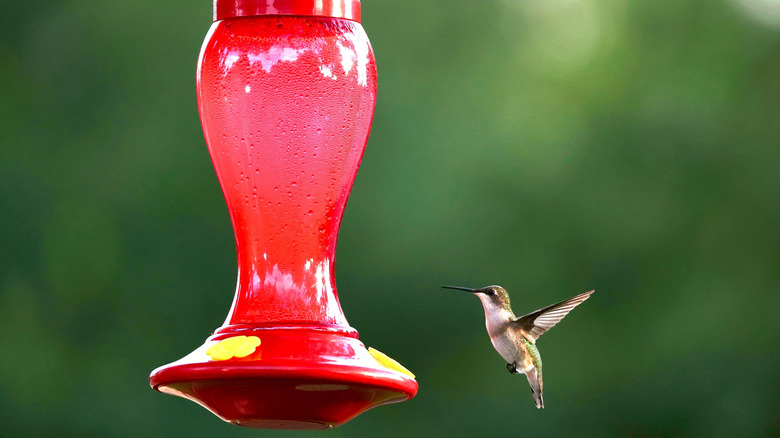
Hummingbirds like to eat every 10 to 15 minutes, per the Audubon Society. Keeping your garden stocked with nectar-filled feeders is the best way to attract them and keep them coming back. Typically manufacturers use the color red on some part of feeder to help attract birds to it. Any basic model should work just fine, so choosing the best hummingbird feeder for your garden really comes down to your budget and personal preference.
As you consider your feeder options, think about how easy each one will be to clean. It's something you'll have to do a lot — up to every other day in warm weather (more on this later) — so this matters. Choose feeders that come apart easily and don't have nooks and crannies.
Set up feeders strategically
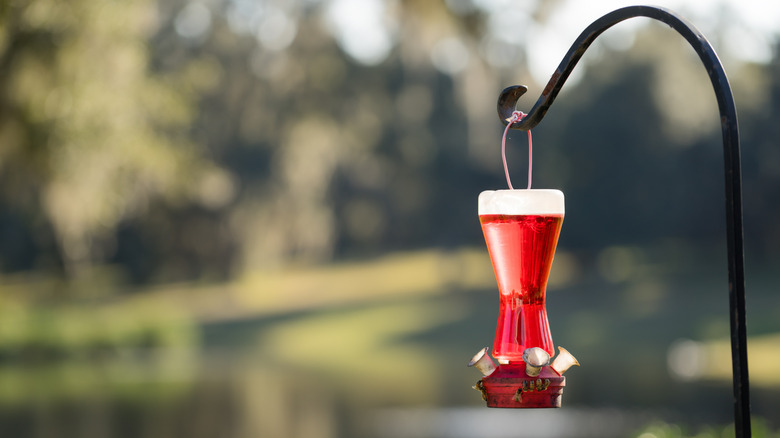
There are several criteria to consider when you're setting up hummingbird feeders: First, proximity to each other. If you have limited space, one feeder is sufficient. In a larger space (greater than 10 square feet), hang two or more feeders — as long as you can set them up at least 10 feet apart. The goal is to ensure that a bird visiting one feeder can't see a bird visiting one of your other feeders. The best height for a hummingbird feeder is about 6 feet off the ground.
Next, consider the proximity of the feeders to your home and other structures. Ideally, you'll be able to set up at least one feeder in a spot where you'll be able to observe your visiting birds. But be mindful of windows, glass doors, and other reflective surfaces. Window collisions are a common cause of death for birds, so you should place decorative decals on your feeder-adjacent windows to prevent accidents.
Install plants strategically
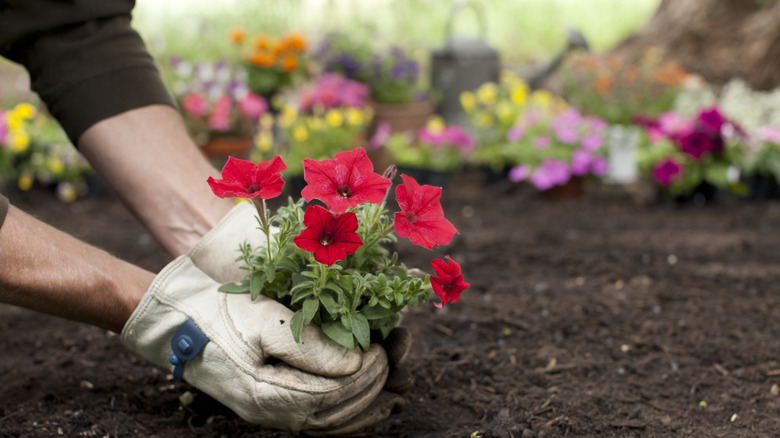
When should you start planting in the spring? It depends. Wait until the last frost date for your area has passed. (The Farmer's Almanac lets you search by zip code for your area's frost dates.) Choose tubular native perennials for the greatest longevity and payoff for both you and the hummingbirds. Some great options include Bee balm (Monarda) and Columbine (Aquilegia), both of which do best when planted around mid-summer.
As you start putting plants into the ground, make sure to think about the blooming schedule and the size and shape of each plant. You probably don't want to group together several plants that don't bloom until late summer, for example. Your garden will look lopsided in spring, and there will be less to offer your avian visitors. There are plenty of expert tips for laying out your garden that you can consult when you're ready to put plants in the ground.
Consider adding hanging plants
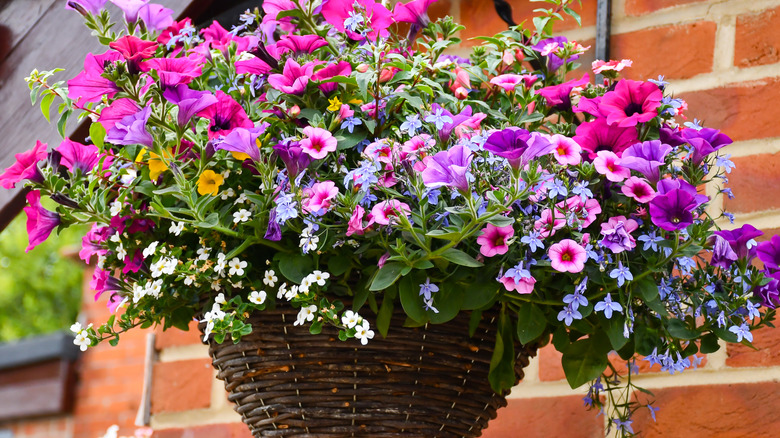
Hanging plants are a great addition to any hummingbird garden, for a few reasons. They help you make use of vertical space to pack your garden with as many food sources as possible. Aesthetically, using hanging plants is a simple way to bring more color, texture, and fullness to the space. Plus, hanging plants are usually the perfect height to attract hummers.
Using plants with varied blooming dates is especially important in cold climates. Let's say you live in a place where migrating ruby-throated hummingbirds typically start appearing by mid-April. What if a prolonged late freeze that spring kills the perennials that had started to bloom in your garden? Or the perennials that you planted the year before just didn't come back this year? Bringing in established hanging plants from a local nursery's greenhouse can help you keep migrating birds fed until the rest of your garden comes to life.
Add a hummingbird-friendly water source
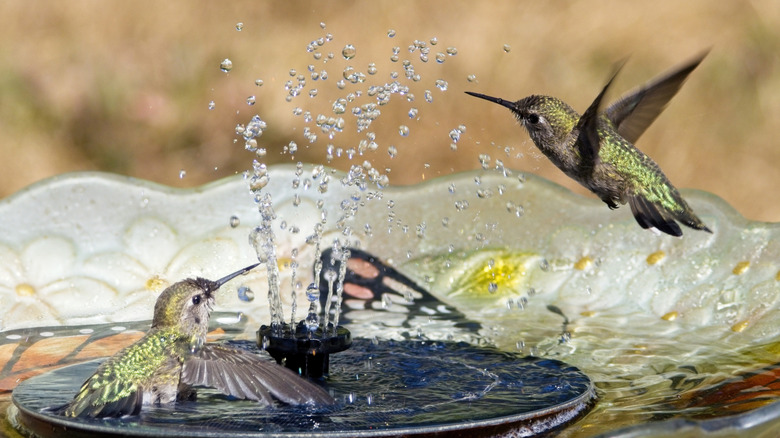
Hummingbirds get a lot of the water that they need from nectar, but they're still known to love a water feature. They're often spotted bathing and flitting in and out of moving water, like the spray from a sprinkler. Adding some type of water source to your hummingbird garden helps attract them to your yard. And, it gives you a go-to place to look when you want to spot some birds up close.
Hummingbirds shouldn't be too picky about what type of water feature you provide them. You have plenty of efficient and stylish options for backyard water features including misting devices, small hanging fountains, and special pumps that can sit inside an existing bird bath. They're pretty affordable, too; a solar-powered water pump can be yours for about $20.
Create a routine to keep feeders full and clean
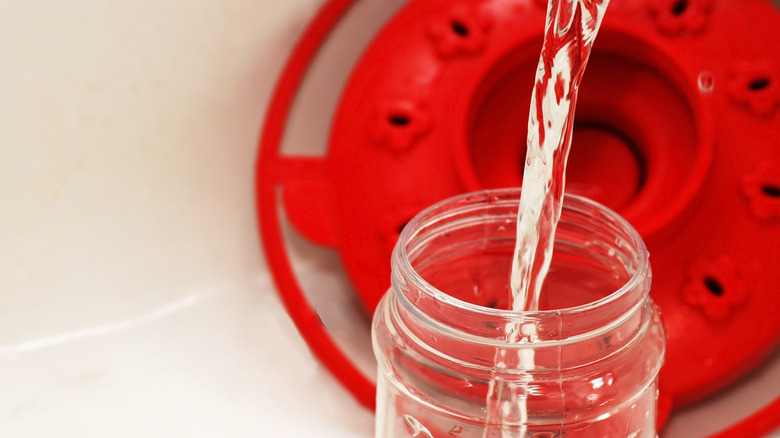
It's easy to keep hummingbirds fed. As long as you keep sugar on hand, you'll always have the supplies you need to keep them in fresh nectar. Making it is pretty simple, too. The standard solution is one part sugar to four parts water. (For example, ¼ cup of sugar and 1 cup of water.) The Audubon Society recommends using boiling water, then letting the solution cool before adding it to the feeder.
The biggest challenge with maintaining hummingbird feeders tends to be the consistency of care. Neglecting your feeders could make birds and other animals sick. Sugar water ferments and turns into ethanol (aka alcohol), which may be detrimental to birds. Mold can also grow in a neglected bird feeder and damage hummingbirds' fragile tongues or cause digestive tract diseases.
Ultimately, the best way to protect all the local birds is to be disciplined about emptying, cleaning, and refilling all feeders. Do this at least every other day during hot weather, every three days in pleasant weather, and twice a week in colder weather. Find a way to ensure you remember to stick to a routine, like by setting reminders in your calendar app or on a handy calendar.
Make your yard as safe as possible for hummingbirds
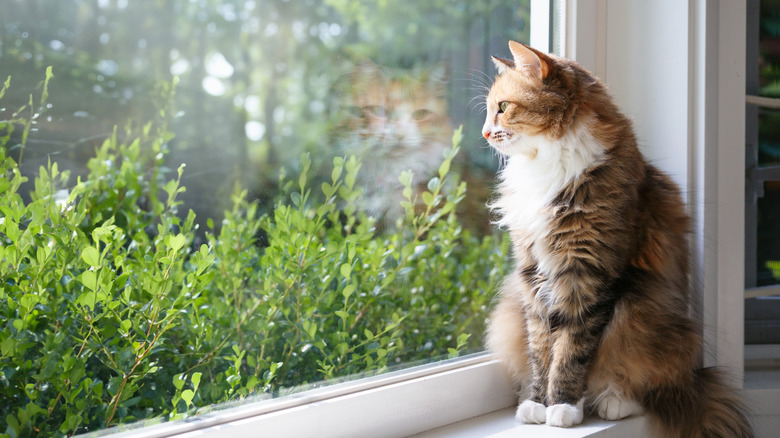
Hummingbirds have a number of predators. Frogs may jump out of ponds or climb feeders to eat hummingbirds. Even large spiders, praying mantises, and snakes have been observed attacking them. Hanging feeders from smooth poles can make it more difficult for predators to climb. And, there is another major hummingbird predator you can definitely do something about: cats.
Whether it's your pet or a feral stray, cats naturally love to hunt and attack small birds. So, what can you do to protect the hummers in your area? There are a few humane strategies to try. If you can, keep your own pet cats indoors. If not, install motion-activated sprinklers near the garden. Finally, think about incorporating scents that cats don't like into your garden, like citrus and eucalyptus.
Attract insects and spiders to the garden

If you want to see hummingbirds in your garden, you're also going to want to see plenty of bugs around. Insects are a vital part of hummingbirds' diet. One bird can eat up to 2,000 insects per day. This is their source of protein, so insects are particularly important to hummingbirds that are feeding babies and/or preparing to migrate. They'll eat a wide range of insects, including fruit flies, beetles, aphids, and ants, as well as certain spiders.
A few strategies can help you encourage robust insect activity in and around your hummingbird garden. Again, careful plant selection is key. Your yard should include a range of native plants and flowers that are insect-pollinated. They'll be a food source for native insects, attracting them to your yard. Adding certain flowering herbs or veggies to your yard could also attract beneficial insects. Good options include plants in the carrot (Apiaceae) family, such as caraway (Carum carvi) or dill (Anethum graveolens).
Use alternatives to insecticides
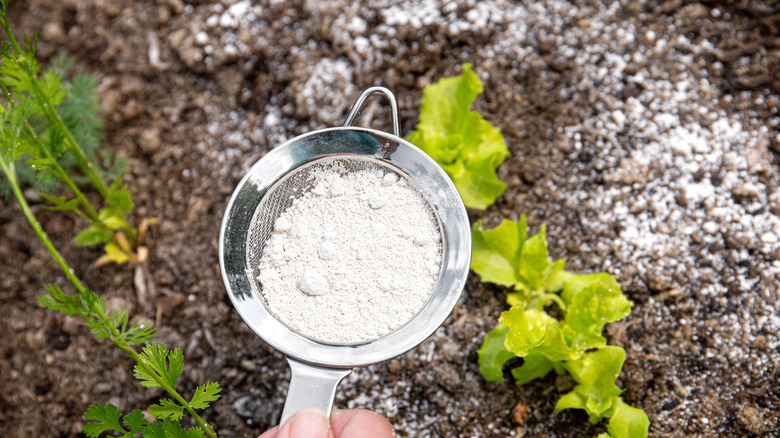
Knowing that hummingbirds need to eat insects for survival, it's obvious why most bird experts would probably urge you not to use pesticides near your garden. This safety measure is about more than protecting the birds' food source, though. It's also about protecting the birds themselves. Certain pesticides can sicken or kill hummingbirds and other pollinators, either through direct contact with the chemicals or through contaminated water.
To protect the birds and their food, take a reactive rather than proactive approach to insect management. In other words, don't do anything to discourage insects, until you notice they've done significant damage to your plants. What constitutes significant damage? Per the Brooklyn Botanic Garden: "A rule of thumb is that a plant, once established, can survive the loss of one-third of its leaves through pruning or herbivory [being eaten by animals]." If you do notice significant insect damage, use low-impact pesticides when necessary. Keep products like diatomaceous earth on the ground and away from bird perches. Always avoid any products containing neonicotinoids, which are toxic for pollinators.
Create a nesting spot
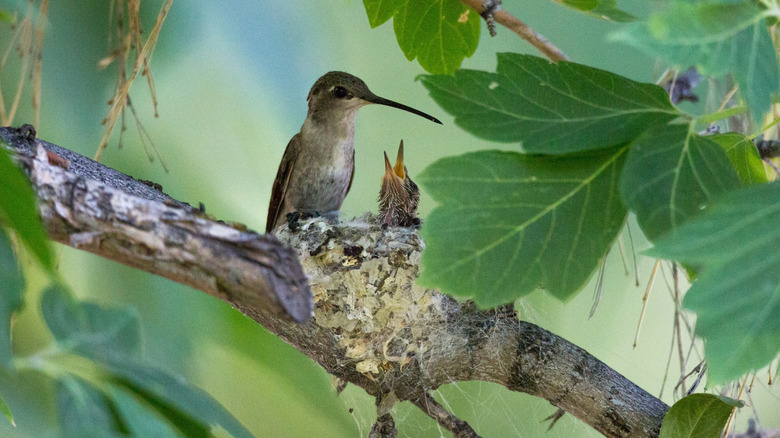
Female hummingbirds typically spend about two weeks incubating their eggs and another three weeks nesting and nurturing the babies. During that time, the bird will build its own tiny nest, typically somewhere on a horizontal branch inside a tree. Having a bird nesting in your garden pretty much guarantees you'll spot her regularly. They're pretty self-sufficient and don't need you to provide materials. But there are some things you can stop doing that will make your garden more appealing to birds looking for a safe, resource-rich place to call home.
Think about hummingbirds before pruning trees and shrubs on your property. There should be plenty of roughly horizontal branches and sticks left. Don't disturb spider webs, clean up moss, or destroy dandelions. Those are just some of the natural materials that hummingbirds pull nest material from. As long as you already provide clean water and plenty of food sources, you'll make a great host.
Add garden decor that maximizes your outdoor time

You're probably going to spend a lot of time out there, taking photos of the birds you see and enjoying your garden. Add decor elements that suit your personal aesthetic and are also on theme. You could tie in the bird theme directly by choosing decorations like hummingbird garden stakes to press into flower beds. Or, hang a set of hummingbird wind chimes or a garden flag with a hummingbird print.
Alternately, think about garden decor that helps maximize your use of the space. That might mean adding a pair of really comfortable outdoor chairs and a side table in a spot that gives you a good view of the garden, from a safe distance. One especially bird-friendly option? Add a pergola to your seating area and start growing climbing plants with tubular flowers around its base. Once the vines grow up and over the top, you'll have a camouflaged and shady spot to sit and watch the birds that flock to the pergola.
Adjust the garden layout depending on what you observe

Consider yourself a scientist who's studying your own garden. As the plants grow and the season progresses, keep track of what you see. This information will help you perfect your garden in future years. In the shorter term, you might notice things that aren't working well so you can experiment with making adjustments.
Don't rely on your memory to help you remember which flowers were planted on which day, or what plants seem to attract the most birds. Keep a physical notebook or use some other method of tracking your garden data. After you've enjoyed a little time sitting and observing the birds, jot down notes with that day's date. For example: "5 birds spotted at Feeder A, 2 birds at Feeder B." or "Birds spotted at honeysuckle and firecracker plants." Over time, you might notice things like one of your feeders gets much less traffic than the other, and try repositioning it.
Plan ahead for next year
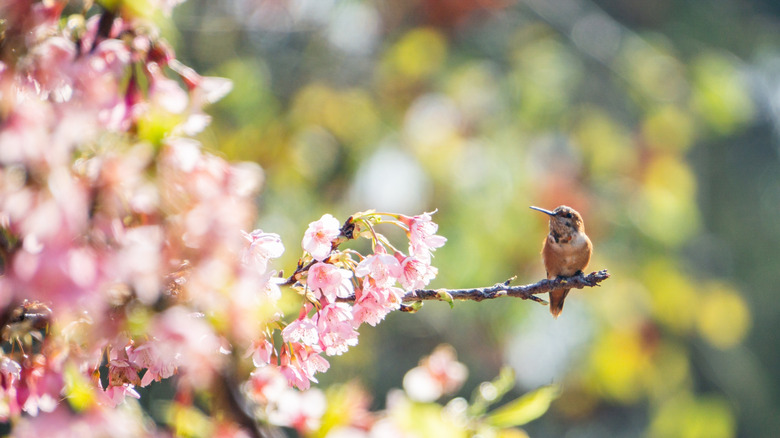
One of the most rewarding parts of starting a hummingbird garden is seeing it get better and better every year. You've already laid a lot of the groundwork and figured some things out through trial and error. If your garden goes dormant during the winter, bringing it back to life in spring shouldn't be intimidating. You can rely on past experience to help you choose plants, place feeders, set up water features, and so on. And until the spring arrives, you can plan.
There are several things Current You can do to help Future You make your next hummingbird garden a success (with minimal stress). Start a list of seeds and other garden supplies you want, then keep an eye out for good sales. Sketch out maps of possible garden layouts. Watch social media videos, and scroll through gardening sites to get inspiration for plants and design ideas. Hold onto any notes you took about bird sightings and plant growth in your garden. Write out some ideas for things you'd like to improve or try in the garden. Finally, if you don't live somewhere with year-round hummingbirds, make a note of when birds typically arrive in your area. The first time you spot one of these magical little birds in your own backyard will feel like an official first sign of spring!