

Say Goodbye To Traditional, Builder-Grade Bathrooms — These 12 Unique Features Are In
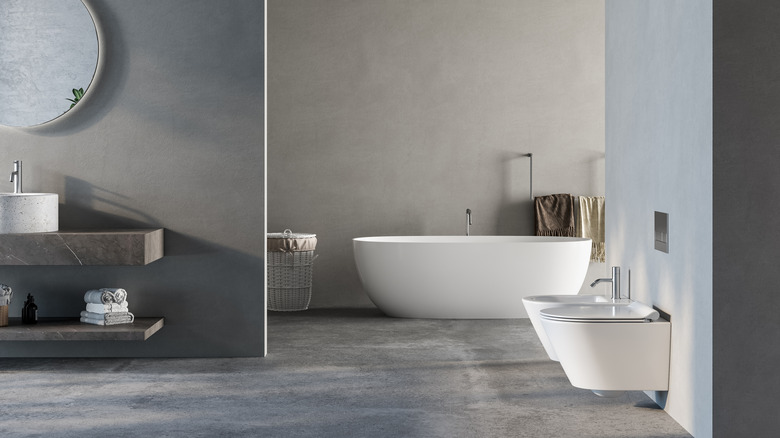
As we enter 2026, bathrooms are no longer treated as purely functional spaces tucked away from the rest of the home. In recent years, they've become places where comfort and personalization intersect, reflecting broader shifts in how we think about our daily routines. Today, the bathroom is designed as a destination — a place to unwind and spend quality time with yourself. As lifestyles become busier and as homes serve more roles than ever before, bathrooms are being reimagined to support both physical and mental well-being.
This evolution is also being shaped by advances in technology and design, which allow bathrooms to feel more responsive to one's individual needs. From smarter lighting to improved materials and layouts, modern bathroom design is moving away from one-size-fits-all solutions that we're used to. Instead, the focus is on creating spaces that feel tailored, calming, and capable of aging well alongside the rest of the home. These bathroom upgrades aren't just meant to make your home more appealing; they reflect changing expectations around long-term livability.
Spa-inspired bathrooms are the new standard
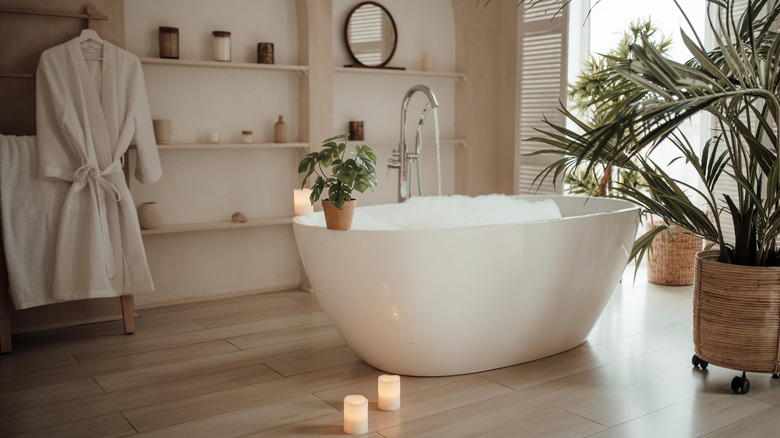
Spa weekends were once seen as a luxury retreat. Now that wellness is seen as a part of everyday life, more and more individuals want to bring the spa home — specifically, into their bathrooms. This growing desire means that homeowners are increasingly drawn to designs that slow things down, turning routine activities like bathing or showering into restorative experiences. Elements such as soaking tubs, walk-in steam showers, warm stone surfaces, and natural textures help create an atmosphere that feels relaxing without being overly indulgent. These spa-inspired features borrow cues from wellness retreats but are adapted for real-life use at home.
What makes this trend stick is its emphasis on individual comfort; it is no longer about spectacle. Elements like soft finishes, calming color palettes, and thoughtful layouts encourage a sense of calm instead of rushing you through the space. Even smaller bathrooms are being designed with spa principles in mind, using lighting, materials, and layout to create a sense of escape. Rather than feeling like a trend that will date quickly, spa-inspired design taps into something more enduring: the desire for spaces that support well-being. As stress reduction becomes a priority in home design, bathrooms that feel restorative are no longer considered extras. Instead, they're becoming the expectation.
Smart mirrors for personalized wellness
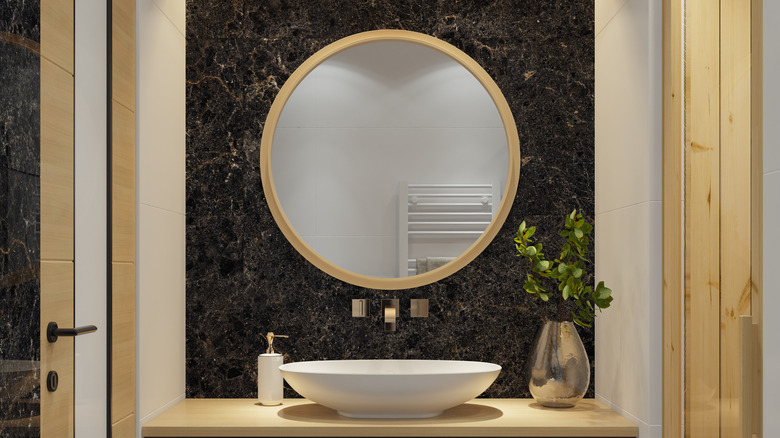
You might ask yourself if a smart mirror in your bathroom is worth the cost, and after digging a little deeper, you might like what you find. Instead of simply reflecting the room, these mirrors often feature built-in LED lighting that allows users to adjust brightness and color temperature depending on the time of day or task at hand. This makes everyday tasks like applying makeup or doing your skincare routines easier. Many models also include built-in defogging technology, ensuring the mirror remains usable even after steamy showers. For many homeowners, these features add a layer of personalization and control that makes the bathroom feel more comfortable to use.
What sets smart mirrors apart is how quietly they integrate into the space. Rather than introducing bulky gadgets or visible screens, they're designed to blend seamlessly into the bathroom, enhancing functionality without disrupting its calm atmosphere. The LED lighting used in smart mirrors is also more energy-efficient, making it a more sustainable choice than traditional bulbs. As bathrooms continue to evolve into a space that is more personalized, smart mirrors continue to support this shift by responding to individual preferences instead of imposing fixed settings. While the technology will continue to evolve, the appeal of a bathroom that feels adaptable and thoughtfully designed is likely to endure.
Touchless fixtures for a cleaner experience
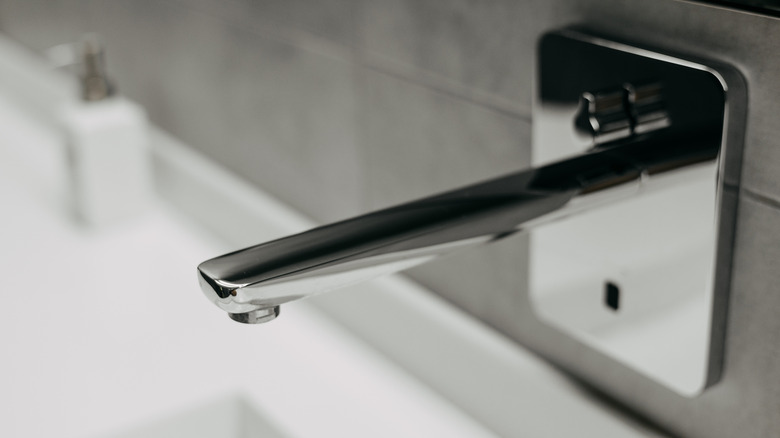
Touchless fixtures are becoming increasingly common now as homeowners place greater emphasis on hygiene and ease of maintenance. Faucets and soap dispensers that operate hands-free actually reduce contact with frequently touched surfaces, helping limit the spread of germs and making bathrooms feel cleaner and more comfortable to use. While this technology was once associated mainly with public restrooms, residential designs have evolved significantly. Today's touchless fixtures are intentionally integrated so they blend seamlessly into modern bathrooms without disrupting that calm, minimalist aesthetic.
Beyond cleanliness, these features offer practical benefits that quickly become apparent in everyday use. Smart faucets equipped with motion sensors regulate water flow automatically, preventing waste and improving efficiency, especially in very busy households. Because the water runs only when needed, touchless systems can significantly reduce consumption over time, leading to lower utility bills. Many models also offer safety by allowing for preset temperatures, which adds a layer of safety by minimizing the risk of accidental burns — something important to consider if you have children. Maintenance is simpler as well, with fewer handles to clean or replace. As smart technology becomes a defining element of modern bathroom design, touchless fixtures feel less like luxury upgrades and more like thoughtful, long-term solutions.
Chromotherapy and hydrotherapy take center stage
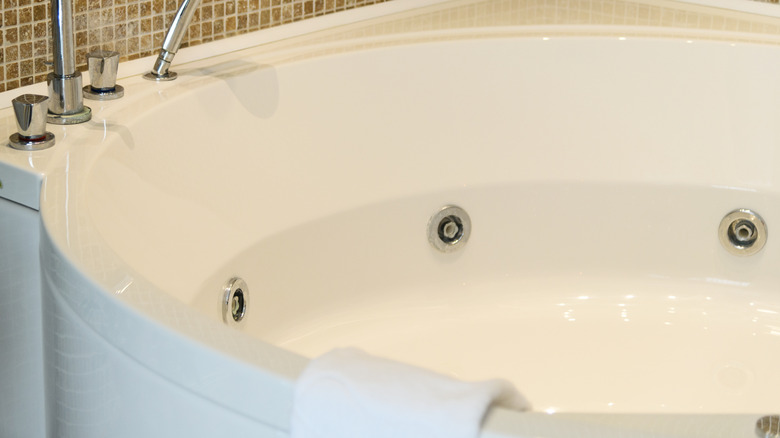
Lighting and water are no longer treated as purely functional components of bathroom design. Instead, they're being used intentionally to support both physical comfort and emotional well-being. Chromotherapy, which uses colored light to influence mood, is increasingly integrated into showers and tubs, allowing users to adjust the atmosphere based on how they want the space to feel. For example, softer, cooler hues can promote calm and relaxation, while brighter tones can feel more energizing, subtly shaping the experience of the room. This approach transforms what was once a purely utilitarian routine into something more restorative and personal. Hydrotherapy follows a similar philosophy, using water pressure and movement to support the body rather than simply rinsing it. Features like targeted jets, rainfall-style showerheads, and adjustable water flow are designed to ease muscle tension and encourage circulation, while also supporting flexibility, joint mobility, and overall physical recovery after a long day.
What makes these additions feel enduring rather than trend-driven is how seamlessly they integrate into everyday use. They don't require extra steps or special rituals; they simply enhance the experience that's already happening. Over time, these features become part of the rhythm of daily life rather than a novelty. Ultimately, chromotherapy and hydrotherapy reflect a broader shift toward design that prioritizes how spaces make people feel. Instead of focusing solely on visual impact, modern bathroom design is embracing sensory comfort, creating environments that support relaxation and recovery in a way that feels long-lasting.
Statement stone and natural materials
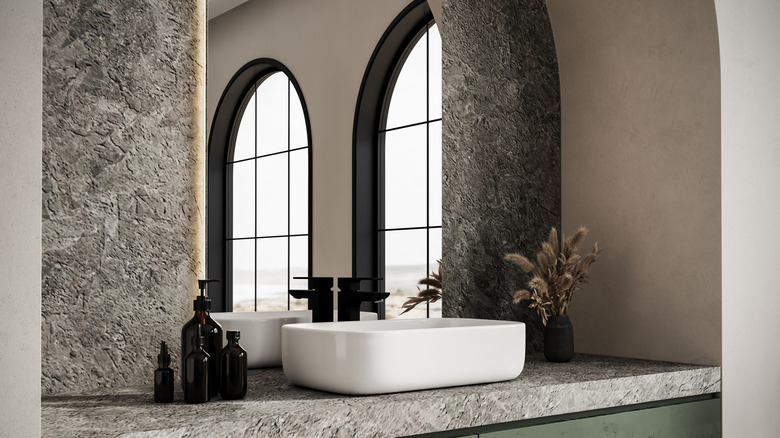
Natural materials and earth tones are becoming central to bathroom design as homeowners move away from overly polished, synthetic finishes. After all, stone surfaces like marble, travertine, limestone, and textured granite bring depth and variation that manufactured tile often cannot replicate. Each slab carries its own imperfections and tonal shifts, which give bathrooms a sense of individuality and warmth. Instead of relying on decorative patterns or bold colors to make an impact, these materials allow the space to feel elevated through texture and substance alone. The result? A warm, inviting bathroom that feels visually rich without appearing overly styled.
Beyond aesthetics, natural materials appeal because of their durability and ability to retain heat, which helps bathrooms feel warmer and more comfortable. When properly sealed and maintained, stone ages in a way that feels intentional rather than worn out, developing subtle changes that add character over time. This makes it an appealing choice for homeowners who want a bathroom that won't feel dated after a few years or be tied to a specific trend cycle. Natural stone also pairs easily with a range of styles, allowing the space to evolve through lighting, fixtures, or accessories without requiring major renovations. The shift toward natural materials reflects a broader preference for authenticity and permanence in interiors. Instead of chasing finishes that peak quickly on social media, homeowners are investing in surfaces that feel enduring and adaptable. By grounding bathrooms in materials with inherent character and durability, designers are creating spaces that remain quietly luxurious well into the future.
Wet rooms replace traditional shower layouts
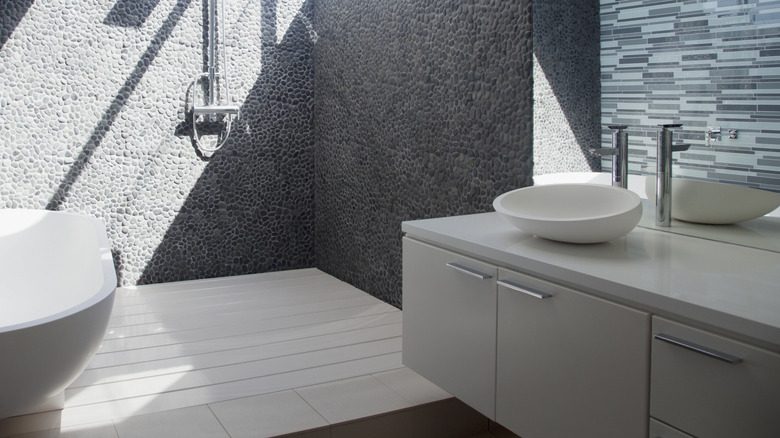
Wet rooms are reshaping how bathrooms are planned by removing the visual and physical barriers that once defined bathing areas —
here's why you should consider adding one to your bathroom
. Instead of enclosed showers or raised curbs, wet rooms allow water-friendly zones to flow seamlessly into the rest of the space. This open approach makes bathrooms feel larger and more cohesive, especially in homes where square footage is limited. By eliminating bulky enclosures and visual interruptions, wet rooms create a cleaner sightline that enhances the overall sense of space. With proper design, they are not only visually appealing but also highly functional for everyday use.
What makes wet rooms particularly appealing is their long-term practicality. With fewer seams, doors, and joints, they're known to be easier to clean, which helps reduce maintenance over time. This simplified construction and lack of divisions also support better accessibility as needs change, making wet rooms a smart choice for homeowners thinking ahead. Eliminating thresholds improves safety and ease of movement while still looking chic, allowing the space to feel modern instead of, say, clinical. Wet rooms also offer greater flexibility in layout, accommodating tubs, showers, and open floor space in a way that feels intuitive rather than confined. Rather than reading as a fleeting trend, this layout reflects a broader shift toward ease of use. As bathroom design increasingly prioritizes comfort and longevity, wet rooms provide a solution that feels contemporary now while remaining practical and adaptable for years to come.
Everyday luxury through heat
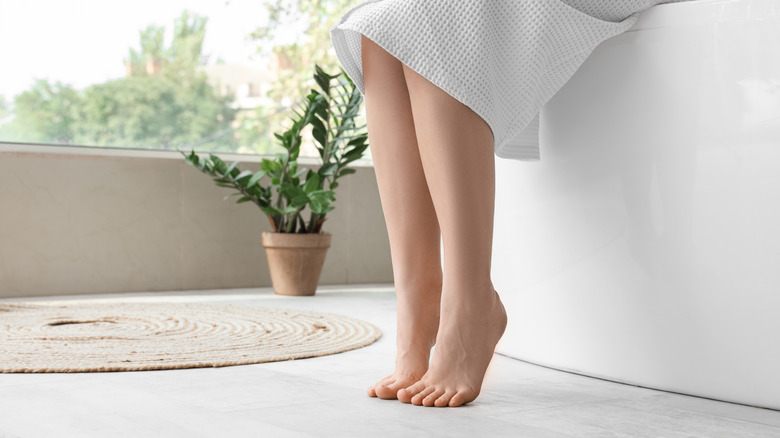
Heated features are no longer reserved for luxury hotels or high-end spas — they're becoming common additions in residential bathrooms. Radiant floor heating, warm towel racks, and heated toilet seats dramatically change how a space feels, especially during colder months. Rather than being seen as indulgent, these upgrades are increasingly viewed as practical, particularly in bathrooms finished with materials like tile, stone, or concrete. Cold surfaces can make an otherwise beautiful space uncomfortable, and heated floors solve that problem in a way that's felt immediately. When paired with dense flooring materials, the heat can continue to radiate long after the system is turned off, making the feature feel both efficient and purposeful.
What makes heated elements especially appealing is how seamlessly they integrate into daily routines. Once installed, they require little attention, but their absence is instantly noticeable. It is the little details that count: warm floors remove the unpleasant shock of stepping onto cold tile in the bathroom first thing in the morning, while a heated towel rack adds a small but meaningful moment of comfort after bathing. These features don't change how the bathroom looks so much as how it's experienced, which is why they tend to age well. Over time, they feel less like luxuries and more like smart design decisions that support comfort year-round. Heated features are starting to reflect a shift toward comfort that's subtle and lasting, rather than upgrades meant to impress only at first glance.
Minimalist storage with maximum function
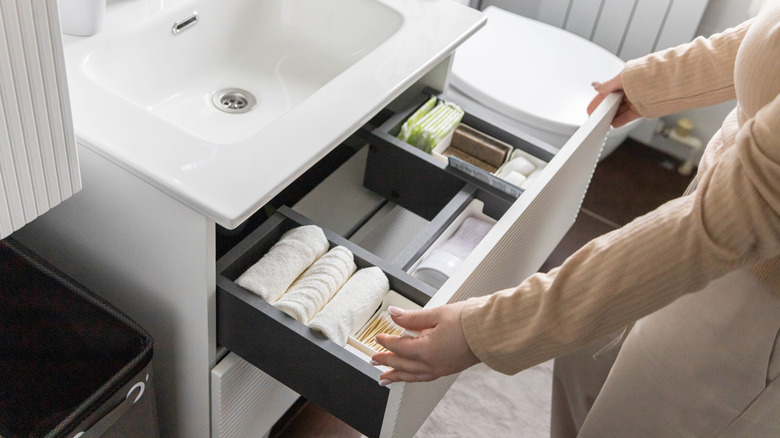
Bathroom storage is being reimagined as something quieter and more intentional. Instead of dominating the room with oversized vanities or bulky cabinetry, modern bathrooms are starting to feature hidden solutions that blend into the architecture. Features like hidden drawers and floating cabinets allow everyday items to be stored without disrupting the visual calm of the space. This approach helps bathrooms feel more open and composed, even when they hold a significant number of essentials. By minimizing visual interruptions, streamlined storage supports a sense of calm that aligns with the broader move toward more restorative, wellness-oriented bathroom design.
The lasting appeal of minimalist storage comes from how well it supports everyday routines over time. When storage is carefully planned, cleaning is faster, and the space feels easier to maintain. These systems also offer flexibility, allowing bathrooms to adapt as needs evolve without requiring major renovations. Adjustable drawers, modular shelving, and concealed compartments can accommodate changes in products, habits, or household needs without altering the overall look of the room. Rather than adding more cabinetry as storage demands grow, efficient layouts make better use of the space that already exists. This restraint helps prevent the cluttered appearance that often makes bathrooms feel chaotic. By prioritizing thoughtful organization over sheer volume, minimalist storage creates bathrooms that remain practical, adaptable, and visually composed for years to come.
Integrated sound and smart controls
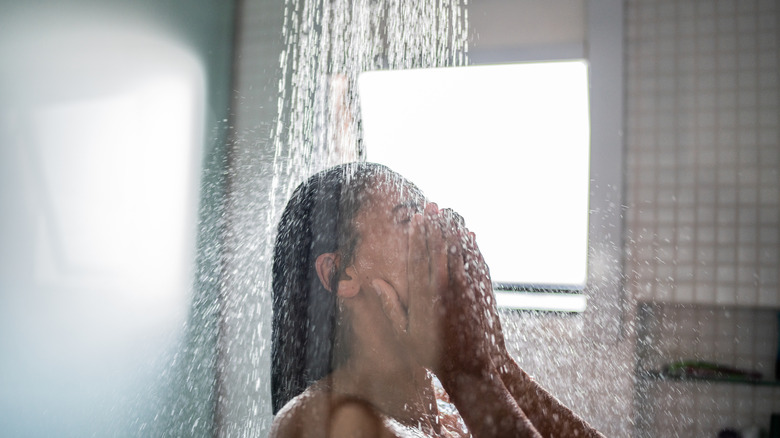
Technology in the bathroom is evolving toward seamless integration rather than visible gadgets. Instead of multiple switches, speakers, and control panels competing for attention, modern bathrooms are designed with centralized systems that manage lighting, sound, temperature, and water settings. This creates a smoother, more intuitive experience, which allows the space to respond to personal preferences. With controls often accessible through a single voice command, users can adjust the environment with minimal effort, keeping the focus on comfort rather than the technology itself.
What makes this shift particularly appealing is how discreet it feels in daily use. Integrated systems are designed to fade into the background once set, supporting routines rather than interrupting them. Music can play softly without visible speakers, and lighting can shift automatically throughout the day, making getting ready in the bathroom more pleasurable. Smart water assistants add another layer of practicality by helping reduce waste and lower utility bills, reinforcing more sustainable habits without sacrificing comfort. As bathrooms become more personalized spaces, this kind of thoughtful technology prioritizes efficiency and ease, putting the homeowner first. Rather than dating a space with flashy features, integrated systems help create bathrooms that feel calm and responsive.
Accessibility without sacrificing design
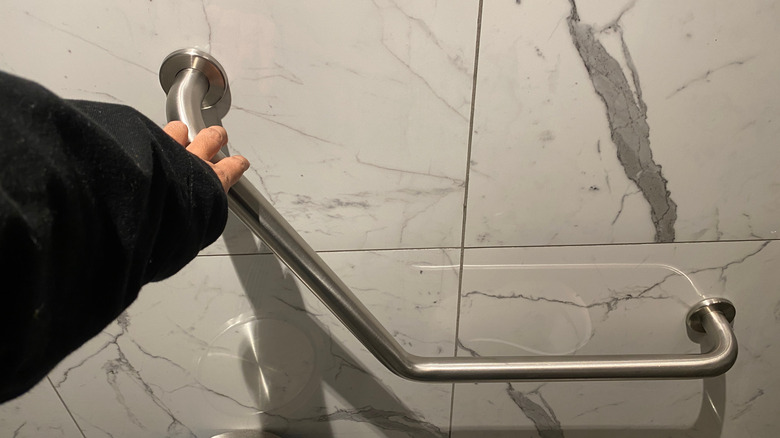
Accessibility has become an essential consideration in bathroom design, but it no longer comes with the visual compromises it once did. Features like walk-in showers, wall-mounted toilets and vanities, and discreet support elements like grab bars are now designed to blend seamlessly into modern interiors. These choices improve safety and ease of movement while maintaining a clean, contemporary look that feels intentional rather than medical. When accessibility is integrated thoughtfully, it enhances the overall design instead of standing apart from it. The result is a bathroom that feels comfortable, intuitive, and welcoming to a wide range of users.
What's driving this shift is a growing understanding that accessible design benefits everyone, not just those with immediate mobility needs. Bathrooms that are easier to move through and use comfortably support long-term living, allowing homes to adapt naturally as occupants age or routines change. Incorporating these features from the start also helps prevent the need for disruptive renovations later on, saving both time and expense. Rather than feeling utilitarian, accessible bathrooms now emphasize ease, flow, and balance. Thoughtful, open layouts and well-placed fixtures create spaces that feel inclusive without drawing attention to their functionality. By balancing comfort with aesthetics, accessible bathrooms demonstrate how good design can quietly support long-term needs without sacrificing style or warmth.
Personalized and cozy lighting layers
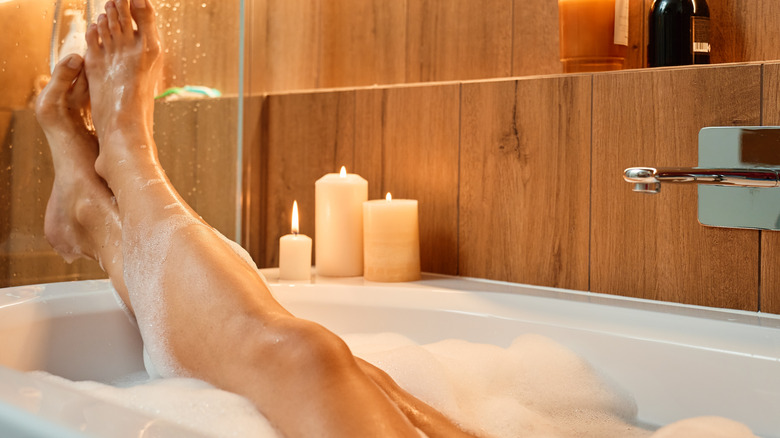
Lighting is playing a more nuanced role in modern bathrooms, moving away from harsh overhead fixtures toward layered solutions that respond to different moments of the day. Softer lighting around mirrors and indirect illumination help create a space that feels more welcoming. This approach allows users to tailor the atmosphere depending on whether they're waking up or winding down. Instead of one fixed lighting mood, the bathroom becomes more responsive, supporting both function and comfort without feeling overly designed.
The benefit of layered lighting lies in its adaptability over time. Rather than relying on a single source that can feel glaring or flat, multiple light layers allow the space to shift naturally with daily routines and seasonal changes. This flexibility makes the bathroom feel more human and easier to live with, especially if your habits or lifestyle were to evolve. Thoughtful lighting also plays a quiet but important role in how materials are perceived: when illuminated beautifully, stone surfaces feel softer, and certain finishes can gain depth and appear warmer. Over time, this attention to lighting helps the bathroom maintain a sense of calm and balance.
Sustainability-driven features
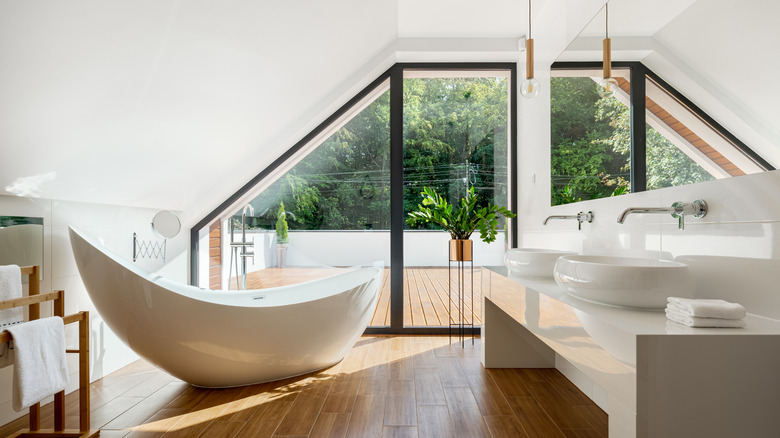
Sustainability is increasingly influencing bathroom design in ways that feel practical rather than performative. Things like water-efficient fixtures that measure usage, energy-conscious lighting, and responsibly sourced materials are becoming standard choices for homeowners who want spaces that function well over time. These features help reduce resource use while maintaining comfort, aligning environmental responsibility with everyday convenience. Rather than feeling like a compromise, sustainable upgrades are often invisible in daily use, quietly improving efficiency without changing how the space looks. As bathrooms become more technologically advanced, sustainability is increasingly treated as a priority and integrated into the foundation rather than added on later.
What makes sustainability-driven design truly enduring is its subtle impact over time. These choices don't announce themselves, but they shape how a bathroom operates day after day, reducing waste and lowering long-term costs without demanding extra effort from the homeowner. This long-term thinking benefits both the environment and the homeowner, making sustainable bathrooms easier to maintain and more resilient as needs change. As awareness around environmental impact continues to grow, bathrooms that balance luxury with responsibility feel increasingly relevant. Sustainability obviously isn't a passing trend but rather a framework to be taken into consideration when designing your bathroom.