

10 Leafy Green Plant Varieties That Will Thrive In Your Winter Garden

Although it may be chilly, your garden can still flourish during the winter months if you plant the right crops. There are quite a few winter vegetables to grow in your edible garden, from root crops like turnips and carrots to brassicas like broccoli and cauliflower. However, when planning what plants to bring in, you should never forget about the leafy greens. Many leafy greens, such as spinach, kale, and lettuce, thrive during the winter months, making them great additions to your yard.
When picking leafy greens for your winter garden, it is helpful to look out for cultivars and varieties that are best for the cold. Sometimes, the name of the variety gives it away! For example, 'Arctic King' lettuce is a winter-hardy variety that does well in colder climates. However, even if the varieties are suitable for the cold, you should consider your USDA Hardiness Zones before planting them. Always check what you are buying and if they can grow in your zone. So, what are some of the best cold-hardy leafy greens that you can grow from seeds for a flourishing winter garden?
'Arctic King' lettuce
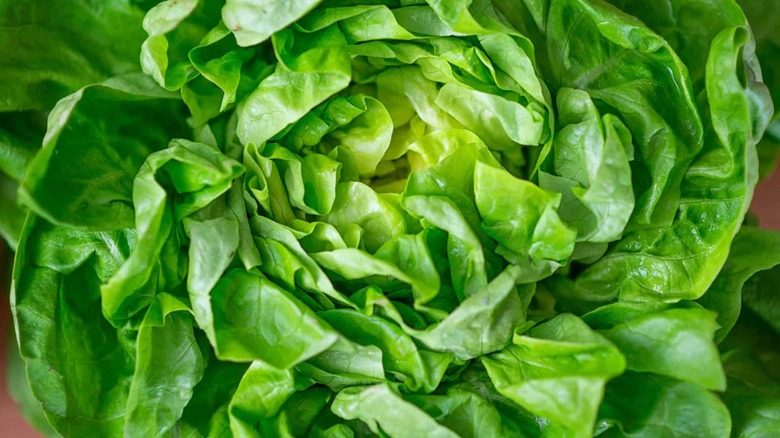
'Arctic King' lettuce (Lactuca sativa 'Arctic King') is a fantastic cultivar for a winter garden in zones 4 and above, having been bred for its hardiness and frost resistance. This butterhead cultivar is usually sown in the fall for a harvest in the spring months. It has crinkly light green leaves and a tight center. You can start your 'Arctic King' lettuce off indoors four to six weeks before you want to plant them out, or directly sow them into your garden. Grow it in full sun in soil that has been amended with organic matter.
'Giant Winter' spinach
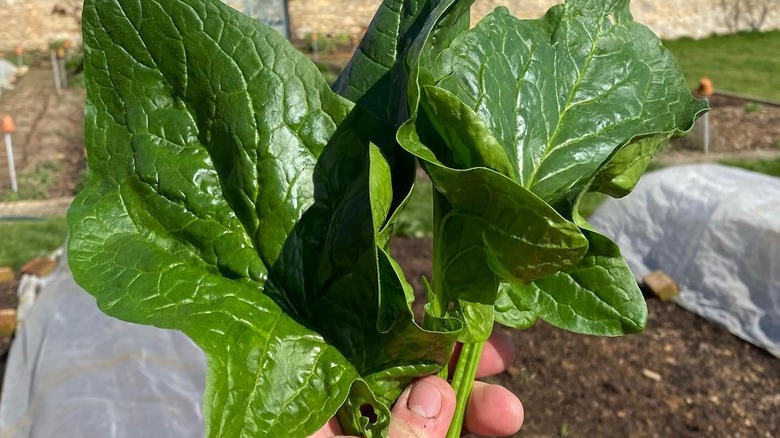
The 'Giant Winter' spinach (Spinacia oleracea 'Giant Winter') cultivar is a fast-growing variety that typically reaches maturity in 45 days, with baby leaves available a few weeks after sowing. Bred for the cold, the 'Giant Winter' spinach cultivar thrives during the winter with some protection. Sow directly outside in early fall, or start the seeds indoors in the late summer. Make sure you harden them off to reduce transplant shock. This variety will do well in both full sun and partial shade. Ensure the soil is fertile and well-drained.
'Red Russian' kale
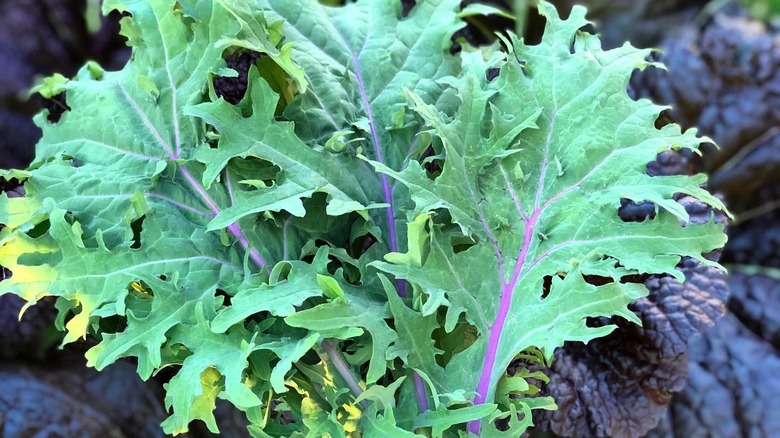
Many kale varieties are suitable for growing as a winter crop. However, some are a little bit more cold-hardy than others. The Red Russian variety (Brassica napus 'Red Russian') originated in Siberia and can tolerate temperatures down to minus 10 degrees Fahrenheit. This kale cultivar has flat leaves and is a great choice for a milder and sweeter flavor. Grow 'Red Russian' kale in the full sun and ensure that the soil is both moist and well-drained. You may want to cover the kale with netting to protect it from birds and insects.
'Winterbor' kale
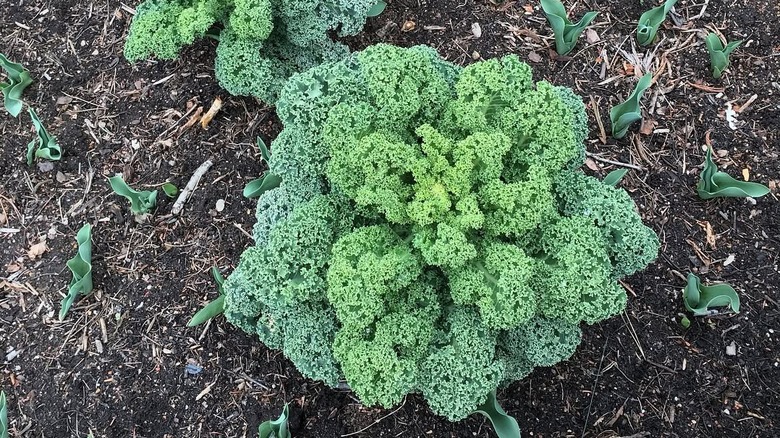
Another great kale cultivar for colder regions is 'Winterbor' (Brassica oleracea 'Winterbor'). This curly kale variety is a vigorous grower that takes around 60 days from planting to maturity. You can start your 'Winterbor' kale both indoors and outdoors, and it is suitable to grow in zones 3 to 11. Ensure that it is planted in full sun in well-drained, moist soil. A sheltered spot will help it flourish over the winter months, and like other kale varieties, a little bit of protection from birds and insects will help.
Corn salad
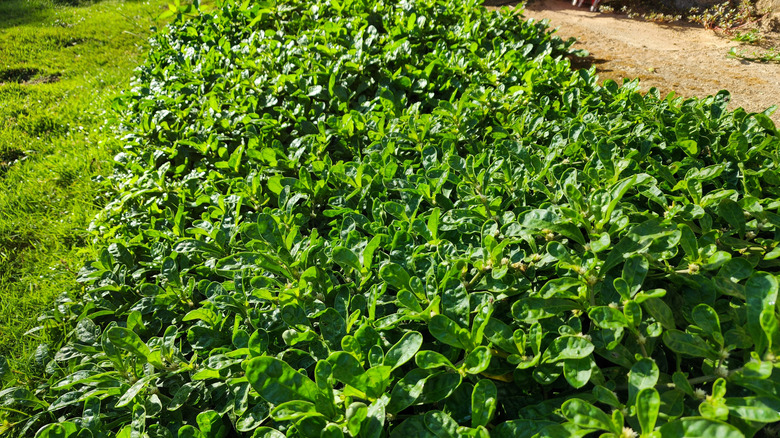
Corn salad (Valerianella locusta), also known as lamb's lettuce, is a small, vigorous green that can be grown in winter in zones 4 to 8. It is happy in temperatures down to around 5 degrees Fahrenheit, but any lower and it will need mulching. Plant this leafy green in late summer to provide you with a fall and early winter harvest. Corn salad usually takes around 50 days to mature. It can be grown in both full sun and partial shade in well-drained beds or containers. Allow the soil to dry out between waterings.
'Astro' arugula

'Astro' arugula (Eruca vesicaria subsp. sativa 'Astro') tolerates both cold and warm temperatures well and can be sown from spring until fall. It takes 38 days to mature to its full size, but you can harvest the baby leaves at around 21 days. Sow 'Astro' directly into your garden bed in moist soil. It can be grown in both full sun and partial shade. You may wish to use garden fabric to protect it from pests, as it can be affected by flea beetles. The soil should be kept at a medium moisture level.
'Green Wave' mustard greens
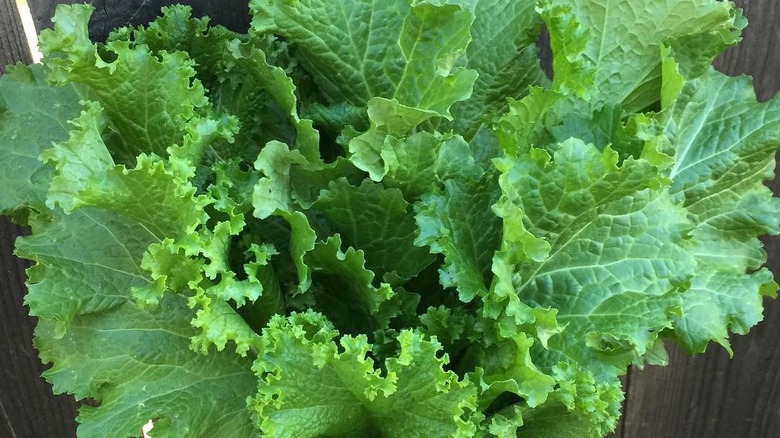
'Green Wave' mustard greens (Brassica juncea 'Green Wave') are suitable for zones 3 to 7 and can be sown directly into your garden beds up until a few weeks before the first frost. These mustard greens take around 45 days to reach maturity. Grow your 'Green Wave' in either full sun or partial shade, planting the seeds 6 inches apart from one another. To ensure they thrive, amend the soil with organic matter before planting. In colder regions, a cool greenhouse or high tunnel is recommended.
Tatsoi

Tatsoi (Brassica rapa narinosa) is native to China and can withstand winter temperatures of around 15 degrees Fahrenheit. These leafy greens take 45 days to reach maturity and can be started off both indoors or directly into your garden bed, sowing them 2 to 4 inches apart. Tatsoi prefers fertile, well-drained soil with even moisture. It is helpful to amend your soil with organic matter before planting them out. To avoid pests nibbling on them as they grow, add some protection to your tatsoi. Covers or wire hoops are great choices for this.
'Vates' collards
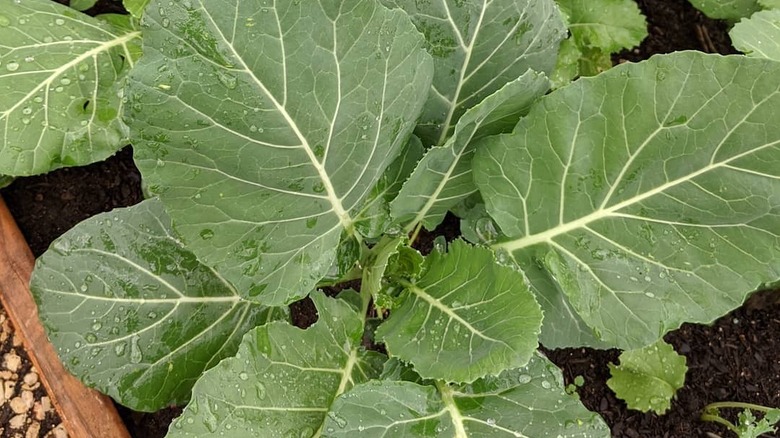
'Vates' collards (Brassica oleracea 'Vates') are frost-resistant greens that do well throughout the winter months. These greens can be both transplanted and sown directly into a garden bed and take 60 to 80 days to reach maturity. If you are starting them indoors, do so three to four weeks before you intend to move them outside. Starting them off indoors and transplanting is said to produce larger leaves. Grow your 'Vates' collards in the full sun and space them around 24 inches apart. These collards are also very bolt-resistant.
'Fordhook Giant' swiss chard
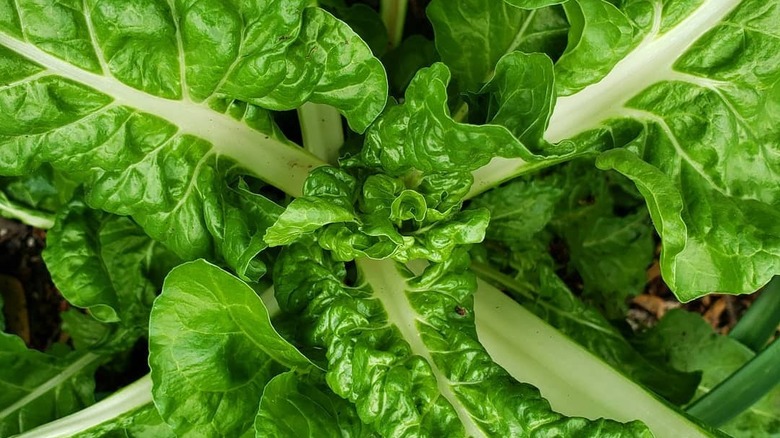
'Fordhook Giant' Swiss chard (Beta vulgaris subsp. cicla 'Fordhook Giant') is an heirloom variety with vigorous growth that can produce quality crops throughout the seasons. It can be started indoors or directly sown. If you are starting them off outdoors, you can sow them up until four weeks before the first frost. When growing transplants, start them four to six weeks before planting them out. You can grow 'Fordhook Giant' in either the full sun or partial shade, and it is useful to add organic matter to the soil before planting.