

12 Seeds That Aren't Worth Growing Indoors During Transition Months
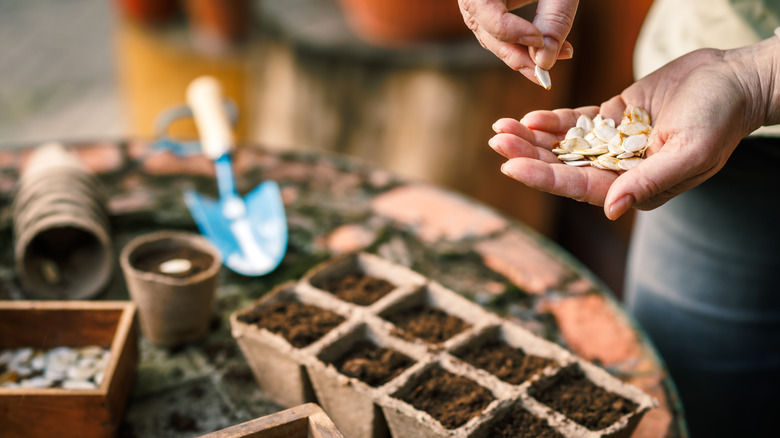
If you're a gardener, winter can be a restless season. You're eager to grow things, but the weather outside isn't quite there yet. Starting seeds indoors is a great way to get your green thumb moving and extend your growing season once you can move your little seedlings outdoors. Flowers like pansies that you'd like to display on your porch as early as possible, or fruits and vegetables that need long growing seasons — like tomatoes, peppers, melons, and brassicas — are ideal for starting indoors, but don't waste your time starting certain other plants. Either they won't germinate except under specific conditions, they take forever to grow, they won't transplant well once you try to bring them outside, or they grow so quickly that there's just no benefit in starting them early. These include things like carrots, beets, and spinach.
For those seedlings that don't transplant well, you can still plant them in the winter for a beautiful spring garden — as long as you plant them directly outdoors. For plants that are sensitive to heat and only germinate in conditions cooler than any indoor environment, consider building a raised garden bed, which raises the soil temperature above the adjacent ground level, enough to allow you to start the seeds outdoors earlier in late winter or early spring than you would otherwise. In the right conditions, you can likely start any plant indoors, but sometimes it's just worth considering how much time, space, energy, and interest you have.
Carrots
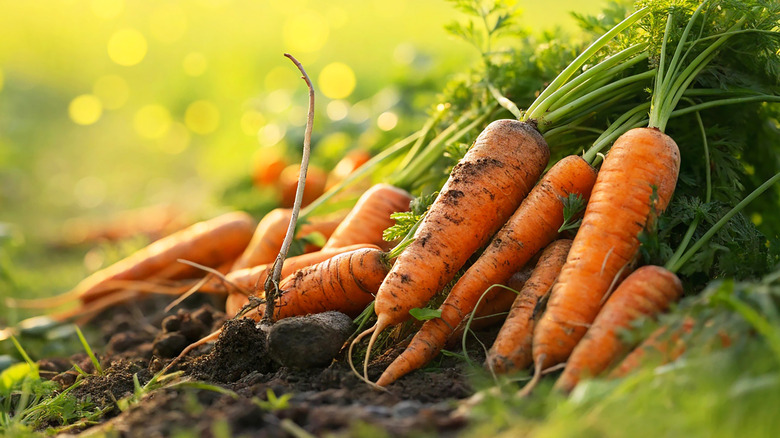
For carrots (Daucus carota subsp. sativus), the taproot is everything. Transplanting those delicate roots when they have just started growing isn't worth the risk. Carrots can handle a light frost and take only about three weeks to germinate, so plant them directly outdoors in the spring once the soil reaches 45 degrees Fahrenheit. Sow the tiny seeds in loose, clump-free soil, cover with ¼ to ½ inch of fine soil, then keep them moist for the first two to three weeks. Carrots are either annuals or biennials that grow well in USDA hardiness zones 2 through 11.
Beets
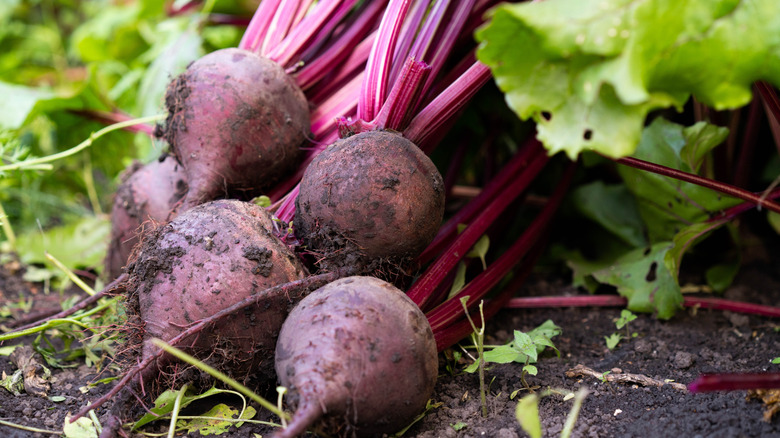
In general, root crops should be sown outdoors. Like carrots, beets (Beta vulgaris Garden Beet Group) are no exception. Why disturb the roots' development by transplanting the seedlings when little is to be gained? Beets are annuals grown in zones 2 to 11, but they're cool-season plants, so it's best to start early. As soon as you can work the soil in early spring, sow beet seeds ½ inch deep and 3 inches apart in rich soil high in organic matter.
Spinach
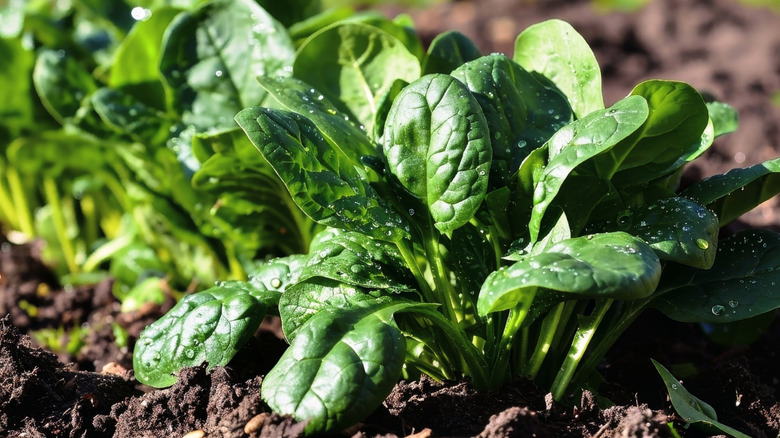
Spinach (Spinacia oleracea) is the perfect vegetable for gardeners eager to get their spring vegetable garden going. Like carrots, spinach doesn't transplant well, but you can start it even earlier because it can tolerate temperatures as cold as 20 degrees Fahrenheit. Plant it outdoors in early spring, once the soil is workable. The sooner the better, as spinach is a cool-season crop that bolts (stops growing leaves and produces flowers) during summer heat. Sow the seeds directly ½ inch deep in rich, organic soil 2 inches apart, and cover with ½ inch of soil. Spinach is an annual grown in zones 2 to 11.
Peas
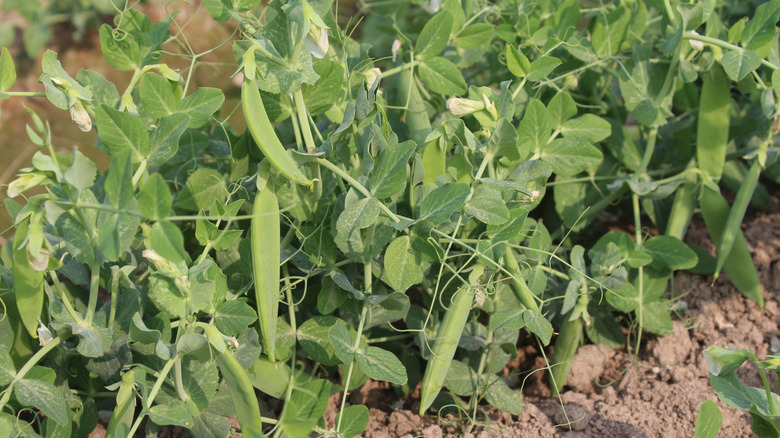
Peas (Lathyrus oleraceus) don't like their roots disturbed, and they germinate so quickly that there's nothing gained by starting them indoors. To get a good harvest, you also need to plant a number of seeds, which can take up valuable indoor space that's better used for seeds that really need the head start. Whether they are peas with edible pods (like snap peas) or shelling peas (like green peas), they easily grow in zones 2 to 11. These are cool-weather annuals, so start early, preferably four to six weeks before the last frost, 1 inch deep in rich, well-draining soil.
Sunflowers
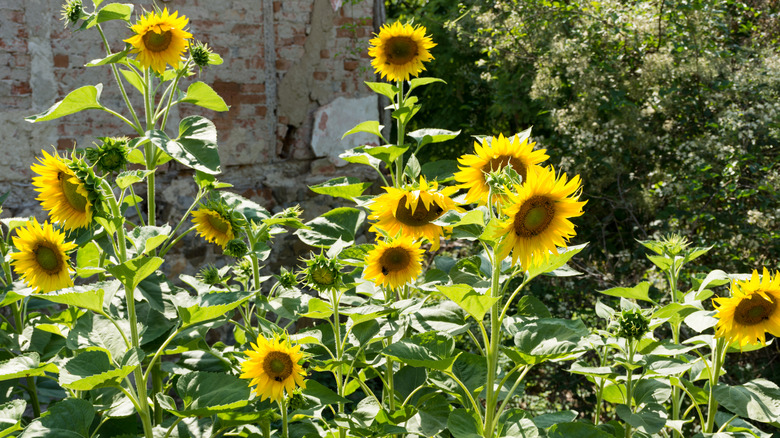
You'll have to be patient growing sunflowers (Helianthus annuus). They don't like their roots being disturbed, so they don't transplant well. They should be sown after all danger of frost has passed and soil temperatures have reached at least 50 degrees Fahrenheit. But they are fast-growing plants that come in so many colors and sizes that they need no explanation for why they're worth waiting for. Sow them 1 to 1 ½ inches deep and space them 6 inches apart – more for taller varieties. Taller varieties may need staking. Annual sunflowers grow best in zones 2 to 11.
Butterfly Weed
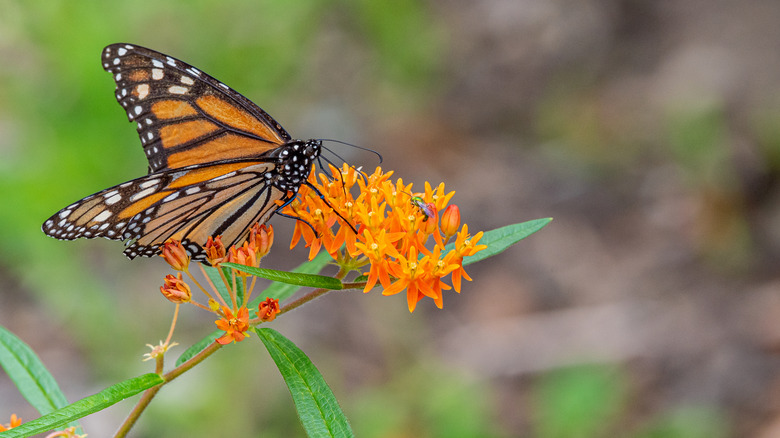
Also known as milkweed, butterfly weed (Asclepias tuberosa) is a native perennial that is hardy in zones 3 to 9. It may take two to three years to produce flowers, but it's a favorite of monarch butterflies, bees, hummingbirds, and other pollinators. It has a long taproot that is easily damaged and doesn't transplant well. Find a place for it to self-sow and spread out, and plant its seeds on top of well-draining, moist soil and cover with ¼ inch of additional soil.
Delphinium
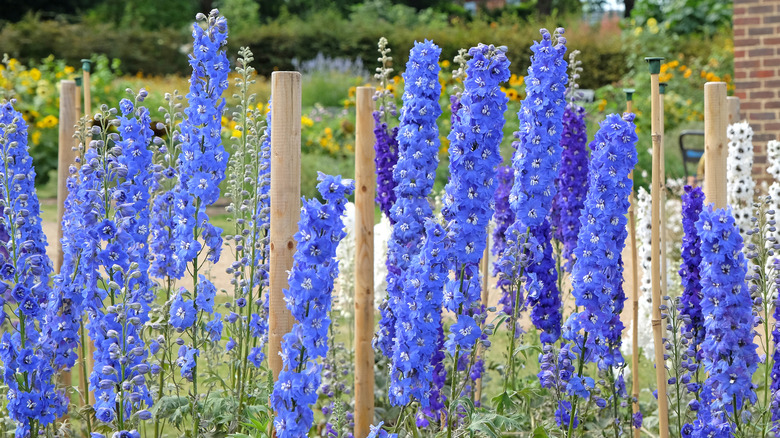
Unless you're an inveterate gardener who enjoys overcoming challenges, some plants aren't worth the trouble of starting indoors. Delphiniums (Delphinium elatum) are one of them. Commonly known as larkspurs, delphiniums can certainly (and should) be started indoors, as direct sowing outdoors is not recommended. But it's a lot of work that might be best left to professional garden centers. They are short-lived perennials, hardy in zones 3 to 7, and require a week of seed stratification in a refrigerator, followed by eight to 10 weeks of growth indoors before moving outside. It's doable, but may not be worth it.
Poppies
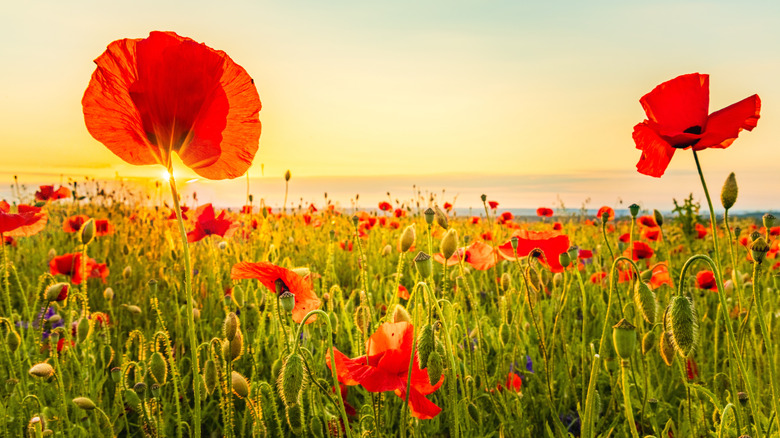
Whether annual corn poppies (Papaver rhoeas) that are grown in zones 3 to 10, perennial oriental poppies (Papaver orientale) that are hardy in zones 3 to 7, or even California poppies (Eschscholzia californica), an annual grown in zones 6 to 10 and a member of an entirely different genus, poppies don't transplant well and are best sown directly outdoors. Simply sow them directly on top of the soil and barely cover them, or just press them into the dirt. They will easily self-sow and need little to no maintenance when grown in ordinary garden soil that is well-draining.
Lavender
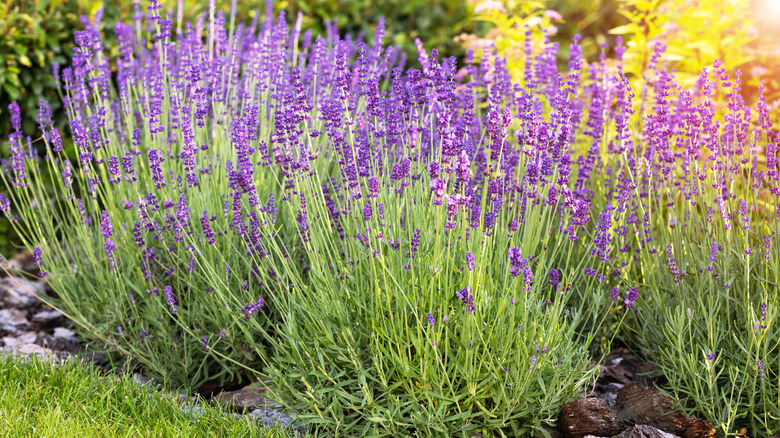
Lavender (Lavandula spp.) is a long-lived perennial hardy in zones 5 to 9. It is possible to grow lavender from seeds, but its lengthy germination and growing times may not make it worth the trouble. Some species are more difficult to germinate than others, but the seeds will need three to four weeks in the refrigerator, then up to three months between sowing and being ready to be transplanted outdoors after the last frost date. To avoid the cost of garden center plants, you can multiply your lavender plants from cuttings.
Blue Flax
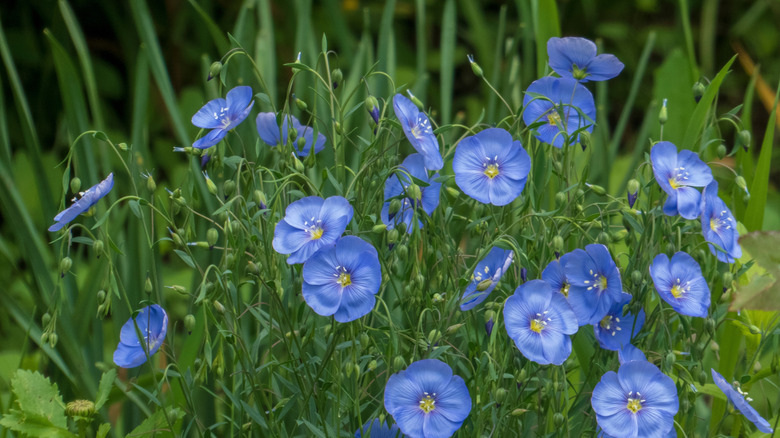
Blue flax (Linum lewisii) is another plant with a deep taproot that doesn't transplant well. A native perennial hardy in zones 4 to 8, blue flax will easily germinate from seed outdoors, and just as easily self-sow once established. Simply rake an area of average, well-draining soil, cast the seeds on the surface, rake over them again, press the seeds in by walking over the area, then water them in. You can start the process even before the last frost in spring, so little is gained by starting the seeds indoors.
Columbine
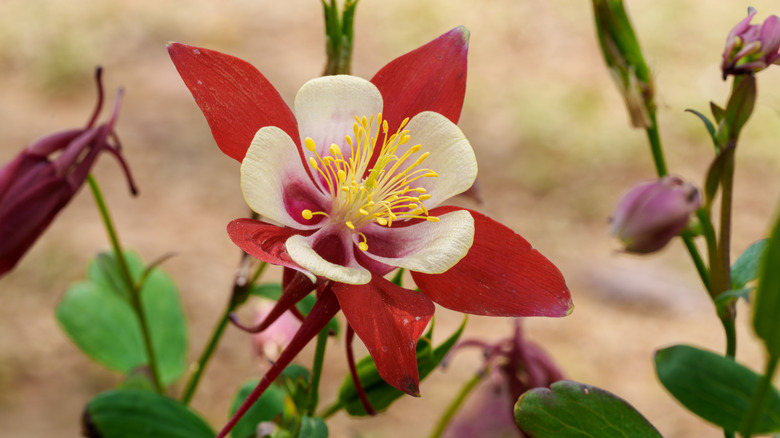
Considering how easy it is to direct sow columbine (Aquilegia canadensis) outdoors, your limited indoor growing area might be better used growing plants that really benefit from starting them indoors instead. Columbine is a North American native perennial hardy in zones 3 to 8. Still, it needs four months of seed stratification, then three to four weeks of germination under grow lights, and another three weeks of growth before the last spring frost. Once established, columbine easily self-sows, so a single plant purchased from a garden center can give you years of pleasure with far less effort than growing them indoors.
Lupine
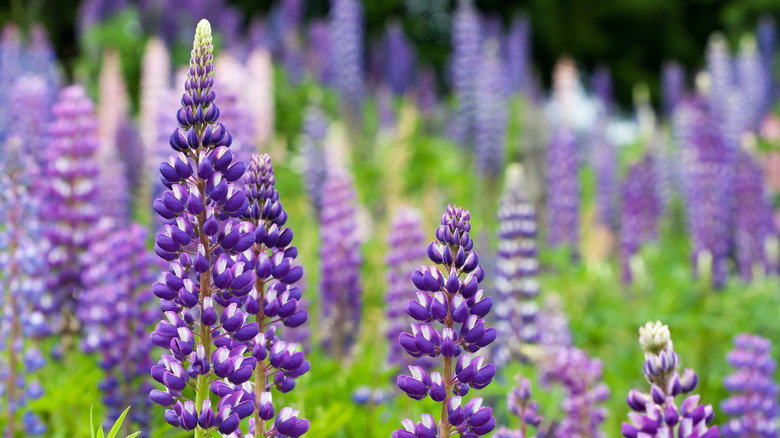
Lupine (Lupinus perennis) is a short-lived perennial that easily self-sows from mature plants and doesn't like transplanting, giving gardeners two reasons not to bother growing the plant from seeds indoors. It's better to spread seeds around, either from a seed pack or collected from existing plants, and let them do the work for you. Hardy in zones 3 to 8, lupine seeds should be sown outdoors in fall or winter to foster cold stratification. Cast them about on loose soil with good drainage, and lightly cover the seeds with ⅛ inch of soil.