

11 Wintry Essential Oils To Refresh Your Home For The Holidays
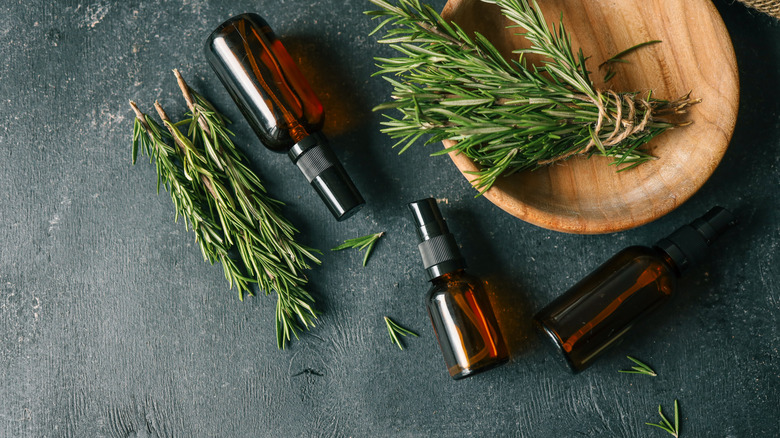
As a professional gardener, I've studied the medicinal and fragrant properties of plants, and the essential oils that are distilled from them. In addition to being used for skin care and various health uses, essential oils are becoming a popular option to use in DIY cleaning supplies and home fragrances. Instead of using artificially scented candles or decor, why not try some natural essential oils with a wintry vibe, including evergreens and spices, to refresh your home during the holidays?
In winter time when we're indoors more often, heated indoor air can feel dry and a bit stale. In addition to using a humidifier to improve dry air, you can use essential oils with steam to give your home a natural, fresh smell. Essential oils diffuse nicely with steam to both humidify and scent the air. Many essential oils also have antibacterial and antimicrobial properties (including lavender, rosemary, spruce, cedar, and peppermint), which helps freshen the air during cold and flu season.
You can also make a simple DIY cleaning solution (good for kitchen and bathroom surfaces) with essential oils, adding between 20 and 30 drops of mixed essential oils to a 16-ounce container of 50/50 white vinegar and water. The scent of vinegar dissipates quickly once it dries, but the subtle scent of the essential oils lingers a bit longer. This same formula works for an easy-spray air freshener, or you can use rosewater as a base, full strength or diluted, which adds a slight floral fragrance that blends well with most scents. Store oil blends in amber glass bottles, and they'll be ready when you want to make a new spray.
Pine
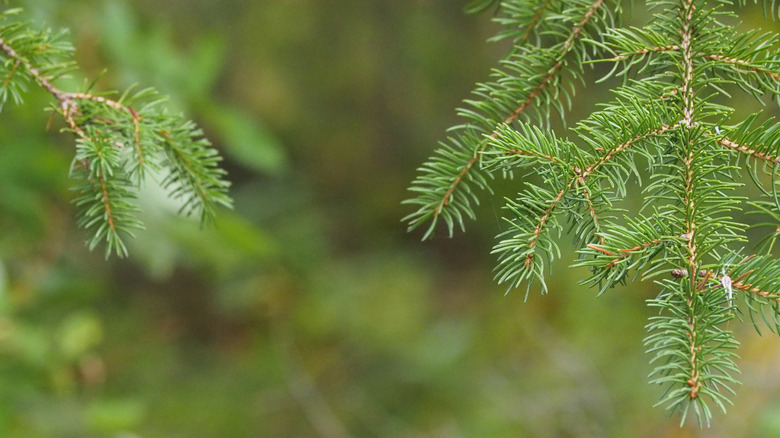
The scent of pine is not only associated with cleaning (remember Pine-Sol?) but also with the winter holidays, via pine trees, wreaths, and boughs of evergreen. Pine's fresh scent is found in the needles and resiny sap of its branches. Pine essential oil is great for a winter season cleaning or air freshening spray, and invokes the feel of nature, forests, and the outdoors. It blends well with cedar, spruce, juniper berry, peppermint, and cinnamon.
Spruce
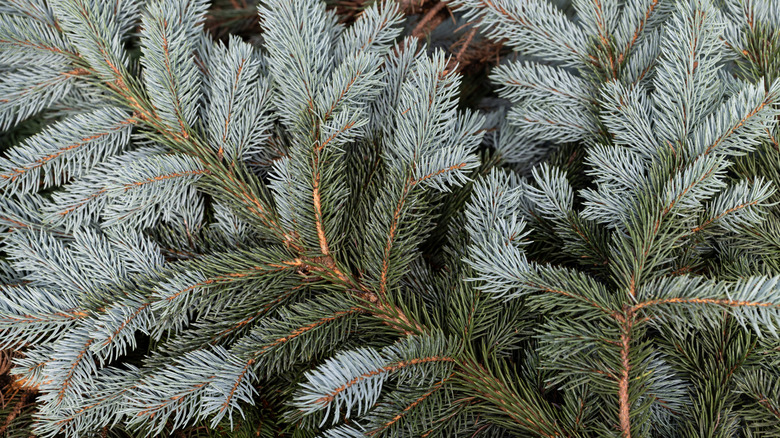
The classic blue spruce is everyone's favorite Christmas tree, though there are many varieties of spruce tree. The essential oil has a vigorous, green scent and is often used to scent holiday products like scented candles. Black spruce (Picea mariana) is most commonly used for essential oils and has antibacterial properties, so it's good to use in a cleaning preparation.
Cedar
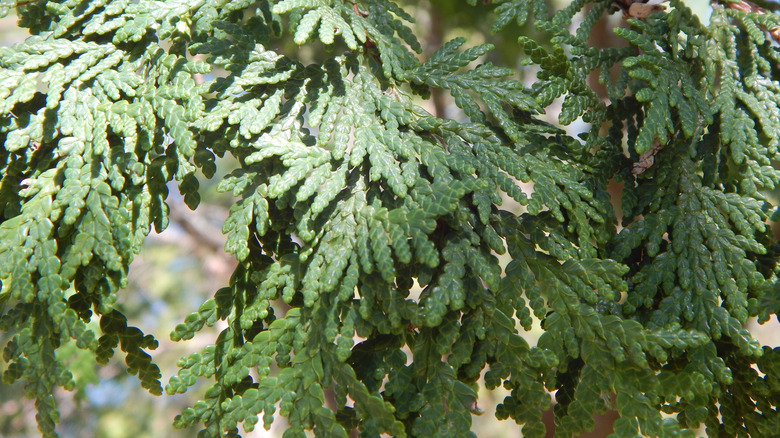
Cedars are long-lived trees with wondrous wood that resists rot and is prized for its durability and moisture-resistance. The essential oil of cedar is usually known as "cedarwood" or sometimes "Texas cedarwood" and is a thick, dark essential oil with a pungent, woodsy scent. I use it to make a natural all-purpose insect repellent in summer, but in winter, cedar essential oil is a lovely choice for freshening rooms. Mix it with orange or other citrus essential oils, or with rosemary and juniper berry for an herby, invigorating forest fragrance.
Frankincense
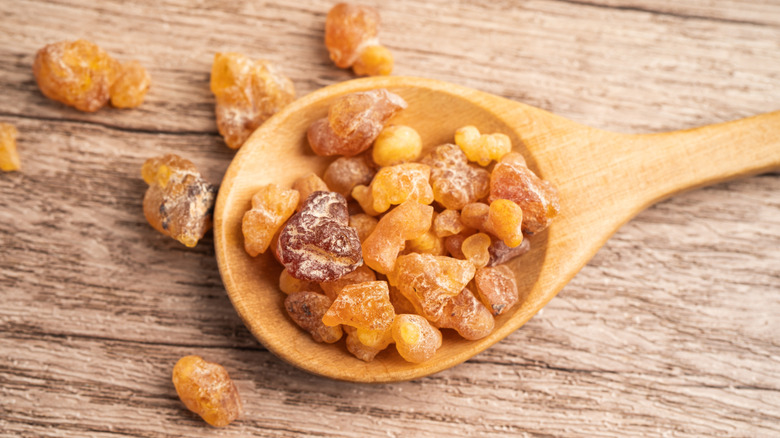
Frankincense (Boswellia) is valued for its divine fragrance and medicinal properties. The tree sap forms droplets or "tears" that harden into resin, used to make incense or distilled for essential oil. The use of frankincense in church and temple incense blends is thought to be due in part to its ability to slow the breathing and therefore aid in meditation and contemplation. The trees are somewhat endangered due to over harvesting, so frankincense essential oil is quite precious and expensive, but it's worth it for its uniquely beautiful fragrance.
Orange

Orange essential oil is usually sold as "sweet orange" to differentiate it from "bitter orange" essential oil. Like all the citrus essential oils, it has an uplifting fragrance that is said to help elevate mood and increase energy. Oranges are a traditional winter fruit, given as gifts when they were rare, and eaten for their nutritious vitamins when they ripen in the winter season. Orange essential oil is inexpensive, and makes a great cleaning or freshening ingredient, blending well with a variety of scent types, including evergreens, herbs, woods, spices, and resins.
Cinnamon
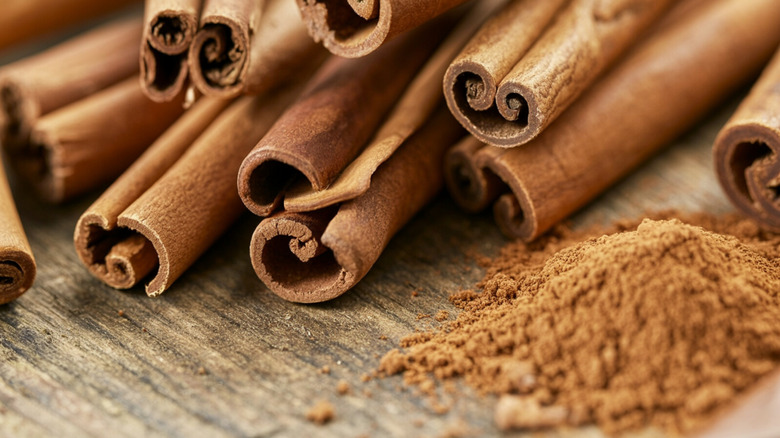
Count me as one of those people that can't stand "cinnamon brooms" sold around the holidays. The majority of these products are made with synthetic fragrance oils, which tend to give me headaches. But natural cinnamon essential oil is lovely! Spicy, warm, and reminiscent of traditional holiday baked goods and beverages like hot cider, cinnamon is a good choice for air freshener sprays. Mix it with nutmeg and orange for a foody scent, or with evergreens for a spicy forest blend. You can even revive last year's stale cinnamon broom with the real thing!
Nutmeg

Nutmeg is a delicious spice used in baking and cookery, and freshly-ground nutmeg has a delectable fragrance that is both fruity and nutty. Nutmeg essential oil can be used just as you would other spicy scents like cinnamon or ginger. If you make potpourri with dried flowers and herbs, scent it with essential oils of nutmeg, cinnamon, ginger, and orange for a delicious winter holiday vibe sure to please guests.
Cypress
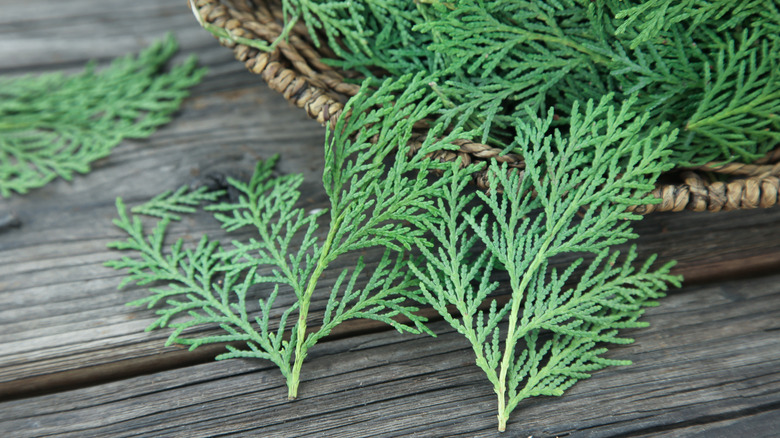
Cypress (Cupressus) is the name given to many beautiful evergreen trees and shrubs with feathery foliage. The scent is somewhat less pungent than pine or fir, and cypress essential oil is often used in winter fragrance blends. Cypress blends well with many kinds of wintry scents. Try pairing it with frankincense, orange, and rosemary for an uplifting, refreshing fragrance.
Peppermint
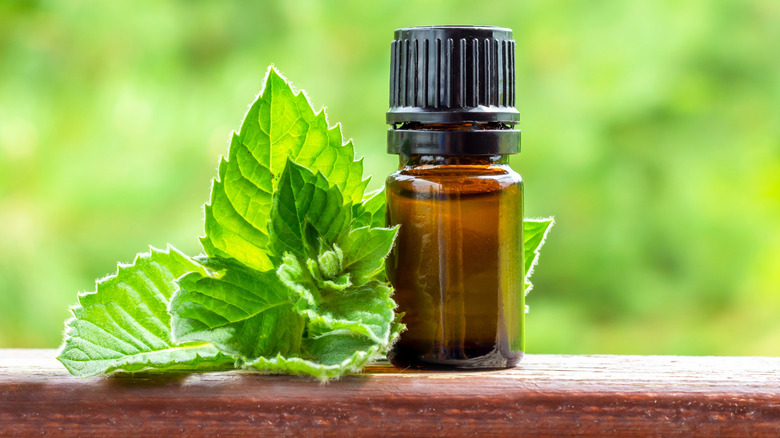
Peppermint is known for its refreshing taste and scent. Peppermint tea is good for digestion, and in aromatherapy, peppermint has many medicinal uses. It tends to be stimulating, so don't use it just before bedtime or it may keep you awake for a bit. It's perfect for an air freshener spray mixed with evergreen oils like spruce, pine, or cypress, or with orange oil for an uplifting, refreshing kitchen spray cleaner.
Rosemary
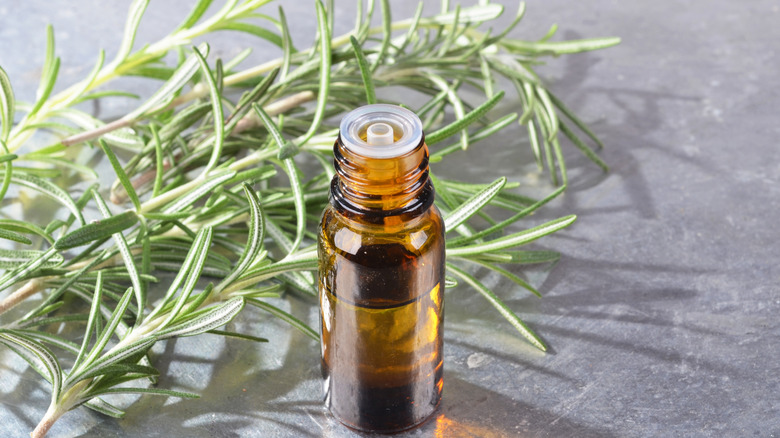
Rosemary is a Mediterranean herb that was once used frequently in homes and churches to freshen the air and deodorize rugs and textiles. Sprigs of rosemary were frequently placed near doors and windows to help keep air clean. In the old days, it wasn't known that this plant's powerful antimicrobial properties helped protect people from harmful bacteria. Rosemary's fresh, green fragrance is perfect to refresh indoor air and lift the spirits in winter: blend it with cedar, orange, lavender, or evergreen essential oils for a bold, herbaceous scent.
Juniper berry
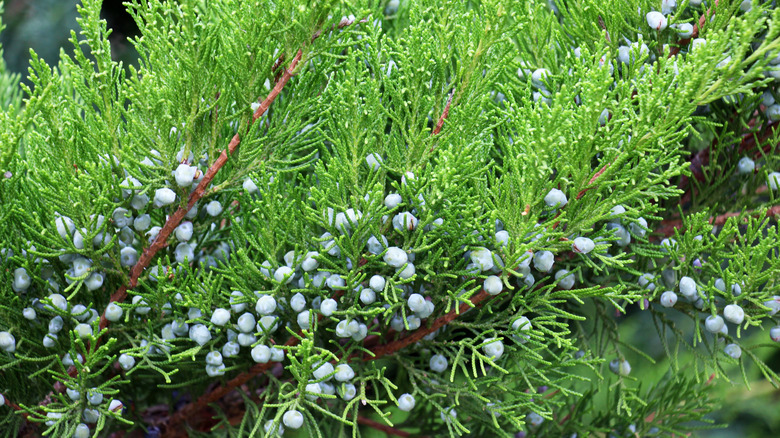
Juniper berries are famously used to make gin, and the essential oil smells a bit like gin. It has a somewhat fruity, forest-like fragrance that is hard to describe. It's very green and woodsy, but subtle enough to blend well with many different fragrances. Pair it with evergreens like fir and cypress, or with a touch of cedar or other woodsy essential oils like patchouli or vetiver, if you have them on hand.