

8 Situations When You Should Always Unplug Appliances
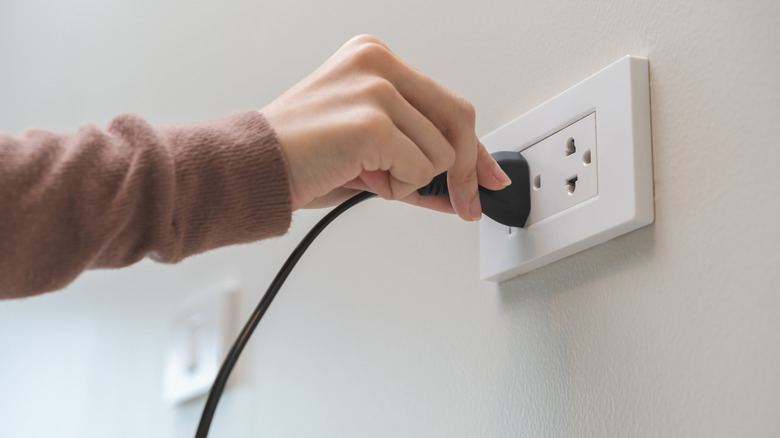
Between cooking your food, providing entertainment, and heating, cooling, or cleaning indoor air (among many other nifty tricks), appliances big and small keep your home — and you — functioning. When most of us get a new appliance, we usually plug it in and promptly forget about it. Some of these appliances might be used on a regular basis. Others may be gathering dust since the last time you used them several months ago. In either case, there are rules that govern when you should unplug your appliances. Situations like impending severe weather, cleaning, vacations, and fire-risk prevention necessitate pulling the plug.
You might also be wondering whether unplugging appliances impacts energy use. While some large appliances do use more energy than others, such as refrigerators and HVAC units, you don't necessarily need to unplug these for the sake of saving electricity. Plus, your fridge contains food, so unplugging it would lead to rotten food, which is hazardous to your health and your wallet. If you do want to save money on your next utility bill, unplugging small appliances you don't use often is a better idea. The exact savings are highly variable, but they can still add up to something substantial over the course of a year.
Unplug appliances before a thunderstorm
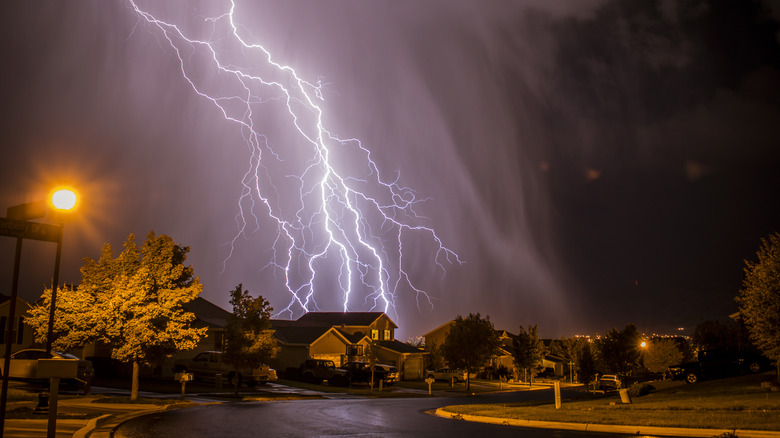
Just as you should not run your AC during a thunderstorm, it's best to unplug certain appliances ahead of severe weather. It might be challenging to do this with large appliances. But at the very least, try to unplug computers and other expensive electronics, especially if you don't use surge protectors. Other items you can easily disconnect include small kitchen appliances, such as microwaves and coffee makers. Once you hear thunder nearby, hold off on unplugging anything. This indicates lightning is already in the area, and it's no longer safe to handle anything electrical.
Unplug infrequently used entertainment devices
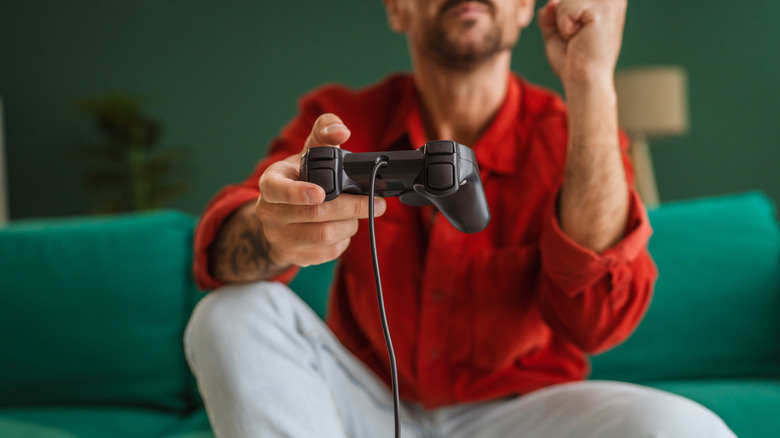
You might turn on a television and almost certainly your computer every day, but can you really say the same for a video game console, living room stereo, or that dusty old karaoke machine your sibling bought for you one Christmas? It's best to unplug any and all entertainment devices you don't use on a regular basis. Doing so will help reduce wasted energy, potentially making a small dent in your utility bill over the year.
Never clean any appliances while they're plugged in
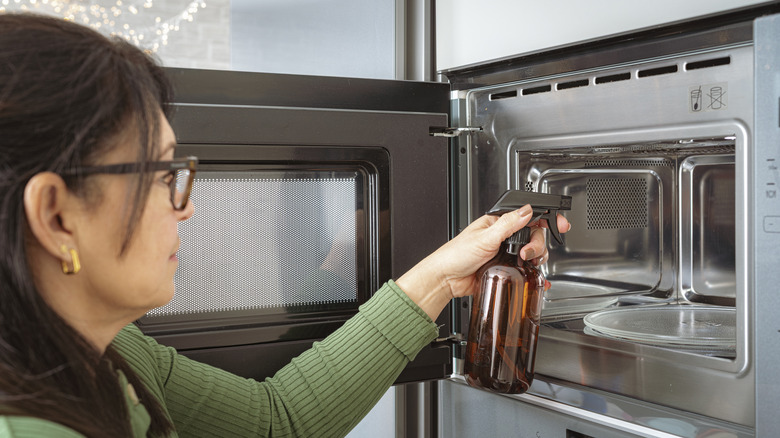
Electricity and cleaning with water definitely don't mix. This includes any time you clean your appliances, as you could put yourself at risk of electric shock. Knowing how often you need to clean your refrigerator and other kitchen appliances is one thing; knowing you should never complete this task when any of these items are left plugged in is quite another. Turn off and unplug any appliance you wish to clean with liquid cleaners, and make sure no electrical components are wet before reconnecting them.
Unplug appliances before leaving home for an extended period
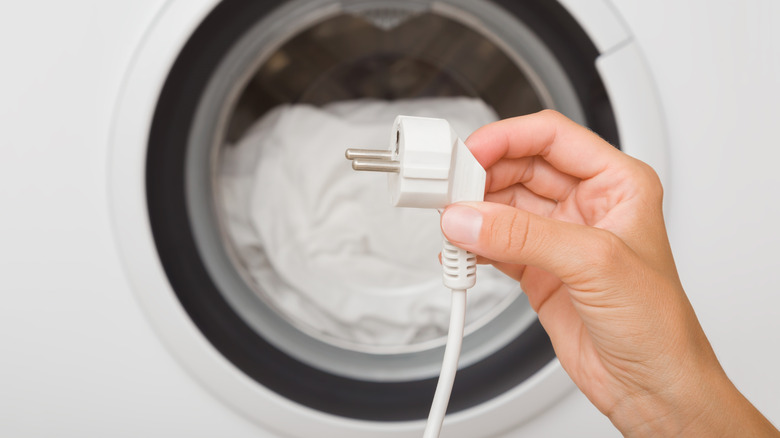
While you don't need to unplug major appliances before leaving your home for work each day, you might want to disconnect many of your devices when heading away for an extended length of time. This includes a long weekend getaway, a week-long vacation, or an unforeseen family emergency, among other events. Forgetting to unplug these appliances before leaving for a trip is a big mistake: computers, small kitchen appliances, your dishwasher, and even your washer and dryer. You'll save on energy costs and reduce fire risks.
Unplug small kitchen appliances after each use

It's a good idea to unplug small appliances when you're going away for a few days or longer. Overall, though, you should consider unplugging these smaller devices after each use. They continue to pull energy when they're not in use, and they're relatively easy to unplug in between uses. So why not just do it? Examples of small devices to unplug regularly include toasters, coffee makers, slow cookers, mixers, and blenders.
Don't leave your smartphone charger plugged in
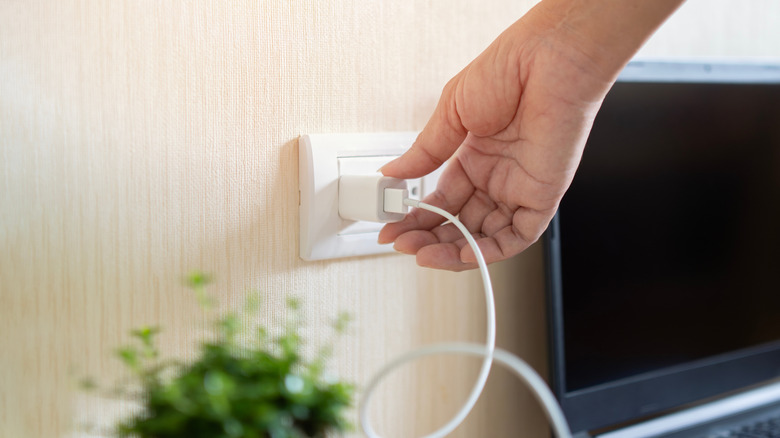
Newer smartphones generally do not lose their battery life when they're left on the charger unnecessarily. Unless you're asleep, it's still a good idea to take your phone off the charger when the battery's full, though. Phone chargers continue to pull small amounts of energy, even if your battery is full and good to go. To that end, consider unplugging the charger from the wall after each charging session.
Consider unplugging during the weekend or holidays
If you've ever considered fully unplugging from work during your time off, you can also literally apply this concept to your home computers. It's easy to put your device in shutdown mode and forget about it. However, plugged-in computers do draw small amounts of electricity 24/7. Also, if you leave your computer on power-saving mode, know that this is a bit of a misnomer. Unless your computer is turned off and unplugged, it will continue to draw power from the grid no matter what mode it's in.
Unplug infrequently used lamps
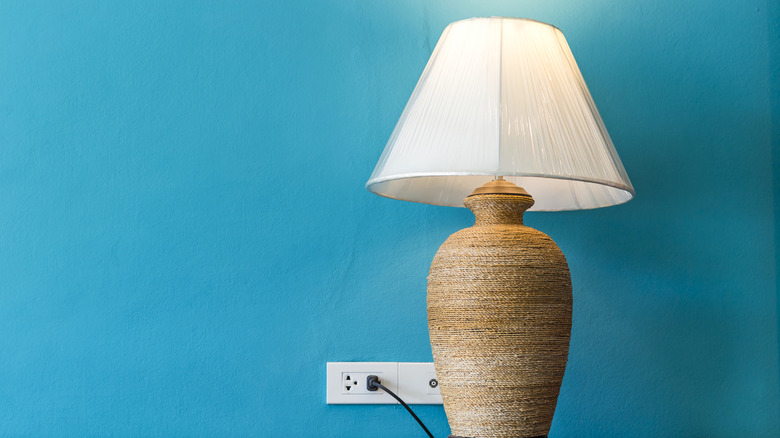
Lighting is a more practical part of your home, but chances are you might have some fixtures that you use less frequently than others — all your infrequently used floor and table lamps, for example. In many cases, these types of lamps are used more for aesthetics than need. However, you still leave them plugged in all the time. Consider plugging decorative lighting into an outlet only when a fixture is in use — they should be left unplugged at all other times.