

8 Spring Flowers You Can Start Growing From Seed In Winter To Attract Hummingbirds
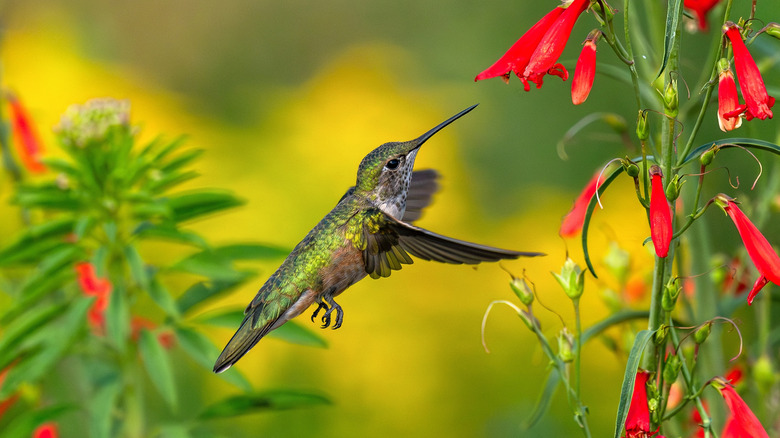
When the cold weather eases, many hummingbird species come back to the U.S. for the summer. Although the exact month of their arrival depends on which state you live in, these beautiful birds can sometimes be spotted in certain places as early as February. This means that it is a great idea to start preparing for them in the winter months. By choosing the right flowers and starting them off in the winter, you are able to attract hummingbirds to your garden and support these amazing creatures.
Hummingbirds love brightly colored tubular flowers, such as columbine and beardtongue. Thankfully, many of the flowers that hummingbirds are attracted to can be grown easily enough from seed. There are a few different ways you can start growing plants from seed in the winter months, and which one you pick depends on what you are growing and your setup. You may wish to start the seeds indoors using grow lights. Or, you could plant them outdoors using the winter sowing technique. This is where you use recycled containers outdoors in a protected area. The container acts like a mini greenhouse, using natural light, with the cold weather stratifying the seeds for germination. Many native flowers can be grown this way, producing strong, healthy seedlings that will flower in the spring.
Wild columbine
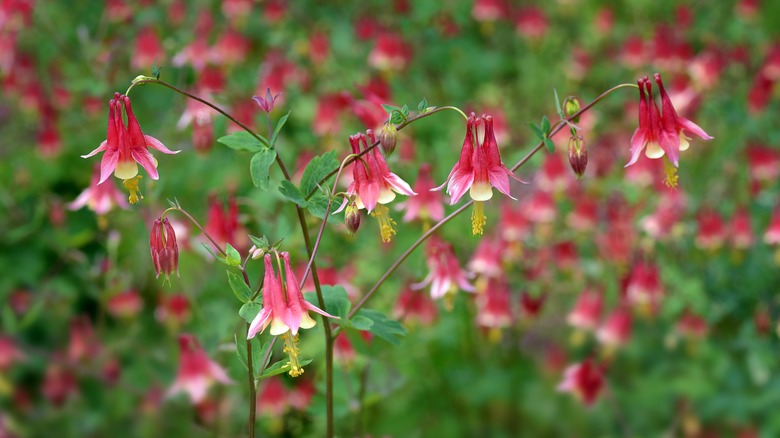
Wild columbine (Aquilegia canadensis) is a gorgeous native plant that is beloved by hummingbirds and gardeners alike, with its explosive red blooms standing out in any garden. They are suitable for winter sowing as they need cold stratification for germination. Suitable for USDA Hardiness Zones 3 to 8, wild columbine blooms in April and May to transform your space into a hummingbird heaven. You can grow these flowers in both full sun and partial shade. They are pretty adaptable to a wide range of soils, as long as they're well-draining.
Snapdragon
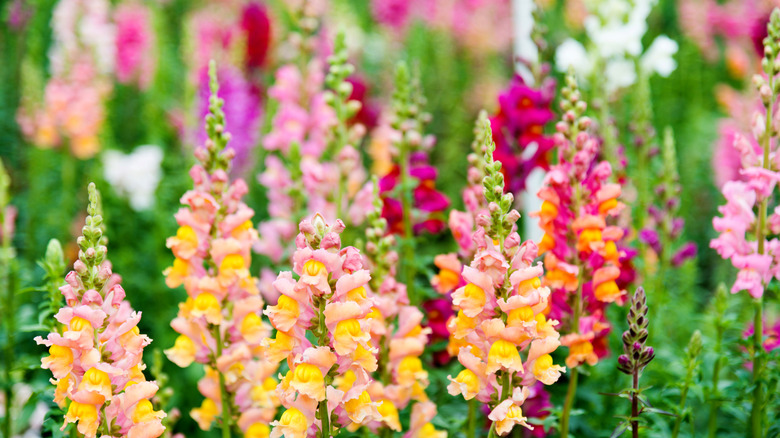
For a tough, hummingbird-friendly annual, you may want to consider bringing snapdragons (Antirrhinum majus) into your yard. These flowers are naturally winter annuals, growing through the colder months to bloom in the springtime. So, you can start them off by winter sowing in your garden beds if you live in zones 7 to 10. Grow snapdragons in either full sun or partial shade. These flowers prefer moist, rich soils with decent drainage. Once they have started to bloom, keep on top of deadheading as this will help them flower for longer.
Foxglove
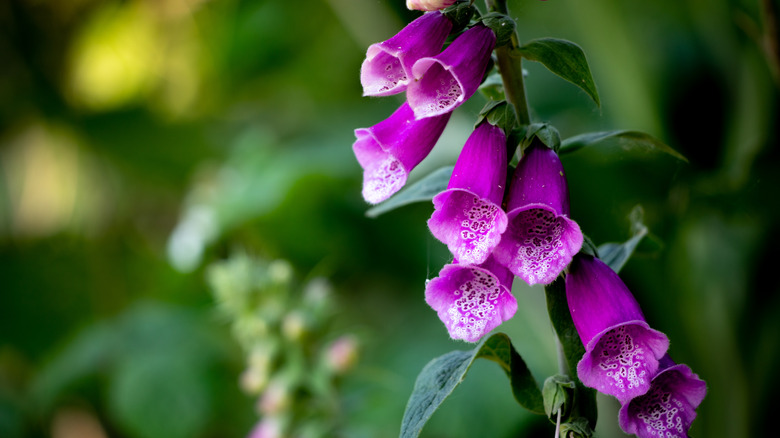
Grown as both biennials and perennials, foxgloves (Digitalis purpurea) are hardy in zones 4 to 9 and can be grown through winter sowing. However, before you bring foxglove into your yard, it is important to check with your state, as some states have it on their invasive species list. These flowers bloom in May and June, with their spiky stems being densely packed with beautiful, bell-shaped blooms. Foxglove does well in both full sun and partial shade, with the plant preferring moist soils. Deadheading will help avoid it spreading.
Beardtongue
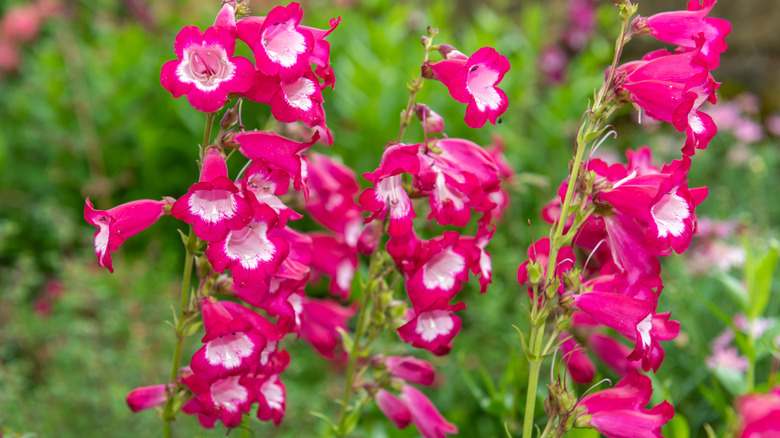
Beardtongue (Penstemon spp.) is another fantastic native option that you can grow through winter sowing for spring blooms. These perennials have that tubular shape that hummingbirds love, and there is a wide range of varieties and colors available. However, certain varieties may be easier to grow from seed, so see what is available in your area. You can grow beardtongue in hardiness zones 5 to 8. Ensure the soil has good aeration and drainage, and try to plant them in a spot that receives at least six hours of sunlight a day.
Lupine
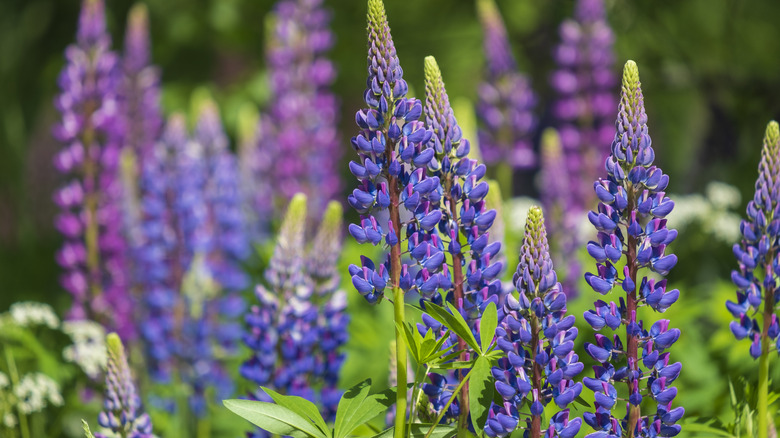
Another large genus of hummingbird-friendly flowers is lupine (Lupinus spp.). Blooming in spring and summer, these plants are winter-hardy in zones 4 to 8 but are usually treated as an annual in zones 7 and 8. You can grow lupine from seed by starting them off indoors or winter sowing them. Suitable for both full sun and partial shade, lupines prefer slightly acidic soil with good drainage. As a member of the legume family, lupine has nitrogen-fixing qualities, which can help the nutrient levels of your soil.
Nasturtium
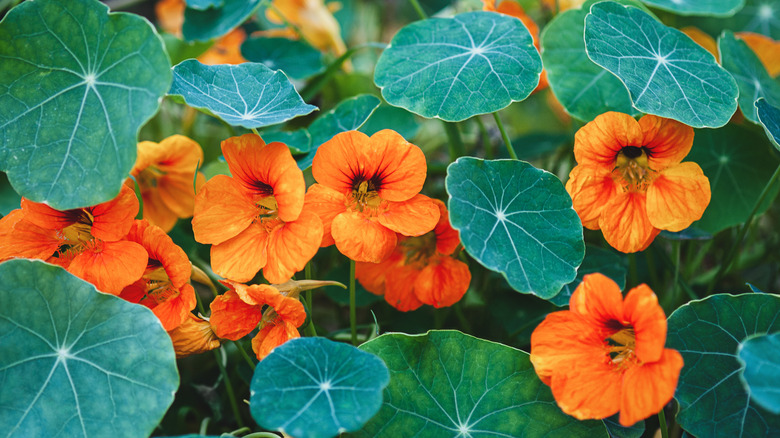
The breathtaking orange and red blooms of the nasturtium (Tropaeolum spp.) flowers are perfect for hungry hummingbirds. These annuals are prolific bloomers, starting to flower in spring and lasting into fall. They are also very easy to take care of, thriving in poor soils and not needing any fertilizer. You can start nasturtium indoors, or winter sow them. If you do start them indoors, use paper or peat pots, as this will help reduce transplant shock, which they are sensitive to. Deadhead them regularly to keep them flowering over the seasons.
Lyreleaf sage
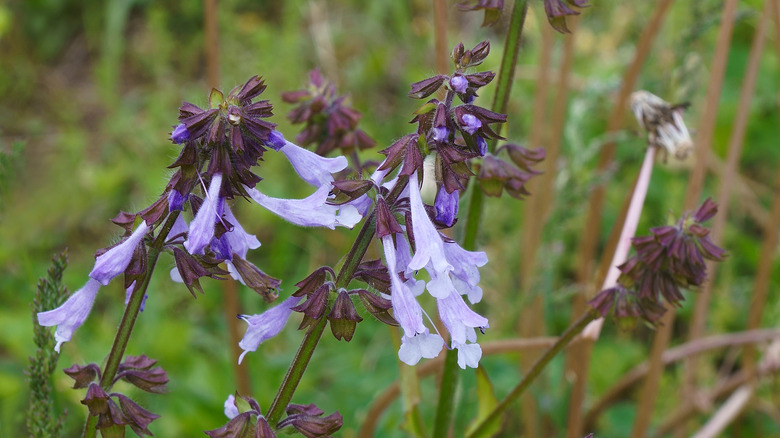
Hardy to zones 5 to 8, the lyreleaf salvia (Salvia lyrata) blooms in spring, when the plant gets decorated with delicate, trumpet-shaped flowers in hues of blues, white, and lavender. Although this perennial is fairly short-lived, you can collect its seeds to produce new flowers and start them off through winter sowing. You can grow lyreleaf salvia in both full sun and partial shade, with this plant being adaptable to a range of soil types and locations. Alongside hummingbirds, lyreleaf salvia supports other native birds, bees, and butterflies throughout the year.
Delphinium
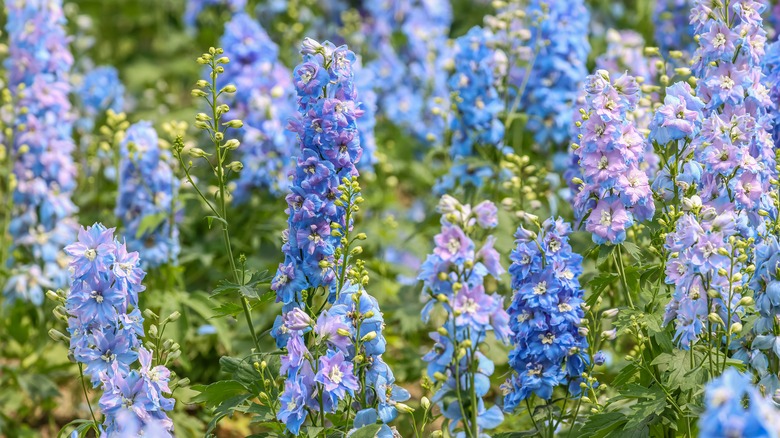
Often grown as a winter annual in warmer states, delphinium (delphinium spp.) is a beautiful plant that produces long, erect spikes of flowers in colors of blue, pink, white, and yellow. Their seeds germinate in the winter to bloom in the spring, and you can start them off through winter sowing. Delphiniums are suitable for growing in zones 3 to 9, although they probably won't last through the summer in climates south of zone 7. Grow these blooms in the full sun in fertile, well-drained soils. In warmer locations, provide them with protection from the afternoon sun.