

Is The Snow On Your Roof Melting Unevenly? Why You Should Be Concerned
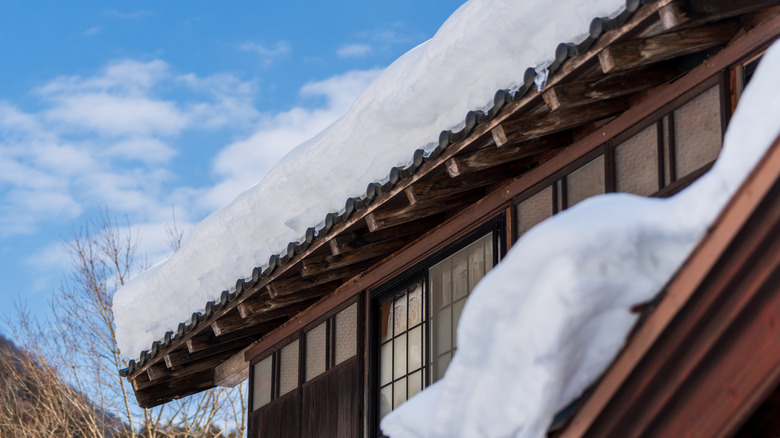
Whether you love seeing snow in the winter or hate it, you still have to be ready to deal with it. You may already have some simple techniques to make driveway snow removal easier, but snow piles up everywhere. If you live in an area that receives significant winter precipitation that lingers because of below-freezing temperatures outdoors, snow could lead to damage on the roof, especially as certain amounts of snow are too much for roofs to handle (typically anything more than 2 to 3 feet of accumulation). Even during periods of low temperatures, though, some snow on a roof may start to melt. Direct sunlight could provide enough energy to melt the snow, even when the air temperature is below freezing. Heat rising from inside the house and traveling through the roof can cause the snow to melt from below, too.
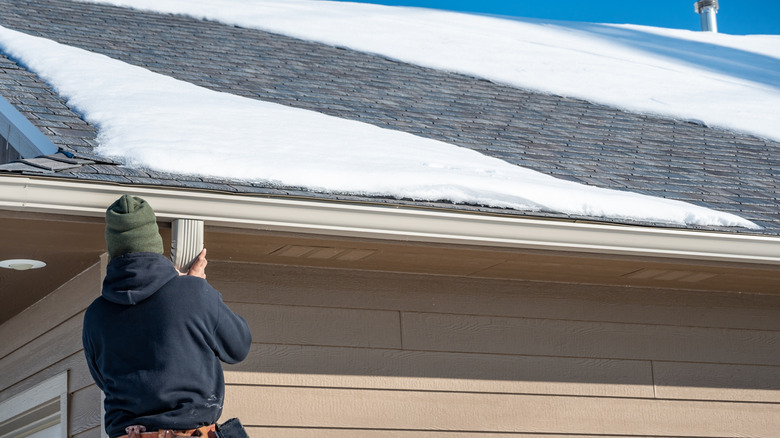
Even though melting reduces the level of accumulation, it could indicate bigger problems with the roof, especially if the melt is occurring unevenly. Patchy melting might indicate that you have portions of the attic without proper insulation, which is allowing heat to escape upward and warm select parts of the roof. Not only is this inefficient, but uneven melting can lead to ice dam formation, a dangerous situation that may result in long-term damage to the house and roof.
Why uneven snow melt can lead to structural damage
As snow melts and turns to water, it flows down the slope of the roof because of gravity. Just like rainwater, the meltwater eventually reaches the gutters, which carry it to the ground. However, as the meltwater moves away from the warm area on the roof toward colder areas near the edges, it could freeze again. Eventually, the ice builds up and blocks other meltwater from reaching the gutters, creating an ice dam and preventing drainage away from the roof.
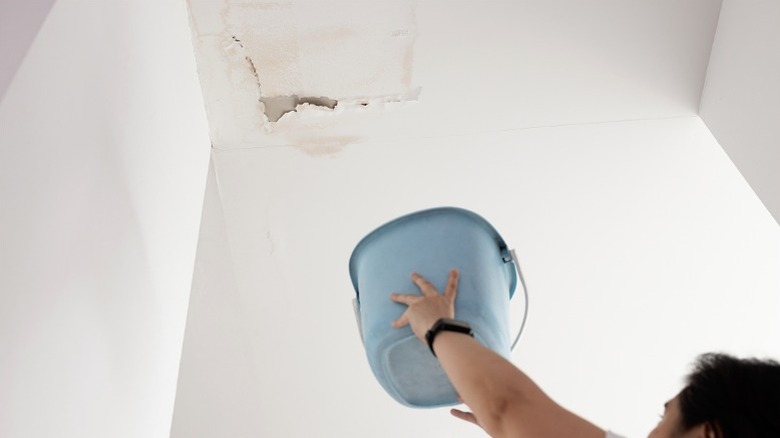
Meltwater might collect behind the blockage over the next several days. The standing water could then seep through openings in the shingles and damage your roof and attic structure. As the water refreezes, it'll expand, possibly pulling shingles loose or pushing gutters and fascia boards out of place. The expanding ice could also tear holes in roof membranes, eventually leading to leaks that show up during thunderstorms in spring. Some of the additional effects of leaking roofs include mold growth inside the home's attic and walls. Excess moisture in the attic may cause electrical issues and create a fire hazard. Ceilings and walls can show water damage from these leaks with brown stains on the drywall, bubbling paint, or sagging drywall. You might even see water actively dripping from the ceiling.
Other problems that uneven roof snowmelt can show
When you see uneven snowmelt on your roof, you might have other problems, like wasted energy from heat loss through the attic because of improper insulation. When the attic doesn't have the right level of insulation, you'll pay more to heat your home. The U.S. Department of Energy estimates homeowners can save up to 20% on the costs to heat and cool a house through adding proper installation in attics, floors, and elsewhere.
In addition to uneven snow melt on the roof, signs of a poorly insulated attic can appear as a buildup of moisture in the space. Warm, moist air from inside the house rises into the attic, where it contacts the cold part of the interior of the roof deck, creating condensation. With condensation in the attic, you may notice moisture on wood, windows, and elsewhere. Metal pipes and similar items in the attic could develop rust.
To fix the issue with patchy snowmelt on the roof and related problems, you might need to take steps to ensure your home insulation is performing at its best. Call a professional for an attic inspection. You or the pro can remove old, ineffective insulation and add new materials that fit your climate and home's design. Sealing the attic's unwanted air gaps around furnace flues and vents will also reduce the chance of seeing these issues.