

Snow Blower Not Starting? Here's Why (And How To Troubleshoot It)
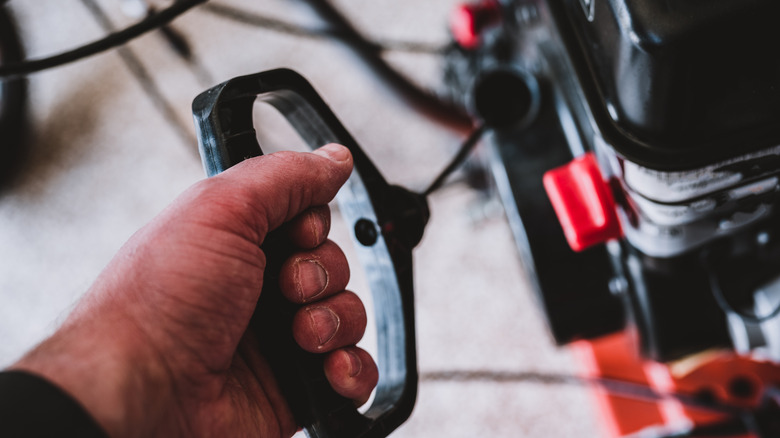
If you live in an area where snow and cold weather are common in winter, a snow blower might be one of the most important tools you own. It makes clearing the white stuff from driveways and sidewalks easier and faster than using a shovel. However, because you will likely only use this tool every few weeks and may need to operate it in brutally cold weather, it can be difficult to start a snow blower, leading to significant frustration. Alongside the various maintenance tips to extend the life of your snow blower and keep it running smoothly after periods of being idle, you'll eventually need to know ways to troubleshoot if your equipment won't start at all.
One of the most common reasons a snow blower won't start is a clogged carburetor. The carburetor in the engine of a piece of outdoor power equipment mixes air and the fuel in the right concentrations to operate the machine with the least amount of fuel used. Only gasoline engines make use of a carburetor to mix the fuel. You should clean the carburetor as part of regular maintenance, performing a full cleaning of it after each winter season. Keeping it clean provides the most consistent engine performance from year to year while enhancing the lifespan of the machine.
Recognizing signs a snow blower's carburetor needs cleaning

When your snow blower won't start, several causes are possible. You might have old, stale gas, a worn-out spark plug, a dirty air filter, a damaged fuel line, or a clogged fuel filter. You could even have a broken ignition system. Perhaps low temperatures have thickened the oil in the machine, making it harder to start. However, a clogged carburetor is a very common reason for a snow blower that won't start.
The most common sign that you need to clean the carburetor is if you know that you left stale fuel in the snow blower engine. Leaving old gas in the machine is a common fuel mistake that keeps the snow blower from working its best or even starting because it can cause a clogged carburetor. Gasoline begins degrading within one to three months of sitting idle in the snow blower's fuel tank. The hydrocarbons in the fuel evaporate as it sits idle, leaving a tacky substance behind that creates blockages in the carburetor.
In addition to a snow blower that won't start, another sign that you may have old fuel in the snow blower that could be gumming up the carburetor is if the machine starts but then runs roughly and dies after several seconds. While the machine runs roughly, it may blow black smoke out of the exhaust when the carburetor is clogged. If the snow blower runs for a while but then sputters out (and doesn't start again once the engine is warmed up), it often means the carburetor needs cleaning.
Steps required to clean your snow blower's carburetor
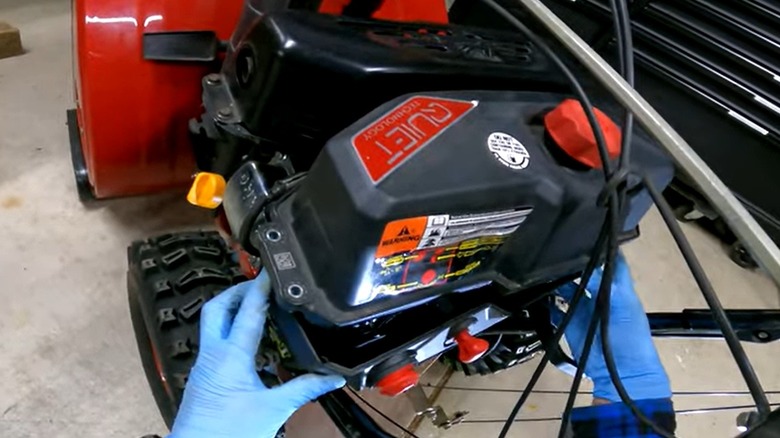
Cleaning a snow blower's carburetor is similar to how you might approach cleaning your lawn mower's carburetor. The carburetors used in these two machines have similar designs, and some parts may even be compatible between the two. To work on the snow blower carburetor, you'll need tools like screwdrivers, wrenches, and pliers. You'll want to first disconnect the spark plug wire. Then, clamp and remove the connected fuel line. Pull the carburetor assembly away from the engine, and use a carburetor cleaning solution on it. You can submerge the entire mechanism or the individual parts in a bowl filled with the fluid or use a spray. After cleaning the parts or the entire structure, rinse with water. After everything dries, use a can of compressed air to blow any remaining debris away. Reassemble everything, and see if the snow blower will start.
If cleaning the carburetor doesn't make the snow blower start normally, you might need to completely replace it. Professionals who do small engine service and repair will often offer carburetor cleaning and replacement services if you're not comfortable doing this kind of work yourself. If you don't want to fully disassemble and maintain it on your own, you could try adding a fuel stabilizer treatment to the gas tank to see if it will start without a full cleaning. You'll probably still want to have a pro clean and maintain the carburetor after winter, but using a stabilizer might buy you some extra time between cleanings.