

Why Potential Homeowners May Want To Consider Buying A New Build In 2026
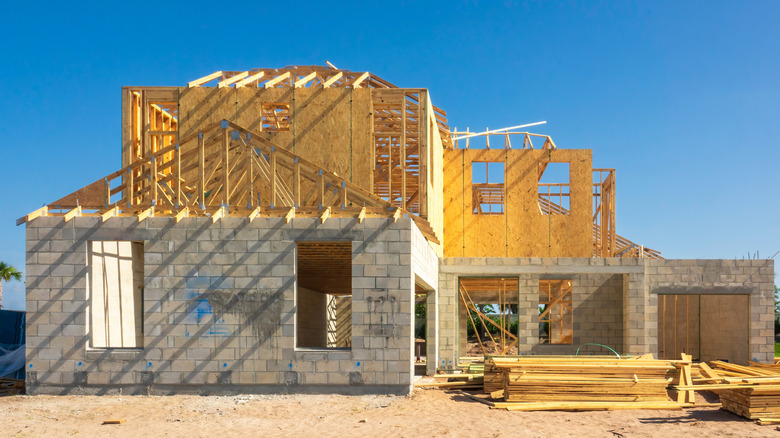
What many have viewed as a housing shortage in recent years has really been more of a market gridlock. In 2025, this gridlock caused the housing market to struggle with nearly 30-year lows in sales. Several factors have led to this stalemate, including skyrocketing home prices and an ever-widening gap between income and housing costs. However, with a glut of new builds on the market and the future of affordable housing hanging in the balance, it seems like the scales are finally tipping toward buyers. There are growing indicators that 2026 could be the year for potential homeowners to consider purchasing a new build.
Right now, there's a bigger gap in the housing market than we've seen in years, and potential home sellers are still reluctant to trade in their low interest rates. With fewer buyers able to afford a house and others waiting for lower interest rates, homebuilders are in a tight spot. The housing market can't thrive unless something gives, but with the affordability gap and home sales down for the past three years, the average new home is worth about 5% less than its purchase price. Current housing market conditions are unfavorable to sellers, and some nationwide homebuilders are even cutting the price of new builds by 10% to make them more affordable. By offering incentives, deals, and rate buy-downs, homebuilders are trying to make it more enticing for buyers.
Why 2026 may be the best time to buy a newly constructed home
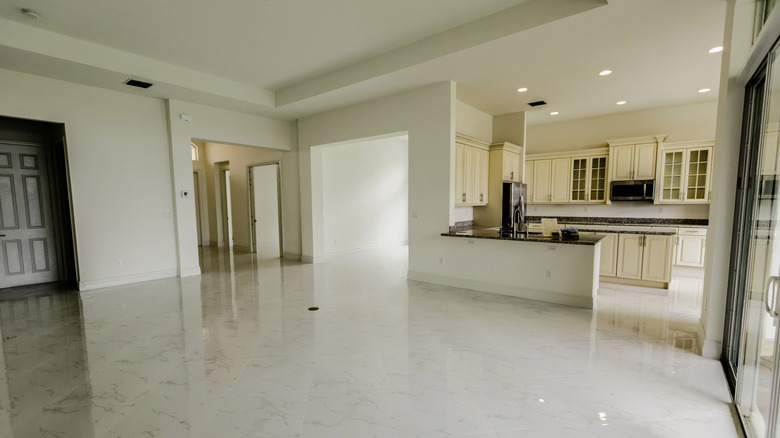
In any market, the forces of supply and demand eventually work to balance out the playing field. However, with U.S. homeowners in many regions needing a six-figure income just to afford a home, the problem isn't supply, but rather the scarcity of affordable options. If homes are simply not affordable for most buyers, there's no demand for them. As Realtor.com's Senior Economist Joel Berner explained in a recent market analysis, "The biggest source of pressure on builders, which is also the main thing holding back the resale market, is weak buyer demand." He went on to further explain, "Stubbornly high mortgage rates combined with the rising cost of living and heaps of economic uncertainty are making would-be homebuyers reluctant to purchase and more demanding of bargains."
While the performance of regional markets varies, inventory levels for some homebuilders are at their highest point since 2010. At the same time, builders are also facing challenges like tariffs on lumber imports and labor shortages. "In response, builders are cutting prices and offering attractive buyer incentives to entice home shoppers to choose them over sellers of existing homes," Berner notes. "This is great news for buyers who can find exceptional deals on newly built homes right now, but it is also likely an indication that new construction activity will slow down in coming years as builders' profit margins get squeezed even further." With future shifts like these expected and a strong indication that housing market reform is likely to be a priority in 2026, there may be no time like the present to buy a house and enjoy the benefits of a new construction home.