

Storm Drains: Who Is Responsible For Maintenance When It's On Your Property?
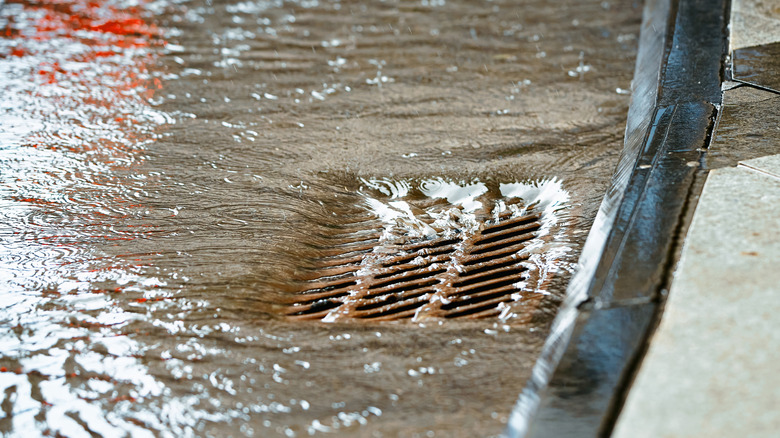
Regardless of whether they're installed in residential or commercial areas, storm drains are vital for minimizing soil erosion, reducing flooding, and protecting water supplies from potential contamination. However, when storm drains fail, the problems can pile up. You might notice storm water is wreaking havoc on your yard, leaving the grass covered in debris or even creating sinkholes. Some hidden signs of problems with the storm drain include pooled water, indicating deeper clogs and sinking soil in areas with broken underground pipes. When they're in areas with vehicular traffic, the asphalt or concrete around them may crack or cause displaced grates. Standing water could further erode the cracked concrete and asphalt, quickly worsening the problem.
If a broken storm drain is causing damage to your home or property, it needs immediate repair, usually from professionals. You can do annual cleaning and maintenance on storm drains to ensure they're ready to work and prevent damage during heavy rain. But who has to pay for any maintenance and repairs? It depends on the drain's location and the service it provides. If it is on a public road and is designed to move pooled rain out of the street, government entities should maintain and repair it. If it's a private storm drain near your home or driveway designed to serve your property alone, it's your responsibility.
Determining whether a local municipality is responsible for maintaining a storm drain is easy most of the time. Drains located on a public street, in the public right-of-way, on public property (like a park), or that connect to city sewer system under the street are the responsibility of the municipality. Drains that are on property of a government building — even if they are very close to your boundary line — are the responsibility of the public entity.
Your responsibility for public storm drains on your property
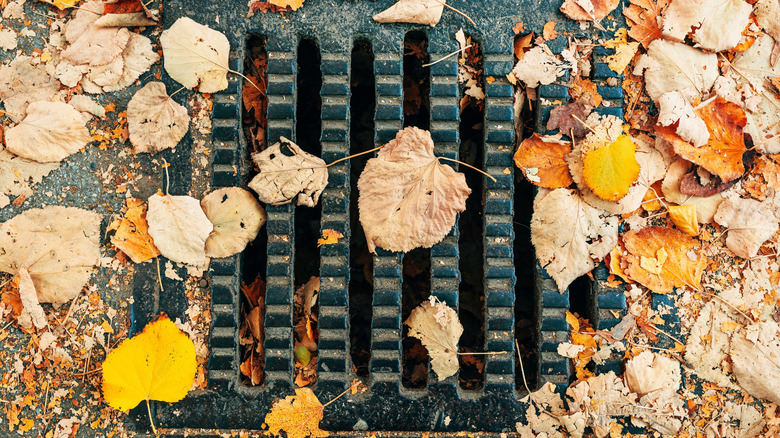
Most properties need some form of storm water drainage solution to prevent overflow in the yard or, even worse, the home. Some residential properties may contain a storm drain that is actually a publicly maintained drain, though. This would require an easement that's part of the property, where a formal agreement states the public entity controls the area for maintaining the components of the storm drain. The property owner retains ownership of the ground that's in the easement.
If the property owner has any obligations for maintenance of the area near the drain, it would be specified in the easement agreement. The owner might have to remove leaves or other debris that could clog the grate over the storm drain, for example. The owner might have to mow around the area, too. Such easements are usually a permanent part of the property. When you purchase a home that has a storm drain easement, you cannot cancel the easement when taking control of the property or obstruct the drain in any way, a critical mistake to avoid when building a fence or other structures near it. Most city codes prevent property owners from installing anything that covers the easement area.
Determining when you have a private storm drain
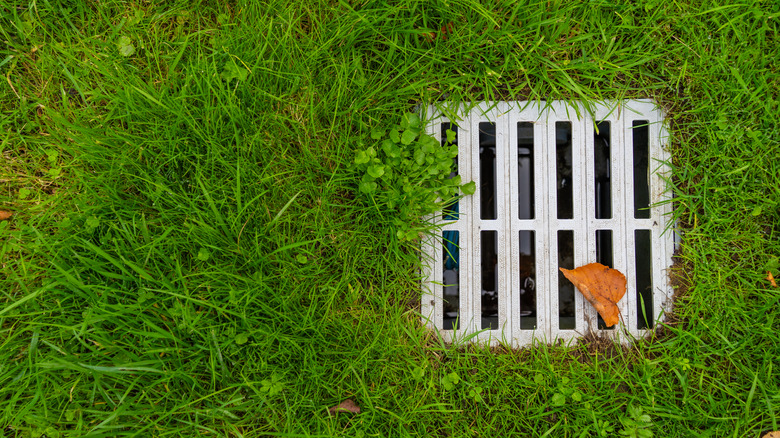
If the storm drain in question is on your property and connects to a drainage system that only serves your property, you are almost certainly responsible for maintaining or repairing it. You could try to do this work yourself or call a professional experienced in outdoor drainage solutions to perform inspections, maintenance, and repairs. You might have a private storm drain under a gutter system near your house. The underground drainage system might then carry water away from the house toward the street, where it can flow into the municipal sewer system. Even if it directs water toward the city sewer system, you must maintain this type of private storm drain.
If you aren't sure whether the storm drain on your property connects to a public sewer system or is covered by an easement that requires the city to perform the primary maintenance on the structure, the deed to the property should provide the details. Should your storm drain be part of a private system, there would be no easement needed. As an added source of information, when you buy property, the seller is normally required to disclose any easements that exist. If you still aren't sure about who is responsible for maintenance, the sewer division or the department of public works in most cities should be able to tell you if a storm drain on your property has an easement associated with it.