

15 Common Household Items You Can Repurpose To Grow Plant Seeds
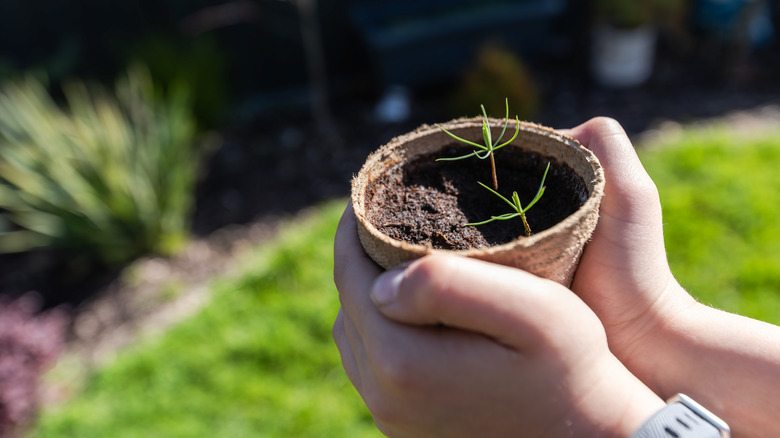
Many gardeners often start seeds indoors to get a head start, especially in places with a short outdoor growing season. Indoor-started plants often also produce earlier harvests than those sown directly in the ground. But to start seeds indoors, you need a way to plant them, and not everyone has a seed-starting kit lying around at home. Luckily, though, you can repurpose many common household items to grow seeds. Egg cartons, yogurt cups and containers, toilet paper rolls, eggshells, and even ice cube trays can all double as indoor seed starters.
Seeds themselves aren't picky about what they are planted in. Whatever you repurpose for growing seeds only needs to fulfil two criteria: it can hold seed-starting mix and has good drainage. Good drainage is essential at this stage. Without it, seeds will struggle to germinate, and even if they do, they probably won't survive. Before starting seeds in your upcycled container, it is important to clean and sanitize it to prevent any fungal or disease issues.
Egg cartons
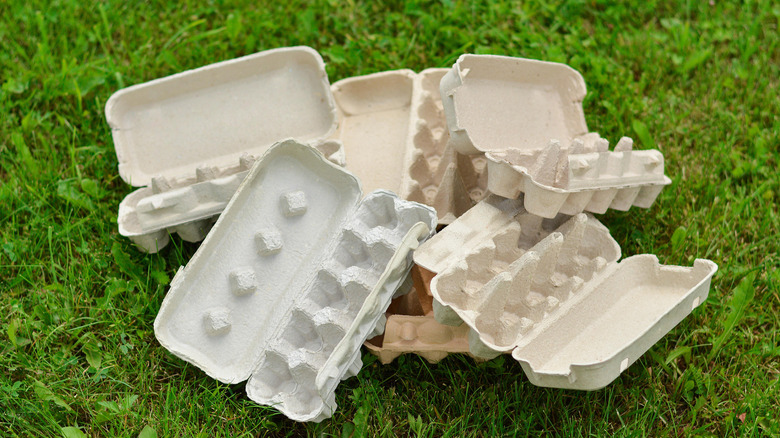
Nearly every household has egg cartons lying around, and they are great for starting seeds indoors. More often than not, they are the right size for growing many vegetable and flower seedlings. All you have to do is poke some holes in the carton's bottom to allow for drainage and then fill it up with a seed-starting mix. You can then just sow the seeds and put the carton inside a shallow tray to catch excess water. And, with cardboard egg cartons, you can put them directly in the ground when it is time to transplant.
Yogurt containers
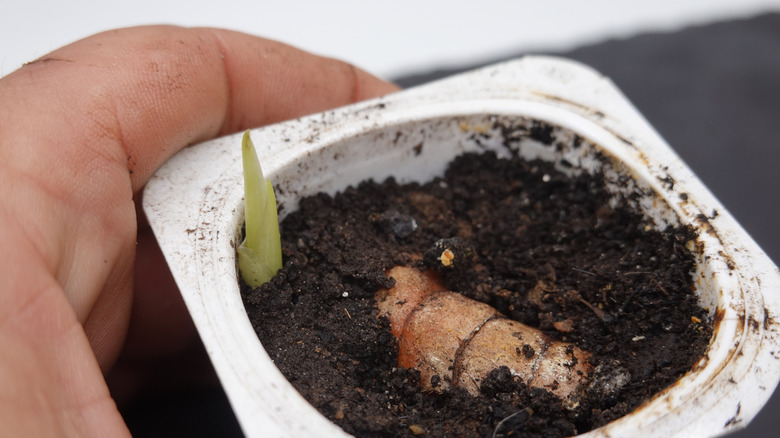
Many kinds of plastic containers, like yogurt cups, can be turned into a cheap seed-starting kit. Start by gathering some yogurt containers and make sure you wash and dry them thoroughly. Then, puncture some holes in their bottom from the inside to ensure good drainage. Then fill the containers with a quality seed mix and plant the seeds. The soft plastic of these containers also makes it a breeze to take out seedlings when it is time to transplant.
Toilet paper rolls

Growing plant seeds in used toilet paper rolls is another great way to avoid spending money on seed-starting kits. There are two ways you can do it. You could either leave them as tubes and set them in a large tray to grow the seeds, or you could cut the bottoms into flaps and tuck them under to create a solid base to hold the soil. If needed, you can also use glue to hold the flaps together. Or, if the toilet rolls feel too deep, you can just cut them in half to create two planters.
Cupcake liners
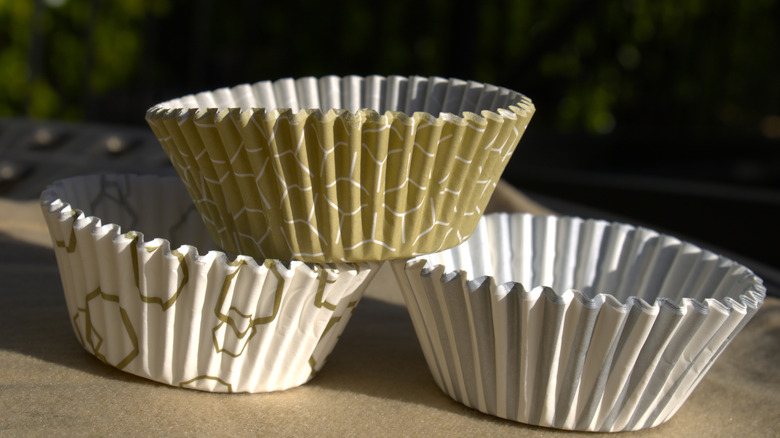
If you like to bake, you might have extra cupcake materials like tins, wraps, and liners hanging around. With a bit of creativity, you can turn them into seed starters. Even if you don't have them at home, they are easy and inexpensive to find at most stores. If you're planting in used materials, make sure to remove any residual cake or frosting, then carefully fill them with soil. Next, place the seeds in and cover them up with a bit of soil. Moisten the soil and watch your seedlings grow.
K-Cups
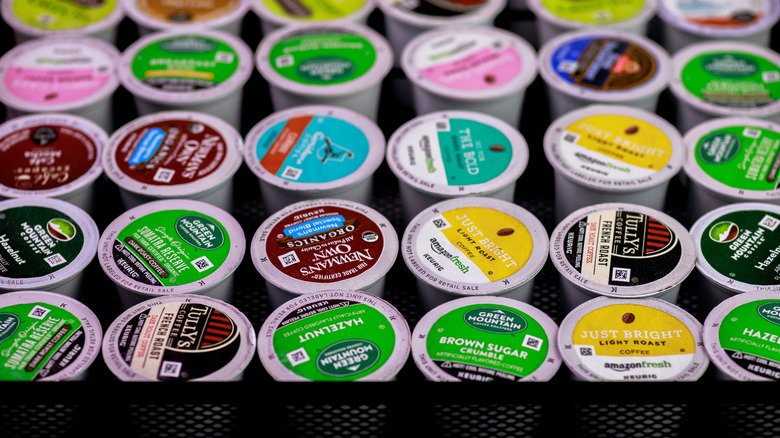
K-Cups are single-serve coffee pods explicitly made for use with Keurig brewing machines. So, if you drink a lot of coffee, make sure to save your K-Cups. You can use them later to grow plant seeds. Start by removing the foil top of the K-Cup, as you won't need it. Then throw out the coffee grounds or put them in the compost. Next, remove any residues inside, and fill the K-Cups with the soil. Just make sure the mesh at the bottom doesn't get ripped during the whole process. Then plant the seeds, and you are good to go.
Citrus peels
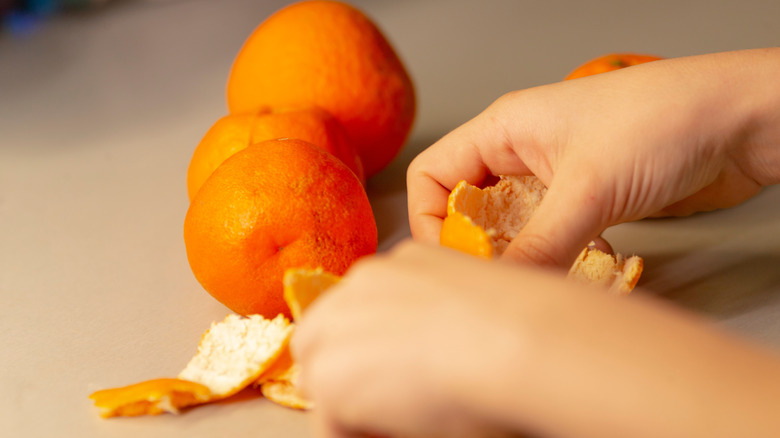
If you somehow end up with a bunch of citrus peels and you are wondering if there is any way you could repurpose them, growing plant seeds in them should definitely be on your list. It doesn't get much greener than this. Just make sure to get rid of any flesh and seeds from the peels and then fill them up with the soil. It might also be a good idea to poke two holes in the bottom of the peel for drainage.
Newspaper
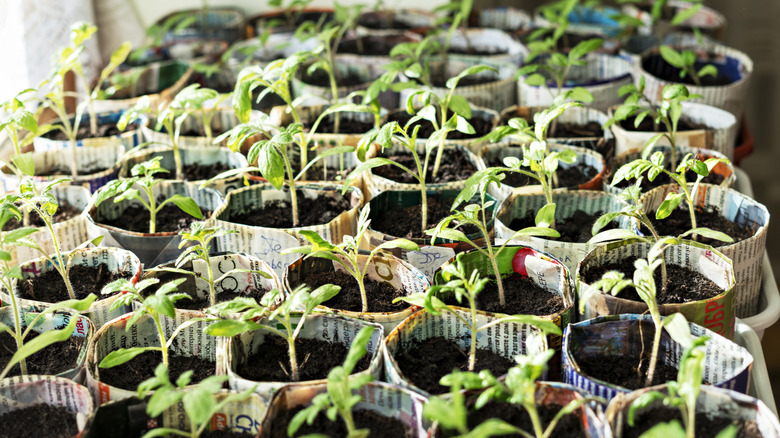
For those who still enjoy newspapers, recycling them into seed planters can be a fun task. All you need is a few strips of newspaper and a bottle, which you can use to turn the paper into a cup. Keep the newspaper strips tight when wrapping them around the bottle, then pull the bottle out and fold the newspaper at one side to create a closed end so it can hold the soil. The good thing about newspaper seed planters is that they are biodegradable, so you can put them in the ground along with the seedlings when it is time to transplant.
Plastic bottles
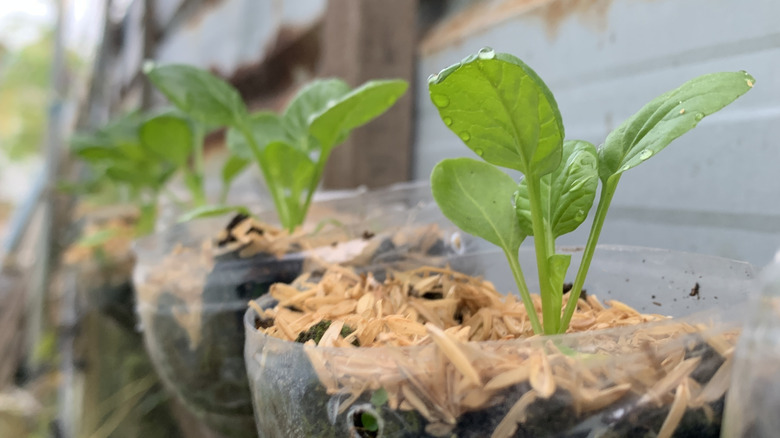
While this seed planter won't get you any points for style, using old plastic bottles to grow plant seeds can still be a neat way to cut down on household waste. Begin by cutting the bottom half of the bottle so you are left with about three to four inches when you are done. And if you feel like getting fancy, you could always add a ribbon, some lace, or anything else for decoration to make your plastic bottle seed starters a bit fancier. Then add the soil and seeds.
Ice cube trays
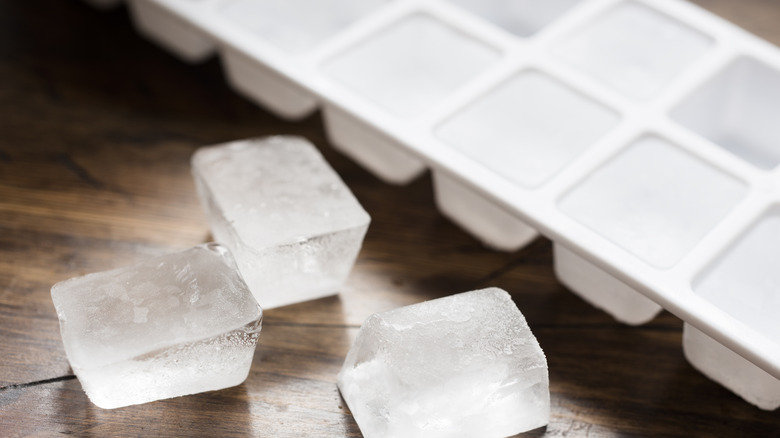
If you recently installed a new fridge with a built-in ice dispenser and no longer need the ice cube trays, don't throw them out just yet. You can always turn them into seed planters. While this method is not as eco-friendly as some other options on the list, since ice cube trays are often made of hard, non-degradable plastic, it is still a nice way to cut down on your plastic waste. The only problem will be drilling holes in their hard plastic, but if you know how to use a drill, it shouldn't be an issue.
Takeout containers
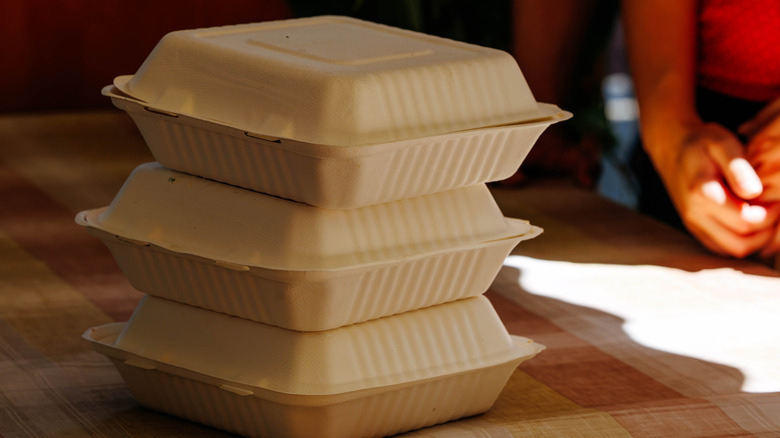
Next time you order takeout, make sure to save those containers. They make really handy seed starters. All you need to do is take a food container, something that is neither too shallow nor too deep, and clean it thoroughly. Then poke some holes at the bottom for drainage and fill it with sterile, clean seed-starting soil. Some of these containers already have holes at the bottom. So, you might not even need to do that. You can keep their clear plastic lids on in case you want to create mini greenhouses for your seedlings.
Eggshells
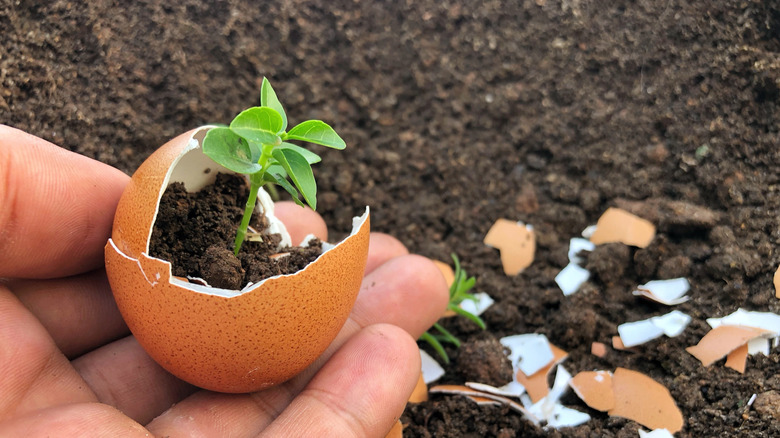
If non-degradable options don't appeal to you and you don't want to use those plastic takeout containers, here is another eco-friendly, biodegradable option: eggshells. However, they need a bit of preparation. Start by cracking the egg from the pointy end and keep as much of the shell intact as possible. Then, take out the raw egg, cook yourself breakfast, and wash the shell with warm, soapy water. If you can, boil the shell to kill any bacteria. Just be careful and don't let the shell break. Then, fill the shell with soil, add the seeds, and that's it.
Milk jugs
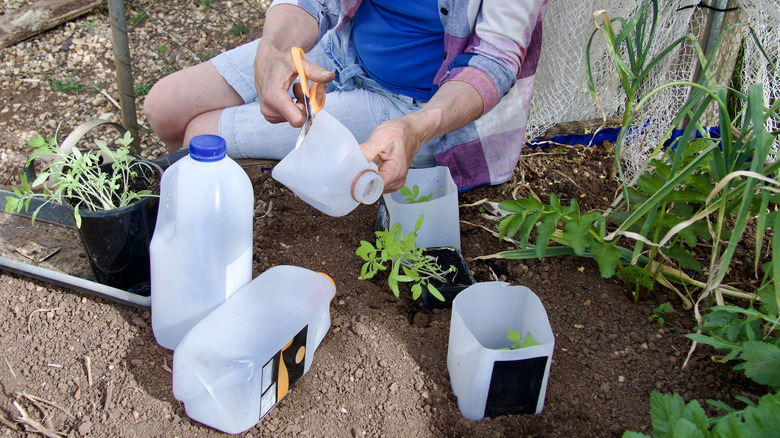
Old milk jugs are another excellent option for growing plant seeds if you have extras in the recycling bin. Just take a milk jug and use a box cutter or a sharp pair of scissors to cut it right below the handle. Don't separate the whole top, though; leave it connected to the jug so it can serve as a lid in case you need to cover your seedlings. Of course, you can fully separate the top as well — it is totally up to you. Cut some drainage holes at the bottom, and it is ready to go.
Metal cans
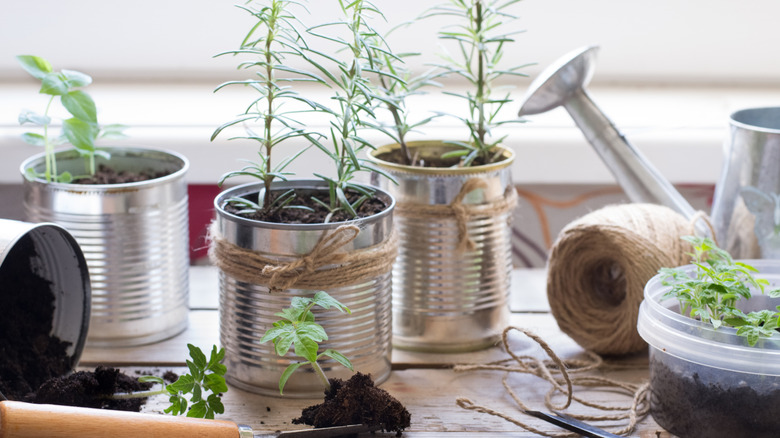
Metal cans make good options for starting seeds. Just make sure that the can you are using is free of rust and is properly washed before use. Then remove the top lid of the can using a can opener. A double-wheel can opener usually works great for this. Once the lid is gone, make sure there are no sharp edges that could injure you or damage the growing seedling, then drill some holes at the bottom for drainage. You can use any type of can for this DIY home project: soda can, food can, and so on.
Glass jars
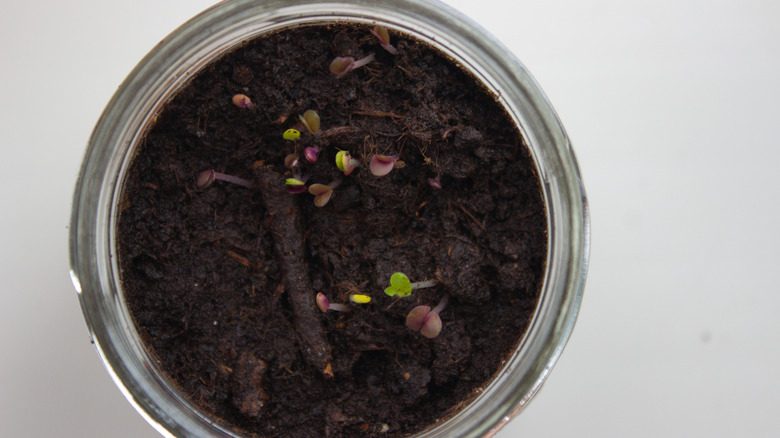
Glass jars also work for starting seeds. They act as tiny greenhouses, retaining heat and moisture and providing seedlings with the conditions they need to thrive. Just make sure that you wash the glass jar properly before use to get rid of any residue. To make it more stylish, wrap a ribbon around the glass jar to match your decor, which you can also use to label the plant seed growing inside. Place some pebbles at the bottom for drainage and water carefully.
Paper coffee cups
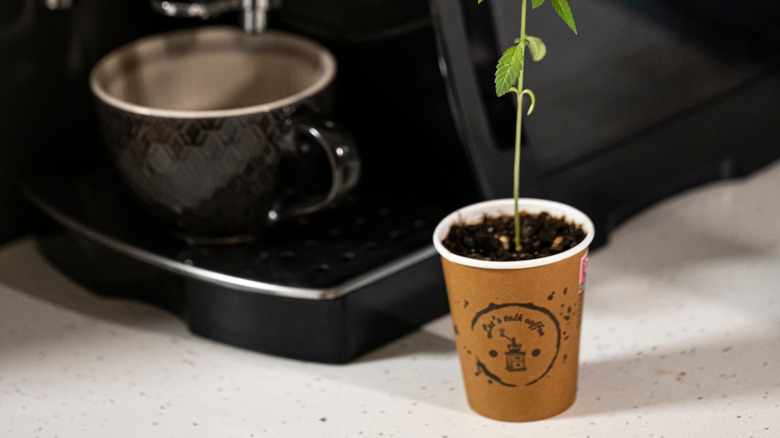
Paper to-go cups from coffee or tea runs can also be turned into seed starters. And if you have your own at-home coffee station, just raid a trash can. Start by washing the cup carefully to get rid of any liquid residue and then let it dry. Once dried, cut a few holes at the bottom for drainage, and fill the cup with a good-quality seed-starting mix. Just don't put the cup into the ground when it is time to transplant; they often have a waxy coating on top that prevents them from decomposing.