

What's The Fastest Way To Grow A Rubber Plant? Follow These Tips
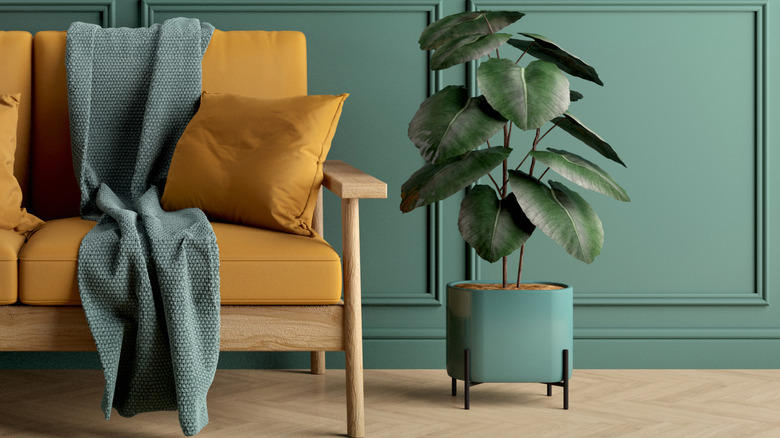
Rubber plants make great starter plants for beginner gardeners. They are easy to care for and can thrive and perform well across a range of conditions. However, what really sets them apart from other plants is their thick, glossy leaves and a bold, indoor-tree shape. They instantly elevate any indoor space. But what if your rubber plant is growing slowly? Well, chances are you are not providing it with the right growing conditions. It could be anything from low light availability to cold soil conditions. Fix that, and your rubber plant will grow fast. Maybe as much as two feet in a single season and as large as ten feet total, if you have sufficient space indoors.
However, keep in mind that it is not always the growing conditions that are to blame for the slow plant growth. A small-sized pot could also be the culprit. If the pot is too small, it will limit the plant's growth. So, your rubber plant might become wilted, show stunted growth, and even produce fewer or smaller leaves. So, make sure you choose the right container for your indoor plants and provide them with the right conditions if you want them to thrive and grow fast.
Optimizing Light and Water for Fast Rubber Plant Growth
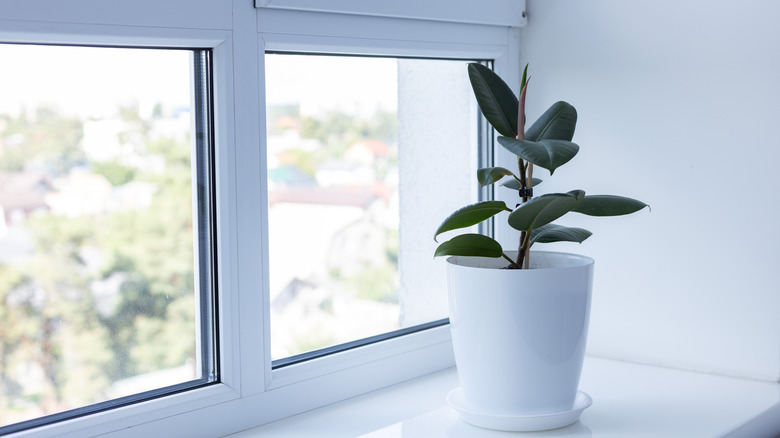
Even though rubber plants are well adapted to low light, they still prefer bright light. In low-light environments, they might lose their leaves or become leggy. In addition, low light can also impact the variegation on their leaves. For best results, place your rubber plants in a spot that gets bright, indirect light for at least six to eight hours a day.
A bright east-facing window is a good option. However, if natural light is not enough to meet your plants' needs, you can also consider installing artificial grow lights. As for watering, rubber plants like the soil to be moist but not soggy. Also, if the soil dries out, it can slow the plant's growth. So, make sure to check the potting soil regularly to see if your rubber plant needs a drink.
A simple finger test is usually a good way to tell if your rubber plants need water. Insert your finger into the potting mix, and if the top two to three inches feel dry, water thoroughly. Then wait for the soil to dry before watering the rubber plant again. It's essential to make sure the pot you are growing your rubber plant in has drainage holes so excess water can drain away.
Getting the Soil, Temperature, & Fertilizer Right
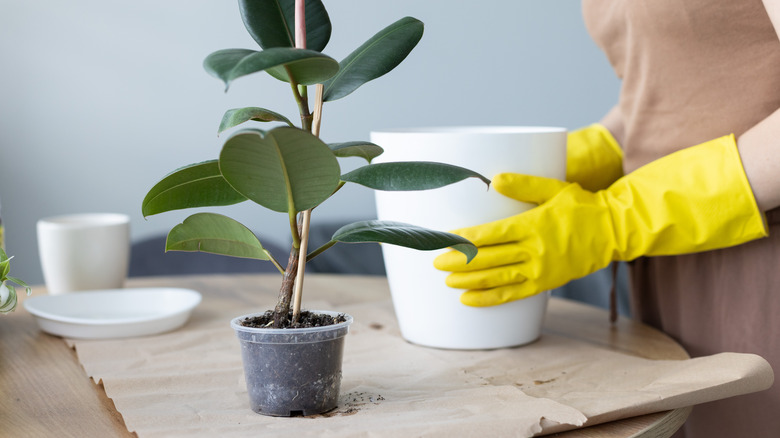
For best results, grow your rubber plants in a well-draining houseplant mix. Also, make sure it has the right pH, too. Rubber plants thrive in slightly acidic soil with a pH of 5 to 6. Maintaining soil pH is important because it directly influences how roots absorb nutrients from the soil. A disrupted soil pH can lock specific nutrients in the soil, slowing the growth of your rubber plants. There are many home-based soil testing kits you can use to assess this easily at home.
A soil test will also tell you whether your rubber plant is experiencing any nutrient deficiencies. Regarding nutrients, rubber plants should be fertilized with a water-soluble, general-purpose houseplant fertilizer regularly during the active growth period. A balanced fertilizer, such as one with a 20-20-20 NPK ratio, usually works best for foliage plants like rubber plants.
And lastly, make sure your rubber plants are growing at the right temperature. Do not let their surroundings drop below 55 degrees Fahrenheit, and keep them away from cold drafts and sudden temperature drops. A temperature range of 75 to 80 degrees Fahrenheit during the day and 60 to 65 degrees Fahrenheit at night is where they will grow the best.