

What Is An Appropriate Amount To Pay For Landscaping In 2026?
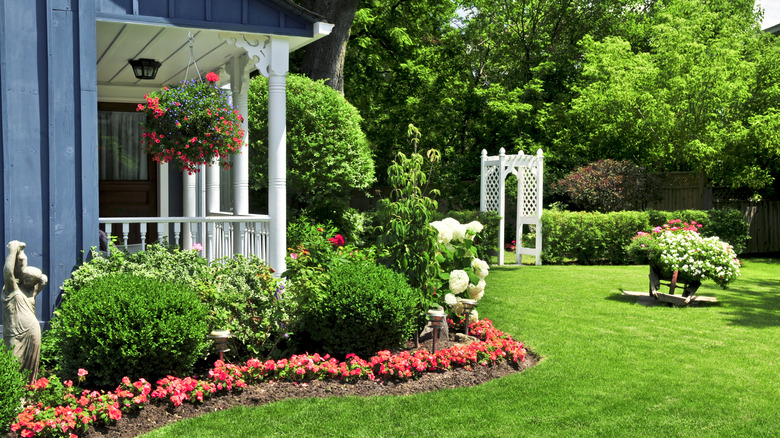
So you want to upgrade your lawn but have absolutely no idea where to start. Can you even afford it? Will you be able to keep up with the maintenance of a newly redone yard? You don't want to end up with landscaping upgrades that are a big waste of money, and are worried that projects like this have a way of getting out of hand, with one expense after another popping up that you aren't prepared for. So what can you realistically expect to pay for landscaping in 2026? Let's talk about how much it might cost, some hidden expenses you may not know about, and how to save some money on the way to improving your yard.
According to data from Lawn Love, the national average cost of landscaping is $4.50 to $17 per square foot, with major work costing up to $40 per square foot. Basic services like lawn mowing will fall on the lower end of the spectrum, costing $50 to $250 depending on the size of your lawn. A more mid-level project like sprinkler systems or land grading will run closer to $1,025 to $3,550. High-end additions, like in-ground pool installation, can run over $25,000. Anything you have custom-made will increase the cost as well. In addition to the square footage-based costs, which includes the price of materials and things like mulch or sod, landscapers usually charge a per hour rate for their labor. Labor is usually $50 to $100 an hour per landscaper or up to $150 an hour for a landscape designer or architect.
Hidden costs of landscaping you might not know about
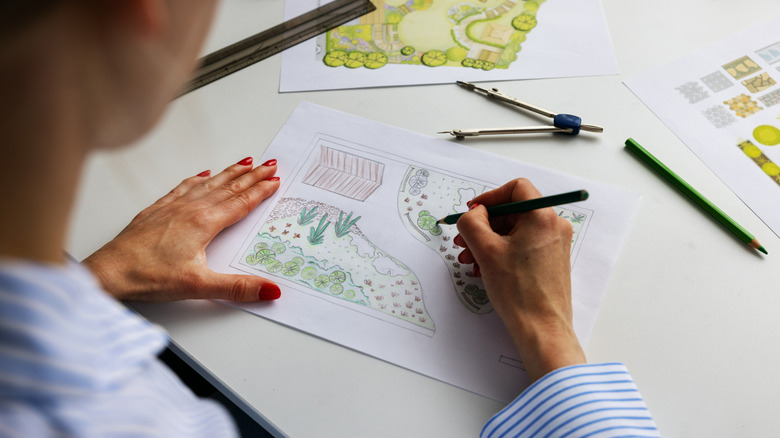
Unless you're a landscaper, you might not know of all the hidden costs and details that go into a project. For example, some projects, like lawn re-sloping or fencing over a certain height, may require a permit, which can cost upwards of $700. If you aren't sure exactly where your property lines are, which is important to know before planting or building anything, you'll need a land survey. That can cost another $310 to $750. Sometimes there are demolition, debris or tree removal services needed before the new landscaping can start. Those services cost between $385 to $15,000. Land grading to improve uneven ground and drainage systems are also additional costs that might occur before new landscaping begins and will cost between $650 to $11,000.
Of course, once the landscaping project is complete, you'll also need to budget for maintenance costs. This will vary depending on how extensive your project is. Basic upkeep, like lawn mowing or tree trimming, can cost between $40 to $1,800 per job. Or you can hire a landscaper to handle your maintenance on a regular basis for about $50 to $100 per hour. One way to decide if you should install a pool in your backyard is to consider the cost of pool maintenance, which is an average of $235 per visit, depending on the size of your pool and how frequently you have it serviced.
How to save money on your landscaping project in 2026
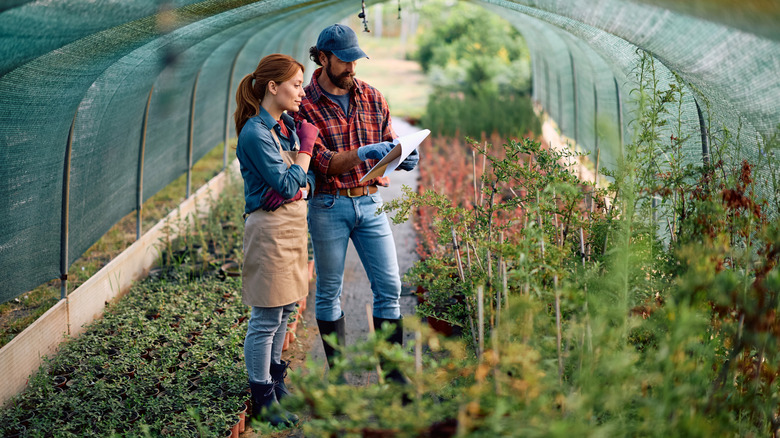
If you want to save some money on your landscaping project, there are some key things you can do to bring the price tag down a notch or two. First and foremost, get quotes from multiple landscapers so you know you're getting the best price available in your area. You should also always check references before you hire anyone. Finding out halfway through your project that the landscaper has a habit of skipping town before he's finished or padding his estimates is a nightmare you can't afford. If you have neighbors or friends nearby who have gotten work done on their lawns, it's worth asking to see who they used and how they liked it.
The easiest way to save money on landscaping that you may not know about is to use as much of what you already have as possible. Saving things like healthy trees, pavers, and flowerbeds can significantly cut down your expenses. When you do need to make purchases, buy local. Materials sourced locally and native plants are usually cheaper than having to order something from another location. You can also break the project down into different parts and move in phases over time. This will help you avoid the large, upfront cost of doing it all at once and give yourself a little space to budget more effectively. Of course, doing some of the work or the maintenance yourself will also cut costs, but it's important to do your research to ensure you won't be stuck paying to correct mistakes down the line.