

Major Downsides To Consider Before Buying Used Appliances

Are used appliances the key to saving money? Whether you're replacing a single appliance that stops working or your entire suite of kitchen appliances during a remodel, you know you're about to spend a pretty penny on the purchase. It'll cost an average of $2,100 to $5,400 to outfit your whole kitchen with new appliances (via Homeguide). Even an individual appliance can be pricey. Take a dishwasher, for instance. A low-end model will set you back around $400 to $800, and a high-end model ranges from $1,200 to $3,000. With those prices, it's tempting to save money any way you can, including taking hand-me-downs or buying something off Facebook Marketplace.
Saving money is the major draw of going secondhand with appliances, but it's also important to consider the drawbacks. You're paying less upfront, but you could spend more on repairs if the appliance has hidden issues or you have to replace it sooner than expected. And that's if you find something that works — the selection can be a lot more limited, and you might have to settle for mismatched finishes or brands, sometimes without the features you really want. There are also risks involved, especially if you have to transport the appliance yourself or you get stuck with a bacteria-ridden or moldy appliance. Being aware of these common downsides of buying used appliances helps you know what to look out for, even if you decide to proceed with the secondhand purchase. Or, our list might convince you that shelling out a little more cash upfront is worth the peace of mind.
The selection of used appliances is much more limited
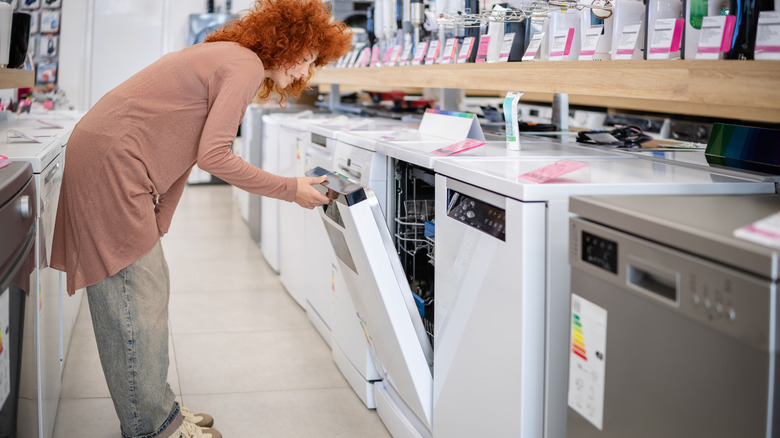
A typical appliance store has a wide range of models for every type of appliance — often over 100 different models at any given time. They might not all be in stock and ready to take home, but you can see the models on the showroom floor and order the one that fits your needs. When you choose secondhand, you're limited to what's available in used furniture stores or what you can find on Facebook Marketplace at the time. That could result in you making compromises you don't want to make, especially if you need a replacement immediately.
Going into your used appliance search with lower expectations can help. Decide what is essential for the appliance you're purchasing to make sure it'll work well for you. Then, list the nice-to-have features, brands, or other details that you would like, but can live without. For example, you might want a Wi-Fi-enabled washing machine, but saving money is more of a priority to you. If you have the luxury of time, being patient and consistently searching various secondhand outlets in your area could lead you to eventually find exactly what you want. If you're very particular about what you want, buying new may be a better option.
You don't know what a used appliance has been through
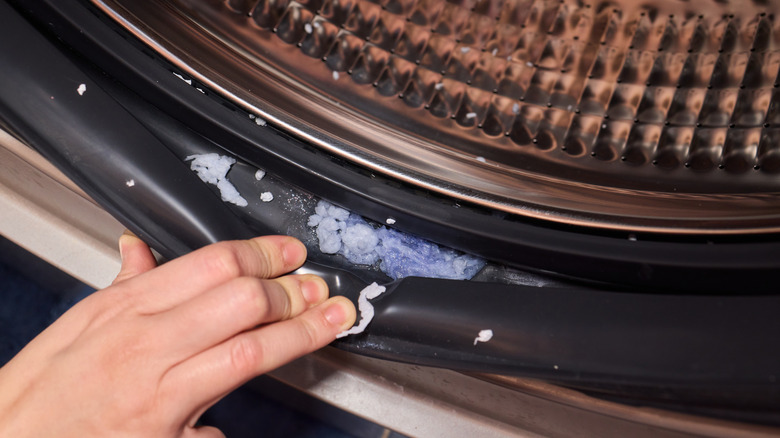
You know how you care for your appliances, but you don't know how someone else handled theirs. Regular maintenance often reduces the need for repairs and helps the appliance last longer. Unfortunately, you can't tell how well an appliance has been maintained by looking at it. Despite a pristine exterior, the machine could be hiding premature wear and tear on the internal parts, or a leaky gasket that you can't identify by looks alone. Issues like keeping the appliance in harsh conditions, failing to clean it well, ignoring maintenance tasks, and using it in ways not intended by the manufacturer can cause hidden issues.
Buying from a reputable appliance store can reduce the risks of buying a lemon. Verify that the store has a technician on staff to check out the internal components and make minor repairs. A store with an experienced staff will also be able to explain the potential risks and give you a good idea of the condition of a particular product. Do a thorough inspection of the appliance, including the gaskets, wiring, hoses, and other components, before purchasing anything used.
There usually isn't a warranty included with a used appliance

When you buy a new appliance, you could be stuck wondering which is better — warranties or protection plans? Even if you don't buy extra coverage, your new appliance generally has a manufacturer's warranty included. If you buy used, you likely won't get that choice — and you probably won't have any built-in coverage from a manufacturer's warranty. If you do receive a warranty from a used furniture store, it will likely be only a few months at most. That means you're stuck with the purchase, even if you change your mind, and you'll be fully responsible for the cost of any repairs that are needed. Since the appliance has already been used and is older, there's a higher risk of it needing repairs sooner rather than later.
Avoid buying a used appliance from an individual seller, as they won't offer any kind of guarantee. Before you start your search, check with local used appliance stores to see if they offer any kind of guarantee or warranty — they typically last between 30 and 90 days. It's also a good sign if the store refurbishes, inspects, or certifies their inventory. Even those steps won't completely guarantee your purchase long-term, so make sure you're okay with the risk.
An older model could mean you miss out on newer technology
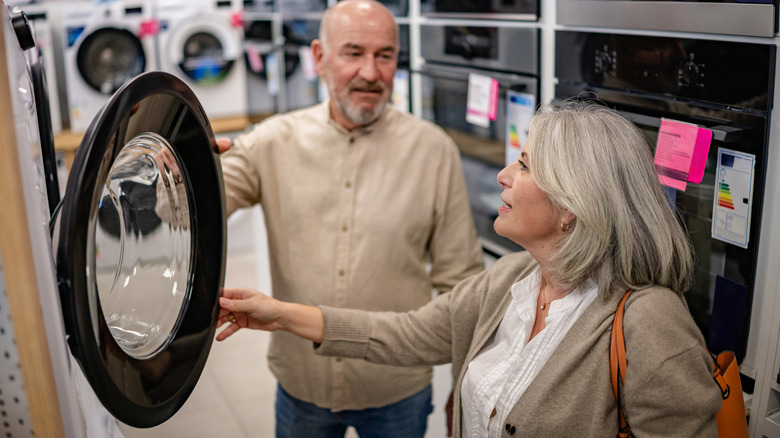
Technology advancements aren't just for your laptop or gaming system — appliances have come a long way in terms of integrating the latest tech. For example, AI is the high-tech kitchen appliance trend that's dominating. Smart appliances let you access information, change settings, start cycles, or receive alerts about progress from an app on your phone. Wi-Fi enabled models often connect to home assistant devices, like Amazon Alexa. If you're looking for those types of high-tech features, you might struggle to find them in used appliances. Even if a secondhand appliance has some upgraded features, they could rely on outdated technology.
Consider how important features like built-in sensors and Wi-Fi connections are to you before you decide to buy used appliances. While those features increase convenience, they can also increase the cost and complexity of repairs, should the electronics stop working correctly. Buying a more basic used model could help you avoid that hassle. Even if you're set on them, it's still a good idea to check out secondhand options — while high-tech models might not be as prominent, they can still pop up in used appliance shops. Having patience and visiting secondhand stores regularly could land you the technology you want in a cheaper, used appliance.
Older appliances often aren't as energy efficient as newer models

If you want to choose a more energy-efficient refrigerator, stove, washing machine, or other appliances, going used makes it more of a challenge. It's not that every used appliance is highly inefficient — you can find Energy Star appliances through secondhand markets. However, energy-efficient features evolve all the time, so newer appliances typically require less energy than older ones. If you opt for an older used appliance to save money, you could be spending more on your utility bills every month, which means the savings might not be as great as you initially thought.
When browsing used options, stick with newer models for the best chance at reducing your energy costs — avoid appliances that are more than five years old. Check for Energy Star labeling that indicates lower energy consumption. It also helps to look for specific features that might lower operating costs. On a dishwasher, soil sensors and low-water cycles are examples of features to consider. For a refrigerator that uses less energy, focus on models with the freezer on top without an ice maker and automatic defrost functions.
You won't get as many years of use out of a used appliance
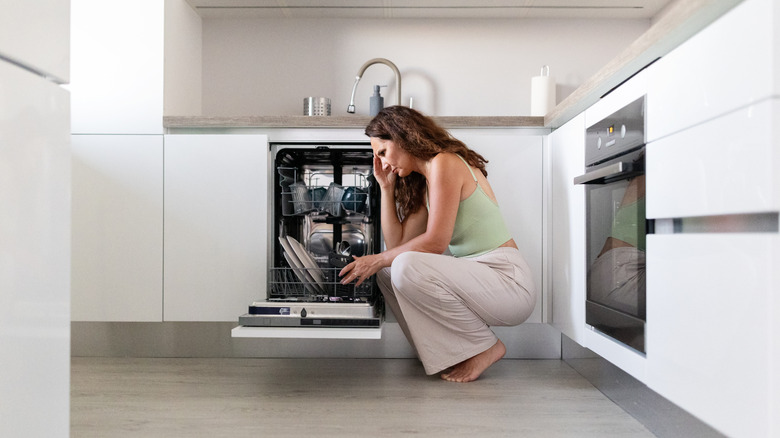
Appliances have limited lifespans — electric ranges last for 13 to 15 years, microwaves last nine years, and refrigerators usually run for nine to 13 years, for example. When you buy a secondhand appliance, the clock has already started ticking on that lifespan — the previous owner used up at least some of those years. Of course, how long an appliance lasts will vary based on its original quality and how well it's maintained. But you'll typically get fewer years out of a used appliance than you would from a new model.
It's easier to make your kitchen appliances last the longest when you start with new. However, if used is the way you want to go, look for models that are only a few years old. The closer the appliance is to its typical lifespan, the less likely it is to last long in your home. Before you start searching for used replacements, find out how long each appliance you plan to buy lasts on average. Then, ask the age of each model you're considering buying, so you can get an idea of how much time it has left.
Used appliances often mean more repairs and performance issues
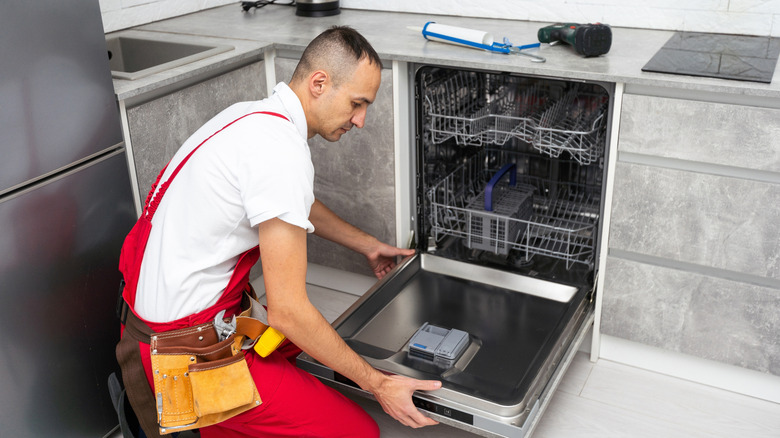
Even if you master at-home appliance repair, you don't want to put those skills to use very often. But you might have to use them sooner than later — or call a repair service to the tune of $50 to $150 per hour — if you buy used appliances. Older appliances, especially if they haven't been inspected and refurbished, could be closer to a repair than you expect. This downside goes back to the issue of not really knowing what you're getting. The appliance could have hidden issues that require a repair or replacement parts soon after buying it. You usually don't have to worry about repairs with a new appliance for a while unless there's a defect.
There's really no way to avoid repairs completely when you're buying used. It helps to research and inspect the model thoroughly before buying it secondhand. While you're researching, find out how much common repairs for that appliance typically cost. For example, refrigerator repairs average $400, but could range between $200 and $500. Consider how much you're saving by buying the appliance used to determine if the savings is worth it should you have to call for repairs.
Buying from an individual could put you at risk of scams

Some people use Facebook Marketplace as the ultimate furniture and appliance shopping tool, but it — and other platforms that let you buy from private sellers — can also expose you to risks. Sellers might lie about the condition of the appliance or make it sound more appealing than it really is. In some cases, they may not realize that the machine is in poor condition, has hidden damage, or needs repairs. You could spend money on an appliance that's on its last leg. Online scammers could use bait-and-switch techniques or convince you to pay in advance and then never produce the appliance, all to take your money.
Sticking to reputable used appliance stores lowers your risk, because you're buying from a physical location. Appliance retailers often inspect the used machines they receive and give you as much accurate information as they have available about what you're buying. If you buy from an individual through an online marketplace, watch for signs of scams, such as an unbelievably low price, a lack of real photos, and posts from spam accounts. Always wait to pay for the purchase until after you've inspected the appliance in person.
Used appliances might not match your existing appliances

Remember when we said the selection is limited when it comes to used appliances? That could create another issue: mismatched appliances. You might only find a white stove that checks all of the boxes when the rest of your kitchen appliances are stainless steel. Even if you're replacing all of your appliances at once (or are buying a new washer and dryer at the same time), there's no guarantee you'll find a matching set at a used appliance store. While you might be able to find a set with the same finish, you may have settle for different brands or models from different lines. Choosing the wrong color or having mismatched finishes is a kitchen appliance mistake that's hurting your home's resale value, and it often stands out and makes your space look less put together.
Matching your appliances is often important in the kitchen where everyone will see the machines. It might not be as big of a deal in a laundry room that's hidden behind a door. Start by deciding if saving money is more important to you than having a perfectly matched set of appliances. If it's not, a set of new machines might be a better fit for you. Think about how much variation you're willing to endure if you're okay with some differences. Is a different brand with the same finish acceptable, or do you want all of the appliances to be the same brand? If you don't need to replace all of the appliances immediately, you could buy the components as you find them — it'll take time and patience, but you may eventually be able to piece together a complete set of matching used appliances.
The purchasing process could take longer and require more work

A lot of time-consuming work, from research to negotiation, goes into buying used appliances. There's some degree of research to any appliance purchase — knowing the most trustworthy and reliable appliance brands helps you choose a machine that is likely to last and work consistently, for instance. But you often have to do more digging on used models. Even if you find a refrigerator from a reputable brand, it might be from a discontinued line that had major design issues — you'll likely only know that if you investigate that specific model. Since the selection is limited to what the store receives, you may need to go to multiple stores or make repeat visits until you find the inventory that matches your needs. With a new appliance purchase, you can see all of the options immediately and order the one that fits your needs the best.
Your time has value, so determine how much time you're willing to commit to hunting for used appliances. If saving money is the priority, putting more time and effort into the process may be worth it to you. Go into the process knowing it will take time. Some people prefer to maintain their free time — if that's you, buying new could be a time saver.
You may need to transport and install the appliances yourself
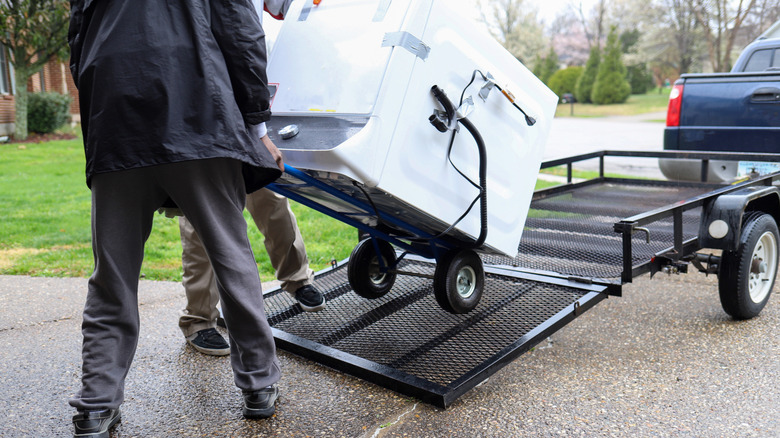
When you buy your appliances new, you typically have the choice between appliance delivery or self pick-up. Having heavy appliances delivered is often ideal, especially if you don't have a vehicle that's large enough to transport them. Delivery services may also include basic installation. But when you buy used, you may not have that option through the retailer. Some used appliance stores may offer delivery, but you could also be stuck arranging it yourself. If you can't do it yourself, you may have to pay to rent a truck or to hire movers. DIY appliance transport also comes with the risk of damaging the machine and being stuck with a unit that doesn't work. When buying from a private seller, you'll likely be responsible for picking it up yourself, although some people may deliver it to you for an additional cost.
Evaluate the resources you have for transporting the appliances before you make the purchase. If you want someone else to handle the delivery, check with local used appliance stores to see if they offer the service. You may also be able to find an independent service that will move it for you.
Used appliances could have hidden mold, bacteria, or pests in them

When you buy a new appliance, it should be fresh and clean. That new washing machine has never held a load of stinky socks, and your sparkling fridge has never seen weeks-old leftovers that now look like a science experiment. But used appliances have often been through a lot. Even if they've been cleaned up and look good, the older appliances could be harboring invisible bacteria. Germs can hang around in a washing machine and contaminate future loads. Used refrigerators are also potential bacterial breeding grounds, depending on how well the previous owner cleaned them. Even pests can be a problem in some appliances — and bringing those machines into your home could create an instant pest infestation for you.
It helps to start with a secondhand appliance that's free of visible dirt and grime. That could be a sign that the former owner cleaned it regularly. Check closely for signs of bugs or rodents in the appliance, including chew marks or droppings. However, you should always assume used appliances have bacteria on them. A deep cleaning before you use them can reduce the risk of any remaining bacteria creating health issues.