

How Hidden Outlets Can Unexpectedly Make Your Kitchen Look Cluttered
We may receive a commission on purchases made from links.
Hidden outlets have become popular in recent years due to their reputation for creating a sleeker, more visually appealing look in the kitchen. They are designed to remain at the ready yet allow for a seamless view of the walls and backsplash, without the eyesore of little rectangles cut into them at regular intervals. That all sounds great, right? Well, these concealed outlets — which are often set into countertops or nestled underneath the upper cabinets — certainly do look nice in magazines. However, using them in everyday life can actually come with a whole host of unsightly and impractical side effects you may not have previously considered.
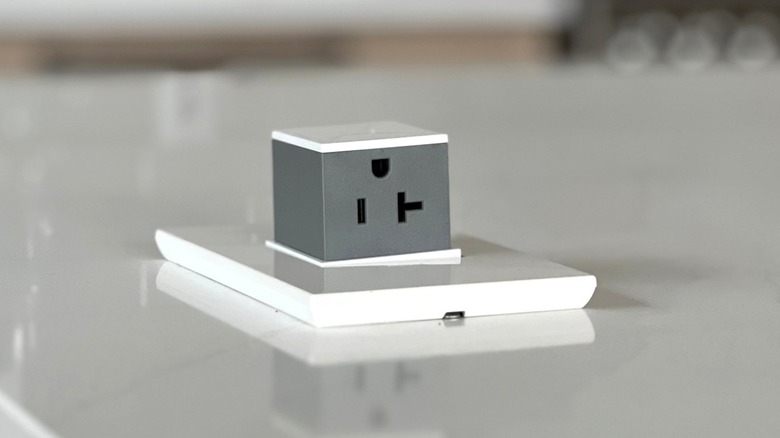
The first common type of hidden kitchen outlet is the pop-up. These are set directly into the countertop and revealed with a light push that engages a spring action, bringing the outlets out only when in use. While this type of on-demand power might seem like one of the unexpected items that could instantly upgrade your kitchen, pop-up sockets can become an issue for those who use their countertops frequently for food or drink preparation, because crumbs and small particles might slip into the seam between the counter's surface and the top of the socket. While many models have some kind of seal around the edge to prevent the outlet itself from being affected, the edges can become clogged or scratched and may require frequent cleaning. In addition to the unattractive look of built-up crumbs, these outlets are large, causing them to take up a lot of space when extended and add to a cluttered appearance. Plus, they need around 18 inches of clearance below the counter, if not more, which could limit storage underneath. So, considering the clutter that comes with hidden pop-up sockets, should you look at concealed under-cabinet versions instead?
How under-cabinet outlets can add to visual clutter
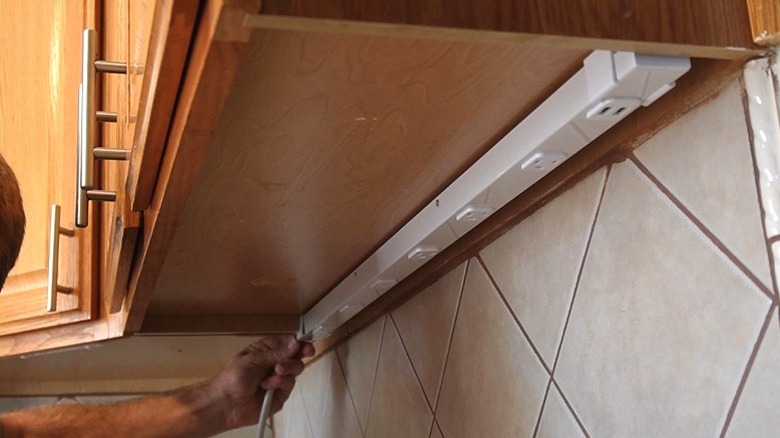
Like pop-ups, under-cabinet sockets look great in magazines, but actually using them tends to be a bit less stylish. First, the thickness of the socket can look awkward if your cabinets don't have molding on the bottom, as under-cabinet outlets are generally not thin enough to lay completely flat. This means they may stick out from the bottom of the cabinet, interrupting the line with a bulky, cluttered look. To fix this, homeowners either have to install extra cabinet trim or create a false bottom system where the outlets sit in the lower portion of the cupboard, unfortunately making it harder to utilize every inch of cabinet storage space.
Beyond the general bulk of these outlets causing issues, they also cause plugged-in appliance cords to be more visible. The sockets are located above objects like microwaves, air fryers, or toasters, and their power cables have to be strung up and into them, leaving the lines hanging over the backsplash. This is less of a problem if you tend to put away your appliances after use, but if you have any items you prefer to leave out for easy accessibility, the dangling cables could become an unfortunate eyesore in your kitchen. Meanwhile, some appliance cords might be too short to reach the high-up outlets, forcing you to find a solution that may create further clutter. There are good reasons to consider hidden kitchen outlets, but if you are concerned about these issues, think about alternatives like placing the outlets in less visible areas of a kitchen island or in drawers. Or, if you decide to stick with wall outlets, you could also get some Coverplug Paintable Wall Outlet Covers that can be customized to match your backsplash, reducing the visual clutter when not in use.